
Ever wondered if we could fix our genes like correcting a simple typo? CRISPR is making that idea feel real by tweaking our DNA (the unique code in every cell) to help fight diseases. This new tool gives us hope that medicine might soon be able to tailor treatments to fix the gene mistakes that cause illness.
Scientists have already had some early wins, like using CRISPR to treat blood disorders. It shows that even challenges we thought would never be solved might soon have better answers. And as more research unfolds, CRISPR is changing the way we think about fixing a whole range of genetic issues.
CRISPR gene editing in medicine boosts hope
CRISPR is a groundbreaking tool that helps us fix problems in our genes. Scientists use it to add or remove tiny bits of DNA (the instructions inside our cells) from both healthy and sick cells. This means it can treat simple, single-gene issues and even more complex conditions that involve several genes. Imagine spotting a typo in a really long sentence and fixing it, that's a bit like what CRISPR does.
In 2019, a patient with beta thalassemia (a blood disorder) received the first ex vivo CRISPR treatment. In this process, doctors edited blood stem cells outside the body and then put them back in. This method turned traditional treatments on their head. These early successes bring hope that similar techniques could help treat a range of conditions, from rare inherited diseases to more common genetic problems.
Researchers also build models that mimic real-life diseases to test how safe and effective treatments might be. Think of these models as practice runs before the big event. They are a key part of advancing gene therapy because they let scientists predict outcomes in a controlled setting.
CRISPR isn’t just for fixing genes, it’s also being used to create faster, more accurate diagnostic tools. By directly detecting harmful DNA or RNA in patient samples, it may soon help doctors diagnose diseases quickly and reliably.
With every new discovery, the blend of gene therapy and innovative diagnostic tools gives us even more hope. Each breakthrough is a step toward treatments that are tailored to fit each person’s needs, which could greatly lessen the impact of genetic disorders on countless lives.
Mechanisms Behind CRISPR Gene Editing in Medicine
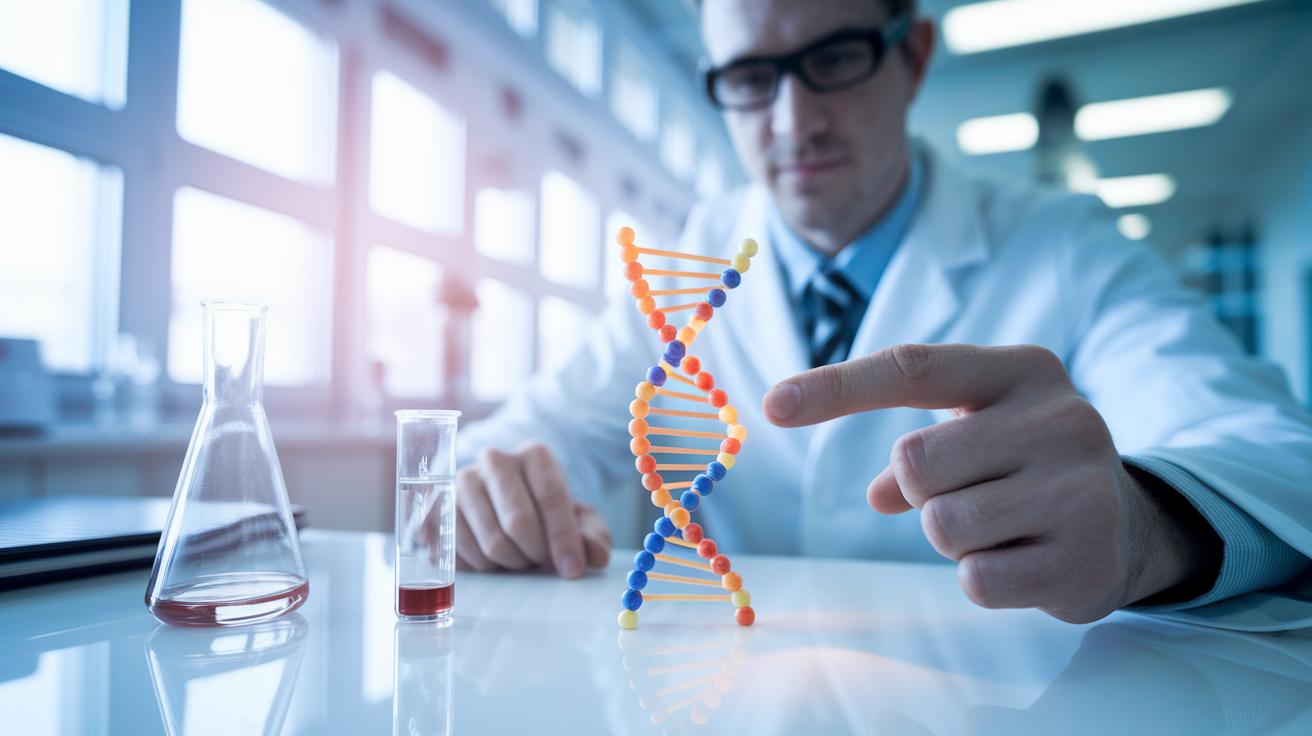
CRISPR-Cas9 is like a set of tiny, precise scissors designed just for DNA. It uses a guide RNA, a little navigational aid that works much like a GPS, to lead the Cas9 enzyme exactly where a change is needed. Imagine a tiny GPS guiding a pair of scissors to fix a broken zipper on your favorite jacket; that's how it finds the right spot. Once the guide RNA hits its target, Cas9 makes a clean cut through both strands of the DNA.
After the cut, the cell jumps into repair mode using its natural processes. One way, called non-homologous end joining (NHEJ), quickly glues the broken ends back together, though it might make a few small mistakes here and there. Alternatively, if you give the cell a template, it can use a method called homology-directed repair (HDR) to fix the break more accurately, as if it were following a perfect blueprint.
Some newer methods take a different route. Engineered base editors, for example, swap out just a single DNA letter without cutting the whole strand, like switching one word in a sentence without ripping the page. Then there are epigenomic editing platforms that bring in special proteins (chromatin regulators, which help control when genes are on or off) to influence gene activity. And for even more control, multiplexed Cas12a variants can adjust several genes at once, almost like fine-tuning an orchestra. All these tools make CRISPR a very flexible instrument in medicine, opening up exciting possibilities for treatments that are perfectly customized to our genetic makeup.
Clinical Trials and Ongoing Research in CRISPR Medicine
Scientists start by using CRISPR to build lab models that mimic real human diseases. They need to test out treatments on these models before trying them in people. For example, researchers recently edited blood stem cells (cells that can develop into different types of blood cells) outside the body and then re-introduced them. This approach kick-started the first trial for beta thalassemia in 2019, showing us that gene editing may really help with blood disorders.
Current work is also exploring ways to treat other conditions. Researchers are now testing if CRISPR can fix the bad genes behind sickle cell disease and some inherited eye disorders. They’re using methods similar to the beta thalassemia trial, which means they’re pushing forward with tests on cells edited outside the body.
At the same time, scientists are moving into tests where CRISPR tools are delivered right into the body. These early Phase I and II trials focus on treating liver and muscle problems by bringing the CRISPR components directly to the right tissues. Everyone involved, from researchers to regulators, is careful to follow strict safety measures. They use clear end-point tests and keep a close watch on any unwanted side effects or off-target changes.
- Lab testing on disease models before human trials
- Successful editing of blood stem cells outside the body
- Direct in-body trials for liver and muscle conditions
Regulatory frameworks are very important here. They help ensure these trials meet high standards for safety and accountability, which is key to keeping the promise of CRISPR-based therapies strong and dependable.
Delivery Strategies for CRISPR Therapies
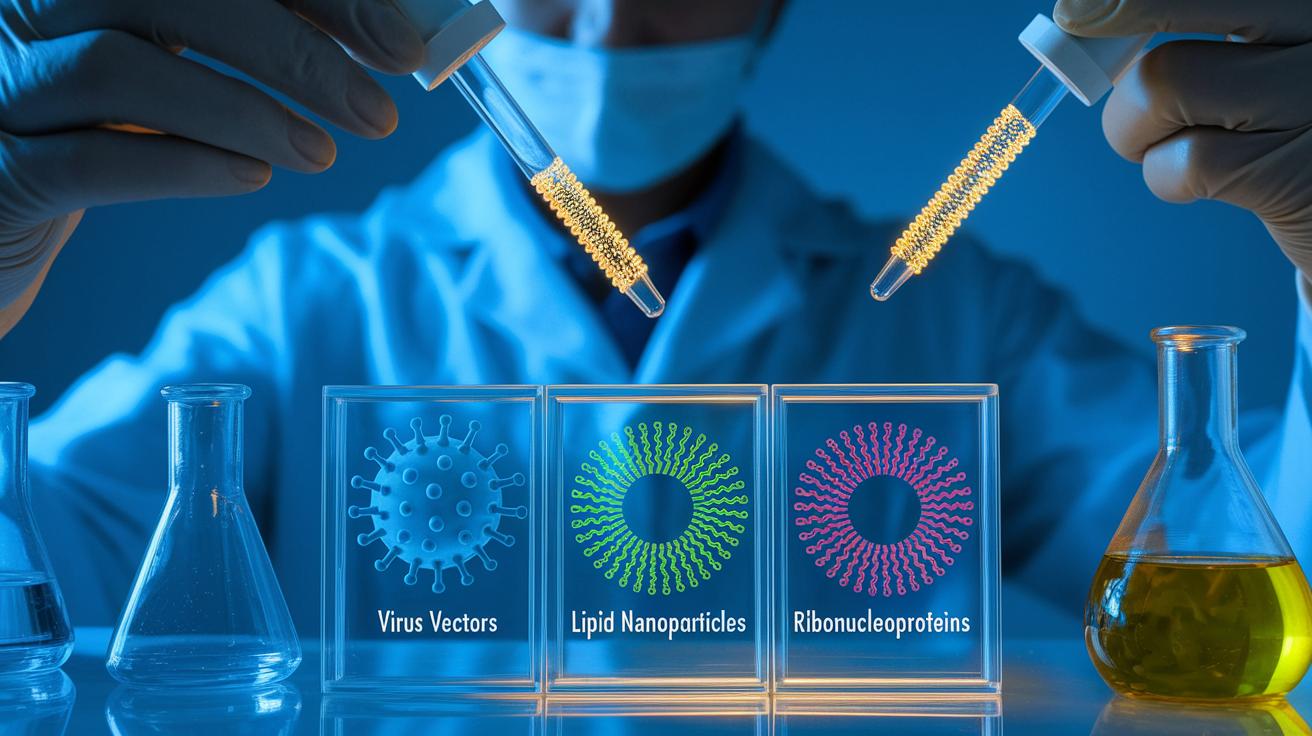
Scientists must get CRISPR tools into the right cells with care and minimal side effects. To do this, they often choose between using custom-made viruses, tiny fat bubbles (lipid nanoparticles, which are small carriers made from fats), or direct injections of protein packages (ribonucleoproteins, or RNPs). Each method has its own perks and challenges.
Viruses work like a delivery truck that keeps coming back, ensuring the CRISPR components stick around for a long time. Sure, sometimes the body might notice and react, but the consistent delivery is a big plus.
Lipid nanoparticles, on the other hand, act like secret couriers that quietly travel through the bloodstream, especially to the liver. They usually avoid stirring up too strong an immune response, although they can only carry a limited amount of genetic material. Think of it as sending a brief, discreet message.
Direct RNP injections give you a fast, short-lived effect. This method is like writing a note that disappears after it’s read, which helps to lessen any accidental changes in places you don’t want them. It works best when you only need a temporary effect.
| Delivery Method | Advantage | Disadvantage |
|---|---|---|
| Viral Vectors | Works for a long time | May trigger body defenses |
| Lipid Nanoparticles | Fewer immune reactions and targets the liver | Can’t carry a lot at once |
| Direct RNP Injection | Fast action with fewer off-target effects | Doesn’t last very long |
Success Stories: Clinical Case Studies of CRISPR Treatments
Recent early tests show that CRISPR-modified immune cells are helping the body fight tumors better. In one study, almost 40% of patients saw their tumors shrink within three months. These cells are designed to find and attack cancer more precisely than older methods. For example, one patient experienced a 37% drop in tumor size after getting the specially edited T-cells.
Another exciting method, epigenomic editing, changes how genes work without actually cutting the DNA. In lab tests, scientists found that markers of cell damage dropped by about 30% when using this technique. This method is much gentler compared to older ways of editing cells outside the body. One controlled study showed that treated samples had 30% fewer signs of stress, suggesting a safer path forward.
- CRISPR-modified immune cells helped nearly 40% of patients see a tumor reduction.
- Epigenomic editing cut cell damage markers by about 30% in lab models.
- Follow-up research hints that patients might enjoy a better quality of life and longer times without cancer progression.
| Approach | Patient/Model Outcome |
|---|---|
| CRISPR-modified immune cells | About 40% of patients had a measurable tumor response |
| Epigenomic editing | Lab models showed a 30% reduction in cellular damage markers |
Safety Protocols and Ethical Implications in CRISPR Medicine
CRISPR treatments face real challenges, and scientists are working hard to solve them. One main concern is off-target editing, which means DNA parts that weren't meant to be changed end up getting altered by mistake. There’s also the worry that some patients might react to Cas proteins (the helper enzymes that do the editing). To tackle these issues, researchers have come up with more precise Cas variants, improved guide RNA designs (the set of instructions used for editing), and even use short-term RNP injections (a mix of RNA and proteins) to reduce errors. It’s a bit like carefully erasing a mistake on a page without smudging anything else.
Ethical questions are just as important. Around the world, experts debate if genome editing should only treat current conditions or if it should also change genes for future generations. They also ask how to handle consent and ensure everyone has fair access to these promising treatments. Special oversight panels now review long-term effects and set up careful monitoring after therapy.
- Labs run clear tests to catch off-target changes early.
- Upgraded RNA guides and refined enzyme variants help lower risks.
- Global guidelines balance changes that affect only the treated patient (somatic) with those that might extend to future generations (germline).
- Ethical boards work to keep consent and patient access fair.
Regulatory bodies put strict safety rules in place and keep an eye on patient outcomes. These measures make sure that CRISPR treatments are not only effective but also safe and responsible over the long term.
Future Innovations in CRISPR Gene Editing for Medicine
Next-generation base editors are really fine-tuning the way we change genes. They let us swap out specific letters in our DNA (genetic instructions) without breaking both strands. It’s like fixing a little typo in your favorite book without having to rewrite the whole page.
Then there’s prime editing, which brings even more flexibility. It can add new sequences to your DNA wherever needed. Imagine updating your phone’s software to patch a bug without reinstalling the entire system, it’s that smart.
In synthetic biology, researchers are building tiny logic circuits inside cells that act like mini computers. These circuits control gene activity only when certain signals show up in the body. One recent webinar even showcased how Cas12a arrays can adjust several gene targets at once, offering treatment strategies that are custom-tailored.
Other cool techniques include epigenomic editing, which tweaks how genes express themselves in response to the environment. These methods promise more targeted and efficient treatments by turning gene activity on or off when needed.
All of these breakthroughs aren’t just ideas on paper, they’re real steps toward therapies that are both dynamic and precise. Every advance brings us closer to CRISPR treatments we can fine-tune, much like adjusting a well-loved instrument in a symphony of healing.
Final Words
In the action, our article showed how CRISPR gene editing in medicine has shifted from lab experiments to real treatments. We covered the methods behind targeted editing, the mechanics of RNA-guided tools, and safety measures in clinical trials. You saw examples of gene therapy advancements and explored different delivery systems. Each section highlighted how improving these techniques can help treat various disorders. Advancing CRISPR gene editing in medicine inspires hope and sparks curiosity for more innovative treatments that make a difference every day.
FAQ
Q: What is CRISPR gene editing in humans?
A: The CRISPR gene editing in humans means using a tool to fix or modify parts of our DNA in patient cells, aiming to treat genetic disorders like beta thalassemia and others through precise changes.
Q: How is CRISPR gene editing used in HIV research?
A: The CRISPR gene editing in HIV research involves exploring methods to target and disrupt the virus’s genetic material in infected cells, showing promise in laboratory studies for future treatment options.
Q: What role does CRISPR play in medicine?
A: The CRISPR in medicine approach is used to repair DNA errors, create disease models, and test new therapies, making it a key tool in experimental treatments for various genetic conditions.
Q: What diseases can CRISPR cure?
A: The use of CRISPR for curing diseases shows potential against conditions like beta thalassemia, sickle cell disease, and other genetic disorders, as researchers continue to evaluate its effectiveness in clinical trials.
Q: What is CRISPR gene editing therapy?
A: The CRISPR gene editing therapy involves modifying a patient’s cells outside the body to correct genetic defects before reintroducing them, offering new treatment avenues for blood disorders and other genetic issues.
Q: What are some CRISPR gene editing examples?
A: The CRISPR gene editing examples include the treatment of beta thalassemia, studies targeting HIV, and early trials with engineered immune cells for cancer treatment, demonstrating a range of research applications.
Q: What is the case of the CRISPR gene editing baby?
A: The term CRISPR gene editing baby refers to an incident in China where gene-edited embryos led to live births, sparking significant ethical and legal debates over the safety and morality of such practices.
Q: How is CRISPR used for genetic disorders?
A: The CRISPR gene editing for genetic disorders targets and corrects faulty genes in conditions like blood disorders, with ongoing research showing early success in clinical settings and preclinical models.
Q: Who was the first baby cured with CRISPR?
A: The case of the first baby cured with CRISPR is not verified; initial clinical applications were in adult patients, such as the beta thalassemia treatment trial, and no confirmed neonatal cures exist.
Q: What does the Bible say about gene editing?
A: The Bible does not mention gene editing directly, and interpretations focus on broader ethical and moral questions about changing human life, leaving the scientific practice open to societal debate.
Q: What drug is based on CRISPR?
A: The CRISPR-based drug concept is still under study, with no approved medication solely using CRISPR yet; current trials are exploring how CRISPR tools can improve targeted therapies for various conditions.