
Pre-eclampsia remains a leading cause of maternal and fetal complications worldwide. This week, a proof-of-concept study used placenta-tropic mRNA nanoparticles to deliver vascular endothelial growth factor (VEGF) directly to the placenta in mice. The targeted therapy promoted angiogenesis, normalized maternal blood pressure and improved fetal weight — effectively sprouting the blood vessels the placenta lacked. It demonstrates how mRNA technology can be adapted for organ-specific regenerative aims beyond vaccines. Translation into human pregnancy faces high safety bars: placental targeting precision, avoiding systemic angiogenesis, and immune effects must be fully assessed. Still, the results offer a fresh therapeutic direction for a condition with limited options.
Treating Pre-eclampsia by Sprouting New Blood Vessels

Pre-eclampsia is a dangerous pregnancy disorder driven by poor placental blood vessel development that causes maternal hypertension and fetal growth restriction. In mice, researchers delivered VEGF to the placenta using placenta-tropic mRNA nanoparticles given intravenously; the intervention stimulated local angiogenesis, normalized maternal blood pressure and improved birth weight. It’s an eye-catching demonstration that mRNA platforms can be deployed for organ-targeted regenerative therapy, not just vaccines. Human translation will require exhaustive safety testing in pregnancy to avoid off-target angiogenesis, immune activation or fetal effects, but the study opens a new mechanism-based approach to a condition with few therapies.
Needle-Free Vaccines: Engineered Skin Bacteria Protect Against Tetanus

Scientists engineered Staphylococcus epidermidis, a common skin commensal, to express a fragment of the tetanus toxin and then swabbed it onto mouse skin. Vaccinated mice were protected from tetanus while unvaccinated controls were not, showing the skin microbiome can be harnessed as a living vaccine platform. The needle-free, room-temperature-stable concept could simplify immunization campaigns and trigger local immune priming. Key challenges include ensuring strain stability, avoiding disruption of native microbiota, controlling antigen expression, and proving human safety. If translatable, skin-swab vaccines could offer an accessible option for mass immunization, especially in low-resource settings.
Nebulized mRNA Reaches Deep Lung Tissue in Ferrets

In a ferret model , lungs that resemble human respiratory anatomy , nebulized lipid nanoparticle (LNP)-coated mRNA produced widespread fluorescence throughout the lung, proving that inhaled LNP-mRNA can reach deep pulmonary tissue. This suggests potential for gene-replacement or protein-delivery therapies in lung disorders such as cystic fibrosis or surfactant deficiency. The inhaled route could enable targeted pulmonary therapy with reduced systemic exposure. Remaining obstacles include durability of expression, immune responses on repeat dosing, even aerosol distribution across airways and the safety profile of aerosolized nanoparticles. Still, this expands the mRNA toolkit toward organ-localized therapeutics beyond intramuscular vaccines.
Common PCSK9 Variant Tied to Cholesterol and Worse Breast Cancer Outcomes

Researchers identified a common inherited PCSK9 variant (A/A, V474I) that was associated with higher cholesterol levels and reduced survival in breast cancer patients in the studied cohort. In mice, blocking PCSK9 lowered cholesterol and curtailed metastatic progression, linking cholesterol metabolism to tumor behavior. Because PCSK9 inhibitors are already clinically available for lowering LDL cholesterol, these findings raise the possibility of repurposing such therapies or pursuing genotype-guided strategies in oncology. Human clinical trials will be needed to establish causality, determine who might benefit, and evaluate the balance between cardiovascular and oncologic outcomes when targeting PCSK9 in cancer patients.
Daratumumab Slows Progression of High-Risk Smoldering Myeloma

A phase 3 trial tested daratumumab, an anti-CD38 monoclonal antibody, in patients with high-risk smoldering myeloma , an asymptomatic precursor to multiple myeloma. Treatment reduced progression to symptomatic disease and improved survival-related metrics, but adverse events were fairly common. The study challenges decades of watchful waiting for selected high-risk individuals and suggests early immunotherapy can alter disease trajectory. Clinicians will need to weigh the benefits of preventing progression against toxicity, cost and patient quality of life. Longer follow-up is required to confirm durability of benefit and to refine which high-risk patients should be offered early intervention.
Personalizing Blood-Test Ranges to Improve Risk Prediction
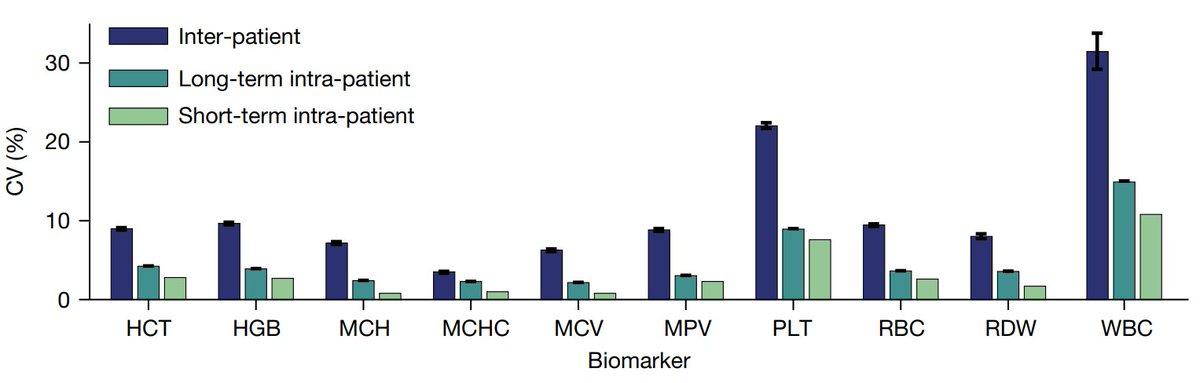
New analyses show that an individual’s biologic 'normal' range is often much narrower than population reference intervals. Small shifts in a person’s own baseline , even while still within lab 'normal' limits , were associated with changes in disease risk and survival. That argues for longitudinal, personalized baselines and delta-based alerts rather than one-off comparisons to population cutoffs. Putting this into practice requires frequent sampling, standardized lab methods, EHR integration and clinician education, but could improve early detection, reduce missed warnings and limit unnecessary workups driven by population-based thresholds that ignore personal variability.
AI-Designed, Colon-Specific PHD Inhibitor for Colitis Enters Trials

An AI-developed small molecule, ISM012-042, selectively inhibits prolyl hydroxylase (PHD) in the colon, stabilizing HIF-1α to restore the intestinal barrier and reduce pro-inflammatory cytokines in preclinical models. By focusing action on the colon, the approach avoids systemic PHD inhibition side effects like excessive erythropoiesis. The compound repaired barrier function in models and has moved into phase 1 trials, illustrating how computational drug design can accelerate discovery of tissue-selective therapeutics. Human studies will determine safety, tolerability and real-world efficacy in inflammatory bowel disease, but the strategy is a promising example of precision pharmacology driven by AI.
Procalcitonin-Guided Antibiotics Shorten Treatment Safely in Sepsis
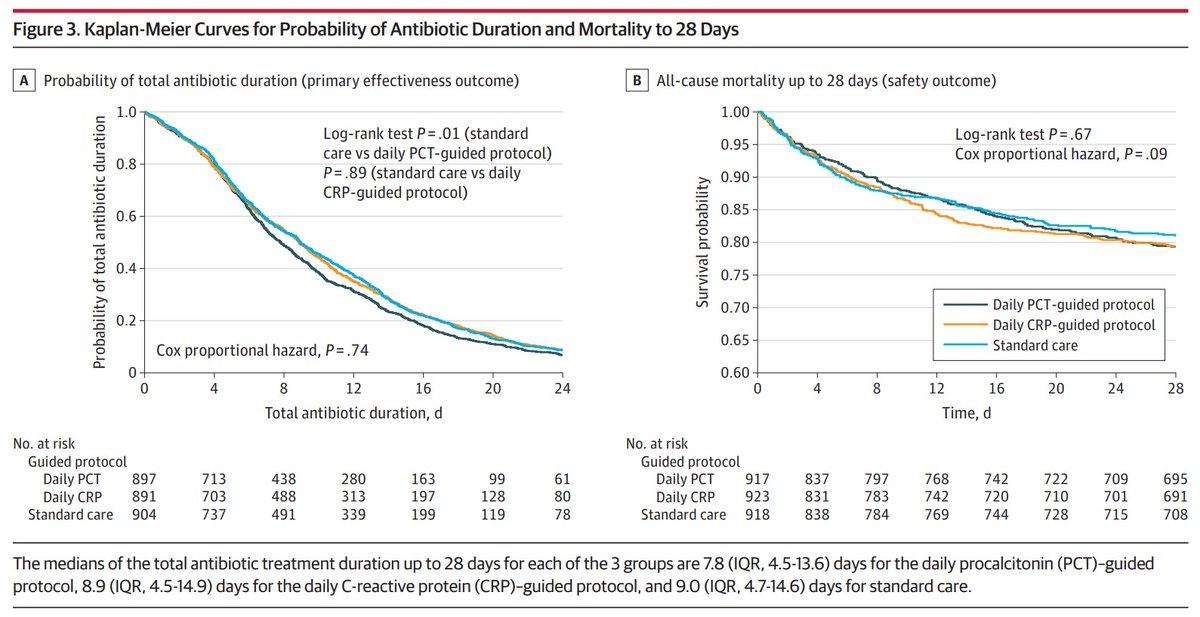
A randomized trial found that stopping antibiotics in sepsis patients when procalcitonin (PCT) levels were low reduced total antibiotic duration without increasing mortality. Using PCT to guide de-escalation supports antibiotic stewardship by cutting exposure, side effects and resistance pressure. The trial also showed that C-reactive protein (CRP) guidance did not achieve the same benefit. Implementation depends on access to reliable PCT assays, clinician acceptance and cautious application in high-risk populations (eg, immunocompromised). Still, PCT-guided stopping is a practical, evidence-based tool to shorten antibiotic courses safely in many sepsis patients.

