
Ever wondered if your everyday smarts could lead to big scientific discoveries? Citizen science lets anyone help by collecting data on things like nature and our health. It turns simple observations into answers that scientists might miss on their own.
Regular folks, using mobile apps and a spirit of adventure, are joining forces with experts. They create huge data collections that traditional labs could never gather alone. In truth, these grassroots efforts are sparking research that shapes our environment and community.
This shows that science isn’t only for professionals. It’s something all of us can take part in and enjoy.
How Citizen Science Propels Breakthrough Research
Citizen science lets everyday people join in on real research. It shifts the focus from closed-off lab work to work that anyone can help with. People from all walks of life pitch in by collecting data in areas like tracking different species and studying public health. By inviting non-scientists to answer research questions, citizen science sparks fresh ideas and builds huge databases that labs could never compile on their own.
Mobile apps and online tools make all this possible by letting volunteers record their findings on a large scale. People can log observations, upload photos, and share updates as things happen. And when local helpers team up with well-known research institutions, as seen in the article about the role of scientific collaboration in breakthrough research, they make sure all that data is carefully checked and put together.
This way of working has clear, real-world impacts. Massive data sets gathered by volunteers have helped shape better environmental strategies and improve public health monitoring. Experts like Caren Cooper from the Cornell Lab of Ornithology tell us that tracking bird migrations over vast areas is one success story, even though there are challenges like keeping data consistent and training volunteers. With more people lending a hand, inclusive studies are helping us respond quickly to new problems, proving just how important public contributions can be in moving science forward.
Evolution of Citizen Science in Landmark Discoveries

Back in 801 AD, people in Kyoto started noting the days when cherry blossoms would bloom. Their careful observations were simple but powerful, sparking an early form of community science that paved the way for huge collaborative research projects.
From the 1500s to the 1800s, amateur astronomers and nature lovers across Europe kept detailed journals about the sky and the natural surroundings. Their steady record-keeping not only deepened local understanding but also helped shape more organized methods for studying nature. In truth, these early notes laid down a blueprint that later scientists built upon.
Today, that same spirit lives on in the modern citizen science movement. Everyday people contribute by tracking local weather changes and monitoring environmental shifts. By blending old-school methods with current technology, community observations turn into strong data sets that steer research worldwide. It’s amazing to see how a spark of curiosity can eventually lead to groundbreaking scientific progress.
Volunteer-Driven Experimental Methods and Collaborative Inquiry Models
Ever wonder how everyday observations can lead to big scientific breakthroughs? Volunteers help by suggesting questions that scientists then turn into clear, step-by-step research plans using data sheets and sensor guidelines. This teamwork blends ideas from the community with the know-how of experts. For example, picture a local bird watcher noting changes in how birds behave on a standard form. That small note, when joined by thousands of similar observations, builds a strong set of data for deep research.
- Mobile app-based species sighting reports – imagine spotting a rare bird and adding it immediately to a national database.
- Community air-quality sensor deployment – local residents set up low-cost sensors to track pollution in their neighborhoods.
- Structured online survey experiments – volunteers answer specific questions that help guide the research in real time.
- Expert-citizen validation and feedback loops – professionals review each submission to make sure every piece of data is on point.
- Machine-learning verification of volunteer submissions – smart technology sorts and checks the information, speeding up the process.
All these methods work together like a well-organized team passing the baton in a relay race. Mobile apps and online platforms collect trustworthy data that experts can review and fine-tune. This approach shows that when everyday people join forces with technical support, it sparks organized and meaningful progress in science.
Case Studies of Community-Led Innovation Discoveries Driving Research Advances
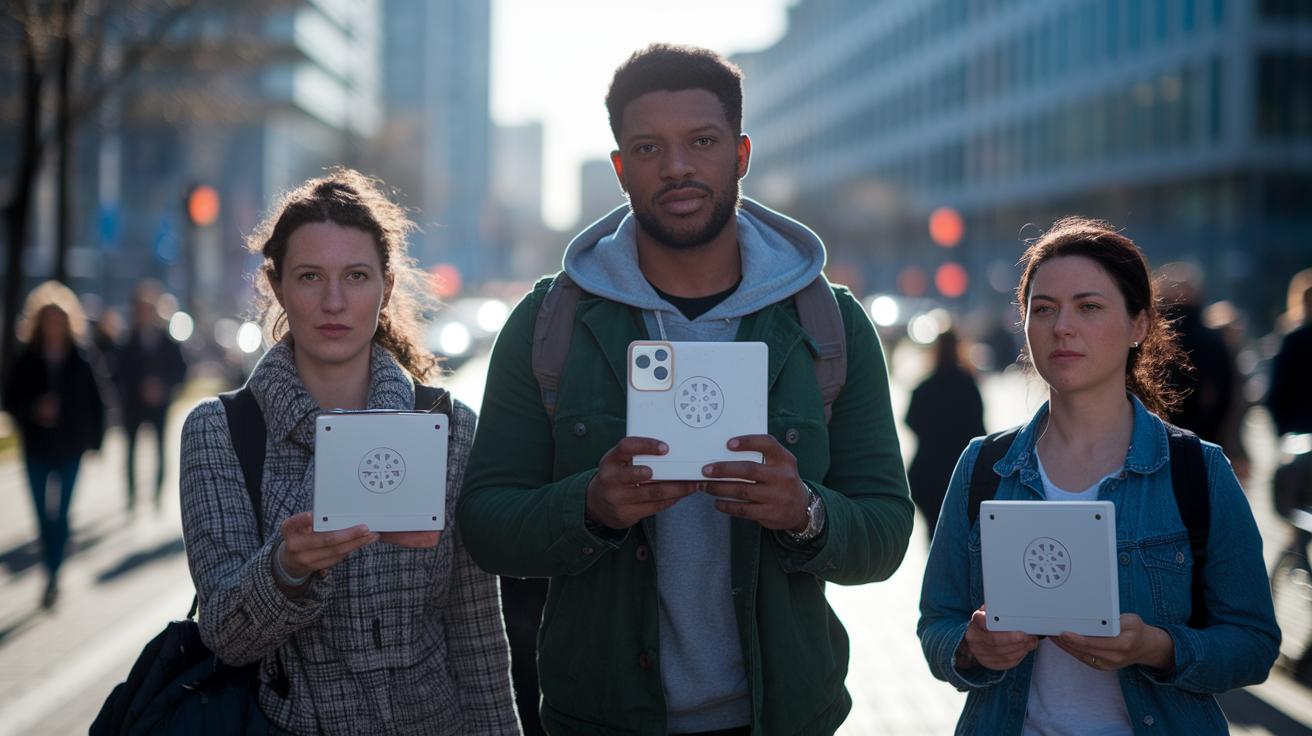
Everyday people are showing that community ideas can spark major scientific breakthroughs. Volunteers jump in not just as bystanders but as active partners, helping research progress with hands-on work. Their efforts bring raw, local data into the spotlight, reshaping questions and sparking creative fixes. Take Berlin in 2008, for instance. Locals used affordable sensors (simple devices to measure air quality) to track pollution, and their findings helped guide city planning. Then there’s the eBird project, which started in 2002. Bird watchers from around the globe have added more than 100 million sightings, which has fine-tuned how scientists predict bird migrations. And we can’t forget Galaxy Zoo. Since its launch in 2007, regular folks have been classifying galaxies, offering new clues about the shapes of these far-off star systems.
| Project Name | Field | Breakthrough Outcome |
|---|---|---|
| Berlin Air Sensor Initiative | Urban Air Pollution | Informed local policy and planning |
| eBird | Ornithology | Improved models for bird migration |
| Galaxy Zoo | Astrophysics | Deeper insights into galaxy shapes |
These projects clearly show that when communities work together and share what they see, research takes on a whole new meaning. Volunteers provide crucial data and recognize trends or oddities that might otherwise fly under the radar. Their stories remind us that research can be more connected to everyday life when everyday people join the journey.
Ensuring Data Integrity in Crowdsourced Data-Driven Analysis
When people volunteer data for research, it's really important to check that the information is accurate. A report from the OECD (a group that studies how societies work) shows that strong data standards, careful peer reviews, and fair ethics rules are needed so every piece of data meets clear guidelines.
Volunteers can send in tons of information, but without checks, some details might end up being inconsistent. That’s where smart computer tools come in. They help flag records that look odd, while experts review the data to catch mistakes that machines might miss. For example, if a mobile sensor suddenly records a big spike in numbers, experts step in to decide if it's a true event or just a glitch.
Another key piece is using metadata protocols and training modules. Metadata is essentially the extra detail about when, how, and under what conditions the data was gathered. This extra context helps keep things consistent across huge collections of data. Also, training helps volunteers learn to use the equipment correctly and report their findings in a standard, easy-to-understand way.
Together, these methods help create an environment where public data collection really works without cutting corners on accuracy. By mixing technology with human oversight, research projects earn trust and connect everyday observations with advanced analysis to spark breakthrough discoveries.
Institutional and Policy Frameworks Supporting Inclusive Participatory Studies

Policymakers are crucial in this evolving research scene, officially weaving citizen science into national plans and funding opportunities. Governments now recognize that everyday contributions provide a strong foundation for scientific advancement. They create clear guidelines and options, ensuring that both professional researchers and everyday citizens follow agreed-upon standards.
Projects like the UCL Citizen Science Academy show how training locals in social research can turn community insights into tools that spark global change. This program gives people the skills to take part in policy talks and set research priorities. In many areas, community groups design projects that resonate with their own cultural needs. For instance, initiatives such as PROCOLs focus on local social goals, making sure policies truly reflect what communities need.
International organizations also offer guiding ideas to streamline citizen-led projects. OECD recommendations highlight the importance of working together across borders, following clear ethics rules, and coordinating research practices. These frameworks encourage open collaborations and let public insights help shape both policy and scientific progress in ways that benefit everyone.
Future Trends in Mass-Participation Study Trends and Breakthrough Research
The next big wave in citizen science is set to harness smart AI tools that help volunteers sort through data in real time. Imagine a simple mobile app that instantly tags your observations, so you can immediately see the impact you’re making. This mix of smart tech not only speeds up the research process but also keeps the data clear and organized. And with blockchain systems (secure digital ledgers that record information safely), everyone can feel confident about how their contributions are tracked and trusted.
Innovative virtual platforms will also play a major role in how public research evolves. With virtual reality (VR, a tech that creates an immersive digital world) and augmented reality (AR, which adds digital details to the real world), you might soon enjoy virtual field trips right from your home. Big community platforms like Zooniverse are gearing up to include more voices, inviting people from everywhere to dive into a variety of topics. As citizens use these new tools, fresh research ideas may emerge that keep community-driven discoveries vibrant and inspiring.
Final Words
In the action, we explored how community-led contributions have shaped research, from early observations to today’s tech-powered studies. Volunteers have collected vital information on everything from biodiversity to space exploration, adding real value to scientific progress.
The evidence here shines a light on the role of citizen science in driving breakthrough research. By bridging personal experience with scientific expertise, these innovations promise a future filled with even more accessible, impactful discoveries.
FAQ
Q: What is the role of citizen science in driving breakthrough research?
A: The role of citizen science in driving breakthrough research is to involve non-scientists in collecting vital data. This boosts research by expanding data collection and broadening scientific insights across various fields.
Q: How does Google Scholar support citizen science research?
A: Google Scholar supports citizen science by providing access to scholarly articles and studies. It helps researchers and participants find trusted sources and gain deeper understanding of community-driven research outcomes.
Q: What role does citizen science play in scientific research?
A: Citizen science plays a role in scientific research by gathering data from a wide public. This participation expands study scopes, reinforces findings with vast datasets, and connects communities with scientific discovery.
Q: What is citizen science in AP CSP?
A: Citizen science in AP Computer Science Principles involves projects where students work with real-world data. They apply computing skills to solve practical issues, linking everyday observations to classroom learning.
Q: What is the biggest benefit of citizen science projects?
A: The biggest benefit of citizen science projects is their ability to engage community members. This involvement increases data diversity and helps produce well-rounded research results in many scientific fields.
Q: What is one of the three broad goals of citizen science?
A: One broad goal of citizen science is to democratize research by empowering everyday people to participate. This inclusion fosters wider data collection and strengthens the impact of scientific studies.

