
Have you ever thought about how a spaceship finds its way into deep space? Picture a busy room where every quick update and decision helps a mission glide safely among the stars. In Houston, NASA’s Mission Control has come a long way from the bold Mercury missions to the complex flights we see today. It mixes smart people and cool technology (advanced tools that help us understand space) to keep every mission on track. And isn’t it amazing how this blend not only protects the crew but also sparks fresh ideas that drive space exploration forward?
Overview of NASA’s Mission Control Center: Functions, Significance, and Impact
NASA’s Mission Control Center at the Johnson Space Center in Houston is the heart of America’s crewed space missions. It started back in the 1960s with the Mercury missions and now plays a key role in programs like Artemis and Commercial Crew. This is where every flight is planned, managed, and carefully watched, making sure that both the crew and the spacecraft stay connected in real time.
Imagine a control room buzzing with life. Technicians use live data, voice, and video links from the spacecraft to keep everything in line. It’s a bit like a ship’s captain steering through rough seas, where Mission Control handles unexpected issues to keep the mission moving smoothly.
Some of the main jobs here include keeping an eye on flight data, quickly fixing any problems, and helping make smart choices that keep space missions safe and on schedule. The clear link between the ground teams and the spacecraft in orbit has truly shaped human spaceflight and turns each successful mission into a proud moment of technical achievement.
Historical Evolution and Workforce Dynamics: Mercury Through Apollo
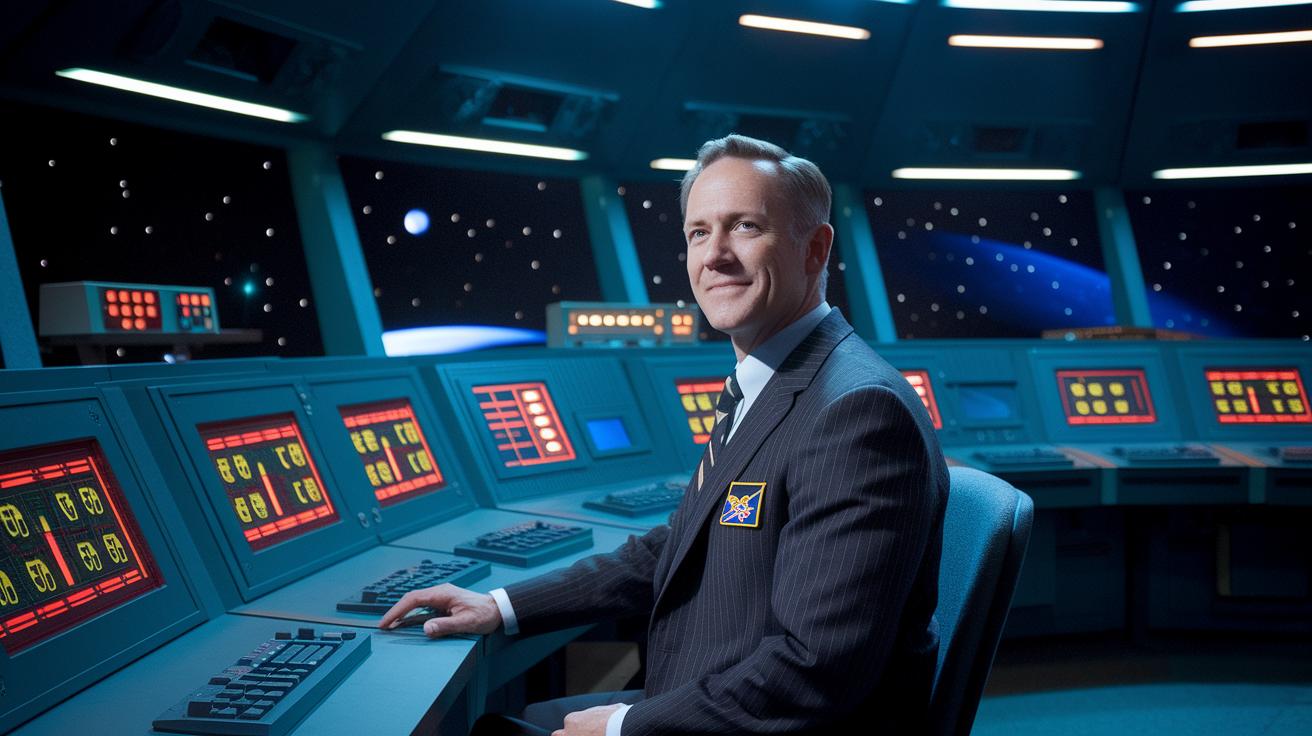
Back in the days of Project Mercury, Christopher Kraft helped lead the early mission control efforts at Cape Canaveral from 1959 to 1961. The team was small, and everyone worked hard in a room buzzing with hope and dreams of space. Every calculation was like a tiny step toward exploring the unknown. Kraft’s hard work set the stage for what would soon become an important center for human spaceflight.
When the space program grew, operations moved to Houston with Gemini IV in 1965. This move wasn’t just about a new location, it was a big upgrade. The new Mission Control center in Houston was built to handle more complicated missions with modern communication systems and a growing network of tracking stations. Imagine a busy room with screens lighting up in real time, showing data from spacecraft far away. It was a true marvel of human creativity.
Staffing this center was a major task. The control team worked in three shifts of about 20 controllers each. These dedicated people were the heart of the missions, watching every detail all day and night. Behind them were engineers and scientists who analyzed every bit of data and quickly fixed any problems. During the Apollo era, the average age of these controllers was 28. This youthful spirit brought endless energy and a hunger to learn during high-pressure moments.
Training was as advanced as the technology they used. The Apollo Mission Simulator was a key part of their training. This system, which mimicked both the command and lunar modules (the parts of the spacecraft that helped steer and land), let controllers practice every stage of a mission. Training sessions ranged from regular runs to full-blown emergency drills. Just think: one session might recreate a problem during lunar descent, where every choice could spell success or trouble, kind of like a firefighter practicing before a real blaze. These hands-on drills were essential for getting ready for any crisis during a live mission.
Major Apollo moments showed the payoff from all this hard work. The famous Apollo 11 Moon landing in 1969 is one of the most celebrated events in space exploration. Mission Control played a key role in guiding the spacecraft to the Moon. And when Apollo 13 ran into trouble in 1970, the team had to quickly solve problems with a mix of technical skill and calm nerves. Later, in 1972, the Apollo 17 mission wrapped up the series of lunar landings, with careful simulations and real mission checks ensuring everything went off without a hitch.
This era was all about learning and adapting. Each mission brought new data, improved techniques, and a stronger team. Young engineers and scientists learned on the fly, giving Mission Control a dynamic and forward-thinking spirit. Think about those simulation sessions: each one was set up to help the team practice managing unexpected problems. They really embraced the idea that practice makes perfect.
The journey from a modest team at Cape Canaveral to a world-class command center in Houston is more than just a tale of technological progress. It’s a story about how people can come together, learn, and push the limits of what’s possible. Every calculation, every simulation, and every careful eye on the control boards has helped build a legacy that continues to spark the imaginations of future space explorers.
Simulation Systems and Communication Infrastructure at the Command Center
The Apollo Mission Simulator is a key system at Mission Control, built to help train flight controllers at every stage of a mission. Think of it as a huge, high-tech dress rehearsal where controllers got to run through the entire mission, step by step. Imagine walking into a room where every button and light prepares you for any sudden twist or emergency.
There were separate simulation modules for the main command and the lunar spacecraft, letting controllers practice at the same time. Each module was designed to feel exactly like the real thing, so teams could rehearse both routine operations and unexpected problems through full-mission drills.
And it wasn’t just about the simulators. A global network of tracking stations and data relay satellites worked behind the scenes, providing a steady stream of information and voice links. This setup made sure that real-time data reached the controllers smoothly, like a nonstop conversation between the spacecraft and the Earth-based team.
All in all, the mix of simulation and communication systems has empowered Mission Control to keep space missions safe and efficient, whether during rigorous training sessions or live missions around the world.
Planning Your Visit: Tours and Exhibits at the Houston Command Facility
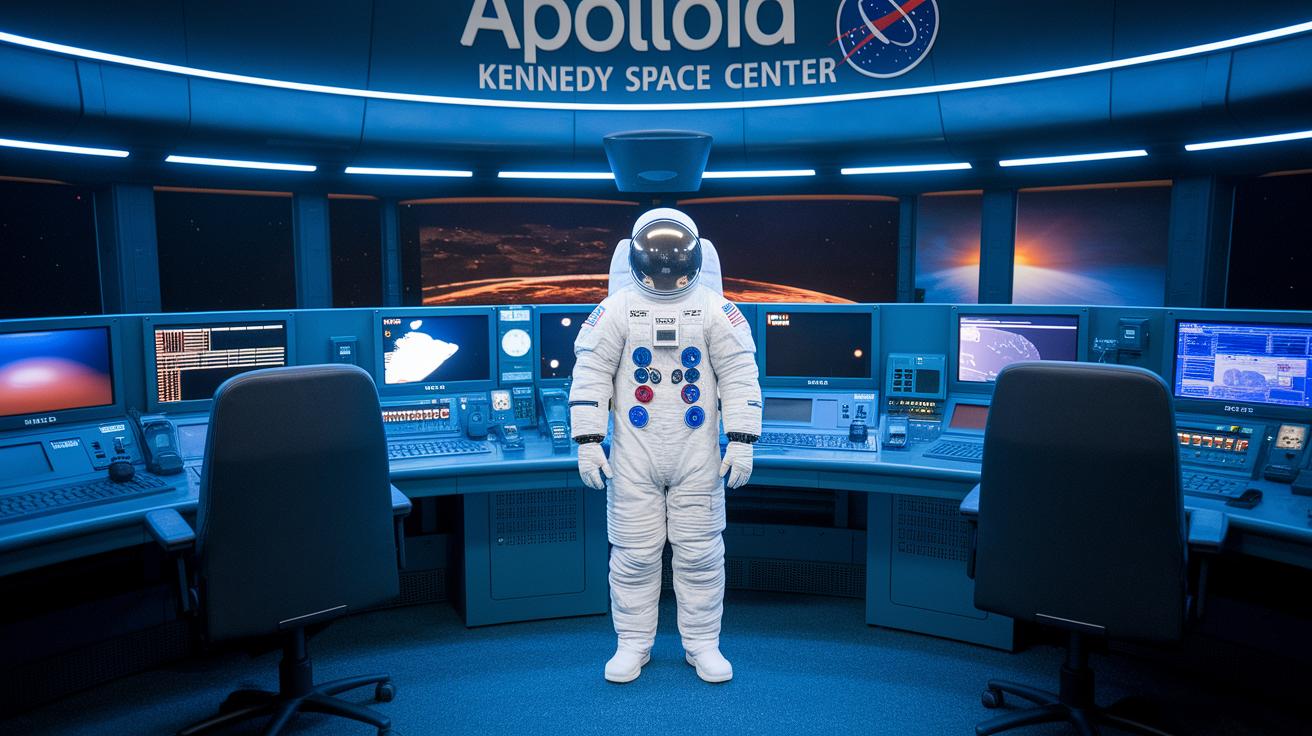
Step into a world where space history feels real and exciting. At the Kennedy Space Center Visitor Complex, you can join behind-the-scenes tours at the famed Mission Control Center. On these tours, you see the original Apollo-era control room (the room that guided missions to the Moon) and areas where live operations track current space missions.
Be sure to book ahead because you'll need to reserve timed-entry tickets online. There are various pricing options that fit different budgets and plans. Plus, you can enjoy docent-led talks that share cool stories about NASA’s command operations and the key role Mission Control played during major spaceflights. Interactive displays and simulators let you try out what experts experienced when making tough decisions during missions.
This tour is a fun adventure for families, students, and anyone with a curiosity about space exploration and technology. Imagine walking through the hallways where history was made, feeling the energy of past decisions, and getting a close-up view of space innovation. It’s a unique blend of historic artifacts, live demos, and expert insights that creates a memorable way to explore space and spark your curiosity wherever you go.
Exploring Archival Media and Virtual Tours of the Mission Control Center
There's a rich collection of old command photos that gives you an up-close look at the daily work at the NASA Mission Control Center. You'll find historical watercolors and classic black-and-white images that show both intense focus and moments of real camaraderie among the controllers. For instance, picture a worn watercolor capturing a lively control room, with each brushstroke full of the energy of space exploration.
On-site, interactive digital tours make it easy to dive into history. Visitors can use digital kiosks to explore mission transcripts, telemetry plots (detailed flight data summaries), and floor plans of the control room. One screen might invite you to "Experience history firsthand – click through our digital tours to uncover the hidden stories behind every screen." This approach helps today's guests feel a real connection to the storied past of the Houston command center.
If you're not nearby, on-demand virtual programs have you covered too. These immersive VR tours offer a striking 3D reconstruction of Apollo-era consoles, letting you wander through an exact replica of the NASA Mission Control Center. Every piece of multimedia mission documentation plays its part in telling a story you won't forget.
| Feature | Description |
|---|---|
| Archival Photos | Take a visual trip back in time with historic command photos. |
| Digital Tours | Explore interactive exhibits with every click. |
| VR Experiences | Bring the past into your living room with stunning virtual reality tours. |
nasa mission control center: Inspiring Space Excellence
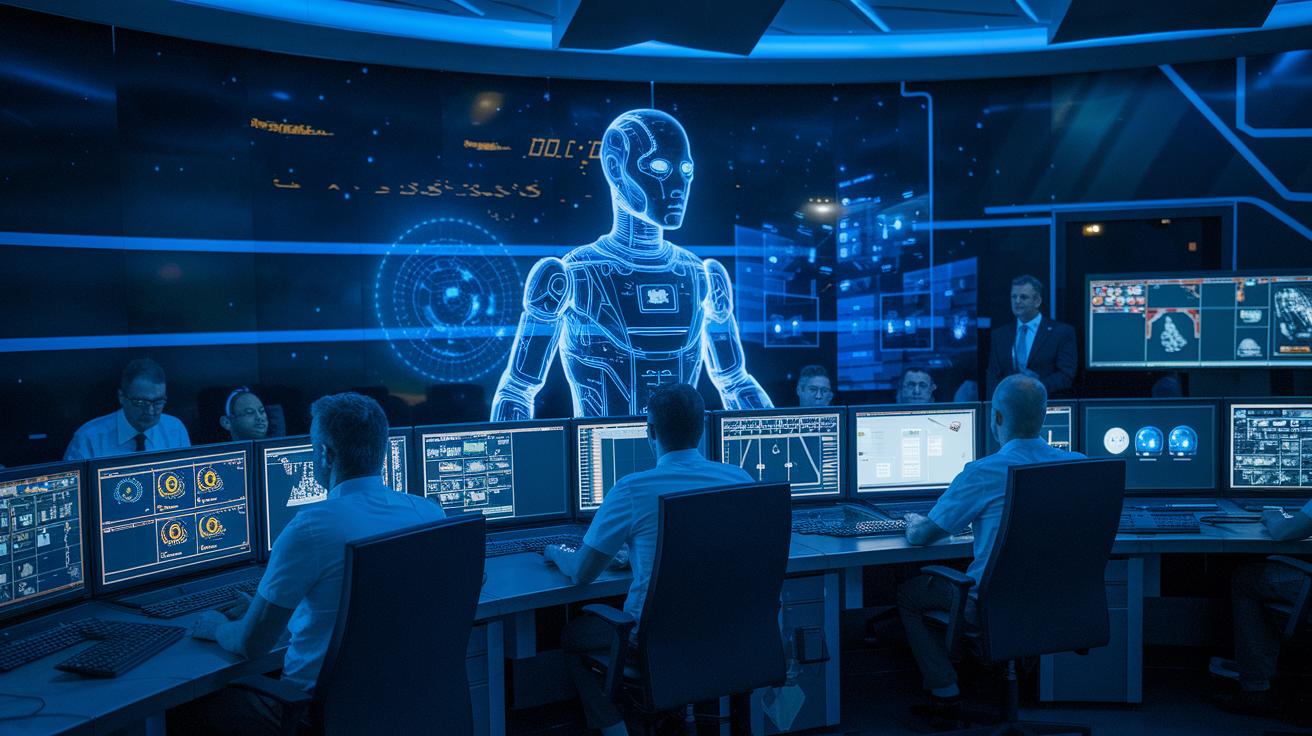
NASA is trying out fresh ways of running space missions that could make them smoother and safer. They’re testing cool new tools like automation and AI-based helpers (smart guides that use computers to suggest fixes) during tricky parts of the mission. Imagine a busy control room where a digital helper works side by side with the crew, much like an experienced captain helping navigate through thick fog. This new style of mission control is set up to back up human skills with quick math and smart problem-spotting.
Soon, the Houston team will see even more upgrades. They’re planning to boost their communication networks and build better simulation systems that closely mimic real flight conditions. New software and digital dashboards are on the way to help controllers make faster, well-informed decisions. This mix of human know-how and machine precision is driving a fresh era in space operations.
Key focus areas include:
| Focus Area | Description |
|---|---|
| AI-driven support | Tools that give real-time data insights during missions |
| Automation systems | Improved setups to simplify emergency responses |
| Training simulators | Upgraded simulators that mirror the challenges of future missions |
These advancements not only make space missions safer but also spark inspiration for a future where exploration is powered by a smooth mix of expert judgment and innovative technology. Every mission becomes a step closer to unlocking bigger and better space achievements.
Final Words
In the action, the article showcased how NASA's Mission Control Center serves as the hub for live mission support and research insight. It touched on its rich history, simulation systems, and visitor experiences that bring space science closer to everyone. Each section revealed parts of the center's role in managing space missions, from Apollo to future advancements. The discussion leaves us excited about the ways technology and teamwork keep us connected to space exploration at the nasa mission control center. It’s inspiring and a solid reminder of the wonders of science.
FAQ
Where is NASA Mission Control now?
The location of NASA Mission Control is at the Johnson Space Center in Houston, Texas. It remains a hub for coordinating crewed space missions using live data.
Can you visit NASA Mission Control?
Visiting NASA Mission Control is possible through guided tours at the Houston command facility. These tours offer behind-the-scenes views and require advance online booking.
What is a mission control center?
A mission control center is a facility where teams monitor and guide space missions, managing real-time data and communications between spacecraft and ground personnel.
What are NASA Mission Control positions and names?
NASA Mission Control includes various roles, such as flight controllers and engineers, each with specific titles and responsibilities that support mission operations.
How much do NASA Mission Control staff get paid?
NASA Mission Control staff compensation varies by role and experience, reflecting the high level of expertise needed to support spaceflight operations.
Where can I find a map or address for NASA Mission Control?
A current map and address for NASA Mission Control are available online. The center is located within the Johnson Space Center in Houston, Texas.
What historic events are linked to NASA Mission Control?
Historic events like the Apollo 11 moon landing in 1969 highlight Mission Control’s critical role. The famed Apollo Control Room is a key part of NASA’s space exploration history.
What other Houston attractions are near NASA Mission Control?
In Houston, visitors can enjoy nearby sites such as Space Center Houston, the Smithsonian’s Air and Space Museum, the Houston Museum of Natural Science, the Houston Zoo, and the Museum of Fine Arts.