
Have you ever thought about how our everyday weather could help us learn about the huge universe? At NASA’s Goddard Space Flight Center in Maryland, scientists mix Earth science with space research in a way that makes big ideas feel familiar. They not only try out new space tools but also keep an eye on our ever-changing skies, connecting the weather we see every day with stars far away. Stick with us to find out how Goddard changes simple questions into amazing insights about the cosmos and our role in it.
goddard space flight center nasa shines in science
NASA built the Goddard Space Flight Center to help us learn more about our Earth and the space around it. This center is a busy hub for Earth science, astrophysics (the study of stars, planets, and space), heliophysics (the study of the sun and how it affects us), and planetary science. Basically, they set it up to push our understanding of everything, from our changing climate to faraway galaxies. Fun fact: The very same place that tests new space technology is also keeping a close eye on how our weather shifts over time.
At Goddard, big-name missions like the James Webb Space Telescope and the Hubble Space Telescope give us incredible, mind-blowing views of space. They also run the OSIRIS-REx mission, which gathers samples from asteroids, and are busy working on the Nancy Grace Roman Space Telescope, a gravitational wave observatory, and the DAVINCI probe for Venus. Nestled on a campus in Greenbelt, Maryland, Goddard is filled with specialized labs for cryogenic engineering (working with super cold temperatures), developing advanced instruments, and making sense of lots of data. Every day, they make the wonders of space science feel a little closer to home.
Historical Development of Goddard Space Flight Center NASA
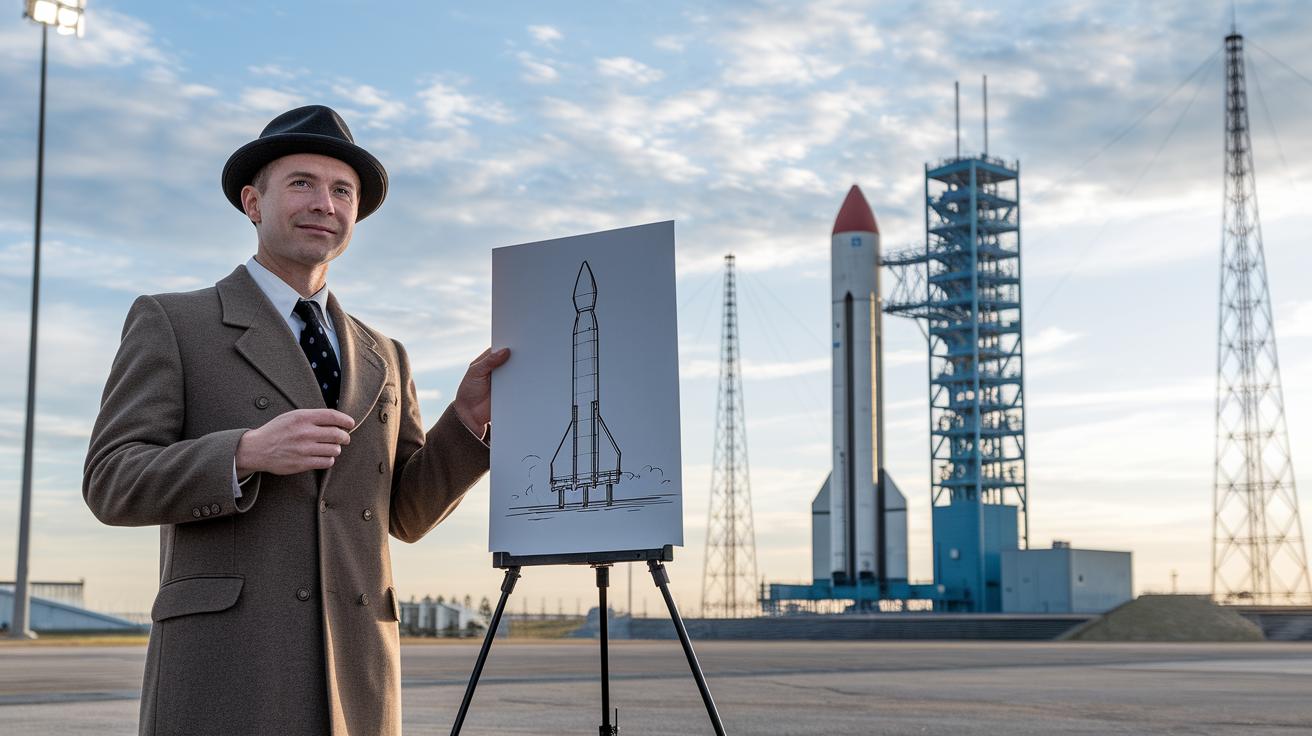
Robert H. Goddard was a real pioneer in rocket science. His early rocket experiments, which once seemed more like bold daydreams than reality, helped spark the idea for a center that would one day launch humans into space. When NASA built this facility, they set out to push rocket technology to new heights, a mission inspired by Goddard's own fearless experiments. It’s pretty amazing to think that his drive to explore the unknown still echoes in every corner of this place. Ever wonder how someone could imagine rocket propulsion when so many believed space was out of reach?
Some of the biggest milestones here include:
- Naming the facility in honor of Robert H. Goddard
- Launching the Hubble Space Telescope, which gave us jaw-dropping views of distant galaxies
- Successfully executing the OSIRIS-REx mission that gathered samples from an asteroid (a real-life space treasure hunt)
- Launching and deploying the James Webb Space Telescope, a major leap in our ability to look deep into space
- Moving forward with new missions like the Nancy Grace Roman Space Telescope and the approval of the LISA gravitational-wave observatory and the DAVINCI probe
Each of these achievements adds a new chapter to the center’s story. The Hubble Telescope, for example, shows us the beautiful and mysterious universe with breathtaking clarity, while OSIRIS-REx has given scientists a closer look at the building blocks of our solar system. And the James Webb Telescope? It’s opened a whole new window into the cosmos.
By blending a rich history with the latest technology, Goddard Space Flight Center remains a cornerstone of NASA’s ongoing quest to explore space. Every milestone not only celebrates a legacy of creative innovation but also lights the way for future challenges in space science and technology.
Goddard Space Flight Center NASA Missions and Achievements
GSFC leads the way in designing and running space missions. Their engineers turn big ideas into sturdy, dependable systems. They work hard to create detailed plans and strict tests that help manage risky projects smoothly. For example, think about how they fine-tune sensor readings, "Precision matters, like tuning a piano to capture every note." This hands-on work supports missions that explore deep space while keeping an eye on Earth.
GSFC does more than just handle famous missions. They use clever strategies and overcome tough technical problems that often go unnoticed. Behind every well-known telescope or probe is a story of smart engineering fixes. When unexpected issues like sudden temperature swings in delicate instruments popped up, the team solved them by creating new insulation materials (special, lightweight coverings that keep things stable). These behind-the-scenes solutions are what turn mission goals into groundbreaking science and add fresh insights to GSFC’s legacy.
GSFC’s current projects push the boundaries of space science in exciting ways. Tactics honed over many years now support new efforts that focus on making data more accurate and widening our view of the cosmos. Simply put, even the less-famous projects benefit from state-of-the-art technology that eases in-flight problems and makes data more reliable. This blend of creative problem solving and smart innovation not only backs ongoing missions but also opens the door to future discoveries in Earth science, astronomy, and the study of the universe.
Research and Technological Initiatives at Goddard Space Flight Center NASA
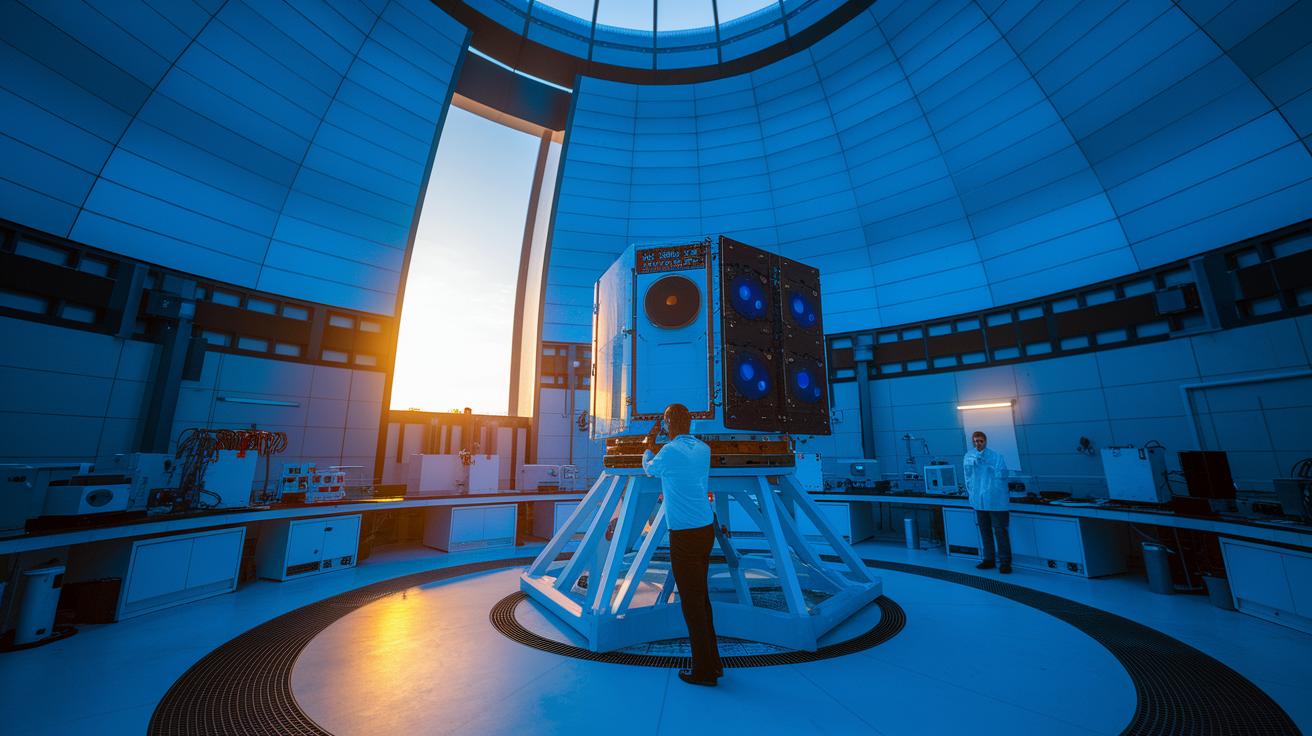
Earth Science Investigations
At Goddard, scientists mix new satellite methods with clever sensor technologies to keep a close watch on our climate and environment. They use super-cooled sensors (detectors kept very cold to lower noise) to pick up tiny details from the air and ground. Imagine a camera in slow motion, revealing small shifts in ozone like hidden moments in a lively scene.
Astrophysics and Heliophysics
The teams are making telescopes even better by adding cooled detectors (sensors cooled for extra clarity) and smart optical systems that cut out unwanted background noise. Their tools study the sun’s magnetic fields with fresh ways to calibrate data. Picture a telescope tuned so finely it can catch the softest shimmer of starlight, like listening to a quiet melody in a noisy room.
Planetary Science Projects
Robotic missions now sport next-generation tools that combine traditional remote sensing with tiny onboard labs (small devices that perform chemical tests). Engineers use these smart methods to take a closer look at surfaces on Venus, Mars, and asteroids. Think of it as a mini laboratory on a rover, carefully analyzing Martian soil like a well-prepared science kit.
Organizational Challenges and Future Planning at Goddard Space Flight Center NASA
The FY26 presidential budget request is putting a heavy strain on the center’s finances. The proposal suggests cutting overall NASA funding by 24% and slashing space science programs by 47%, which leaves Goddard facing some very tough choices. These cuts have already forced the center to reduce its workforce through mandatory layoffs and voluntary resignation programs. In addition, key facilities like the staff fitness center and the health centers at the Greenbelt and Wallops campuses are set to close. This financial pressure brings up worries about retaining experienced staff and keeping essential projects running smoothly.
Key parts of Goddard’s 20-year Master Plan include:
| Plan Component | Timeline/Notes |
|---|---|
| Facility Closures | Through March 2026 |
| Demolitions | Scheduled by 2037 |
| New Construction | Completion by 2037 |
| Workforce Programs | Voluntary resignation and DRP programs |
These planned changes are more than just numbers on a page. They will shape how the center works in the coming years. With fewer staff and the shutdown of key facilities, mission preparations might slow down, new technology developments could be delayed, and critical research may face setbacks. When experienced teams are split up, the loss of expertise can make managing complex projects even harder. The current challenge is to balance these financial and structural changes while still moving forward with groundbreaking space science. Every decision made now is a careful step toward preserving Goddard’s legacy and ensuring its long-term success.
Educational Outreach and Visitor Experience at Goddard Space Flight Center NASA
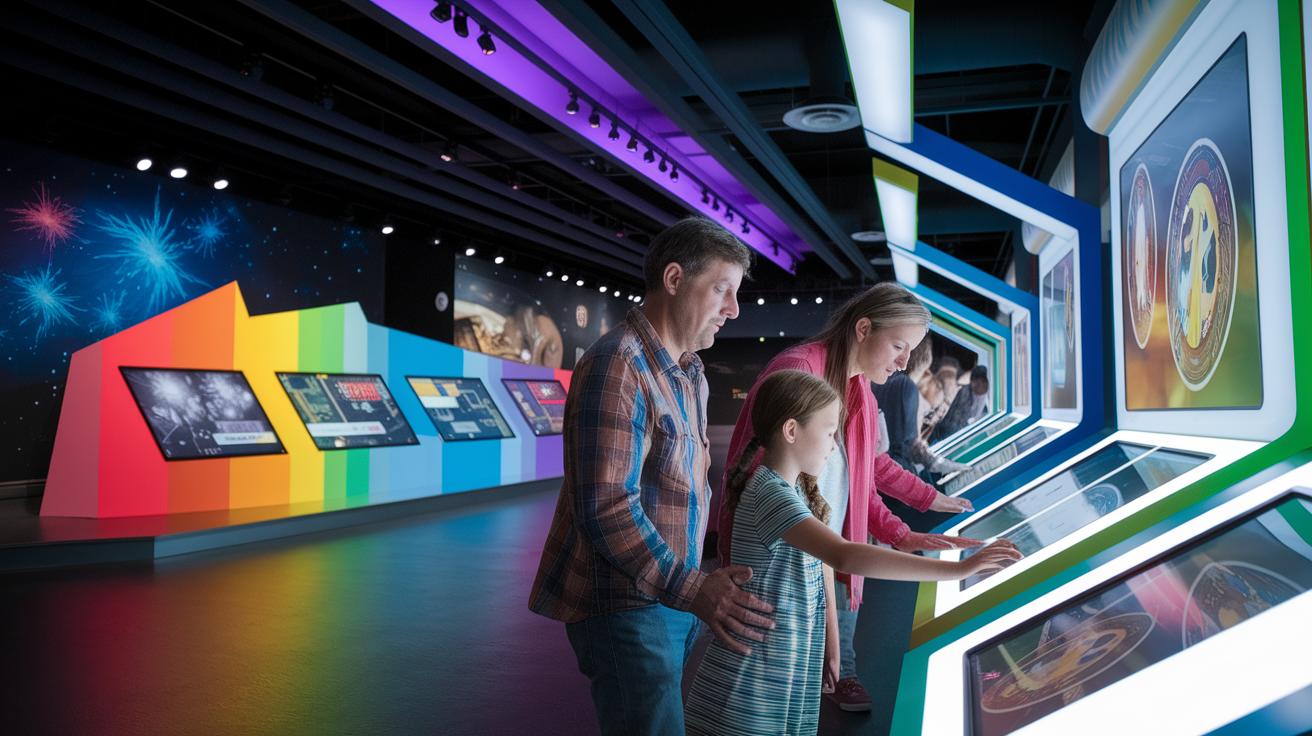
At Goddard, you can jump right into interactive exhibits that make space science feel exciting and real. The visitor center is filled with hands-on displays and ever-changing exhibits that help science come alive. You might even join a guided tour in the Science Visualization Studio, where experts explain tricky ideas using simple words and vibrant visuals. Imagine a tour guide saying, "Step into our studio and watch data transform like scenes in a classic silent film." And if you can’t make it in person, their virtual tour lets you explore at your own pace, from interactive kiosks to behind-the-scenes labs. These guided tours and digital experiences are all designed to spark your curiosity and deepen your understanding of space exploration.
Goddard also cares deeply about education and community outreach. The center runs STEM programs packed with hands-on activities, experiments, and fun demonstrations for schools. These workshops let students and teachers experience the thrill of space science in a way that fits different age groups. You can even set up a school visit, ensuring that everyone gets a taste of the excitement behind space discovery. One school coordinator might tell you, "Our recent visit turned complex space missions into experiments we could relate to, making science fun and approachable." From guided tours to STEM workshops, Goddard creates an engaging space where learning about space is both fun and easy to grasp.
Career and Internship Opportunities at Goddard Space Flight Center NASA
Goddard Space Flight Center welcomes students of all ages with a variety of internship programs. High school students, undergrads, and graduate candidates can jump into hands-on research and technical work in real projects. The summer research programs let you work on engineering, project management, and data analysis projects (that is, working with numbers and finding patterns). It’s all designed to build skills and spark a passion for science and engineering. Imagine a high school intern saying, "Working at GSFC felt like stepping into a live science experiment, every moment brought a new breakthrough."
GSFC also offers technical positions that can lead to exciting careers. From entry-level jobs in engineering and project management to roles focused on data analysis, there's a path for many interests. Job postings, salary details, and options for remote or on-site roles are all available on the NASA careers portal. If you ever need guidance, the support team is ready to help you navigate the application process. In truth, with the right tools and a little direction, anyone can start a rewarding science career.
Location and Access Details for Goddard Space Flight Center NASA
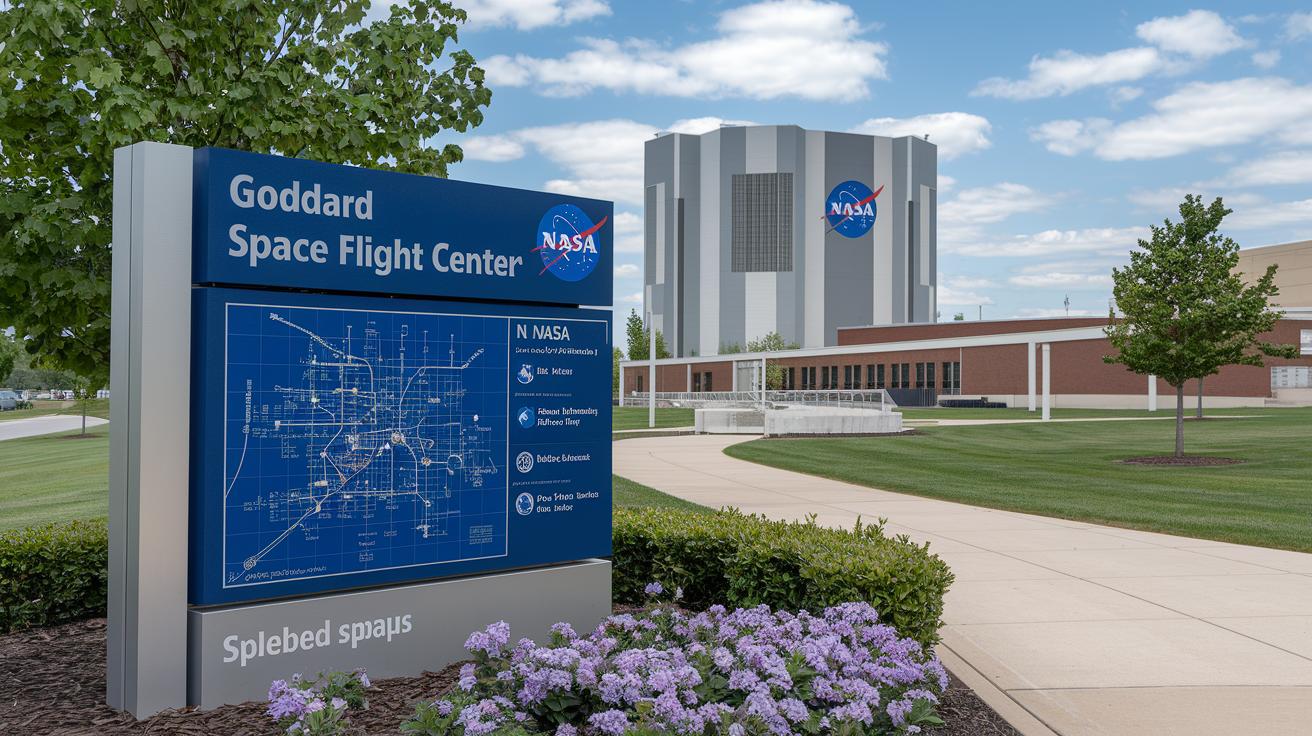
Planning a visit to the Goddard Space Flight Center? You'll find it at 8800 Greenbelt Road, Greenbelt, MD 20771. The campus welcomes guests during regular hours, and you can always check their website for any changes in operating times or special visitor details. Before heading out, it helps to look up the latest updates about the schedule to make the most of your trip.
Driving there is simple. Just follow the Capital Beltway and use Exits 23B or 24. If you prefer public transit, don’t worry, there are good options that cover the area too. And if you have any questions about directions or visitor logistics, there’s a phone number and an email contact available. This practical info makes it easy for everyone, from curious casual visitors to dedicated science fans, to enjoy the inspiring atmosphere at Goddard Space Flight Center.
Final Words
In the action, we explored the center’s mission and its rich legacy in space science. We covered major milestones, cutting-edge research, educational outreach, career opportunities, and visitor details that make science relatable in everyday life.
From pioneering telescopes to hands-on public programs, each section showed how transformative science can be when shared with the world. With goddard space flight center nasa at the helm, the future shines bright.
FAQ
What is the location of NASA’s Goddard Space Flight Center?
The Goddard Space Flight Center is located at 8800 Greenbelt Road, Greenbelt, MD 20771, serving as a hub for vital space science research and mission support.
What is the operating status of the Goddard Space Flight Center?
The center maintains full operational status, supporting Earth and space science research, developing instruments, and managing flagship missions actively.
How do reports about layoffs affect the Goddard Space Flight Center?
Layoff reports reflect staffing adjustments related to budget shifts, yet the center continues to focus on essential research and mission operations.
Is the Goddard Space Flight Center closing?
The center is not shutting down permanently; planned facility changes under its long-term Master Plan are part of routine organizational updates.
What experiences does the Visitor Center at Goddard Space Flight Center offer?
Visitors enjoy interactive exhibits, guided Science Visualization Studio tours, and informative displays that highlight NASA’s research and major space missions.
Who is NASA’s Goddard Space Flight Center named after?
The center is named in honor of Robert H. Goddard, a pioneering rocketry expert whose early work laid the groundwork for modern space exploration.
How can I access a map for the Goddard Space Flight Center?
Maps and detailed driving directions are available online on official NASA sites, which provide helpful visual guides and location specifics.
What is the zip code for the Goddard Space Flight Center?
The designated zip code for the center is 20771, corresponding to its location in Greenbelt, Maryland.
What happens at NASA’s Goddard Space Flight Center?
The center drives cutting-edge research in Earth, space, and planetary sciences, designs advanced instruments, and manages major missions like the Hubble and OSIRIS-REx projects.
Why is NASA associated with the name Goddard?
NASA is linked with Goddard because the center honors Robert H. Goddard, whose groundbreaking rocketry research significantly advanced the field of space exploration.