
Have you ever wondered if a warmer Earth could be stirring up more wild weather? When air and water heat up, they mix together like water bubbling in a pot, sometimes causing big storms and heavy floods. As our planet gets warmer, these events become stronger and might happen more often, leaving marks on our communities and the land we live on. In this article, we explore how even small increases in temperature can boost the power of weather events and why taking action soon might help create a brighter future for everyone.
How Climate Change Intensifies Natural Disasters
As our air and water warm up, our weather really starts to change. Warmer conditions mean the air can hold a lot more moisture (tiny water bits that form clouds). This extra moisture feeds stronger storms and can stretch out dry spells when rain is hard to find. When folks chat about climate change, they’re talking about these shifts in temperature and weather, just like what’s explained in "what is climate change" (https://buzzyandclever.com?p=180).
Since 1980, big hurricanes in the Atlantic have not only become more common but are also causing three times more damage than they did a hundred years ago. Rising sea levels – over half a foot since 1900 – make coastal flooding during storm surges even worse. Warm waters speed up winds and trigger longer, heavier rains, which can lead to severe floods and landslides. This mix of heat, strong wind, and extra water really ups the risk for people living in disaster-prone areas.
Overall, warmer temperatures clearly connect to more extreme weather events. Hotter air and water feed powerful hurricanes and heavy floods while also making droughts and wildfires occur more often. As our planet heats up, we can see a clear pattern: natural disasters are becoming stronger, more frequent, and more dangerous. It’s a stark reminder that the warming of our climate is changing the world of natural disasters.
Mechanisms Linking Climate Change to Extreme Weather Events
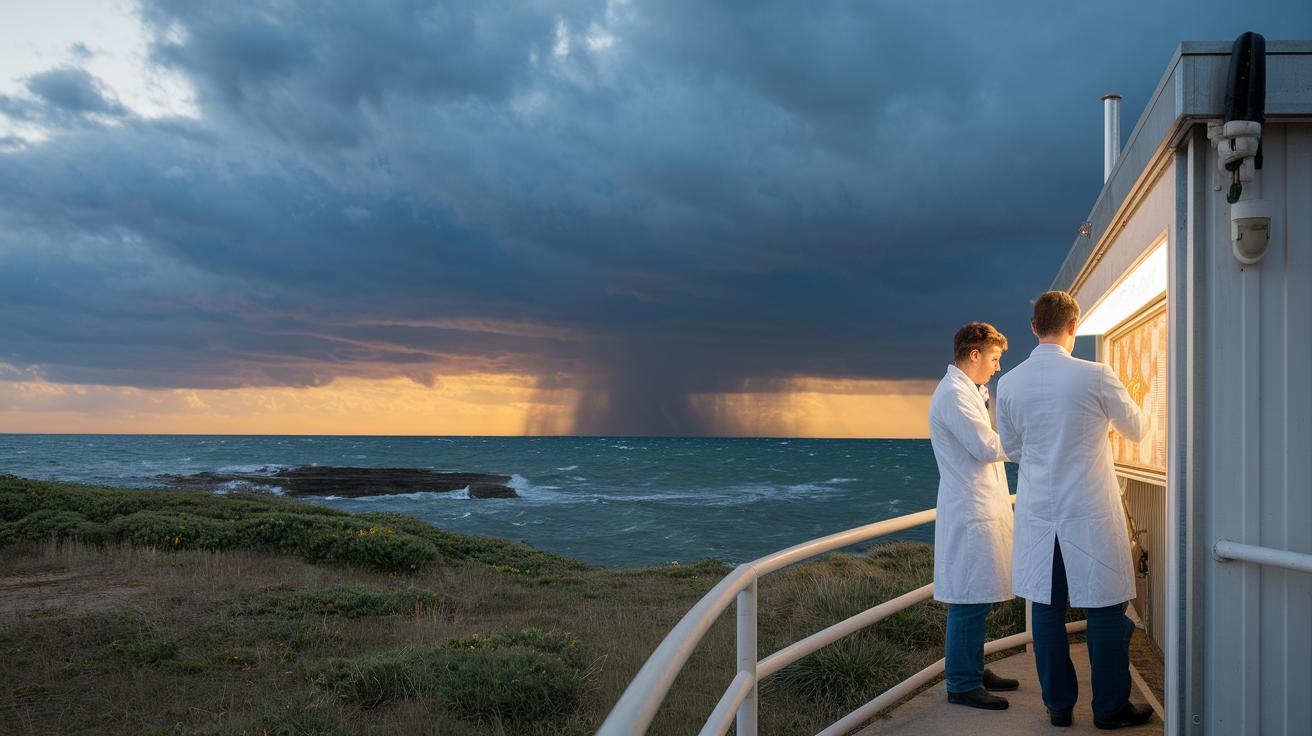
Our planet is warming, and even small temperature shifts can power up extreme weather. Warmer air and water, and rising sea levels, give storms an extra kick, making them stronger and dumping even more heavy rain. Understanding these processes is key to sparking smart, positive action.
Atmospheric and Oceanic Temperature Increases
When air and water heat up, storms get a burst of energy, almost like adding fuel to a fire. For example, a 1°C rise in sea surface temperature can bump up hurricane wind speeds by about 5%. Plus, warmer air can hold roughly 7% more moisture with every extra degree, leading to heavier rains when storms roll in.
Rising Sea Levels and Storm Surges
Sea levels are projected to climb another 1 to 2.5 feet this century. This extra water makes coastal flooding during hurricanes even worse. More water means stronger storm surges, driving floods further inland and increasing the damage in coastal communities.
Feedback Loops and Permafrost Thaw
Warming also sets off natural cycles that can spell trouble. As permafrost (frozen ground that has been intact for centuries) thaws, it releases greenhouse gases that further heat the planet. This cycle makes weather extremes even more intense, reinforcing the conditions that power up these storms.
Together, these mechanisms show clear connections between climate warming and more severe weather events. It really makes you think about the proactive steps we need to take.
Trends in Climate Change and Natural Disaster Frequency and Severity
Recent data shows that extreme weather events are really picking up pace. Atlantic hurricanes, for example, have doubled since 1980, and they now cause almost three times as much damage compared to a century ago. In 2024, the U.S. experienced 27 weather and climate disasters worth billions of dollars – costing about $182.7 billion and sadly taking 568 lives. Plus, we've seen storms suddenly speed up, with winds ramping up by over 40 mph in just one day!
Our look at the numbers tells us that higher temperatures are shifting disaster trends everywhere. From powerful storms and severe floods to long spells of drought, communities are feeling the heat, both in their wallets and their everyday lives. This means our roads, hospitals, and even our homes are under more pressure than ever before. It’s a wake-up call to rethink how we manage flooding and prepare for the next big disaster.
- Cyclone Idai (Mar 2019): Over 1,000 lives lost and widespread damage to buildings and roads
- Australian wildfires (early 2020): 10 million hectares burned, 28 lives lost, and about 1 billion animals affected
- South Asia monsoon floods (recent decade): Approximately 12 million people forced to leave their homes
- Central America Dry Corridor drought (ongoing): A 6-month drought impacting 3.5 million people who depend on agriculture
| Year | Event Type | Cost (USD B) | Fatalities |
|---|---|---|---|
| 1980 | Major Storms | N/A | N/A |
| 2023 | Climate Disasters | ~170 | Data Unavailable |
| 2024 | Weather Disasters | $182.7 | 568 |
All these trends point to one clear lesson: as the planet warms up, we can expect even more intense and costly disasters in the future. It's a call for us to build stronger, smarter, and more ready communities so that we can face these challenges head-on.
Socioeconomic and Ecological Impacts of Climate-Driven Disasters
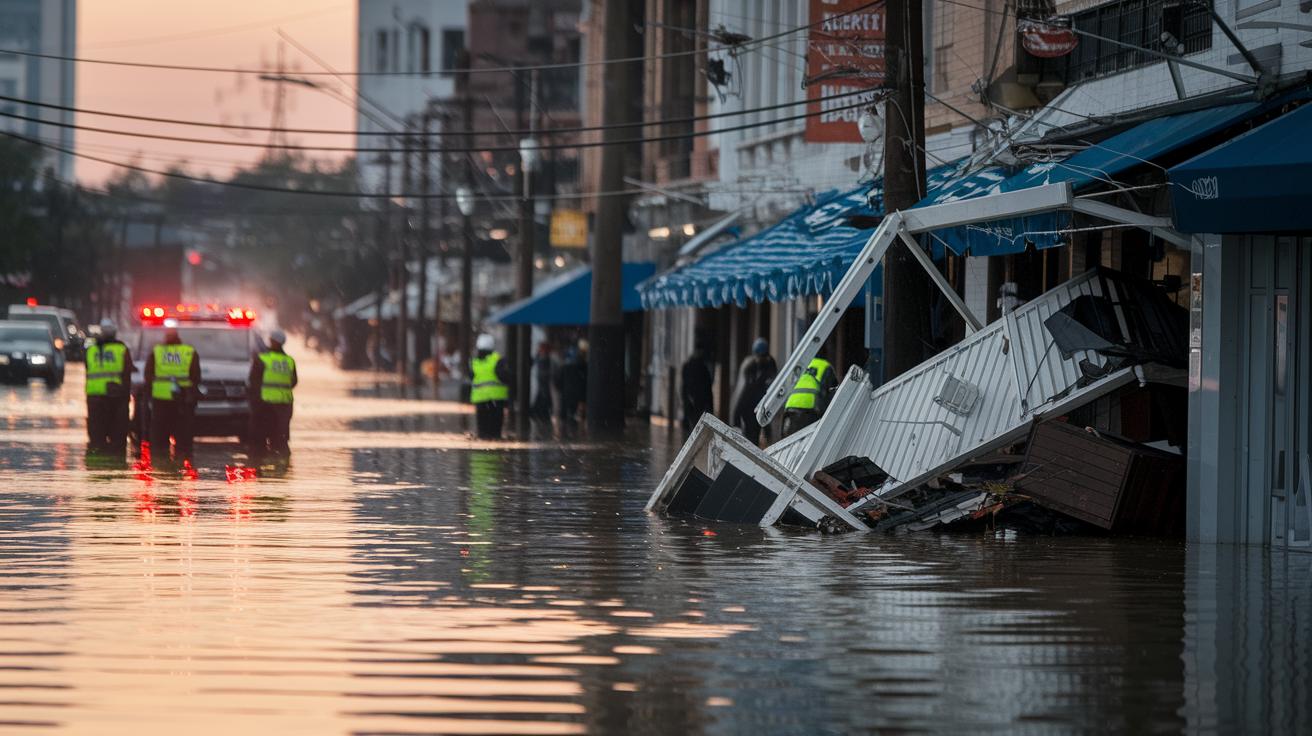
Climate-driven disasters hurt both society and nature in big ways. They don’t just smash buildings; they leave people with long-term money problems and force natural changes that can affect our everyday lives. When communities lose homes and essential services, the impact goes far beyond the immediate damage.
Direct Economic and Infrastructure Losses
Since 1980, hurricanes have caused more than $1.5 trillion in damages. On average, each storm ends up costing about $23 billion, with some events like Hurricane Harvey hitting nearly $190 billion. When these terrible storms hit, insurance claims shoot up and rebuilding takes a long time. This heavy financial burden can push families and local governments to their limits, making it hard for everyone to recover quickly.
Human Displacement and Public Health
Disasters often force many people to leave their homes, breaking up neighborhoods and stressing public health services. For example, severe droughts in East Africa left around 15 million people in need, even though they received only a small portion of the help required. Beyond losing their homes, affected people may have to deal with long-lasting health issues, such as stress-related illnesses and reduced access to medical care, which makes bouncing back even more challenging.
Ecological and Biodiversity Impacts
Natural disasters don’t just affect our communities; they also change nature in big ways. Huge fires, like the ones in Australia during 2020 that burned over 10 million hectares and harmed nearly a billion native animals, can permanently alter natural habitats. The loss of species and long-term shifts in ecosystems disturb the balance of nature, and these changes impact both wildlife and the people who rely on natural resources every day.
Risk Reduction Strategies for Climate-Exacerbated Disasters
We can make our communities safer by first strengthening the places we live and work. Local and state groups, along with federal programs, are updating building rules in areas where bad weather is common. They’re also switching to renewable energy (clean energy sources like wind and solar) that cuts air pollution and helps power tougher systems. These steps strengthen our buildings and public utilities so they can better handle extreme weather and keep our communities safe.
Another key idea is to get ready before a disaster happens. Advanced warning systems and better weather forecasts give people enough time to set up safety plans. Regular drills and clear messages help folks know the best evacuation routes and what to do when trouble comes. This preparation not only lowers injuries and losses but also helps communities bounce back faster after disasters.
A mix of nature-focused and tech-savvy methods is also making a big difference. For example, restoring wetlands and reconnecting floodplains naturally slows rising waters and eases storm surges. At the same time, modern sensors and real-time data tools provide quick updates during emergencies. By joining these strategies, we shield our communities from immediate dangers while also taking care of our natural environment, setting up a balanced and strong system for the future.
Policy and Community Resilience in the Age of Climate Change and Natural Disasters

World leaders are now setting up rules to guide where money goes to make our communities safer. For example, plans like the Sendai Framework help us tackle disaster risks by pooling ideas, guidance, and funds. With green climate funds and partnerships between public and private groups working together, projects get the cash they need to help places adjust to weather changes. In short, these efforts try to reduce the financial hit of wild weather and push us toward ways of living that protect our lives and homes.
At the local level, officials are inviting everyone to join in planning for emergencies. They roll out simple public awareness steps and listen to community ideas on how best to handle risks. When neighboring regions work together, they can build stronger buildings and put sustainable habits into practice. This kind of teamwork not only brings people closer but also makes us all more ready for what’s ahead.
Final Words
In the action, the article walked us through how rising temperatures stir up more vigorous storms, heavier rains, and tougher challenges for communities. It broke down how warming air and seas can speed up extreme events, underscoring the link between changes in our climate and natural disasters.
The discussion pointed out real numbers and solid examples, reminding us that every step toward resilience matters. It's a positive nudge to think smart, act early, and work together for a safer future.
FAQ
What content does the climate change and natural disasters PDF contain?
The climate change and natural disasters PDF explains how warming trends intensify storms and droughts while outlining management practices to protect communities during extreme weather events.
What is covered in the climate change and natural disasters essay?
The climate change and natural disasters essay explains how rising temperatures alter weather patterns, leading to stronger storms and floods, alongside insights into risk management and resiliency strategies.
What is the relationship between climate change and natural disasters?
The relationship between climate change and natural disasters is that higher temperatures boost storm energy and rainfall, while rising sea levels worsen flooding, making disasters more frequent and severe.
What does the climate change and natural disasters project explore?
The project explores how increased air and water temperatures contribute to stronger storms, prolonged droughts, and heavier rainfall, offering real-world data on global warming’s role in disaster escalation.
What is the difference between climate change and natural disasters?
The difference is that climate change refers to long-term shifts in weather due to human activities, while natural disasters are sudden events like floods and storms that cause immediate harm.
What recent natural disasters have been caused by climate change?
Recent natural disasters driven by climate change include intensified hurricanes, severe floods, prolonged droughts, and extensive wildfires, all linked to rising temperatures and altered weather patterns.
What are examples of climate-related disasters?
Examples of climate-related disasters include powerful hurricanes, heavy rainfall floods, extended droughts, and major wildfires that result from rising temperatures and shifting weather conditions.
What does the climate change and disaster management PDF include?
The climate change and disaster management PDF details strategies for reducing risk, such as improved building codes, early warning systems, and community preparedness to withstand extreme weather.
How does climate change impact natural disasters?
Climate change impacts natural disasters by raising temperatures that boost storm energy and moisture in the air, leading to more intense and frequent extreme weather events like floods and hurricanes.
Which natural disaster is most likely to be influenced by climate change?
Floods are most affected by climate change since higher rainfall intensities and rising sea levels contribute to more severe coastal and river flooding events.
What natural disasters have occurred because of global warming?
Global warming has led to extreme weather events including stronger hurricanes, widespread floods, extended droughts, and significant wildfires, all of which are fueled by rising temperatures and increased moisture.
Is climate change making tornadoes worse?
Climate change may impact tornadoes by altering atmospheric conditions, but current studies show a clearer link with more intense hurricanes and floods, leaving the direct effect on tornadoes under review.