
Have you ever wondered how machines might totally change the way scientists work? New lab automation tools are giving researchers a fresh way to run experiments both faster and with more care. Robotic arms now handle the everyday tasks, while smart software takes care of gathering and checking data (that means making sure the results are good). This smart use of tech cuts down on repetitive work, letting scientists dive into the creative parts of their research. In this article, we explore how today's lab automation is reshaping science, it’s all about mixing speed with accuracy, a combo that might soon become the everyday way of doing things in the lab.
How Advances in Lab Automation Drive Research Efficiency
Lab automation is helping scientists work smarter by taking care of the boring, repetitive tasks. This means experiments are run more accurately with less hassle. For instance, the Green Button Go Scheduler and Orchestrator plan out experiments and connect each step all on their own. They work by using advanced lab machines with robotic arms (robotic systems that handle tasks like sample prep and instrument calibration), which also keep the data accurate and safe. Automated inspection modules even check on samples in real time, so tasks are done right the first time without someone having to watch every detail.
Pre-configured lab workcells (ready-to-go lab setups) let researchers easily adjust to different experiment needs and budgets. Modern liquid handling systems deliver precise pipetting and chemical dispensing, which cuts down on mistakes and makes results more consistent. AI, or smart software, speeds up the process of designing, making, testing, and analyzing experiments by spotting potential issues early and helping collect data faster. Plus, when these systems work with cloud-based data management, all the experiment results and related information stay organized and secure. Labs can even run their equipment overnight and on weekends, making the most of every machine.
Built-in features like the 21CFR11 Manager keep detailed electronic records that meet FDA (Food and Drug Administration) rules. This helps ensure every experiment is both safe and reliable. These automated systems don’t just keep things moving, they make sure every step follows strict standards. As a result, labs work faster, with fewer errors, and produce more reliable results. And really, every small improvement in lab automation helps fuel new scientific discoveries that can change the way we understand the world.
Robotics and Mechatronics Powering Lab Automation
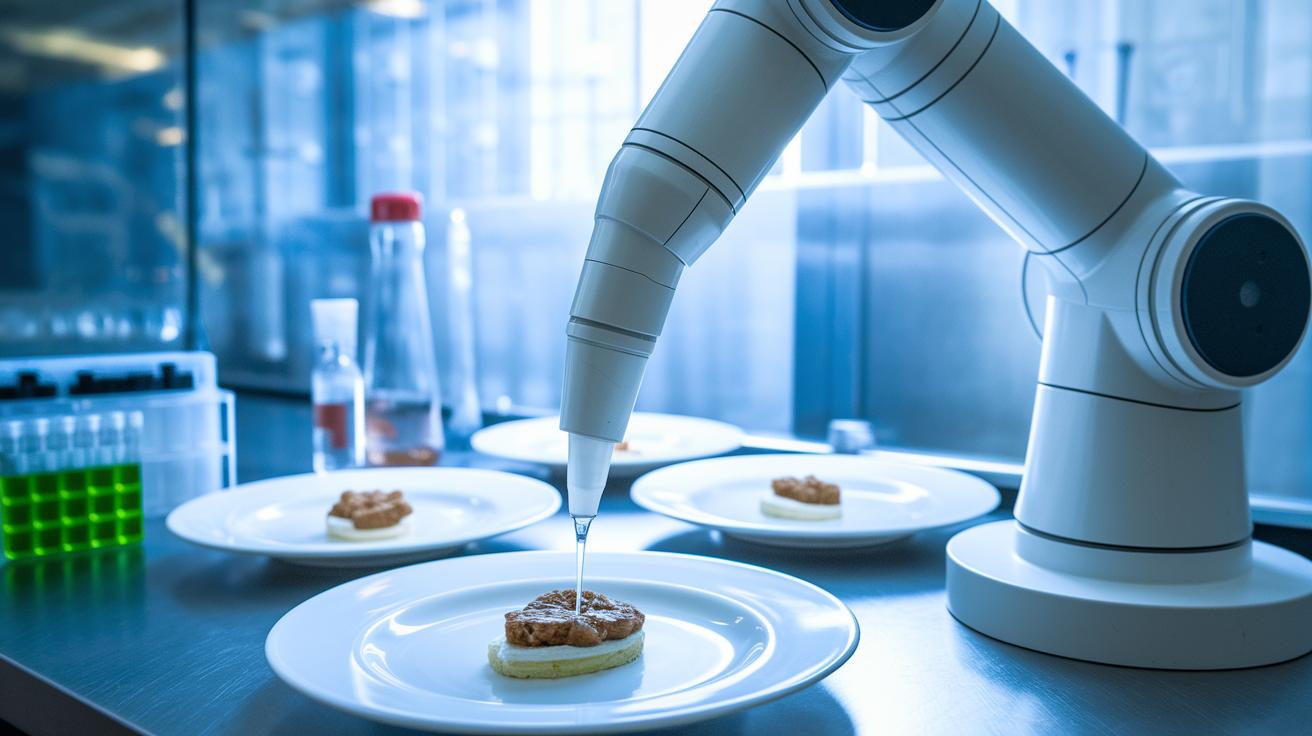
Imagine a robotic arm that can pipette with the care and accuracy of a master chef drizzling the perfect sauce on a gourmet dish. Mobile and stationary robots are completely changing how labs run. They take on everyday tasks like preparing samples, handling plates, and pipetting (moving small amounts of liquid) with surprising ease. New lab machines use smart technology to simplify even the most routine work.
For example, these systems connect with one click and use vendor-agnostic agents (software made to work with many products) to operate pipettes effortlessly. This makes it easy for different instruments to join in and work together in what we call robotic workcells. It’s a bit like snapping puzzle pieces together perfectly.
Mechanical arms fitted with force-sensing tools (devices that measure how much pressure is applied) handle liquid transfers with amazing precision. Think of it like a skilled painter carefully adding delicate brush strokes to a canvas, each move thoughtful and exact. Meanwhile, smart inspection modules keep an eye on each step in real time by scanning barcodes and QR codes. This constant monitoring helps update sample and freezer managers, which cuts down mistakes and speeds up the whole process.
Advanced software ties these systems together by linking complex lab tasks with simple, intuitive interfaces. Robotic high-throughput labs, like those at Eli Lilly, show just how powerful these mechatronic solutions can be, managing over 5 million compounds without breaking a sweat. It’s the perfect combo of sturdy hardware and clever software, ensuring lab tasks scale up smoothly and precisely.
Liquid Handling and Microfluidics in Lab Automation
Automated liquid handlers work much like your trusty kitchen scale, measuring out every drop of chemicals with striking accuracy. They use pipettes (small tools for moving liquids) in a very controlled way, so you know each drop is exactly as it should be. Picture a technician saying, "Watch this, it's as if a painter is making the perfect brush stroke on a canvas!"
Microfluidic chips are another amazing breakthrough. These little circuits shrink lab tests (assays are experiments) down to a very small size, which means labs use fewer chemicals and save money in areas like drug discovery, cell biology, and diagnostics. When you merge precise fluid control with these tiny channels, labs get to run tests quickly and cost-effectively.
High-throughput screening systems also play a key role here. They let scientists run lots of tests, like those studying genes (genomic) or proteins (proteomic), on tiny plates and integrated circuits. This smart technology speeds things up and increases the number of tests done in one go.
In a field called immunohistochemistry (IHC, where antibodies help spot proteins in tissue), automation cuts processing time by about 15% and slashes slide costs by nearly 37%. That means labs save both time and money while still getting solid, reliable results.
All in all, innovative liquid handling and microfluidic integration are transforming laboratory work. They make processes faster, cheaper, and more efficient, bringing a bit of everyday magic to the world of science.
AI Analytics and Digital Workflows in Lab Automation
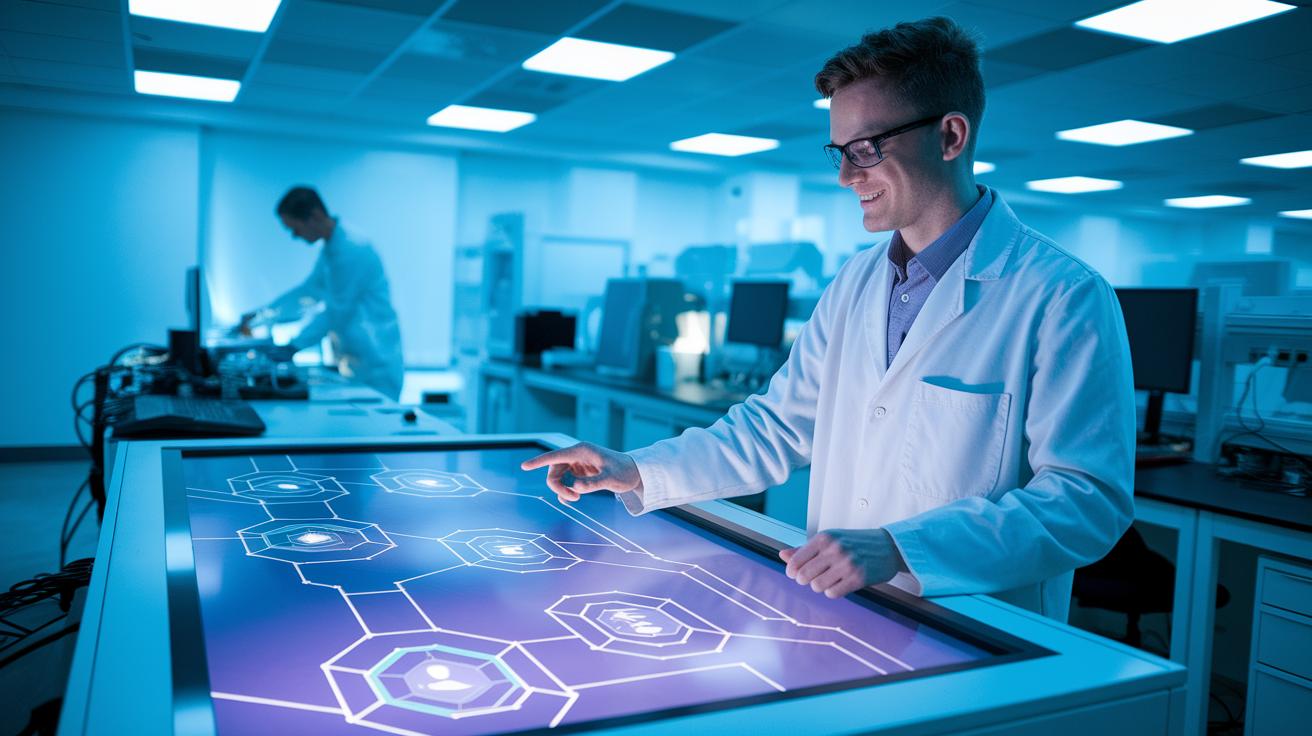
LabOS mixes together all kinds of lab apps, instruments, and data processes in one smart system. With no-code or API-configurable parts for LIMS, LIS, and QMS, researchers can set up workflows quickly. Just imagine a lab where every test, measurement, and note connects into one smooth network, it’s like magic without the tech headaches.
Tools like Jupyter Notebook, R Studio, and GPT-4 let scientists plan experiments and look at data in clear ways. Picture a researcher saying, "This chart blew my mind!" as the software uncovers hidden patterns and guides the next move. It’s amazing how these programs turn raw numbers into easy-to-read visuals that help labs decide their next steps.
Cloud-based lakehouses and shared spaces for planning experiments make it simple and safe to work from anywhere. When data is stored in the cloud, it stays secure and easy to check, meaning experiments can be repeated exactly as planned. The whole process stays solid and true from start to finish.
AI-powered analytics and digital workflow tools are changing how labs grab and use data. They piece together information so that every part of a study fits perfectly. LabOS shows how data-driven discoveries can fuel science breakthroughs by turning complicated numbers into simple dashboards that speed up research and refine each experiment.
Orchestration and Quality Control in Lab Automation
The Green Button Go Orchestrator is busy keeping experiments on schedule and connecting different instruments so lab work flows smoothly. Record keeping gets a big boost from the 21CFR11 Manager, which creates digital logs (audit trails that show who did what) to keep data true and secure.
To keep quality top-notch, labs are using automated methods to sort specimens and handle samples one by one. One lab even managed to cut mix-ups during clinical tests, and a technician mentioned, "Our improved segregation process cut mistakes by nearly 40% overnight!"
Now, workflow automation links sample tracking, inventory updates, and instrument communication into one neat system. This setup makes it easy to see quality control in action and really stands out from the basic strategies we looked at before.
Case Studies and Future Trends in Lab Automation
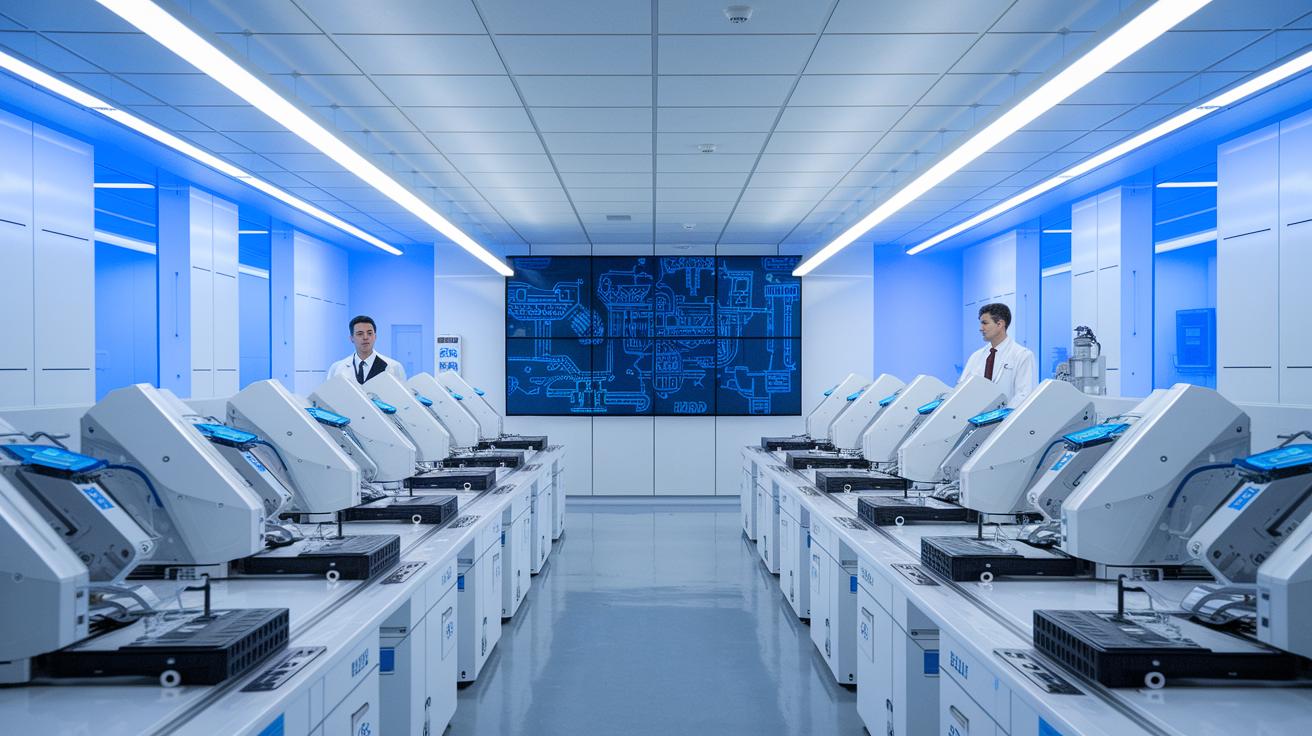
Eli Lilly's lab in San Diego is doing something really cool. They use over 100 machines to automatically test more than 5 million compounds. This smart system speeds up gene studies and helps scientists focus on the data. Meanwhile, IBM’s RoboRXN facility in Zurich features AI-powered robots that plan and carry out chemical reactions perfectly. These advances are shaking up how labs work by blending robotics with live data tracking.
A project from Liverpool adds an extra spark. Researchers there use 1.75-meter-tall mobile robots to explore new ways of doing chemistry. They even test ideas on a digital "virtual bench" before trying them in the actual lab. High-quality imaging systems capture every tiny detail during these tests. In fact, these cameras help gather clear data, ensure checks are solid, and cut down on mistakes. One lab even uses cloud-connected sensors to share data instantly, making sure nothing gets missed.
Looking ahead, soft robotics is on the rise. Experts predict these flexible robots could grow about 35% each year from 2022 to 2027. This trend offers a gentle touch for delicate tasks. Plus, digitization is making labs greener by using equipment more efficiently, managing waste wisely, and meeting new eco-friendly goals. In the near future, labs might even run themselves almost entirely. This will boost both safety and efficiency in scientific research.
Final Words
In the action, our article examined how lab automation boosts research with modern robotics, precise liquid handling, AI analytics, and smooth workflows. We broke down each step, showing how tailored systems boost productivity and maintain data integrity.
Our discussion highlights advances in lab automation: breakthrough technologies for scientific research that simplify complex methods and drive efficiency. This positive shift supports a future where science becomes even more accessible and engaging for everyone.
FAQ
What benefits do modern lab automation systems offer in research?
Lab automation systems boost research efficiency by automating repetitive tasks, improving data accuracy, and extending equipment hours. They help researchers complete experiments faster and maintain high standards of data integrity.
How do robotics and mechatronics improve lab precision?
Robotics and mechatronics enhance precision by automating tasks like sample handling and pipetting. Mobile and stationary systems, along with force-sensing mechanisms, ensure accurate liquid transfers and reliable experiment setups.
What advances in liquid handling and microfluidics impact laboratory work?
Advances in liquid handling systems deliver precise pipetting and reagent dispensing, while microfluidic chips enable miniaturized assays. These innovations reduce reagent use and improve throughput in experiments like drug discovery or diagnostics.
How do AI analytics and digital workflows speed up lab research?
AI analytics and digital workflows collect and process experimental data quickly. They offer enhanced visualization tools and cloud-based access, making it easier for scientists to spot trends and optimize resources during experiments.
What role does quality control play in modern lab automation?
Quality control in lab automation ensures that processes meet regulatory standards. Automated scheduling, electronic records, and real-time sample tracking all work together to reduce errors and maintain consistent, reliable results.
What future trends are shaping the development of lab automation platforms?
Future trends include the integration of more AI-driven tools and advancements in robotic systems. These trends aim to increase throughput and flexibility while supporting sustainability and automated risk management in lab environments.

