
Have you ever thought about computers leading space missions? AI in space exploration is turning what once sounded impossible into a real possibility. Smart systems handle tons of data from rovers, satellites, and sensors, helping to make choices faster and safer. This cool technology not only boosts mission success but also improves safety for astronauts and reliability for machines. By easing tasks like planning trips and processing images, AI is helping us move further into space, one step at a time.
How Artificial Intelligence Is Transforming Space Exploration Today
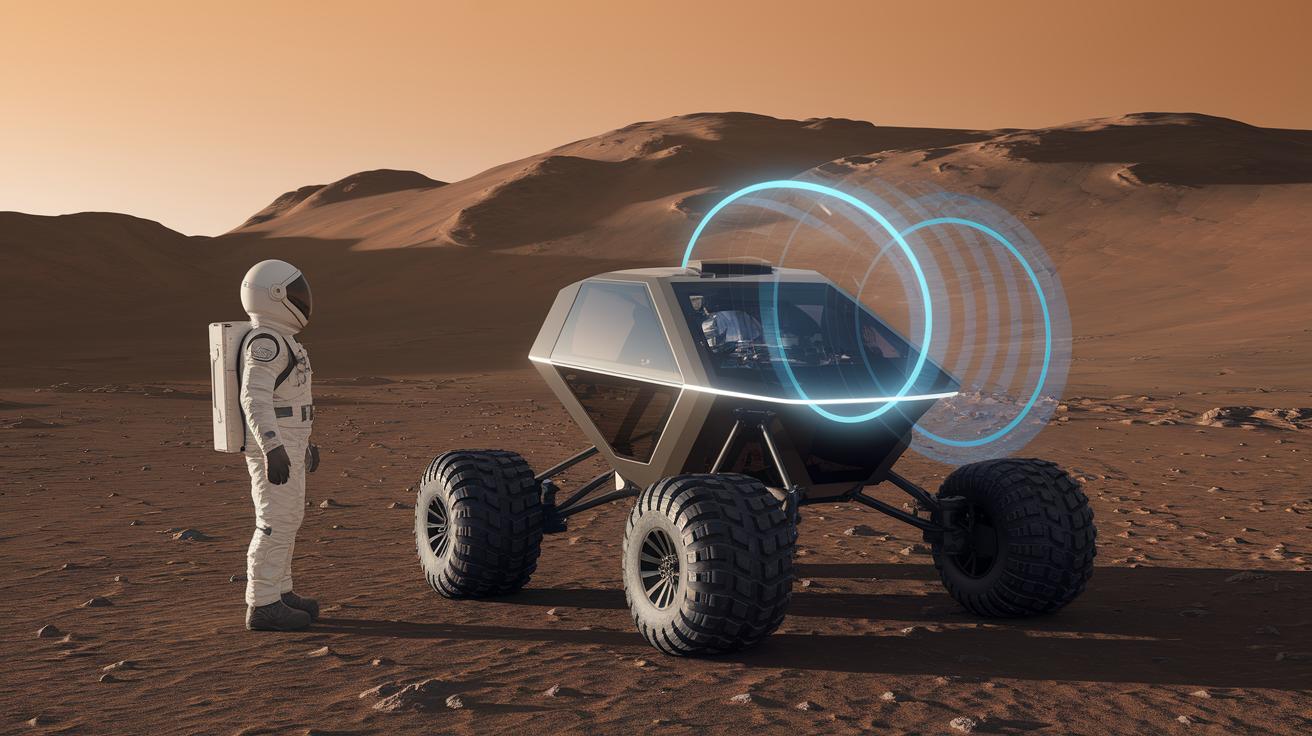
Artificial intelligence in space exploration is all about smart computer systems and advanced algorithms that help us uncover the secrets of the cosmos. These systems sift through huge amounts of data from satellites, rovers, and sensors to guide critical decisions. They learn from past patterns and experiences, which means they support navigation, keep an eye on equipment health, and even help keep astronauts safe. In short, AI makes space missions run smoother and more reliably, letting us explore deeper without needing someone to manually control every step.
Modern space missions use AI in several really cool ways. It speeds up decisions, cuts down on risks, and lightens the load on our human experts. Here’s a look at some of the key functions AI brings to the table:
- Autonomous navigation on Mars rovers
- High-speed satellite imagery processing
- Predictive spacecraft maintenance
- Astronaut safety monitoring
- Tasks handled by robonauts and other robotic assistants
- Managing life-support environments
- Mission planning and simulation
These AI capabilities mean fewer times when humans have to jump in to adjust things, which in turn bumps up the mission success rate. For example, Mars rovers like Curiosity and Perseverance can figure out safe paths on their own by analyzing the terrain on the fly. Imagine a rover spotting a risky rock formation and instantly choosing a smoother, safer route. At the same time, fast satellite imagery processing turns reams of data into clear insights for tracking climate shifts or unexpected space events. Meanwhile, predictive maintenance catches tiny issues before they grow into big problems, and wearable sensors help keep astronauts in tiptop shape. All in all, these AI-driven tools let us push the limits of space exploration while making sure our missions are both precise and resilient.
Artificial Intelligence in Space Mission Planning and Analytics
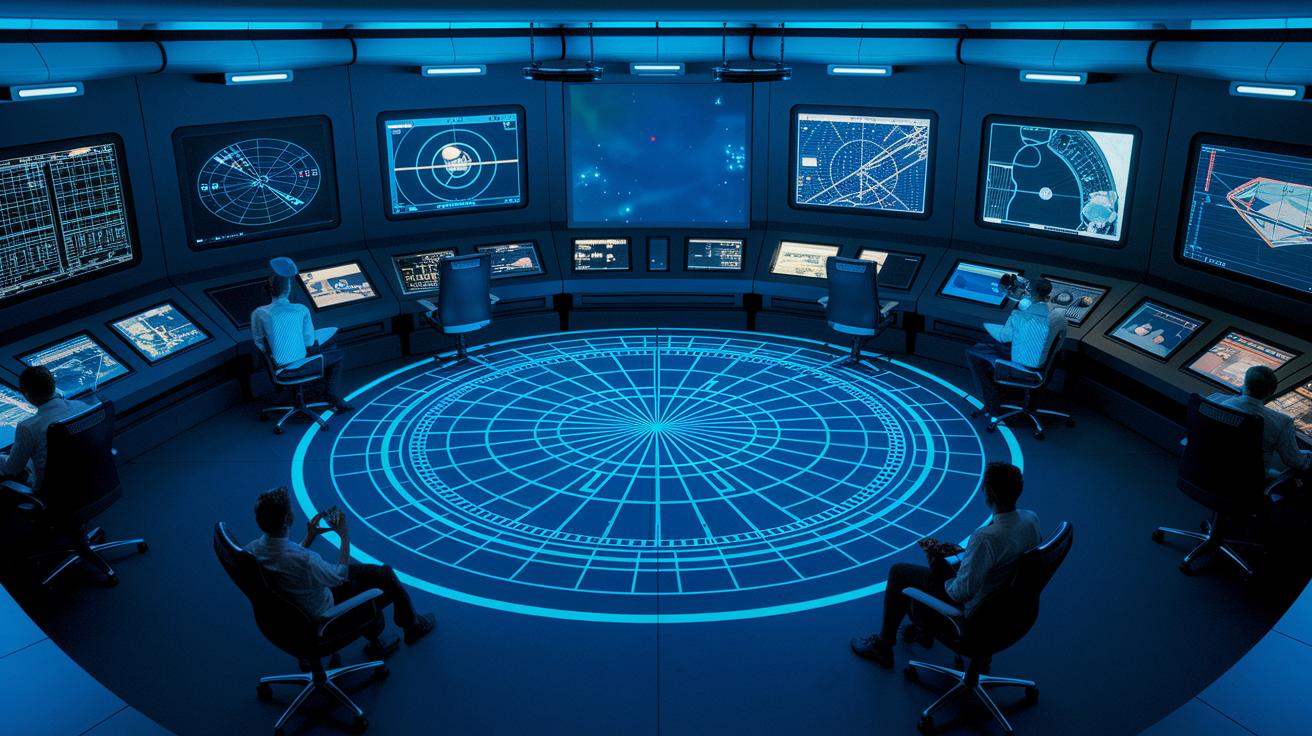
AI-driven simulation environments are changing the game for planning space missions. These smart systems let mission teams test countless flight paths and determine the best ways to save fuel and cut down travel time. By running thousands of simulations, they give clear insights into the best routes and how to manage key resources. This hands-on approach helps planners check different mission ideas and understand risks, so they can design flight plans that really work.
Adaptive algorithms are at the heart of this process, analyzing multiple scenarios all at once. They adjust life-support and engine systems in real time, which means they can simulate various atmospheric conditions and how engines might perform under those changes (like testing different ingredients in a recipe). For example, tools such as the space engine help check that habitats stay safe and vehicles run smoothly, even when conditions shift. This flexible method sharpens propulsion strategies and keeps environmental controls tuned perfectly during the mission.
At mission control centers, AI-assisted dashboards offer real-time decision support that truly transforms space mission management. These interactive displays pull in constant data from onboard sensors and machine learning models (systems that learn from data) to help crew members spot when changes are needed, right then. By blending complex analytics into easy-to-read visuals, the dashboards let teams react quickly to unexpected events. The result is a smoother operation and a lighter workload for everyone involved, empowering the team to make fast, informed decisions.
Autonomous Spacecraft and AI-Driven Robotics in Space Exploration
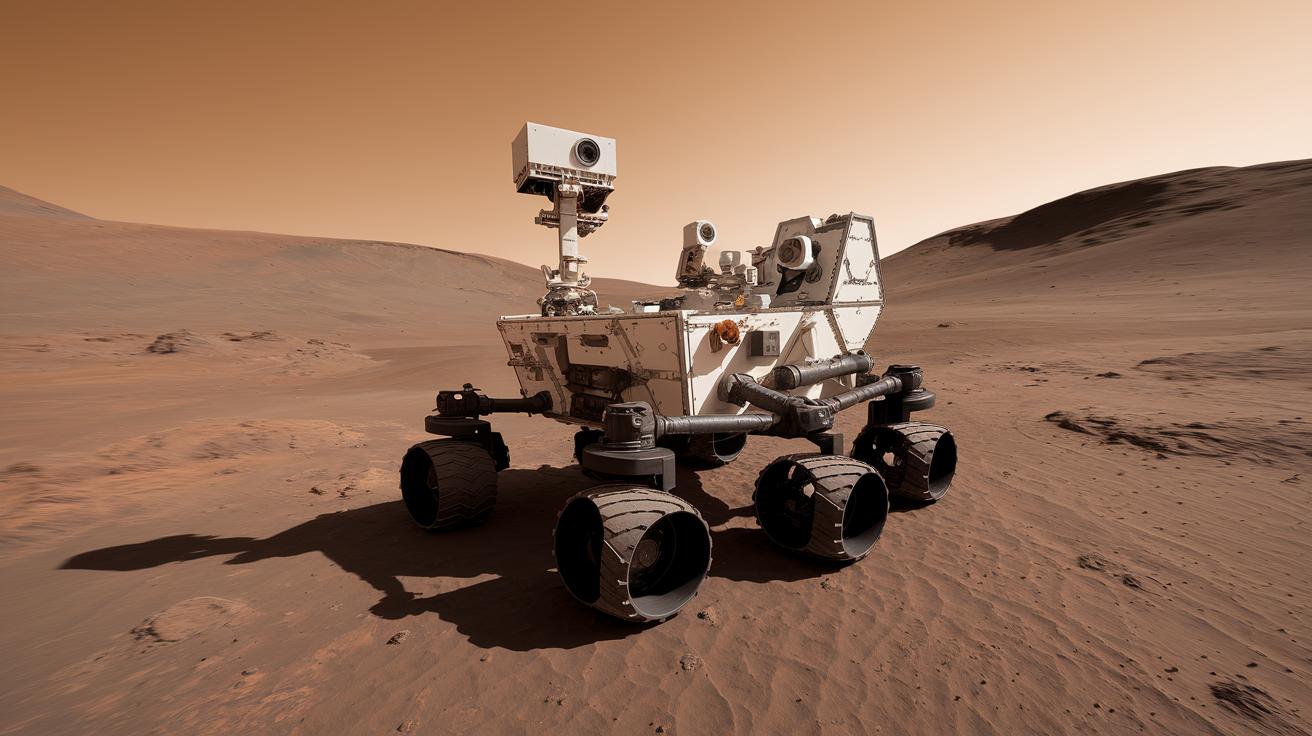
Recent space missions are leaning on smart AI and robotics to cut down on the need for constant human attention. For example, Mars rovers now use computer programs (terrain-analysis algorithms) to steer clear of hazards, and NASA’s Robonaut is busy handling maintenance on the space station. These early successes show that autonomous systems can navigate and work with impressive precision.
New innovations like swarm robotics and AI-guided drones are stepping into the spotlight. These devices act like a well-coordinated team, sharing live sensor data to monitor and repair spacecraft components in orbit. Fun fact: a team of these drones can complete delicate spacecraft repairs in nearly half the time one solo robot would take. Lab experiments confirm that subtle readings from temperature and vibration sensors help these drones quickly adjust their roles during complex tasks.
Field tests have further demonstrated that groups of small AI-powered drones boost both efficiency and safety. This teamwork lightens the load for astronauts and mission controllers alike, paving the way for quicker, more dependable space repairs and system checks.
Data Analysis and Cosmic Discoveries with AI in Space Exploration
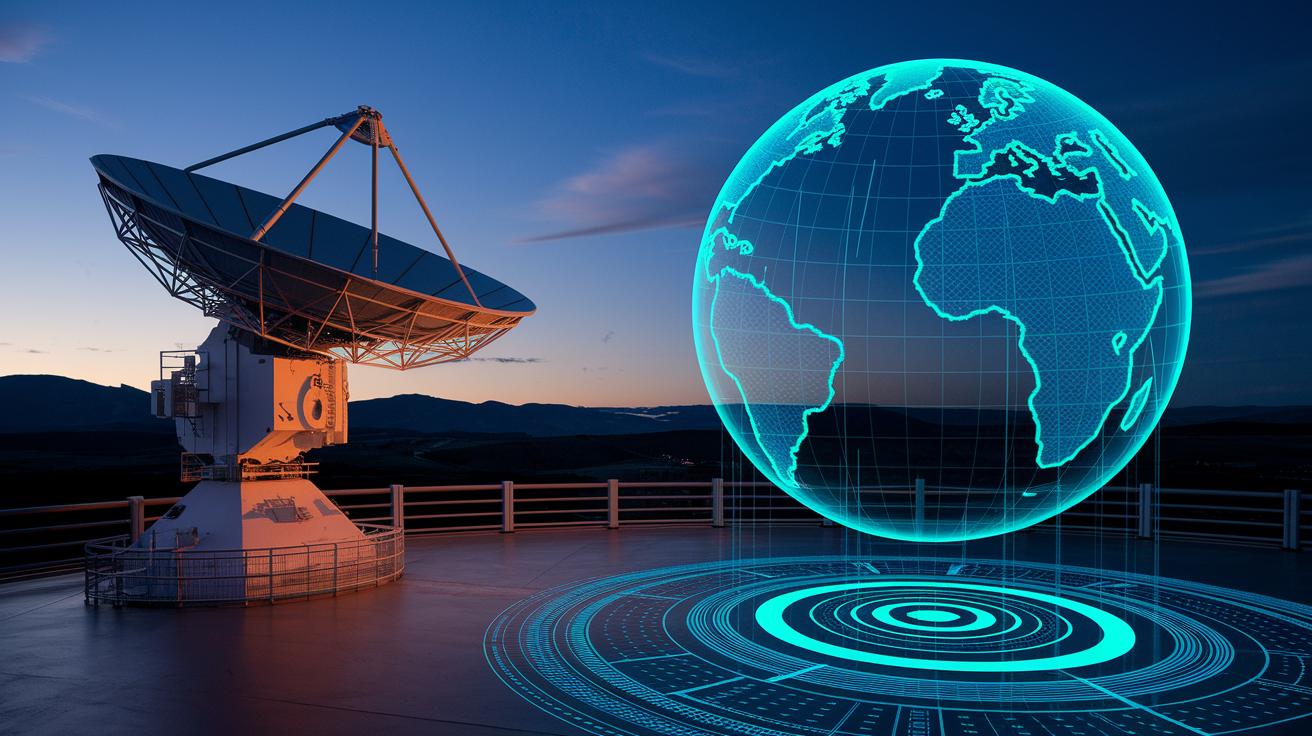
AI-powered satellite systems take huge amounts of data and turn it into clear, useful insights. Every day, smart computer programs (machine-learning pipelines) sift through millions of pixels from satellites, whether it's a detailed shot of Earth or a glimpse of far-off space. It’s like having a super-fast reader that scans through a gigantic book, picking out just the right details so researchers can watch climate changes, spot natural hazards, and learn about the structures of the cosmos almost as soon as they happen.
AI is also a major helper in finding planets outside our solar system. Scientists use pattern-recognition models to study light curves (simple graphs showing how bright a star is over time) and notice tiny, regular dips in brightness. Have you ever noticed a small shadow on a sunny day? One astronomer once caught a tiny dip that led to discovering a hidden planet. These methods not only find new worlds but help scientists understand their size and orbit, which tells us more about the vast universe around us.
Big data and smart object detection in space imagery work together to spot unusual events. Picture sudden bursts of radiation or quick changes in star patterns that are flagged right away, often before a human could catch them in a flood of data. These near-instant alerts push our scientific knowledge further and spark even more exploration into the fascinating mysteries of space.
Predictive Maintenance and Real-Time Operations via AI in Space Exploration
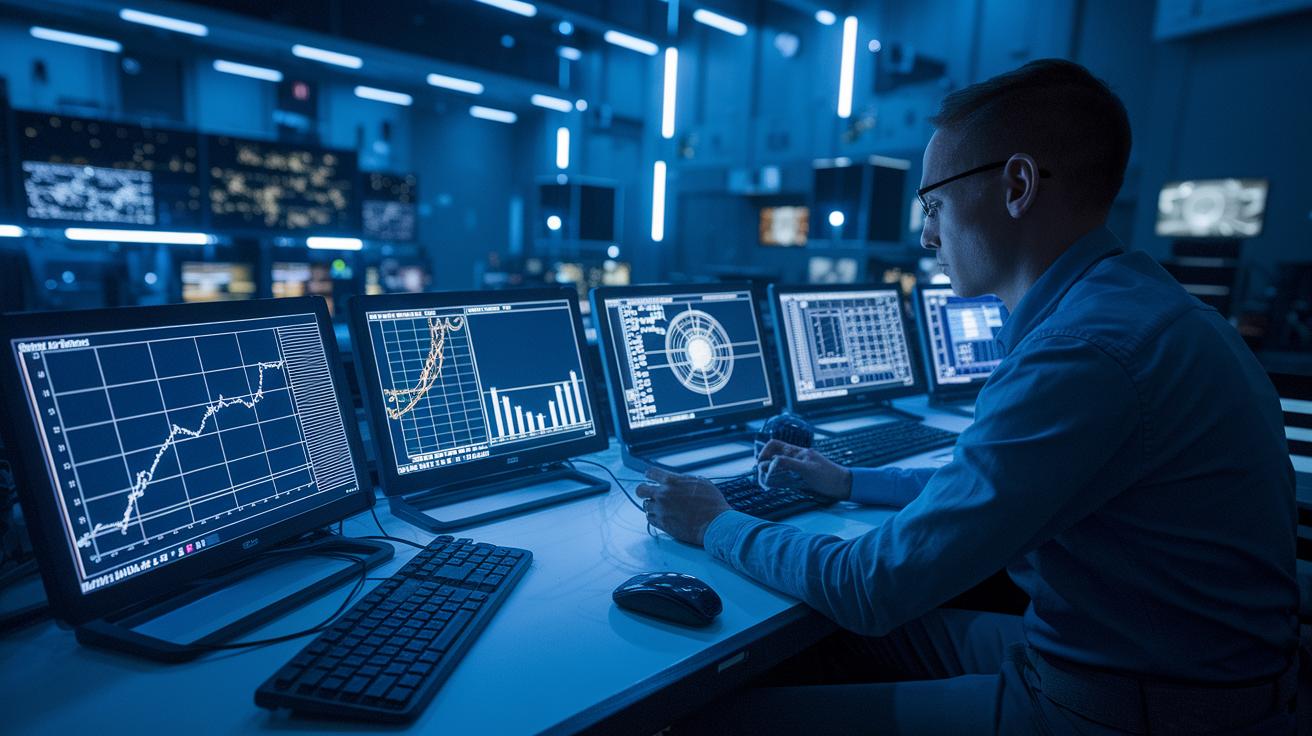
Our AI models work like diligent space mechanics, constantly checking sensor data on thrusters, power systems, and even the overall structure of the spacecraft. They notice tiny changes, like a small shift in vibration, that might signal early wear. It’s similar to how you might hear a slight noise in your car, prompting you to get it checked before it becomes a bigger problem.
AI also plays a big role in keeping an eye on space weather. By gathering data from sensors on the spacecraft and nearby satellites, it helps predict events such as solar flares and bursts of cosmic radiation (high-energy particles from space). Imagine it as an early warning system that lets the crew adjust shields or change how the ship is operating, keeping everyone and every electronic component safe.
During flight, AI continuously reviews all mission data with smart risk checks that mix health metrics from different onboard systems. This real-time analysis sends instant alerts if something starts acting off. It’s like having an always-awake co-pilot that spots errors early, helping ensure the mission stays on track and keeping everyone secure.
Case Study: Space-Based AI Infrastructure for Scalable Space Exploration
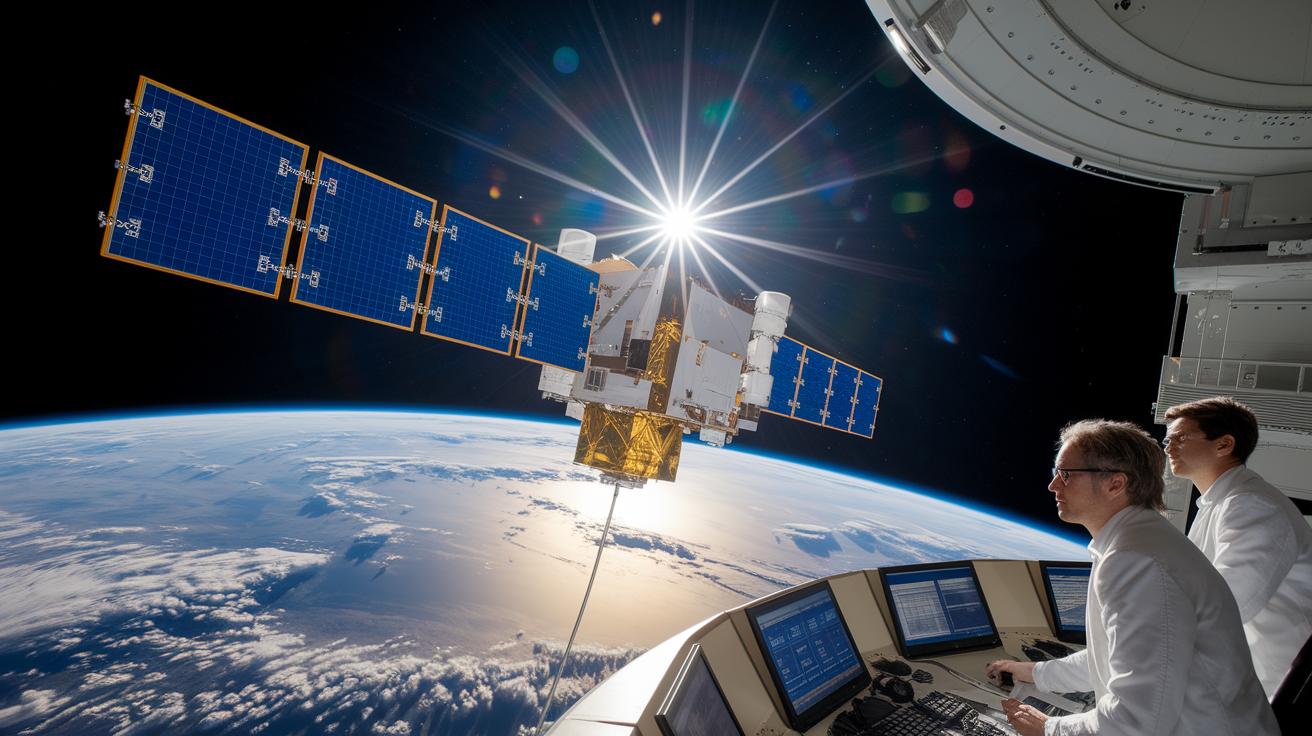
Scientists are building a new kind of satellite group that uses advanced AI tech. They plan to place these satellites in a near-Earth orbit where sunlight is almost always available. This means they get constant solar power to run computer programs (machine learning) without interruption. The satellites travel close together, and their flight paths are carefully planned using well-known math rules (Hill-Clohessy-Wiltshire equations) along with modern tools like a JAX-based physics system. All of this not only helps the onboard computers work better but also lays the groundwork for a strong, space-based data center.
One key part of this project is how fast the satellites can talk to each other. They use special high-speed links that can send data at rates of tens of terabits per second. This fast connection is achieved with techniques like multi-channel dense wavelength-division multiplexing (DWDM) and spatial multiplexing (sending many signals at once). These links allow huge amounts of data to be shared quickly for real-time machine learning work. Because the satellites fly close together, they can keep in step with each other, making sure the whole network stays strong and runs smoothly.
The team is also tackling the tough challenges of the space environment. They tested Google’s v6e Cloud TPU by hitting it with a proton beam at 67 MeV (a measure of energy) to see how it handles radiation. This test checked both the total ionizing dose and how the hardware responds to sudden bursts of radiation. The results led to the creation of robust machine learning accelerators that can withstand harsh space conditions. On the economic side, experts believe launch costs might drop below $200 per kilogram by the mid-2030s. This lower cost could make space-data centers a strong alternative to ones on Earth, supporting NASA’s efforts to push the boundaries of space-based AI.
Challenges and Ethical Implications of AI in Space Exploration
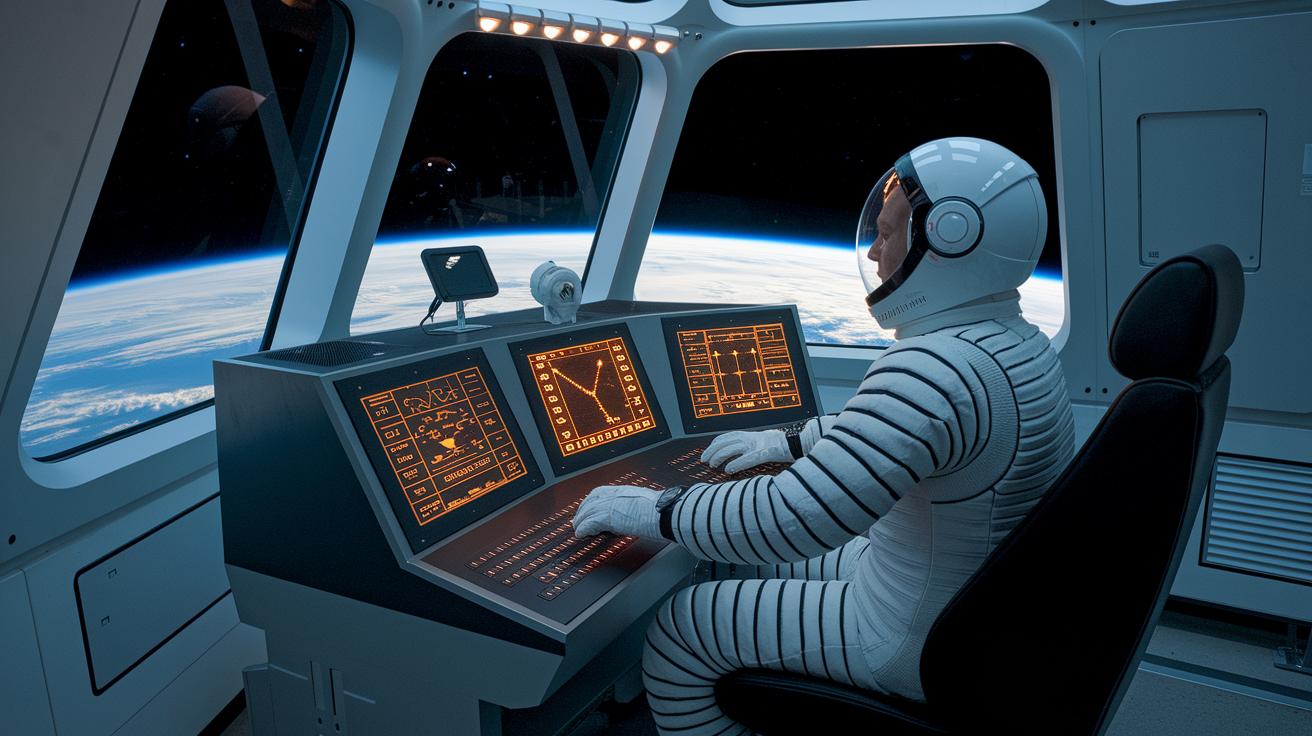
AI experiments in space run into practical challenges like keeping systems cool, ensuring strong links with Earth, and making sure that machines work well under tough conditions. Think of it like a computer overheating on a scorching day, only in space even a small fault can lead to major mission problems.
These days, experts insist that humans stay in control even when machines handle most tasks. They constantly monitor operations and have backup manual controls ready to jump in at a moment’s notice. This way, AI remains a helpful tool rather than an independent decision-maker.
People also worry about who should be responsible when AI makes crucial decisions. For example, if an AI error puts a crew in danger, it’s important to clearly assign responsibility. Researchers and engineers are still figuring out how to balance new innovations with careful, responsible oversight during missions.
Future Trends: Next-Generation AI Technologies in Space Exploration
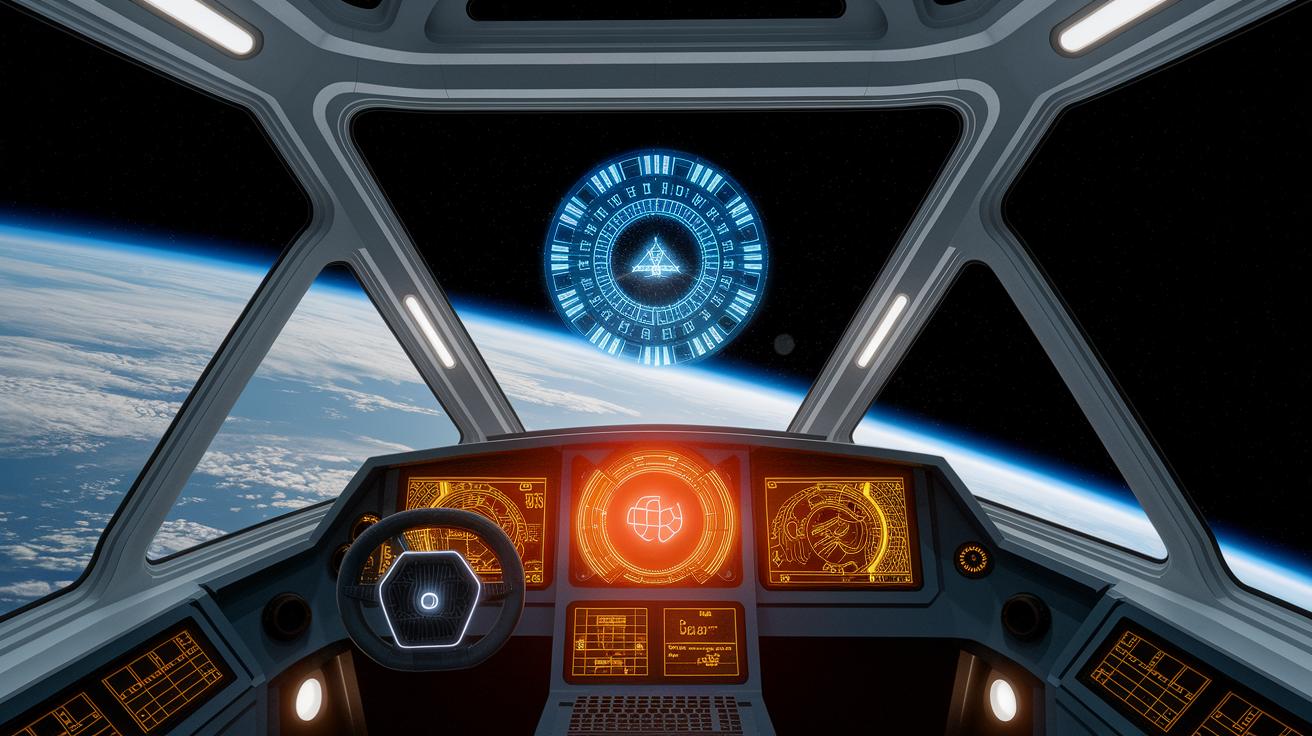
Quantum computing is changing the game for space explorers. It helps run artificial intelligence (AI, which lets computers learn and make decisions) tasks much quicker and makes talking across deep space faster. Imagine turning a messy noise into a clear message in seconds, that's how powerful these new computers are.
Another exciting development is the digital twin platform. This tool lets engineers create a live, digital copy of a spacecraft right here on Earth. Think of it like trying out a new car on a test drive before buying it. Engineers can run tests and fine-tune designs, which helps them plan missions better and deal with surprises during space flights.
Here are some key tech breakthroughs:
All these technologies are coming together in a really cool way. Researchers and engineers from many different fields are teaming up to make space travel smoother and safer. By working together and sharing ideas, they are opening up a new chapter in how we explore the cosmos. Isn’t it amazing how a mix of creative minds and smart tech can push the boundaries of space exploration?
Final Words
In the action, the post explored how AI guides space missions, from autonomous navigation on Mars and real-time mission control to predictive maintenance and satellite imagery analysis. It covered AI-powered robotics, data processing for cosmic discoveries, and advanced planning with simulation environments. Every section showed how these tools reduce workload and boost safety. Embracing artificial intelligence in space exploration brings exciting improvements that make our cosmic pursuits more efficient and insightful. Stay curious and keep celebrating the wonders of science.
FAQ
What does the artificial intelligence in space exploration PDF cover?
The PDF explains how AI supports space missions, including autonomous rover driving, satellite image processing, and mission planning. It offers a clear overview of AI applications in modern space exploration.
What does artificial intelligence in space exploration 2022 focus on?
The 2022 review outlines key AI roles like predictive spacecraft maintenance, rapid imagery analysis, and astronaut health monitoring, showing how these applications boost mission precision and efficiency.
What are some examples of artificial intelligence in space exploration?
Examples include AI-guided Mars rovers, real-time satellite data analysis, robotic assistants on the ISS, and mission planning systems that reduce manual workload and improve operational success.
What disadvantages does AI in space exploration have?
AI faces challenges such as technical reliability in harsh space conditions, potential communication delays, and ethical concerns about relying too much on autonomous systems for critical decisions.
What is the history of AI in space exploration?
The history begins with early experiments in automated systems and has evolved to include advanced onboard machine learning for navigation, maintenance, and data analysis in varied space missions.
What guidance does NASA offer on generative AI?
NASA’s guidance on generative AI emphasizes safe use, human oversight, and clear protocols to ensure data accuracy and effective decision support during space missions.
What NASA AI projects are currently underway?
NASA’s projects include autonomous rover operations, AI-powered robotic maintenance on the ISS, simulation-based mission planning, and real-time onboard analytics to enhance space mission outcomes.