
Ever wonder if a few small electrical pulses could stop a migraine before it even starts? New research in neurostimulation (a treatment that sends tiny electrical signals) shows that gentle jolts can calm nerve activity. It works by keeping pain signals from building up into a full-blown headache.
Imagine a soft, almost whisper-like current that eases your nerves and stops a migraine in its tracks. This fresh approach is lighting a spark of hope for many people who live with chronic migraine pain.
Overview of targeted neurostimulation therapies in chronic migraine management

New approaches in neurostimulation are offering a fresh way to manage chronic migraines. These treatments use tiny electric or magnetic pulses (small jolts that help adjust nerve activity) to calm parts of the brain involved in migraine pain. Imagine a patient describing the sensation as a gentle current soothing an overactive brain as the treatment stops pain signals before they build up.
In the first part of 2024, ShiraTronics earned a special FDA Breakthrough Device nod for its chronic migraine therapy. This recognition shows that non-medication methods can be a promising choice for people dealing with frequent, severe headaches. These therapies can be used both as daily preventions and as quick-help options at the start of an attack, all without the need for drugs.
Different techniques make up these therapies. There’s supraorbital nerve stimulation, which places small electrodes on the forehead to send focused signals that help reduce the number of migraines. Then you have transcranial magnetic stimulation, where controlled magnetic pulses target the brain's surface (the cortex) to calm abnormal nerve activity. Lastly, vagus nerve stimulation gently nudges the vagus nerve with electrical pulses to lessen pain, offering an alternative for those who might not do well with regular treatments.
Before these methods were around, many people had to rely on long-term medications that often came with unwanted side effects and didn’t always help much. Now, these therapies mark a big shift in migraine care and hint at even more exciting discoveries in the future of chronic pain research.
Key neurostimulation modalities: non-invasive techniques in chronic migraine management
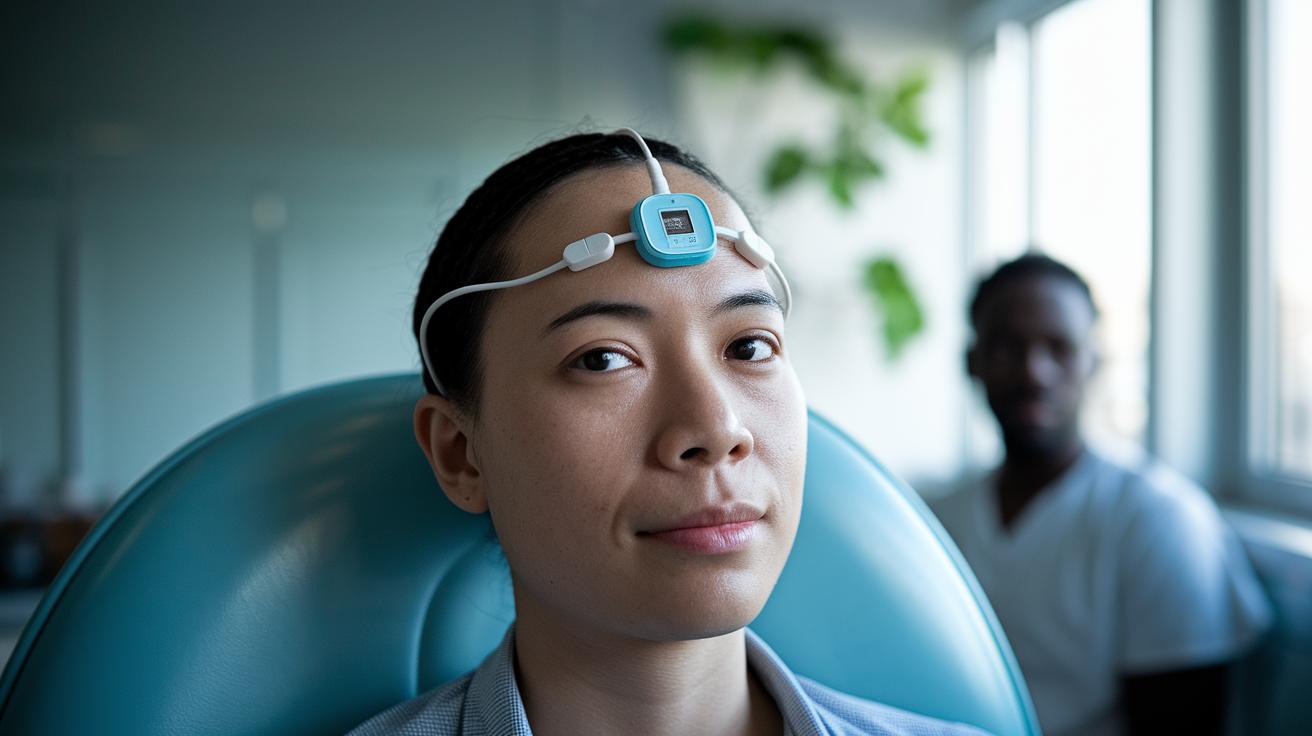
Non-invasive nerve stimulation is opening up fresh ways to manage migraines. It offers patients a choice that doesn’t involve surgery or heavy medications. For example, three innovative devices each use a unique approach to ease headache pain. Cefaly sends rapid, tiny electrical pulses (60–120 Hz) through a triangular electrode placed on the forehead to target the trigeminal nerve. Most users apply it for about 20 minutes each day, which can help calm an attack or even ward off future episodes.
Then there’s SpringTMS, a handheld device that uses brief magnetic pulses (0.2-second bursts at 1 Hz) to interrupt a brain process called cortical spreading depression, often linked to migraine aura. And finally, gammaCore, a small, portable gadget that sends 5 kHz pulses to the vagus nerve, treating each side of the neck for 2 minutes. This device has FDA approval for managing both migraine attacks and cluster headaches.
Each of these treatments works through different nerve pathways to relieve migraine pain. While Cefaly concentrates on the trigeminal nerve, SpringTMS and gammaCore harness the power of magnetic and vagus nerve stimulation. For chronic migraine sufferers, these options offer attractive alternatives to traditional, medication-based approaches. If you’re curious to dive deeper into these techniques, check out the review on breakthrough neuromodulation techniques.
| Device | Modality | Session Protocol | FDA Status |
|---|---|---|---|
| Cefaly | Trigeminal nerve stimulation | 20 minutes daily; 60–120 Hz micropulses | FDA-cleared |
| SpringTMS | Transcranial magnetic stimulation | 0.2-second pulses at 1 Hz | Not specified |
| gammaCore | Vagus nerve stimulation | 2 minutes per side; 5 kHz pulses | FDA-approved |
Transcranial magnetic stimulation’s role in migraine management innovations
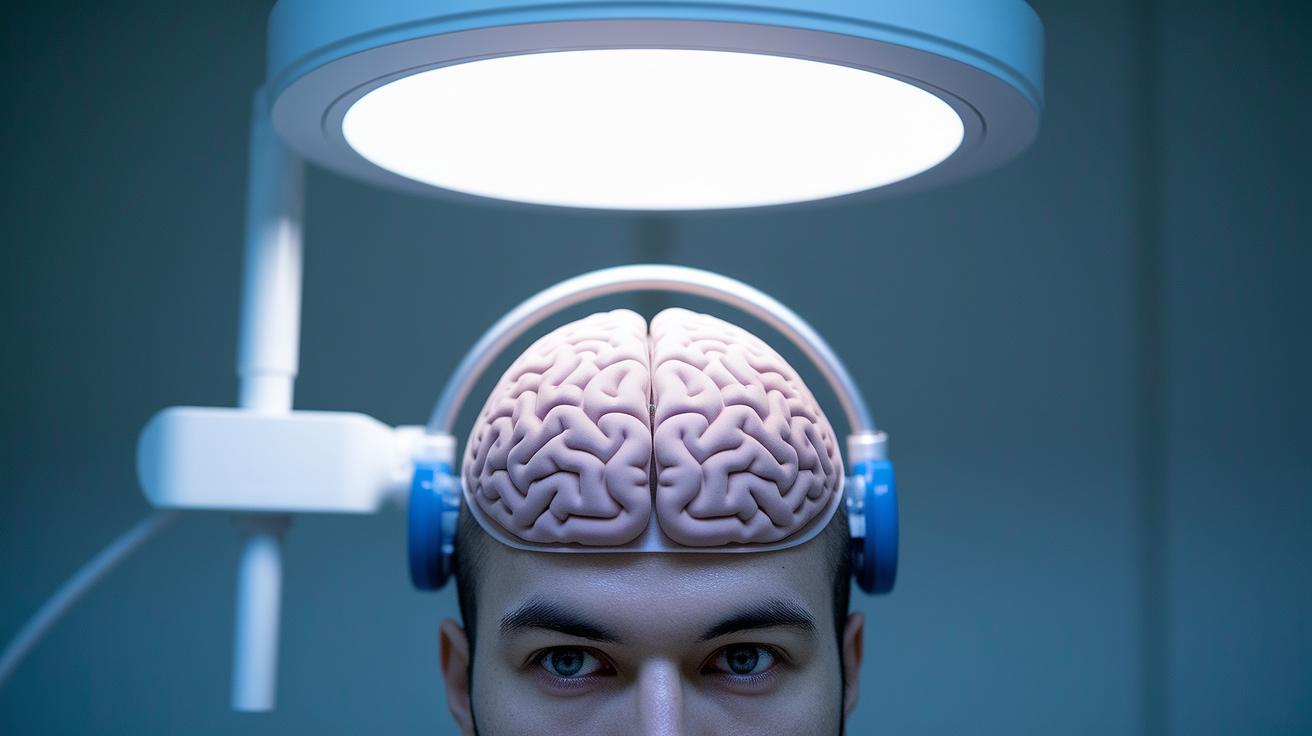
Transcranial magnetic stimulation (TMS) sends bursts of 0.9 Tesla energy at 1 cycle per second into the occipital cortex (the back part of your head). Each burst lasts about 0.2 seconds and seems to hit the pause button on nerve signals. This interruption stops a process called cortical spreading depression (when nerve signals slow down and may trigger an aura), which can help keep a migraine from worsening.
One small study found that about 74% of patients experienced quick pain relief within two hours after just one treatment session. This rapid response suggests that TMS can effectively interrupt a migraine as it's starting.
| Parameter | Value |
|---|---|
| Pulse Strength | 0.9 Tesla |
| Frequency | 1 Hz |
| Burst Duration | 0.2 seconds |
| Target Area | Occipital cortex |
| FDA Status | Approved (SpringTMS) |
Vagus nerve stimulation: advanced nerve modulation for chronic migraine relief

The gammaCore device is a small, battery-operated tool that sends steady electrical pulses (5 kHz, which means it sends 5,000 cycles per second) to your neck’s vagus nerve. It even has a built-in safety cutoff to help you feel secure during each session.
Users press the device on both sides of their neck for about 2 minutes each. They can use it two to three times a day or right when a migraine is starting. Studies show that this method helped reduce intense pain by 34% compared to a placebo treatment.
| Feature | Detail |
|---|---|
| Device Size | 90×45×15 mm |
| Stimulation Frequency | 5 kHz |
| Application | 2 minutes per side |
| Clinical Outcome | 34% drop in acute pain intensity |
| Safety | Built-in safety cutoff |
The Alpha Procedure and evidence-based neural intervention for chronic migraine management

The Alpha Procedure uses tiny leads placed near nerves in the back and top of your head (occipital and supraorbital nerves) to help ease the pain of chronic migraines. It’s a device-based treatment that has been carefully studied, and the results are very encouraging for people who have long suffered from draining headaches.
One respected study found that patients using this treatment cut their need for opioids (strong pain medications) by 50% and saw a 60% drop in headache pain for up to 30 weeks. In other words, they relied much less on painful pills and had fewer side effects, which boosted their quality of life. Moreover, a thorough six-month trial showed that these patients experienced 48% fewer migraine days, 42% less pain intensity, and headaches that lasted 35% shorter. It’s really promising to see a treatment that can bring such life-changing relief day after day.
Major clinical outcomes include:
- 50% less use of opioid pain relievers
- 60% reduction in headache pain as reported by patients
- 48% fewer migraine days per month
Patients have shared overwhelmingly positive feedback, with over 85% reporting satisfaction after one year and only mild side effects observed. This evidence shows that the Alpha Procedure is not only effective in the long run but also offers a trusted, non-drug option to help manage chronic migraine pain.
Safety profiles and patient experience with neurostimulation migraine therapies
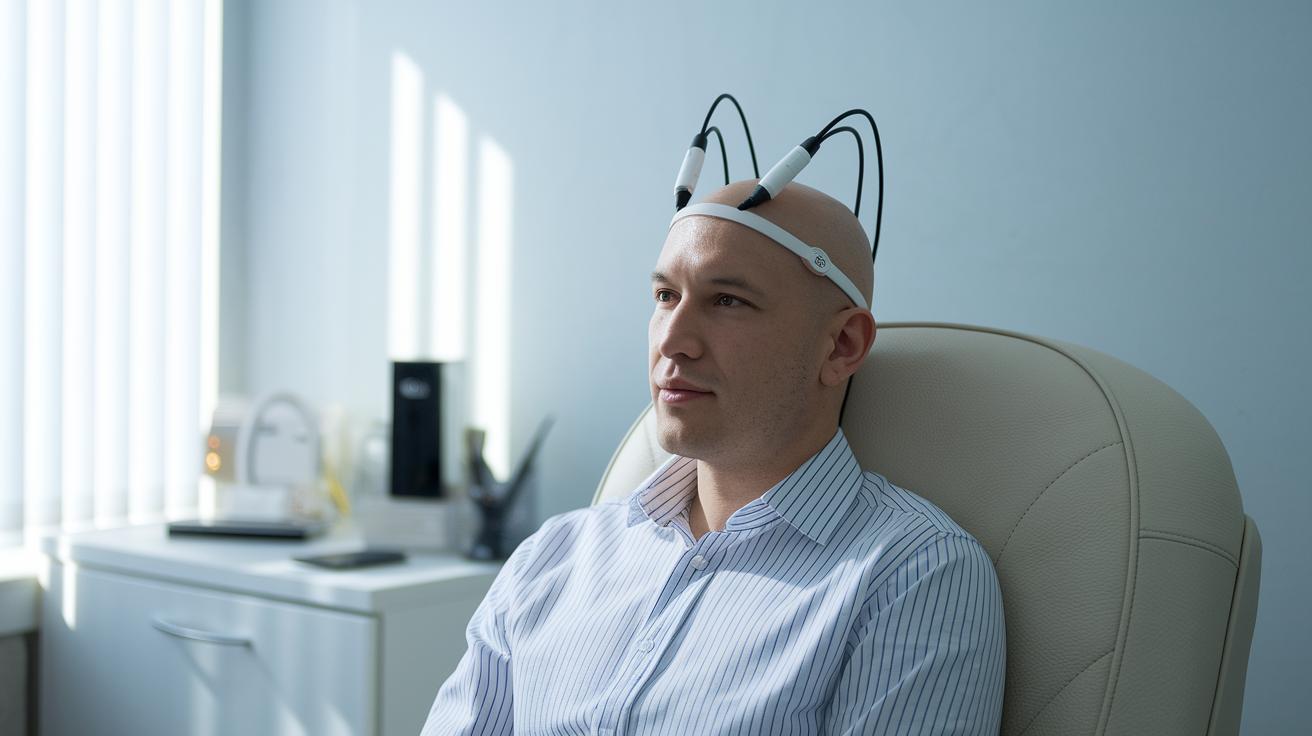
Neurostimulation treatments for migraines not only help reduce pain but are also well-tolerated by patients. Many users notice a brief, light tingle on the scalp, some temporary numbness, or a bit of discomfort where the electrodes touch, these sensations are short and hardly take away from the relief they feel.
Research tracking patients for up to 12 months has shown no serious device-related problems. This builds trust in these new treatments, making them a strong choice for those seeking migraine solutions focused on patient well-being. In fact, more than 80% of patients reported feeling satisfied with their treatment, often easily fitting it into their daily routines.
Patients often point out that the minimal side effects and user-friendly design make their overall experience quite positive. One tip to keep in mind: if you try a session, expect a mild scalp tingle that fades quickly, leaving you with noticeable relief. This combination of comfort and effective pain management offers a hopeful outlook for anyone dealing with chronic migraines.
Future neurostimulation advancements shaping chronic migraine care
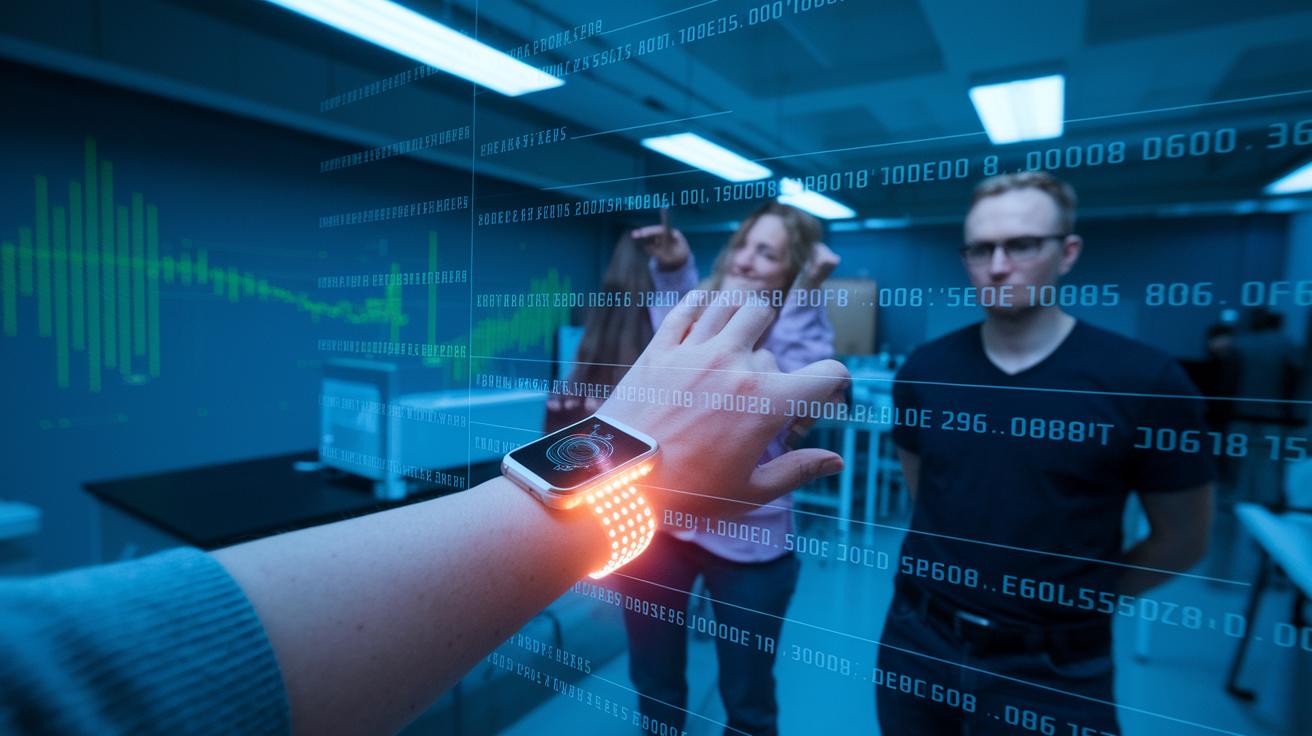
In early 2024, ShiraTronics’ new therapy earned the FDA Breakthrough Device label. This is a big thumbs-up from regulators, showing strong support for emerging neurostimulation techniques and sparking hope for personalized relief for chronic migraine sufferers.
Imagine a tiny, wearable device guided by AI (artificial intelligence, which means smart computer help) that can fine-tune its settings in real time. It’s designed to adjust the pulse strength and rhythm based on your brain’s signals, acting right when a migraine might be kicking in.
Scientists are also creating smart systems that monitor EEG signals (the brain’s electrical patterns) to spot the early warnings of a migraine attack. When these systems detect the first signs, they automatically tweak the stimulation in hopes of stopping the headache before it fully develops.
All these novel neurotechnology trends and advanced cranial therapy devices are reshaping chronic migraine care. Digital neurotherapy is paving the way for safer, more effective, and more patient-friendly approaches to treat persistent, debilitating headaches.
Doctors and researchers are really excited about these innovations. They predict that with better AI calibration and improved sensor tools, future treatments will offer real-time adjustments that can prevent migraines from worsening. It’s an evolving field that promises to make a real difference in people’s lives.
Final Words
In the action, we ventured into non-drug neurostimulation options for chronic migraine care. We looked at how devices use electrical or magnetic pulses to ease pain and even explored emerging AI-driven designs set to refine treatments. Evidence from the Alpha Procedure and other studies shows promising trends in managing headache attacks. These breakthrough neurostimulation therapies for chronic migraine management offer new avenues for relief, sparking optimism for those seeking safe and effective solutions. Positive steps like these remind us that everyday science can brighten our future.
FAQ
What is the CEFALY device?
The CEFALY device is a non-invasive, FDA-cleared gadget that sends micropulses from a triangular electrode on the forehead (targeting the trigeminal nerve) to help prevent and treat migraine attacks in daily 20-minute sessions.
What is gammaCore?
The gammaCore device is a portable vagus nerve stimulator that delivers 5 kHz pulses in short 2-minute treatments to reduce migraine and cluster headache symptoms, providing a non-drug option for relief.
What is Relivion?
The Relivion system is a neurostimulation device that applies electrical pulses to head nerves, aiming to lessen migraine pain and offer an alternative, drug-free method for managing headache symptoms.
What is Nerivio?
Nerivio is a wearable, remote-controlled neuromodulation device that stimulates nerves in the arm, offering a drug-free solution to help relieve migraine pain by modifying nerve signals.
What is Rimegepant?
Rimegepant is an oral medication that works by blocking proteins linked to migraine pain (calcitonin gene-related peptides), helping treat acute migraine attacks and acting as a preventive therapy.
What is Lasmiditan?
Lasmiditan is a prescription medication that targets serotonin receptors in the brain to reduce migraine severity and provide relief, serving as a drug-based option for managing migraines.

