
Ever wonder why a medicine works well for one person but not for someone else? Scientists are using a method called personalized pharmacogenomics (a way to study how our genes affect our body's reaction to medicine) to help answer that. With just a tiny sample of blood or spit, experts look for special clues in your genes. These clues help them choose the right medicines for you and keep side effects low. This cool approach is changing how we pick medicines, making treatments safer and more suited to each person. Let's explore how this breakthrough is shaping the future of medicine.
Core Concepts of Breakthrough Personalized Pharmacogenomics in Optimized Drug Therapy

Personalized pharmacogenomics looks at how our genes shape the way a drug works in our body. It checks out how we absorb, break down, and kick out medicines (that’s pharmacokinetics) and also looks at the effects these drugs have on us (pharmacodynamics). In simple terms, this science helps us understand why one person might handle a medicine easily while another might get side effects, paving the way for treatments that are custom-fit for everyone.
It all starts with a small sample, like a bit of blood or saliva. The DNA is pulled from that sample and then examined for specific markers that tell us how well your body might process a drug. Experts, such as genetic counselors and doctors, take a close look at these results with the help of trusted dosing guidelines. They focus on the genes that really matter for how a drug is absorbed and how it acts. Sometimes, they even mix in AI tools to help pick the best treatment option.
There are four big benefits to this approach. First, it makes drugs work better by matching them perfectly to the patient’s genetic profile. Second, it cuts down the chance of unwelcome side effects, making treatments safer. Third, it allows for more precise dosing because the amount can be customized based on your genes. And finally, it speeds up the decision-making process so patients can start the right treatment sooner.
Advanced Genomic Testing Protocols Driving Personalized Pharmacogenomics
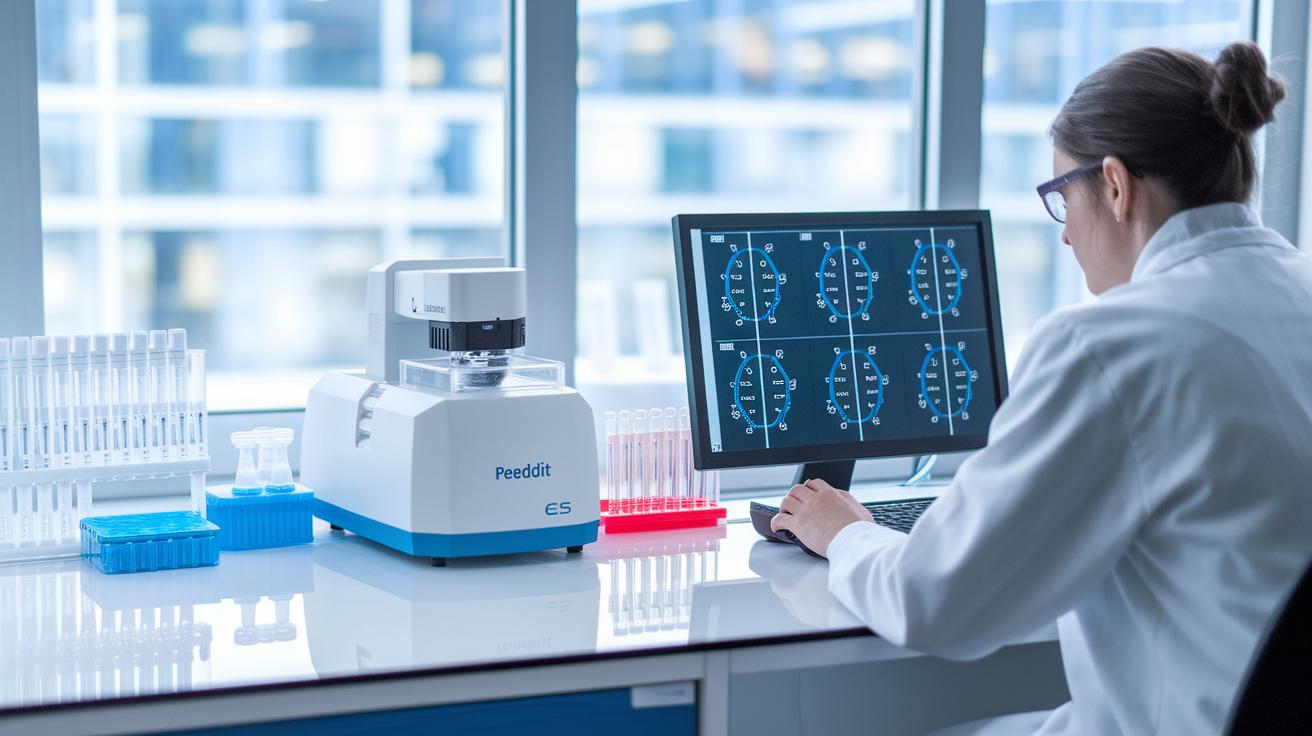
Genomic tests have changed the way we look at genes to help pick the right medicines for each person. One smart and affordable method called amplicon sequencing zeroes in on key pharmacogenes (genes that help break down drugs) and gives quick, accurate results. Did you know amplicon sequencing can check hundreds of genes in one go, saving both time and money compared to older ways?
This new method uses the CleanPlex® multiplex PCR system to check many important genes all at once. The system’s design makes it easy to run many tests automatically, cutting down on human mistakes and speeding up when results come back. Imagine a lab that can handle many patient samples at once so that each patient gets the best drug dose based on their unique genes.
Doctors are moving from waiting for symptoms to appear before testing, to checking genetic details ahead of time. Now, genetic info becomes part of a patient’s digital health record, ready for doctors when they need to choose a treatment. This means doctors can see a complete genetic picture quickly, leading to better, faster choices for treatment.
| Sample Source | Sequencing Technology | Panel Size |
|---|---|---|
| Blood | Amplicon Sequencing | Focused |
| Saliva | CleanPlex® PCR | Hundreds |
| Tissue | Next-Generation Diagnostics | Targeted |
Clinical Applications of Breakthrough Personalized Pharmacogenomics in Therapeutic Areas

Pharmacogenomic testing has really changed the way we approach healthcare. By looking at tiny parts of our genes (the blueprints inside our cells), doctors can see how we might react to certain medications. This means they can choose the best drug and the right dose for you rather than using the same plan for everyone.
This method works by checking for small genetic differences that affect how our bodies turn medicine into active ingredients and how we experience side effects. It’s like having a personal guide for your treatment choices. Have you ever wondered why one drug works great for a friend but not for you? This is one big reason why.
Here are some ways this breakthrough is helping in different fields:
- Oncology: For cancer care, doctors can use gene information to guide chemotherapy. They decide on the right type of drug and how much to give by combining gene-based profiling with targeted treatments.
- Psychiatry: When it comes to mood and mental health, genetic tests help pick the best antidepressants or antipsychotics. This approach aims to balance benefits and risks using your unique genetic clues.
- Cardiovascular: In heart care, tests show which antiplatelets or blood thinners work best based on your genetic markers, making treatments safer.
- Infectious Diseases: Genetic profiles guide doctors in adjusting antibiotic doses by predicting how you’ll metabolize them, ensuring the drugs work as intended.
By using pharmacogenomic panels (tests that check many genes at once), clinicians can see how a prodrug (an inactive medicine that your body turns active) transforms in your body. This not only boosts the drug’s effectiveness but also cuts down on unwanted side effects. In truth, putting genomic data into everyday care is opening the door to smarter, person-specific treatments that are as unique as you are.
Optimized Medication Management: Precision Dose Adjustment and Safety

Doctors now use a person's genes to figure out the best medicine dose. They study key genes that help break down drugs (how your body processes medicine) to decide if a lower or higher amount is right. For example, if someone has a gene that makes them slow at processing medicine, they might need a lower dose. This smart method helps the drug work well without putting too much stress on the body.
Guidelines from groups like CPIC and DPWG act like a rulebook for these decisions. They give clear advice on changing the dose based on gene markers (special signals in our DNA, like CYP450 and TPMT, that tell us how our body handles medicine). When doctors follow these guidelines, they feel sure that the treatment is safe and works as it should. It’s like using a clear manual to adjust each person’s therapy so it fits just right.
In the end, this careful plan helps keep patients safe and makes the medicine work better. With doses set by a person’s genes, patients often see fewer side effects and might even spend less time in the hospital. The drugs do their job with fewer problems, leading to a smoother and safer treatment experience.
Emerging Research Trends in Breakthrough Personalized Pharmacogenomics

Big strides in personalized medicine are happening by using smart computer programs that learn from lots of different body data. Researchers mix genetic clues, protein details (tiny helpers in our cells), and metabolic info (how our bodies use energy) to guess how someone might react to a treatment. This new trick gives us a clearer look at what might work best for each person.
Scientists are also building new panels of body markers, which are like signposts telling us how a person might respond to a drug. Instead of sticking with just the usual genes like CYP450, these panels add details about transporters and receptors (parts of our cells that move or receive signals). This extra information helps predict drug responses more accurately, paving the way for truly tailored treatment plans.
Recent studies are also diving into the world of epigenetics, which are tiny chemical tags that can change how our genes work without altering the actual DNA. For example, DNA methylation (one kind of epigenetic mark) can affect how well a drug works and how safe it is over time. In the future, models that mix these epigenetic clues with smart computer insights and broad marker panels may drive breakthrough innovations in precision therapy. This complete approach could change how we match treatments to each person by giving us a deeper, data-driven picture of how our genes and chemical tags work together.
Challenges and Regulatory Considerations in Personalized Pharmacogenomics

Clinical evidence is still limited for many gene-drug pairings and this means people from different ethnic backgrounds may react differently to the same medication. Researchers and doctors are in a tough spot when data about certain genetic markers (specific bits of our DNA) is too weak to guide tailored prescriptions confidently. In truth, the same gene variant might affect drug response in a unique way depending on the community, leaving us with unanswered questions that need more careful checking.
Cost pressures for tests, rules about payment, and insurance policies make adding personalized pharmacogenomics into everyday care even more challenging. Many healthcare providers struggle to justify expensive, advanced tests when insurance cover can vary so widely. Plus, strict government standards require thorough clinical and analytical validation before lab-developed tests can be used. These important rules keep patients safe, yet they also slow down how fast new genetic insights make their way into daily medical practice.
Future Directions for Real-Time Genomic Data Analytics in Drug Therapy Optimization

Putting a patient's gene information (pharmacogenomic profiles) into their digital health record means that doctors can instantly check important details right when they need to make a treatment choice. This means that detailed gene info quickly connects with a person’s treatment plan. Imagine a doctor noticing right away that a patient might need a gentler drug dose because of their genes. This quick check lets the doctor adjust treatment without waiting.
New tools now deliver gene data right to clinical dashboards. These dashboards send alerts if a patient’s data shows early signs that a drug might not work well or could cause side effects. Think about a scenario where a dashboard spots a gene change that affects how a drug is processed, urging a quick look. This kind of real-time alert turns a normal doctor's visit into a smart, data-driven checkup.
Early programs show that this immediate feedback helps speed up treatment choices and boosts patient trust in their care plan. The data makes it easier to change treatments quickly, so patients don't have to wait for test results. This fast, data-based method not only makes treatment safer, it also matches the therapy to each patient’s unique genes, leading to better and faster care.
Final Words
In the action, we explored personalized pharmacogenomics and advanced testing protocols. We looked at how targeted panels and precise dose adjustments contribute to effective treatment safety. Real-life examples from oncology to infectious diseases helped show the impact on everyday therapy. Emerging research and regulatory insights also set the stage for tomorrow’s genomic innovations. Embracing breakthrough personalized pharmacogenomics for optimized drug therapy can change how we approach and manage health for the better.
FAQ
Frequently Asked Questions
Q: What is breakthrough personalized pharmacogenomics for optimized drug therapy lab?
A: The breakthrough personalized pharmacogenomics lab uses genetic testing to guide the best drug choices and dosing. It analyzes genetic markers to improve how treatments work and reduce side effects.
Q: How does personalized medicine optimize drug therapy?
A: Personalized medicine optimizes drug therapy by tailoring treatment plans using an individual’s genetic profile. It helps doctors adjust medications and doses for improved effectiveness and fewer side effects.
Q: What does personalized therapy mean?
A: Personalized therapy means crafting treatment based on a person’s unique genetic and health profile. It aims to match the right medication and dose to enhance outcomes and minimize harmful reactions.
Q: What are some personalized medicine examples?
A: Examples include tailored cancer treatments, genotype-guided antidepressant choices, and customized cardiovascular therapies. These approaches use genetic data to adjust drug selection and dosing for better health results.
Q: How is pharmacogenomics a genetic approach to drug development and therapy?
A: Pharmacogenomics applies genetic insights to understand drug metabolism and response variations. It guides drug development and therapy by matching medications and doses to a patient’s specific genetic makeup.
Q: Where can I find a PDF on pharmacogenomics and personalized medicine?
A: You can search academic databases, university library websites, or trusted research portals for PDFs on pharmacogenomics and personalized medicine. These sources provide detailed studies and review articles on the topic.
Q: How long does it take on average to develop a new drug from the laboratory to FDA approval?
A: On average, developing a new drug from the lab to FDA approval takes about 10 to 15 years. This period covers discovery, preclinical tests, and multiple stages of clinical trials.
Q: How does pharmacogenomics drive personalized medicine?
A: Pharmacogenomics drives personalized medicine by using genetic data to predict drug response. It helps clinicians choose the right medication and dose, which leads to improved treatment outcomes and minimized risks.