
Have you ever wondered if a fresh take on climate education could help create a brighter future? Instead of just sharing facts, we connect small everyday weather changes and local shifts in our environment to our own lives.
Teachers bring these lessons to life by linking ideas like rising temperatures and changing weather patterns to things we see around us each day. This approach shows us that even small actions can lead to big changes. And in doing so, it helps all of us become thoughtful citizens ready to face the challenges of a warming planet.
Foundations of Climate Change Education: Causes, Impacts, and Solutions
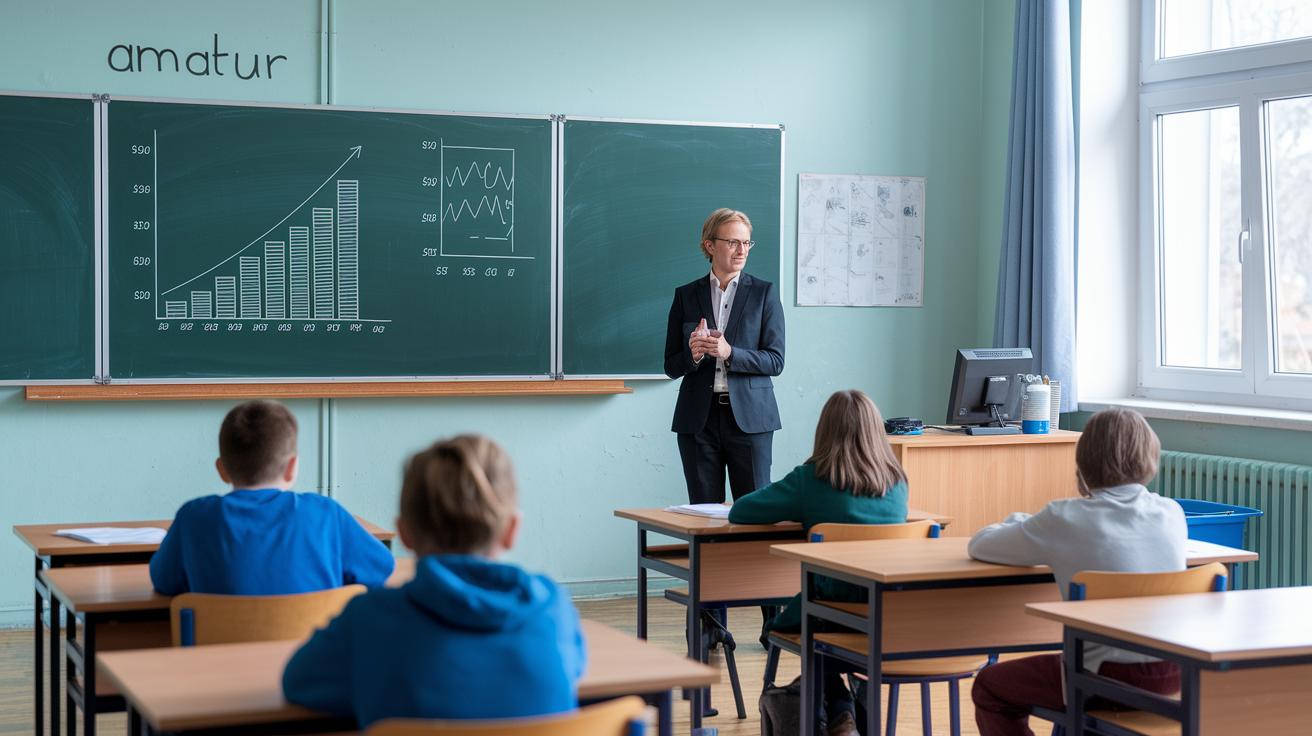
Climate change education helps students learn about how our environment changes and how these changes touch our lives. It covers everyday topics like gases that warm our planet (greenhouse gases), rising temperatures, and shifting weather patterns. For instance, a teacher might explain, "Climate change means that the usual weather and temperatures in an area are slowly changing, mostly because of what people do." This straightforward approach helps everyone understand why the Earth is getting warmer and what factors drive this change.
Many things contribute to climate change. Burning fossil fuels for energy, cutting down trees, and running factories all play a part. Countries create climate plans, like those required by the Paris Agreement (an international deal to cut pollution), which list clear actions to tackle these problems. In classrooms from kindergarten to high school, teachers use local weather reports, food habits, and energy use to show how everyday life links to global warming. Even though teaching standards can vary, a 2021 report found that most registered voters in the U.S. support adding climate change topics into school lessons.
Beyond just learning facts, students build skills that connect local experiences with global challenges. They see how changes in their neighborhoods can impact economies, health, and nature. For example, exploring green job skills (training for work that helps the environment) prepares students for careers in fields that reduce pollution or protect our natural world. This kind of education sets the stage for forming smart, active global citizens ready to make a difference.
Environmental Curriculum Planning for Climate Change Education
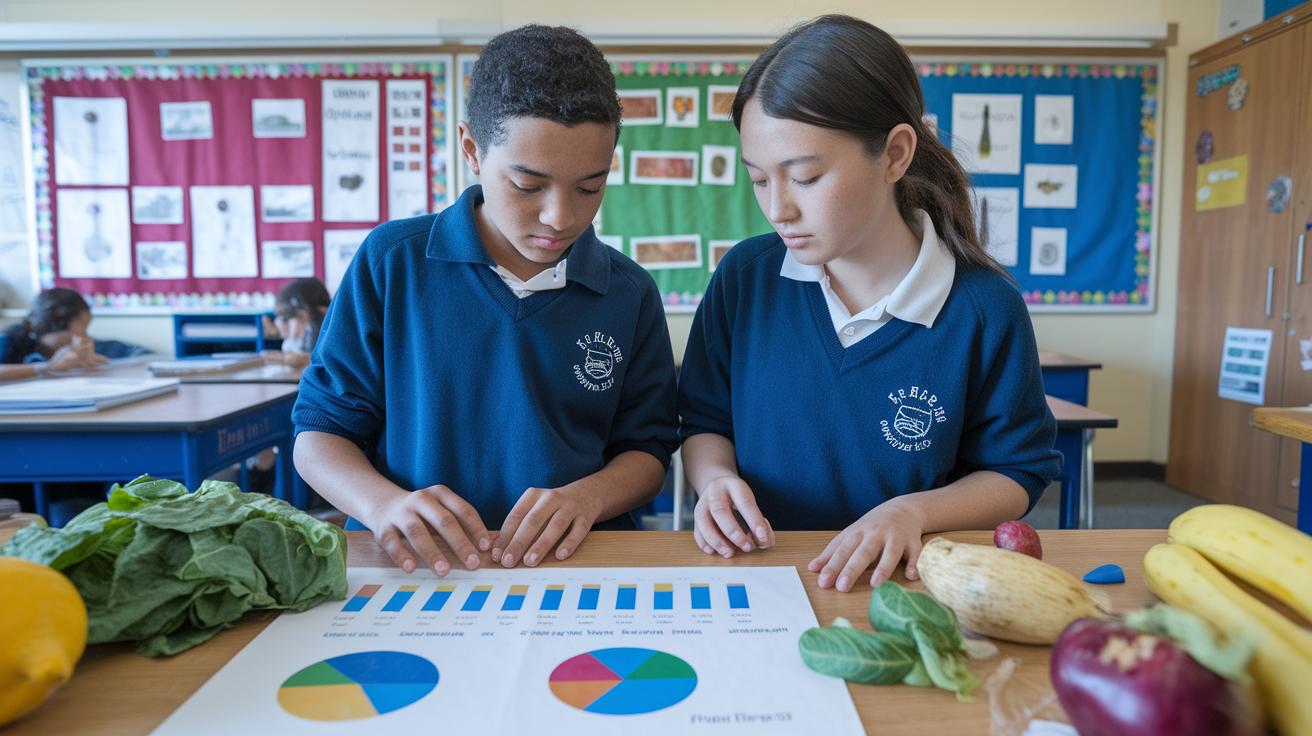
When we mix climate ideas into everyday lessons, learning becomes both fun and useful. Classes that explore topics like local food, weather, and energy help students see how changes in the climate can affect their daily lives. Instead of having one big climate lesson, teachers can weave these ideas throughout the school year, turning abstract ideas into hands-on projects and lively discussions. Think about a project where students examine how shifts in local weather might change the food supply or energy needs in their community. This method not only builds a strong eco-literacy program but also gives students a head start in green careers (jobs that help protect our environment).
| Key Element |
|---|
| Local relevance |
| Cross-disciplinary integration |
| Skills for green jobs |
| Assessment strategies |
A great curriculum doesn’t happen by accident. Schools and governments need to back our teachers with updated learning tools and regular training. With the right support, educators feel more confident about sharing dynamic climate topics. Over time, as materials and projects evolve with new science discoveries, this ongoing commitment will shine a light on a brighter, more sustainable future for our students and communities.
Innovative Teaching Methods in Climate Change Education
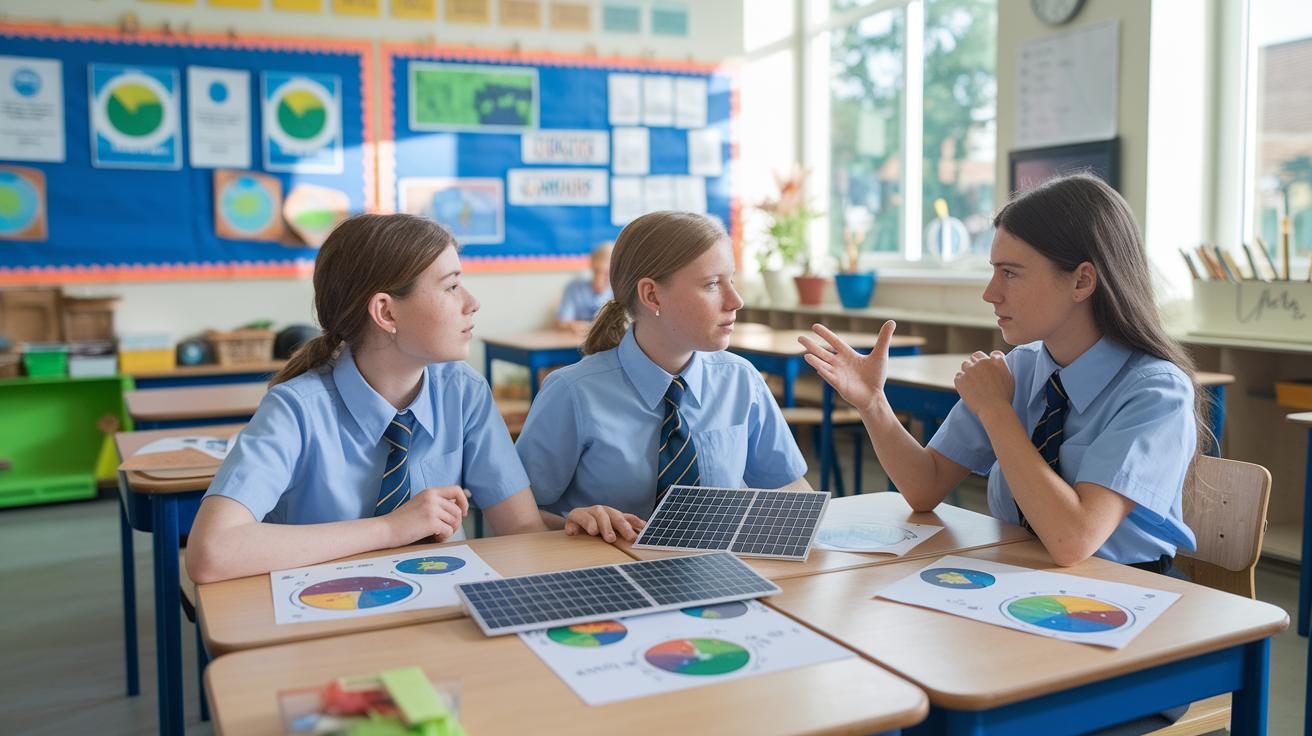
Using hands-on activities in class really makes climate topics come alive. When students join in interactive exercises, they learn how the carbon cycle works, explore ideas about renewable energy, and even try small experiments to cut down pollution. These methods turn tough science into something real and show how simple actions can help build a greener community.
Project-Based Learning
Project-based learning gets students working together on real-life climate plans in their neighborhoods. For example, they might create a plan to use local energy smarter or set up a small recycling project. This kind of work builds teamwork and sparks critical thinking. Students spot local problems, brainstorm solutions, and take steps that can truly benefit their community.
Digital Simulations
Digital simulations offer a fun way to dive into climate change. Students can use online carbon footprint calculators or play with energy system models (simple digital setups that show how changes can affect emissions). By adjusting settings and watching the results change in real time, they gain a clear picture of how renewable energy works and why balance is key for a healthy environment.
Mixing real-world activities with virtual exercises helps students grasp tough ideas more easily. These engaging methods connect theory with everyday life, boost confidence, and help ideas stick, preparing young minds for jobs that make our future more sustainable.
Professional Development for Climate Change Education
Many teachers aren’t feeling ready to tackle complex climate topics because they’re stuck with outdated materials and biased workshops sponsored by fossil fuels. One teacher even said, "I often find my training lacking for tackling today's climate challenges." This situation leaves teachers stressed and scrambling to share trustworthy and engaging science with their students.
To fix this, professional development programs need to supply fresh lesson plans and fair, unbiased training. Think about workshops that use real-time digital simulations (interactive computer activities) and group sessions where teachers share ideas. These kinds of hands-on experiences let teachers try out new techniques that help make complex climate ideas easier for every student to understand. In truth, this kind of support boosts classroom learning in an exciting way.
Support from policymakers is also a must for long-term teacher growth. Schools and governments should dedicate resources to create safe, modern learning spaces and offer regular training sessions. When teachers get solid backing, they feel empowered to teach accurate climate science and spark students’ critical thinking. Good leadership helps build better curricula that prepare students to step up as future environmental stewards, making a lasting difference.
Misinformation and Climate Anxiety in Climate Change Education
A new study found that many young people feel a heavy mix of sadness, worry, anger, and even guilt when they learn about climate change. Rumors and mixed messages make it hard for them to know what’s real. When news stories feel confusing or too dramatic, it only adds to their worries. Teachers see that these intense feelings often pull students away from learning about real, practical steps to protect our planet.
Educators can really help by guiding students through all the mixed messages and by carving out a safe space for honest conversation. Many schools are now blending clear facts with open discussions to help students sort fact from opinion. For example, they use lessons on how to analyze media, share positive stories of progress, and hold guided talks about the emotions that climate news can stir up.
Using these friendly, hands-on strategies, educators empower students to question misleading information and feel more confident in what they know. This approach not only deepens their understanding of climate change but also supports their emotional well-being, turning anxiety into action and hope for a brighter future.
Policy Frameworks and Global Trends in Climate Change Education
Around the world, plans for teaching about climate change have different shapes. In the European Union, for instance, new rules say that every child from kindergarten through high school must learn about climate change by 2025 in all 27 member countries. According to the Paris climate agreement (a global promise to cut greenhouse gases), each country must create its own plan with clear climate goals, and these plans influence what gets taught in class.
In the United States, things work a bit differently. Two federal bills that might have helped boost climate education were defeated in Congress, so state leaders in places like New Jersey and Connecticut have taken the lead. Other countries also have national guidelines to include climate goals, but how they put these ideas into action can vary a lot, depending on local needs and priorities. It’s a big challenge, but a hopeful one as well.
| Region | Policy Status | Implementation Year | Key Features |
|---|---|---|---|
| EU | Mandated under EU 2025 plan | 2025 | Climate education from K-12 in all 27 member states |
| U.S. | Debated and decentralized | Varies by state | Federal bills defeated; state-led initiatives in select regions |
| Other Signatories | National climate plans required | Varies | Integrated climate targets within national policy frameworks |
Looking ahead, the upcoming COP30 conference in November 2025 appears to be a game-changer for climate education worldwide. Experts expect that discussions will focus on how to strengthen policy support across different regions, pump more resources into educational materials, and improve teacher training. This means the next generation will not only understand the science behind climate change but also learn useful skills for green jobs. With ongoing debates and shifts in leadership, the global conversation is steadily moving toward a future where education and environmental care go hand in hand.
Final Words
In the action, we explored classroom basics, innovative projects, teacher training, and policy efforts in climate change education.
We examined how linking real-life examples to lessons sparks curiosity and builds confidence.
We also looked at strategies to help educators manage student worries about inaccurate stories while building real-world skills.
Collectively, these ideas bring us closer to making climate science relatable and energizing.
Every step we take fuels our ability to learn, share insights, and keep our approach as dynamic and hopeful as the science itself.
FAQ
What does climate change education PDF offer?
The climate change education PDF offers a well-organized guide with lesson plans, study materials, and visual aids to explain climate basics, causes, impacts, and solutions in simple language.
How do climate change education resources support learning?
The climate change education resources provide interactive materials, up-to-date research, and engaging activities that help connect climate science ideas to everyday experiences in classrooms.
What does climate change education in schools involve?
The climate change education in schools involves embedding climate topics into lessons, linking local weather, food, and energy issues with broader climate science, which helps students connect what they learn to real life.
What do climate change education programs include?
The climate change education programs include mixed approaches such as hands-on projects, digital tools, and community engagement to teach climate causes, impacts, and solutions in an approachable way.
What does a climate change education journal offer?
The climate change education journal offers peer-reviewed research, expert commentary, and practical case studies that share teaching strategies and insights for improving climate science education.
How is a climate change education article structured?
The climate change education article is structured to start with clear definitions, explain the causes and effects of climate change, and suggest practical teaching methods, making the content digestible and useful.
What is included in a climate change education book?
The climate change education book includes comprehensive overviews of climate science paired with illustrations, real-life examples, and engaging explanations to make complex ideas easily understandable.
How is climate change education for kids presented?
The climate change education for kids is presented with colorful visuals, simple language, and interactive activities that connect local weather and everyday energy use to the broader ideas of climate change.