Have you ever thought a small patch could fix a broken heart? Recent tests suggest that a bioengineered patch, made with living cells and natural growth signals (chemical cues that tell cells how to grow), might really change the way we heal damaged heart tissue.
In animal studies, this patch has shown the ability to improve blood flow and muscle function. It even helps kick-start the heart’s repair process after an attack. Isn’t it amazing to imagine how such a simple patch could lead to stronger, healthier hearts for people in need?
Cutting-Edge Bioengineered Cardiac Patches: Research Breakthroughs and Regenerative Impacts
Scientists have created a heart patch using stem cells and smart tissue engineering to fix damaged heart muscle. The patch uses a special bioink mix that blends living cells, growth factors (natural chemicals that help cells grow), and hydrogels (jelly-like substances that support cell growth) to form a structure that fits right in with the heart.
In tests with rodents and pigs, the patch has shown it can merge with the heart muscle and kick-start the healing process. It not only helps boost blood flow but also brings back muscle function. This makes it different from older treatments that usually only slow down heart damage.
Made in Gyeongbuk, Korea, this breakthrough is a big step forward in regenerative medicine. By fixing tissue damage after heart attacks, this new technology could lower the chance of heart failure, cut down the need for heart transplants, and help people live longer.
- Better blood flow that improves muscle performance.
- Encouraged growth of damaged heart tissue.
- Faster recovery after a heart attack in animal studies.
- Lower chance of later heart failure.
- Reduced need for heart transplants.
Advanced Myocardial Regeneration: Biofabrication Techniques for Cardiac Patch Design
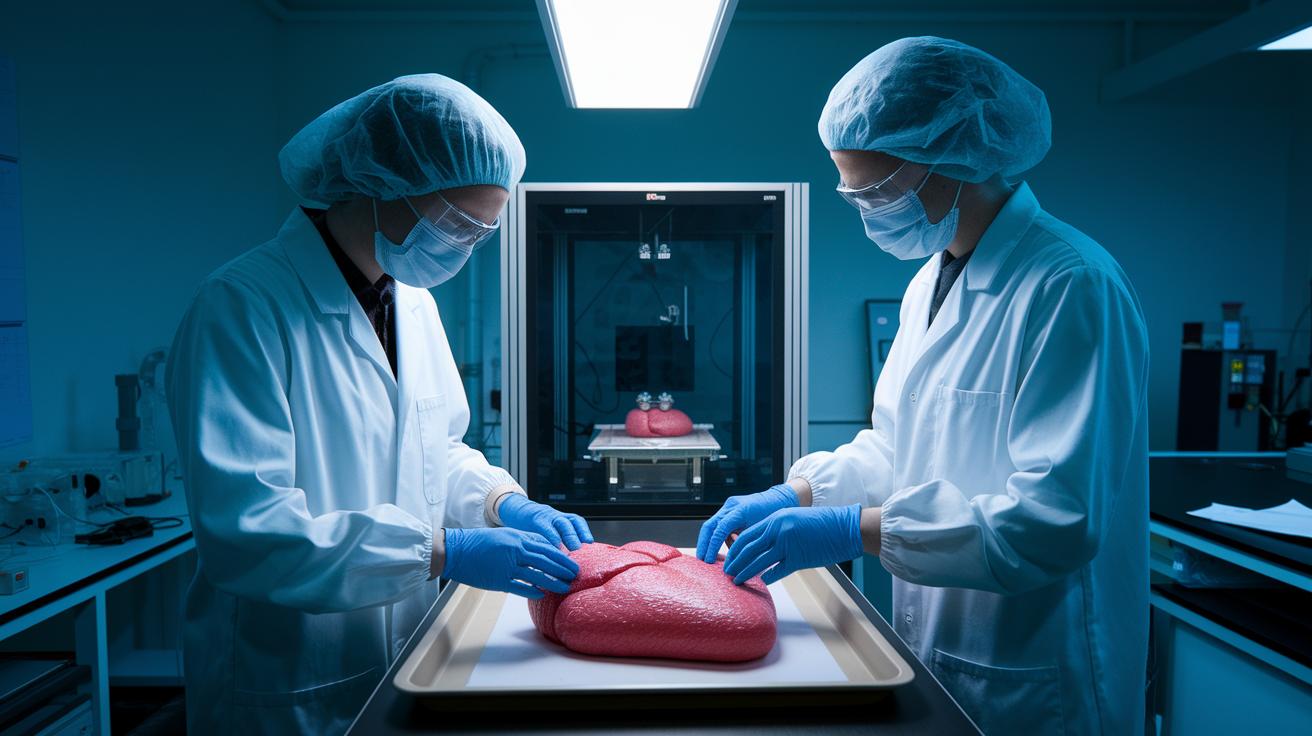
Advanced heart repair using biofabrication methods is changing how we treat damaged hearts. Researchers mix a special substance called bioink (a blend of living cells, growth signals, and a support gel) to create patches that merge with injured heart muscle. This approach combines natural healing with smart engineering.
Today, scientists use 3D bioprinting to precisely lay down cells and natural building blocks into complex shapes. This process creates patches that mimic the look and feel of real heart tissue, helping nutrients reach the cells and keeping the heart's function on track.
Engineered supports, known as scaffolds, are made with tiny, carefully planned holes. These openings let nutrients pass through and boost electrical signals so the heart can beat in sync. In addition, nano-structured gels help cells stick, grow, and change into healthy heart cells.
Looking ahead, smart sensors may be added to monitor the patch in real time. This means the patch can adjust to the heart’s constant movements, easing mechanical stress while supporting continued healing.
Bioink Composition and Hydrogel Matrices
Scientists create bioinks by blending living cells, natural growth signals, and friendly hydrogels. This mix works smoothly with the heart's own tissue and guides cells in the healing process. Equally important is how the bioink flows (its viscosity). Adjusting this property ensures it prints evenly, resulting in a strong, stable patch.
3D Bioprinting Strategies
Different types of printers allow for the exact placement of various cell types. With fine nozzles and controlled flow, each layer is laid out with care, building structures that resemble natural heart tissue. High print resolution is key; keeping precise shapes helps the patch work like a natural myocardium, supporting the heart’s healthy beating.
Scaffold Microarchitecture Design
Engineered scaffolds are crafted with very specific tiny openings that let nutrients and cells integrate well. This design encourages strong tissue growth and healthy cell activity. By carefully adjusting the stiffness and electrical traits, these scaffolds help the heart muscles contract together, reducing scars and promoting proper heart function.
Stem Cell Integration and Vascularization in Cardiac Patch Applications
Scientists are blending two kinds of stem cells – mesenchymal (the ones that help repair tissues) and induced pluripotent (cells that can turn into many different types) – with heart patches to mend damaged heart muscle. These cells can change into various forms, so the patch not only replaces broken cells but also kick-starts the heart’s natural healing. One study even showed that when these cells are used, the heart tissue lines up better and beats more smoothly.
At the same time, helpful proteins like VEGF (a factor that encourages blood vessel growth) and FGF (another growth factor) are built into the patch. They help speed up the growth of new blood vessels in the affected area. Clever materials in the patch can release these proteins whenever the tissue signals it needs extra support. This approach mimics the body’s own healing signals, making sure repairs start at just the right moment.
Early tests in animals have been very promising. Patches loaded with these stem cells and growth factors lead to a well-organized network of new vessels and more capillaries, which improves blood flow to the injured area. This new vessel growth also helps the patch work in perfect sync with the heart’s own cells, so the heart keeps a steady, harmonious beat.
Clinical Patch Deployment Practices: From Preclinical Models to Human Trials

Studies in mice and pigs have shown that implanted heart patches work really well. In these animal tests, the patches helped lower the size of the damaged heart area and boosted the heart's pumping power (how well the heart sends blood through the body). The patch seemed to mesh with the natural heart tissue, and we noticed that treated animals got back their heart function faster than usual.
More tests have backed up these early results. In many preclinical models, the heart's performance got stronger and its muscle started to heal well. Researchers even saw clear signs that the hearts were not just holding on but actually regaining strength, which is crucial for reducing long-term harm after a heart attack.
Early human trials, known as Phase I clinical studies, have shown that these patches are safe. So far, there have been no major immune reactions, and patients have experienced better heart function and an improved quality of life in the first six months. These safety and performance signals are very promising and set the stage for larger studies.
The patches can be delivered in different ways. Some patients get them through open-chest surgery, while others can have the patch delivered using a less invasive catheter method. As doctors continue to refine these surgical techniques to lower risk and speed up recovery, ongoing trials for the next phases are being planned with clear goals and multiple centers taking part.
Innovative Biointegration and Scaffold Biocompatibility Assessment in Cardiac Repair

In this section, we look at the latest ways to see how well heart patches stick to and work with heart tissue. Scientists use studies in living bodies (in vivo studies) where they look at tissue samples under a microscope and use imaging tools to check if the patch is sticking properly, blending with the heart, or causing scar tissue to form. They also measure levels of inflammatory markers (small proteins that show inflammation) and look at changes in immune cells about 30 days after the patch is put in. This helps them design patches that help the heart heal and avoid long-lasting inflammation.
Biocompatibility Testing Methods
In the lab, tests are done to see how cells react to the patch. For example, scientists mix immune cells with the patch material in a test tube (in vitro studies) to see how the body might react before the patch is ever used in a patient. These tests can show early signs that the patch might cause problems, so researchers can tweak the design. They even measure specific proteins to check how much inflammation the patch might cause.
Imaging plays a big role too. Special scans and microscope images let researchers see exactly how the patch sticks to the heart and mixes with nearby tissue. These clear pictures show where scar tissue might start to form, which helps scientists adjust the patch to work better with the heart.
Immunomodulation Strategies
Designing the patch isn’t just about how it looks or fits, it's also about managing the body’s reaction. New designs slowly release drugs that calm down inflammation, easing the body’s response to the new material. By controlling how fast these drugs are released, the patch helps keep the area around the heart calm and ready to heal.
The structure of the patch matters a lot, too. Studies done 12 weeks later show that patches built with care keep their strength without turning hard or causing long-term inflammation. By changing the mix of materials and the tiny details of the patch’s structure, researchers can help control the immune response while keeping the patch strong.
Together, these new testing methods and design tweaks are paving the way for better, safer heart patches that work in perfect harmony with the heart.
Next-Gen Heart Renewal: Nanoengineered and Smart Biomaterial Systems

Scientists are making heart repair feel a bit more like magic these days. They’ve created special patches that change their stiffness and send important growth signals whenever the heart works hard. Think of it like a living fabric: when your heart beats, the patch softens to let helpful signals pass through and then firms up to give support. It’s a clever way to work together with your heart muscle and help it heal better.
Early tests in animals have shown really promising signs. Researchers even tucked tiny sensors into these patches to keep an eye on things like pH levels, oxygen, and the stretch of the heart. This live feedback lets them adjust the patch to stop any odd heart rhythms before they become a problem. In short, these smart systems not only help the heart beat in sync but also reduce the risk of issues, pointing the way toward safer and more effective heart treatments.
Future Directions in Regenerative Biomaterial Synthesis and Clinical Translation
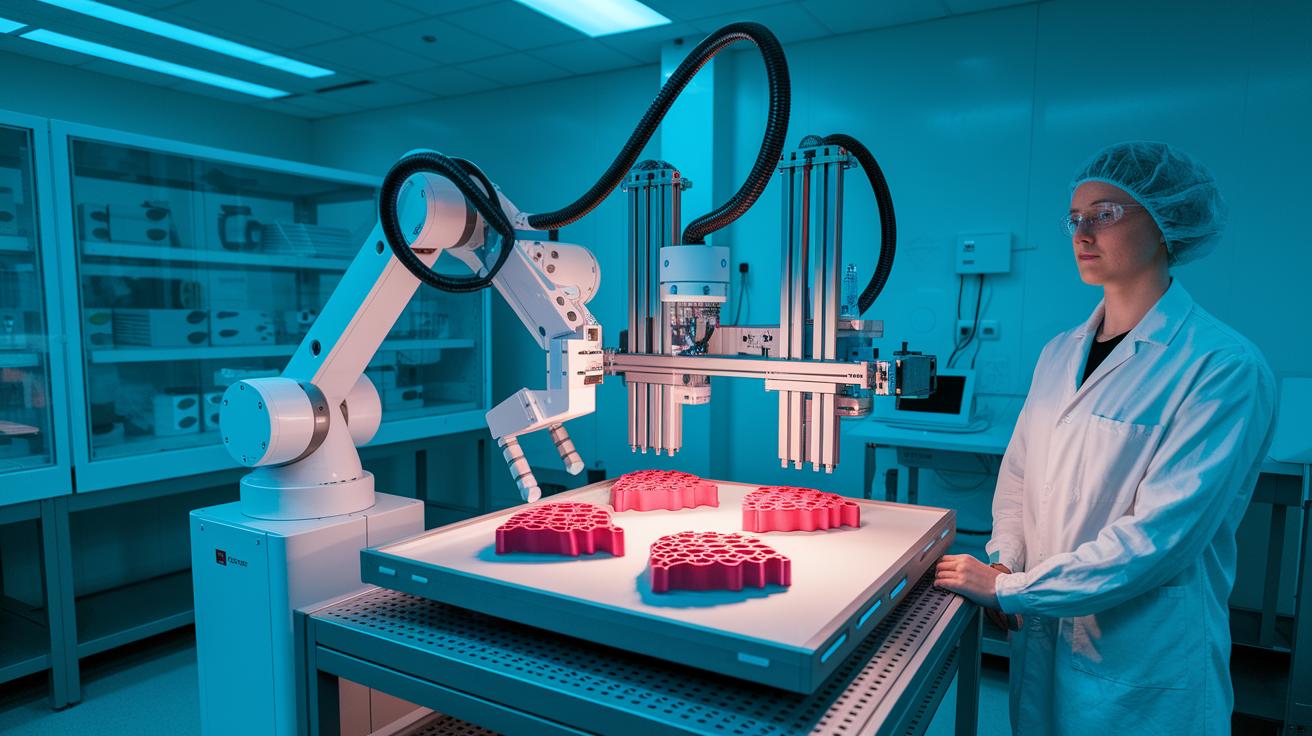
Researchers are trying new ways to solve problems when making heart patches. They use automated 3D bioprinting machines that can print many patches that look the same each time. They also follow set quality-check steps to be sure every patch is made right. This careful work is important because heart repair needs tiny, exact details. For example, a bioprinter that runs smoothly can copy the exact shapes needed for a patch to help the heart heal.
Scientists are also looking at the rules for moving these patches from the lab into real-life treatments. New devices must pass safety tests before doctors can use them. Think of it like trying out new safety gear that must be approved before it’s used everywhere. These careful steps help build trust with both medical experts and patients.
Money matters, too, in bringing this new technology into hospitals. Some ideas show that smart heart patches could cut the need for big surgeries and long-term care. By avoiding costly transplants and ongoing treatments, these new patches might save money in the long run. Plus, public and private research teams are joining forces to help make this advanced technology a regular part of medical care.
Final Words
In the action, this article explored advanced techniques for repairing heart tissue with new bioengineered patches built from stem cells and smart biomaterials. We examined how these patches find their way into clinical trials, showing promising recovery outcomes and smoother heart function. It’s exciting to see how every study pushes us closer to safer treatments for heart repair. The breakthrough bioengineered cardiac patches for heart tissue regeneration offer hope for healthier hearts and brighter futures.
FAQ
Q: What is a stem cell heart transplant?
A: The stem cell heart transplant refers to using a bioengineered patch infused with stem cells to repair damaged heart tissue, promoting natural tissue renewal and improved heart function.
Q: Are stem cell patches safe?
A: The stem cell patches are reported to be safe in initial studies, as they showed minimal immune response and good integration with existing heart tissue.
Q: What are stem cell patches for skin?
A: Stem cell patches for skin apply similar regenerative techniques by using cells to help rebuild tissue, although most current research emphasizes applications in heart repair.
Q: How do stem cell patches work?
A: The stem cell patches work by merging with injured tissue, releasing both cells and growth factors that promote new cell formation and restore blood flow in the heart.
Q: What is heart stem cell therapy and what are heart stem cells?
A: Heart stem cell therapy uses special cells capable of growing into heart tissue, which help repair damage and improve heart function, making them key to the regenerative process.
Q: What are engineered heart muscle allografts for repairing heart damage?
A: Engineered heart muscle allografts employ lab-made muscle tissue built from cells and supportive materials, as seen in animal studies and early human trials to restore heart function.
Q: What are the best stem cell patches?
A: The best stem cell patches combine advanced cell blends, growth factors, and supportive hydrogels to boost tissue recovery and show strong integration with heart muscle.
Q: Can you regenerate heart tissue?
A: Regenerating heart tissue is possible with bioengineered patches that stimulate cell growth and repair, reducing the likelihood of severe heart failure and lowering transplant needs.
Q: What is the heart patch treatment?
A: The heart patch treatment involves placing a bioengineered patch on the damaged area of the heart to encourage tissue repair and improve overall heart performance through cell-based therapy.
Q: Can artificial heart patients regenerate heart muscles?
A: Research suggests that regenerative therapies, including stem cell patches, may help patients with artificial hearts by promoting muscle repair, though studies are still in progress.
Q: How close are we to curing heart failure?
A: Advances in bioengineered patches and regenerative techniques show strong promise in treating heart failure, with ongoing research and early trials bringing us closer to effective cures.