
Imagine a doctor using a special 3D screen that shows parts of the body like blood vessels and the edges of a tumor. This smart new tool helps doctors see everything clearly, so they can take extra care during tricky operations.
The system uses a light headset with clever sensors to add bright, detailed images right onto a real view of the patient. It’s a bit like having a superpower that gives surgeons the exact details they need to be precise.
Isn’t it amazing how technology can make surgeries safer and smoother? This cutting-edge guide is changing the way doctors work, and it brings us one step closer to more controlled, accurate procedures.
Achieving Breakthrough AR Guidance in Complex Surgical Navigation

Breakthrough augmented reality guidance uses high-resolution CT and MRI scans (detailed body images) to add digital images on top of what you see in real life. Surgeons now enjoy a 3D view that feels almost like looking through a transparent window. This lets them study blood vessels, outline tumor edges, and spot safe cutting zones with clarity before making any incisions.
The system uses lightweight headsets paired with smart, AI-driven tools and clever image blending techniques. Newer surgical guidance systems like those built on Augmedics X2™ put these digital overlays right into the surgeon’s view. Tools such as SyncAR® bring live data into spine procedures. The headset displays detailed, full-color 3D images, while high-tech sensors make sure every instrument is tracked. All these parts join together to make even the trickiest surgeries a bit simpler.
One major benefit is better precision, which means fewer mistakes. For example, a study in Germany showed that using AR in hip replacement surgeries cut down errors by 23%. Even remote hospitals in Asia and Africa are getting on board by using lightweight AR glasses for telepresence, allowing expert surgeons to offer guidance from afar. This breakthrough technology is setting the stage for safer, more reliable surgeries and is constantly changing how we approach complex surgical navigation.
Integrating Advanced Operating Room Technology for AR-Empowered Navigation
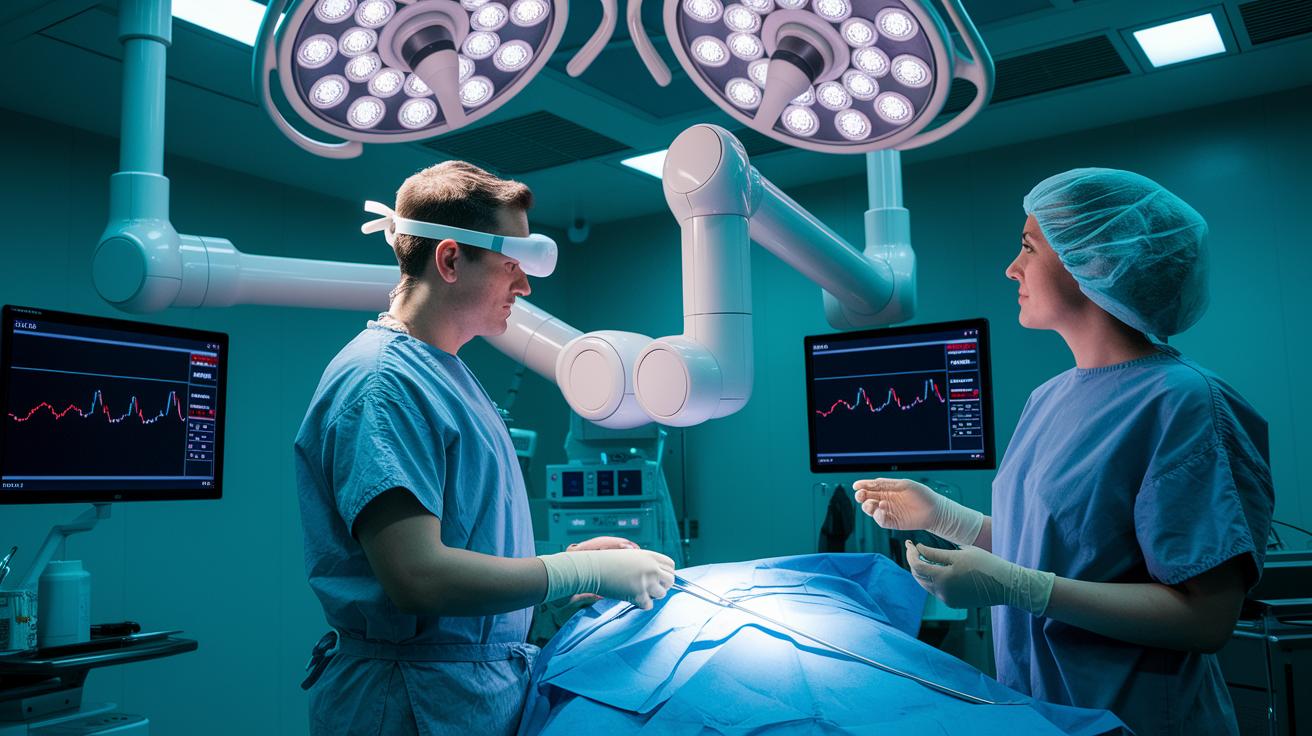
Modern operating rooms now mix AR headsets, smart sensors, real-time tracking, and robotic platforms to help the team during surgery. These headsets work hand-in-hand with robotic systems to show detailed images like tissue depth, nerve maps, and exact instrument positions. Live data from sensors is layered over preoperative scans, creating a moving digital view of the surgical area. This computer-assisted setup helps the surgical team see through complex anatomy and work as one smooth system. For example, when a surgeon glances at the display, they can quickly spot important landmarks during a delicate operation.
Bringing these high-tech tools into everyday practice makes a big difference in how smoothly surgeries go. Surgeons get instant visual feedback that boosts their dexterity and cuts down on errors. Instrument navigation becomes smoother, and blending digital with physical data means shorter surgical times. Teams enjoy better awareness, which cuts down on risks during procedures. One surgeon even mentioned how using this technology made their work much more precise, with fewer instrument mishaps during tough cases.
Precision Surgical Procedures Enabled by Real-Time Augmented Imaging

Imagine surgeons wearing special AR headsets that project vivid, 3D images right onto the surgical area. These lifelike overlays let doctors see deep inside the body, almost as if they had built-in X-ray vision. Whether it’s brain surgery, bone work, or those tiny, intricate operations, the system acts like a real-time guide, helping the surgeon make better decisions on the spot.
The magic happens by blending details from CT scans and MRI scans (detailed pictures taken from inside your body) with what the surgeon sees naturally. This creates a dynamic, rich view of the area they’re working on. It’s like having a clear, live map that directs every move, making each incision more precise and reducing risks along the way.
| Procedure | AR Application | Outcome |
|---|---|---|
| Hip Replacement | 3D Preoperative Planning | 23% error reduction |
| Spine Surgery | SyncAR® Real-time Guidance | Improved placement accuracy |
| Field Microsurgery | Holographic Overlays | Better target localization |
These impressive numbers, like the 23% drop in errors during hip replacements, really show how much clarity AR can bring into the operating room. Spine surgeries, which benefit from enhanced guide tools, also see better accuracy. And when it comes to tiny, detail-oriented microsurgeries, the digital overlays help pinpoint exactly where to operate. This breakthrough technology is changing the game, making critical procedures not only safer but also remarkably more precise.
Next-Generation 3D Anatomical Mapping for Complex Surgical Planning

Surgeons begin by gathering detailed CT and MRI scans (these are high-resolution images that show the inside of your body) to build interactive 3D models that clearly display blood vessels, tumor borders, and other important landmarks. It’s like assembling a puzzle where each scan adds another clear layer of detail; the final picture shows exactly where every critical structure lies, making the planning as unique as the patient.
With these detailed images in hand, the surgical team can practice the procedure virtually and spot any potential problems before the surgery even starts. The system updates in real time, which means that if new details pop up during planning, the team can quickly tweak their strategy. This forward-thinking approach helps them guard against surprises like hidden blood vessels or unexpected tissue borders. By blending this digital insight with their hands-on expertise, surgeons boost their readiness and reduce surprises during the operation. Overall, this advanced 3D mapping brings clarity, strengthens confidence, and lays the groundwork for safer, more effective surgeries.
Addressing Integration Challenges in AR Surgical Navigation
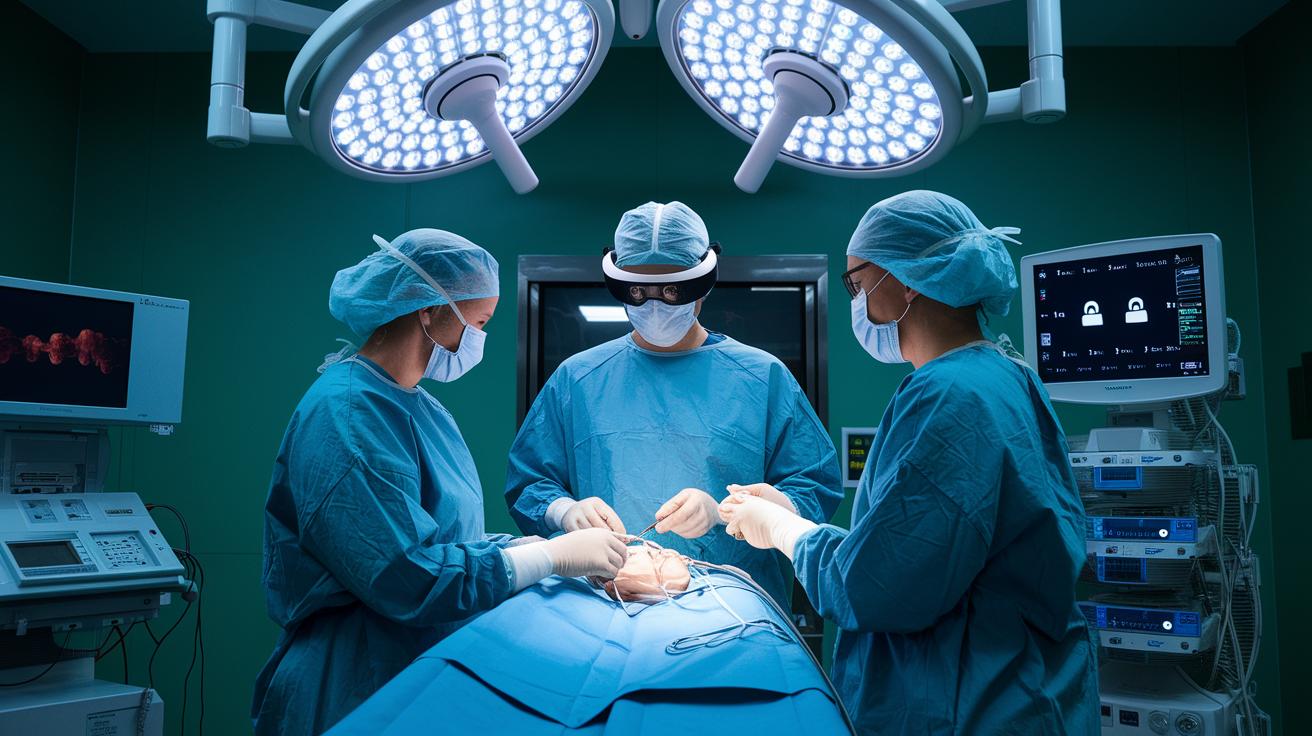
Bringing augmented reality into the operating room is no walk in the park. Hospitals have to face big challenges like expensive hardware and steep development costs. Plus, they must keep patient information private and follow strict rules like HIPAA (a set of laws protecting patient information) and GDPR (privacy rules in Europe). They also need to clear tough government reviews such as FDA and CE approvals.
- Hardware procurement and maintenance expenses
- Software development and integration costs
- Ensuring HIPAA and GDPR compliance
- Training surgical teams on new AR workflows
- Obtaining regulatory clearances (FDA, CE)
Hospitals are taking a smart, step-by-step approach to ease these challenges. They start by introducing the new system gradually while working hand in hand with trusted suppliers. At the same time, they train their teams so that everyone feels comfortable with the new technology. This careful, phased strategy helps manage the high costs and complex rules, making it easier for hospitals to use AR in surgery without compromising safety or efficiency.
Clinical Case Studies Highlighting Breakthrough AR Surgical Navigation

Case studies give us a real look at how AR guidance systems are changing the way surgeries are done. When surgeons use AR to overlay 3D images onto the operating area, every step becomes clearer. For instance, a team in Germany cut hip replacement errors by 23%. Before AR entered the scene, unexpected problems were common, but now digital previews let surgeons catch issues as they happen.
In remote hospitals, AR has done more than just reduce errors. Hospitals in parts of Asia and Africa have seen improved emergency assessments and quicker diagnoses, thanks to AR overlays. One large hospital even used AR to teach patients about their upcoming procedures, with a patient remarking that the digital guide made everything clear and less intimidating.
All these examples show that AR surgical navigation not only boosts precision but also helps patients feel more involved and confident in their care.
Future Directions in AI-Enhanced and Next-Gen AR Surgical Guidance

New AI tools are changing how surgeons use digital images during surgery. Next-gen surgical systems now come with smart helpers that point out unusual tissue, guide each step of the procedure, and even watch for shaky hands. These features work with smart computer vision in surgery (a way computers use images to understand what’s happening) to catch tiny details that might normally be overlooked. Prototype headsets that look like glasses are already in the works, showing full-color holograms that give doctors a clear, lifelike view of the area they’re working on. Imagine a surgeon wearing a lightweight headset with bright, realistic images, feeling more sure with every move.
Forecasts show big growth ahead, with experts predicting that augmented reality in healthcare will pass $46 billion by 2032. As more money flows into this field, AR research is blending with advanced virtual reality surgical training. This means creating realistic, simulated practice environments where doctors can try out tough procedures safely. It’s a mix of hands-on experience and smart, real-time advice that helps both new and seasoned doctors polish their skills without putting anyone at risk.
These breakthroughs are set to make surgeries run a lot smoother. By providing clear decision support, better guidance for instruments, and cutting down on mistakes, future AR systems aim to create operating rooms that are not only more efficient but also safer and more precise for patients.
Final Words
In the action, surgical teams are using AR overlays to reveal hidden details, merging live imaging with digital scans. The article broke down how smart headsets, AI tools, and 3D mapping sharpen planning and cut error rates.
Surgeons now benefit from clear visual cues that simplify complex steps. Breakthrough augmented reality guidance for complex surgical navigation is not only enhancing precision but also lighting up a promising path for safer procedures.
FAQ
How does AR overlay improve surgical planning and precision?
The AR overlay combines live images with digital CT and MRI data, giving surgeons a clear view of tissue structures and critical areas during surgery. This integration helps in more accurate incisions and safer instrument guidance.
How are new AR guidance systems integrated into operating room technology?
The AR systems work with sensors, tracking devices, and robotic platforms to display real-time images. This setup assists surgical teams in aligning instruments and streamlining procedures.
What benefits do AR systems provide for precision surgical procedures?
The AR systems project 3D overlays that guide surgeons in mapping vessels, tumors, and safe incision zones. This results in improved accuracy, lower error rates, and shortened procedure times.
How does 3D anatomical mapping assist surgeons in complex planning?
3D anatomical mapping merges CT/MRI data into an interactive model. Surgeons use this model to view vessels, tumors, and landmarks, helping them plan safer and more effective surgical approaches.
What challenges come with integrating AR surgical navigation systems?
Integration challenges include high hardware costs, software development issues, data privacy rules, the need for comprehensive team training, and meeting regulatory standards like FDA and CE clearances.
How have clinical case studies shown the impact of AR in surgery?
Clinical case studies reveal that AR guides can lower hip replacement errors by 23%, improve spine surgery accuracy, and even aid remote hospitals in performing telepresence surgeries while boosting patient education.
What do future directions look like for AI-enhanced AR surgical guidance?
Future advances include AI support for highlighting abnormal tissues and suggesting procedure steps, alongside prototype headsets with full-color holograms. Projections indicate a strong growth in AR applications across healthcare.