
Have you ever wondered what secrets hide in our skies and beneath our feet? It’s like the world is filled with mysteries waiting to be discovered.
Long ago, early stargazers used simple tools to reveal hidden truths about the heavens. They helped us see patterns in the stars that changed everything we thought we knew about our universe.
Today, we have powerful gadgets that act like super-enhanced glasses for the cosmos, helping us spot clues about life on far-off planets. Isn’t it amazing that our simple curiosity has led to tools that can explore the unknown?
All of this shows how blending curiosity with smart technology can lead to everyday breakthroughs. Who knows what wonders we might uncover next?
Earth and Space Exploration: Bold Future Ahead
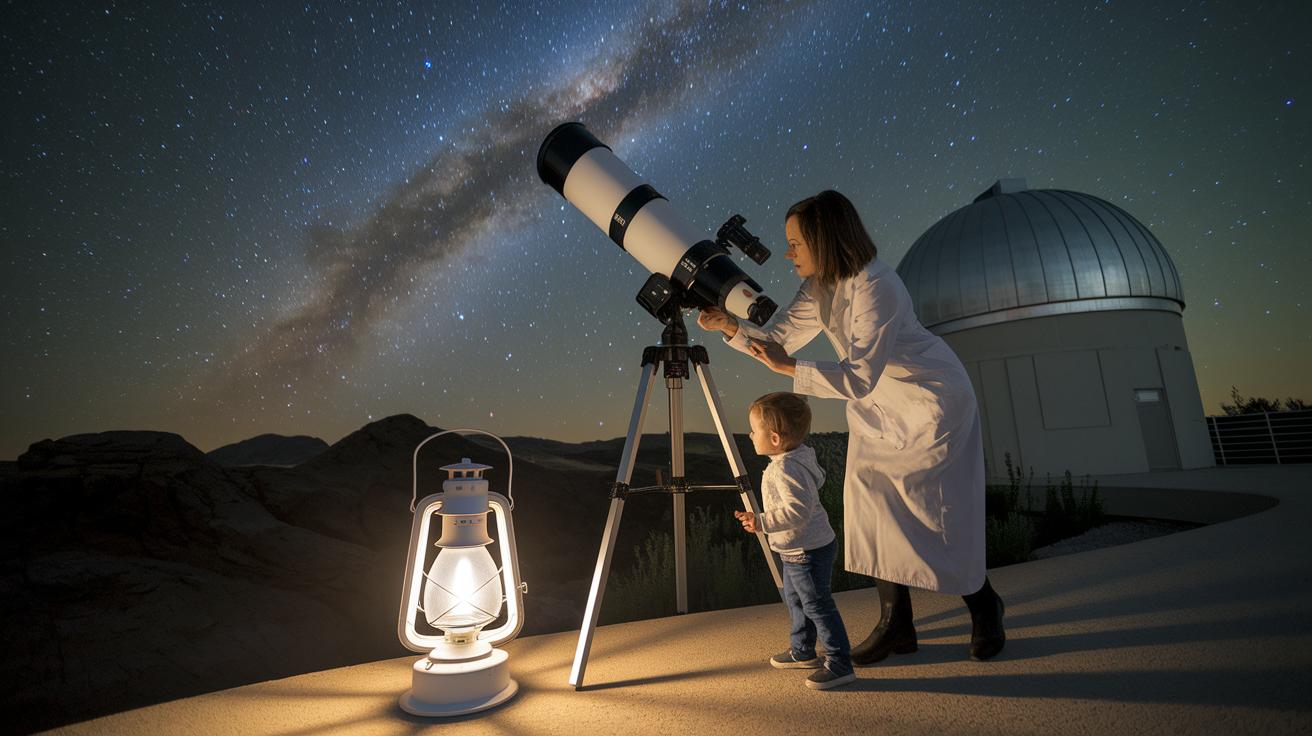
Our natural curiosity pushes us to explore both the familiar lands of Earth and the vast mysteries of space. Scientists study how our planet works and also look into the big universe – its sparkling stars, galaxies, and planets.
Think about early astronomers who peered at the night sky with simple tools. They uncovered secrets about how planets move long before we had modern telescopes. Isn’t that pretty amazing?
Today, researchers are checking out the atmospheres of planets far away from our solar system. With high-tech telescopes, they study light from distant worlds, searching for signs of water and other key ingredients that life might need.
What’s really awesome is that space exploration has given us everyday tools we count on every day. Improvements in cell-phone cameras, solar panels, and even GPS trace back to experiments in space. This mix of curiosity and practical discovery helps us understand our world better and brings amazing benefits right to our doorsteps.
Key Missions Shaping Earth System Analysis and Celestial Discoveries
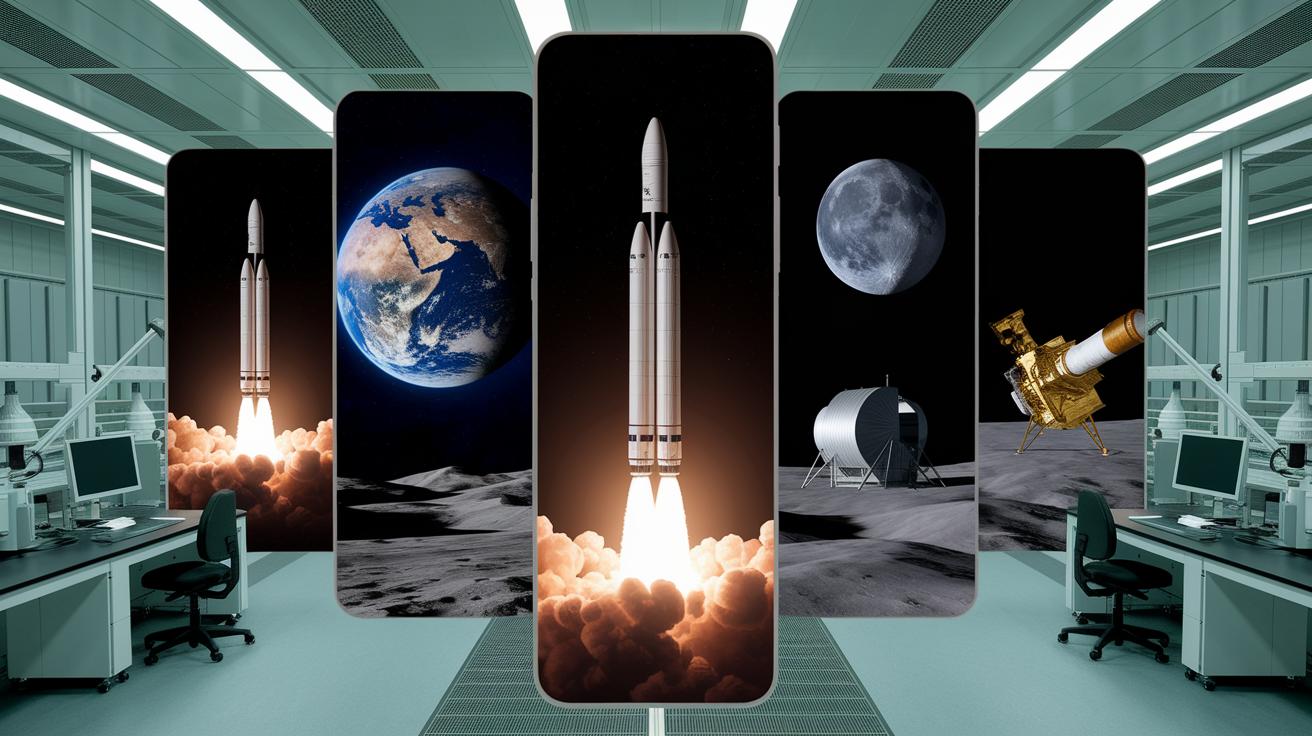
These important missions are the heart of our search for knowledge about our world and space. They show the path of our space adventures and how doing real tests in space has led to amazing discoveries. Every mission, from the first flights to today's high-tech observatories, has given us useful facts about the Moon’s surface, Earth's atmosphere in low gravity, far-off galaxies, and even Mars. The lessons learned push new research and tech improvements, helping us understand our planet and the huge universe even better.
| Mission | Launch Year | Purpose | Key Outcome |
|---|---|---|---|
| Apollo 11 | 1969 | Carrying people to the Moon to study its rocks and soil | Showed us what the Moon is made of thanks to human exploration |
| International Space Station | 1998–present | A long-term home for experiments in microgravity (a very low gravity setting) | Advanced our knowledge in biology and materials science |
| James Webb Space Telescope | 2021 | Using infrared to look at early galaxies and the atmospheres of exoplanets | Opened up new details of our expanding view of the universe |
| Mars Rover Programs | Since 1997 | Sending robots to roam Mars and study its surface | Mapped minerals and hunted for signs of past life |
Looking at these trailblazing missions clearly shows how history keeps guiding today’s science. They help connect what we learn about Earth with our ever-growing knowledge of the universe.
Technological Breakthroughs Driving Orbital Science and Environmental Monitoring
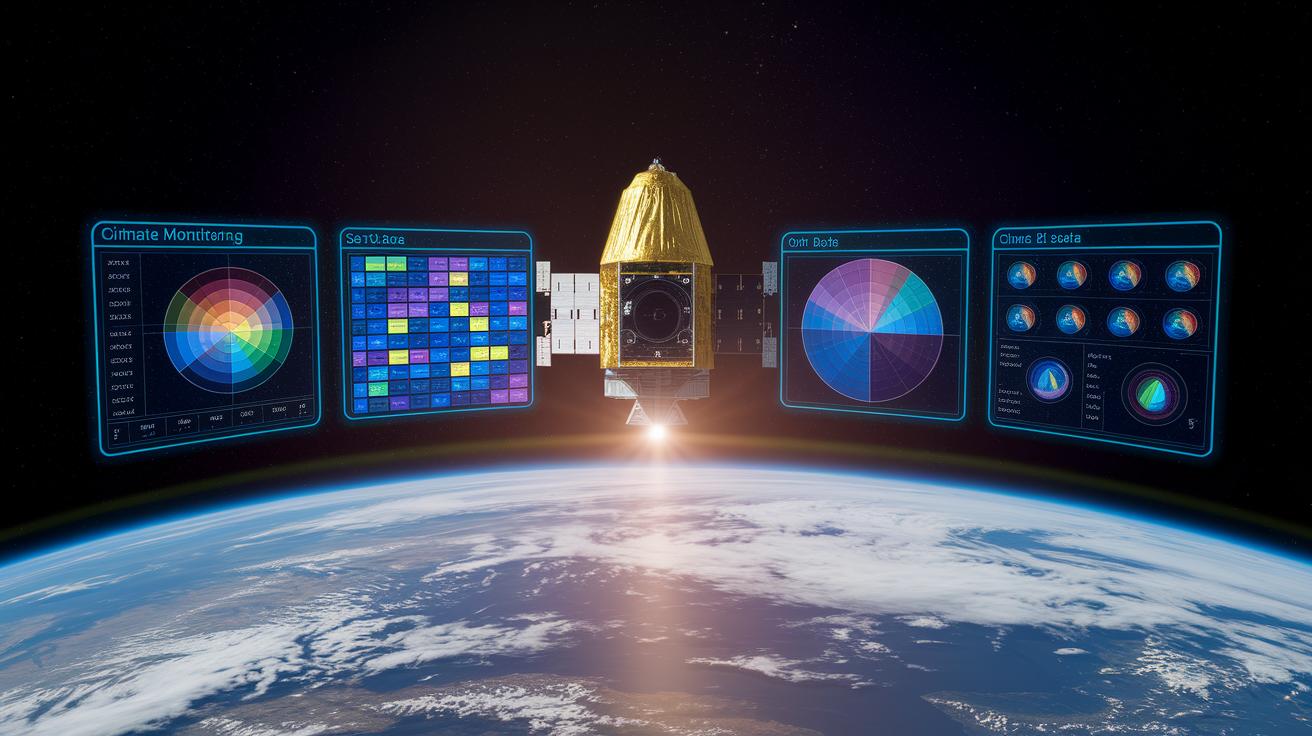
Satellites these days come with cool new tools that help them pick up tiny changes on Earth. They use gadgets like hyperspectral imagers, synthetic aperture radar, and LIDAR (a method that uses light to measure distances) to spot slight shifts in climate and land use. For instance, LIDAR can track changes in forest density so precisely that conservation teams get alerts almost as soon as the trees start thinning. It’s pretty amazing, satellites can now detect small variations in plant health that older methods just couldn’t see.
Recent missions have taken this monitoring to the next level by mixing thermal imaging (a way to see differences in heat) with smart moisture sensors. One study even tracked how farmlands dry out, giving teams useful data to make better decisions about watering. These advances add a fresh layer of precision to how we study and understand our planet.
Collaborative Research and Educational Programs Advancing Earth and Space Studies
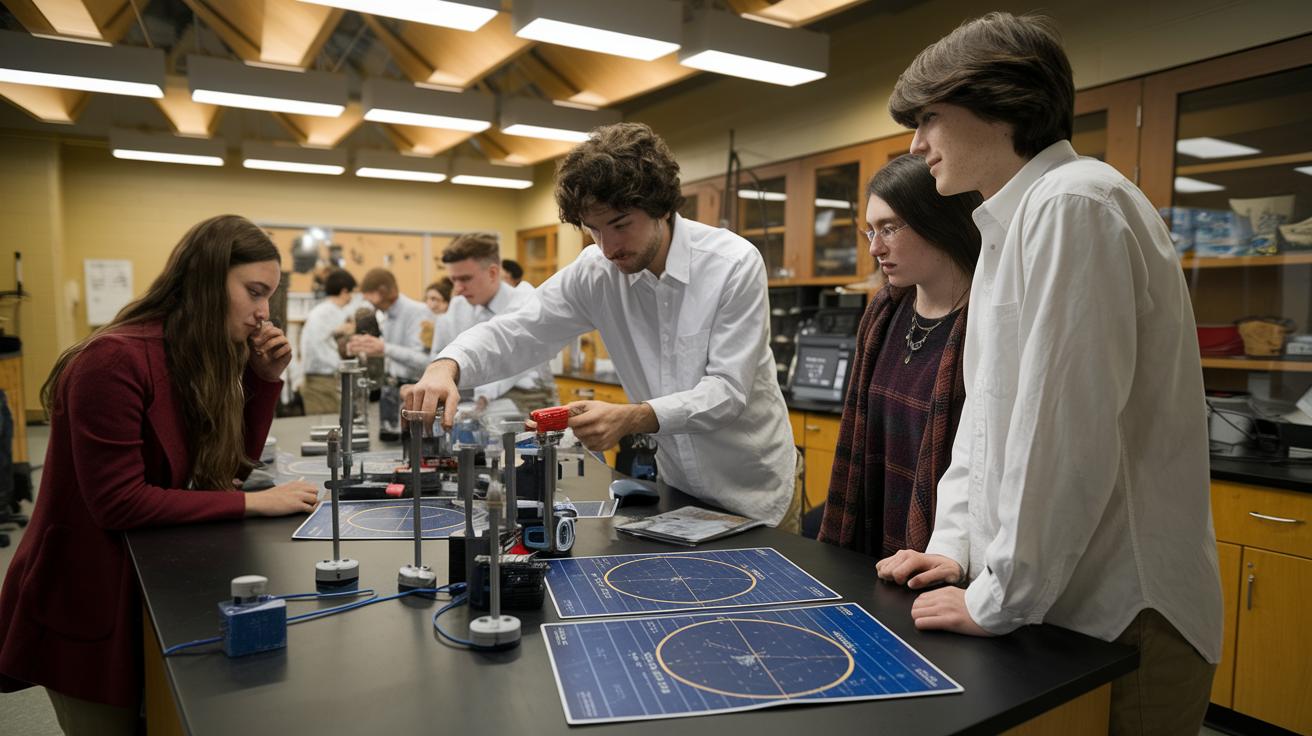
Universities host classes in astrophysics (the study of stars and space), planetary science (the study of planets), and space technology that help build the next generation of experts. These programs mix classroom ideas with hands-on experiments so students can watch science come alive.
Colleges also work with research centers so budding scientists get to tackle projects that deepen our grasp of Earth and space. Group projects and field studies move lessons away from textbooks and into real-life problem solving. For instance, a professor might ask students to set up tests to see how light changes when it travels through different kinds of air. It’s a simple challenge that sparks curiosity while teaching practical skills.
Public outreach rounds out these academic efforts by linking knowledgeable pros with community learners. Programs like NASA’s Artemis Student Challenge pair students with experienced mentors who guide them in building models of the lunar system (the Moon’s neighborhood). These projects not only make science approachable but also build confidence and inspire future careers in space studies.
Institute Profile: Space Center Houston
Space Center Houston invites learners of all ages to join interactive tours, workshops, and hands-on exhibits that make space exploration fun and tangible. Discover more about their engaging programs at space center houston.
Career Pathways: NASA Education and Internships
NASA offers a wide range of opportunities, from internships where you learn on the job to fellowships that boost your academic journey. These programs help you gain real skills for a career in STEM (science, technology, engineering, and math). Visit nasa careers for more details on these exciting tracks.
Future Prospects in Earth and Space Exploration

Scientists are checking out distant worlds by studying exoplanet atmospheres (the layers of gas around a planet) to see if these planets might support life. They’re also keeping a close watch on objects near Earth like asteroids and comets to help keep our planet safe. For example, tracking these space rocks in detail can give us early warnings about possible collisions, imagine a little sensor letting you know just as trouble is coming. Ideas for setting up a home on Mars are sparking excitement too, as researchers look at using local resources and building systems that support life. This mix of exploring new habitats and protecting our own planet fuels the ongoing search for life beyond what we know.
On the technology side, new methods to plot space routes (advanced trajectory computation methods) are changing how we plan missions to far-off planets and asteroids. Engineers are tackling the tough job of sending spacecraft deep into space while handling challenges like power management and delays in communication. These efforts are opening up exciting plans, from journeys into the dark depths of our solar system to collecting samples from far-away space rocks. Testing these bold ideas not only promises fresh scientific discoveries but also sparks big conversations about our future in space and the new techniques that will help get us there.
Final Words
In the action, this article traced our boundless quest from examining Earth's systems to probing deep cosmic mysteries. It covered key missions like Apollo 11, the ISS, the James Webb Space Telescope, and Mars rovers, while spotlighting clever tech innovations that shape everyday life.
Each section showed how teamwork in science and education leads to real benefits. Earth and space exploration continues to spark wonder and brighten our future. Stay curious, and keep embracing every new insight.
FAQ
What is Earth and space exploration in Arizona?
Earth and space exploration in Arizona represents vibrant research and observatories that study our planet’s systems and cosmic bodies while fostering collaborative academic and research initiatives statewide.
How do Earth and space exploration courses help students?
Earth and space exploration courses equip students with hands-on skills in planetary science, astronomy, and environmental analysis, inspiring them toward innovative careers in research and technology.
What does the ASU School of Earth and Space Exploration offer?
The ASU School of Earth and Space Exploration provides diverse programs in planetary and environmental sciences, supporting research and hands-on learning that prepare students for careers in Earth and celestial studies.
What events and maps are available for ASU Earth and space exploration?
ASU hosts special events like Earth and space exploration day and offers interactive major maps online, guiding students through curriculum options and showcasing the school’s dynamic research opportunities.
How has space exploration helped Earth?
Space exploration has helped Earth by leading to innovative technologies like GPS and solar panels, improving climate monitoring and communication while enhancing everyday life with practical scientific advances.
What are five careers in Earth science?
Five careers in Earth science include environmental consulting, geophysics, hydrology, climatology, and planetary geology, each offering opportunities to study Earth’s systems and address environmental challenges.
What is the study of Earth and space called?
The study of Earth and space is often known as planetary science, a field that merges Earth science and astronomy to explore our planet alongside the broader universe.
What are five interesting facts about Earth in space?
Five interesting facts include Earth’s magnetic field that shields us, its life-supporting atmosphere, a dynamic climate, its role in the solar system, and its intricate relationship with the sun’s energy.
What does Solar System exploration include and how do celestial bodies like Mercury and Pluto fit into studies?
Solar System exploration includes studying planets, dwarf planets, and the sun through missions led by agencies like NASA, with bodies such as Mercury and Pluto offering clues about our solar system’s formation and evolution.