
Have you ever thought that the fuels lighting up our cities might also be warming our planet? Fossil fuels like coal, oil, and natural gas can seem like modern miracles, but each time they burn, they release carbon dioxide (a gas that traps heat) into our air. Since nearly 80% of our energy comes from these sources, we really need to rethink how they might be changing our climate. Let’s take a closer look at how burning this ancient carbon affects our weather and explore new ways to help keep our Earth cool.
Understanding the Role of Fossil Fuels in Climate Change
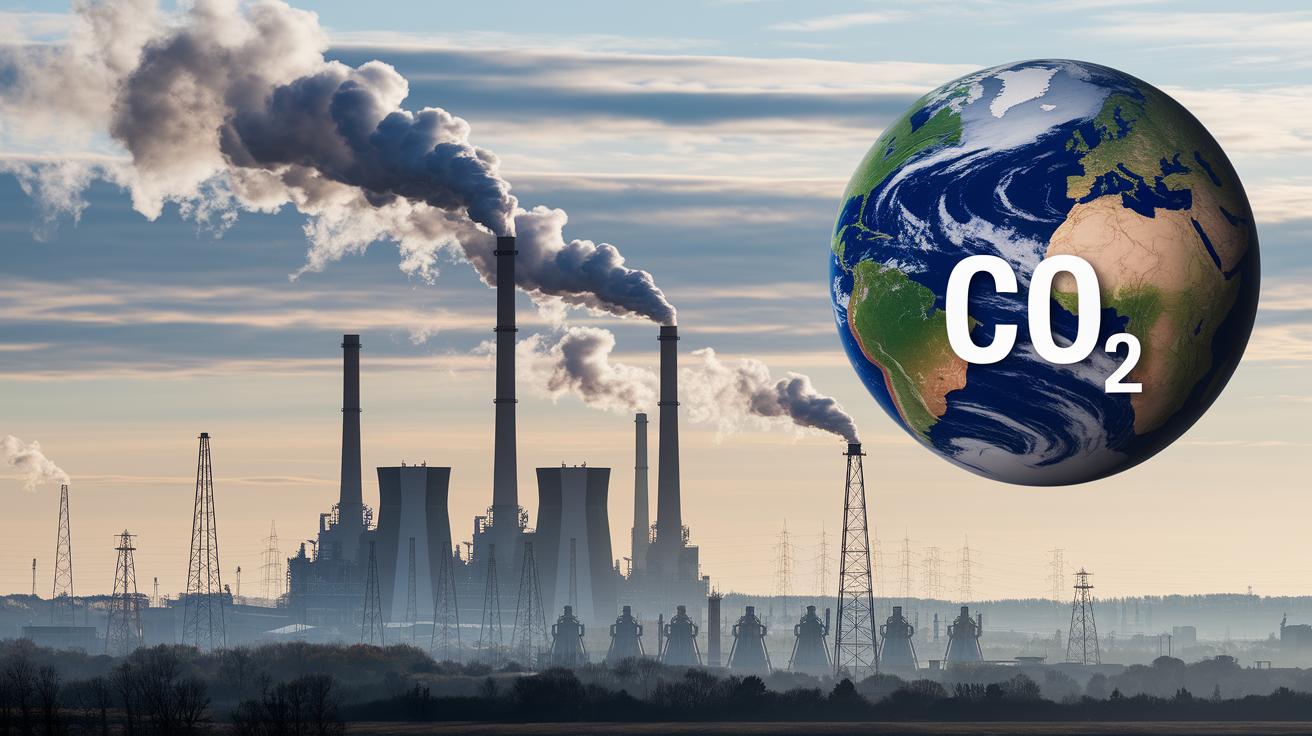
Fossil fuels, like coal, oil, and natural gas, power about 80% of the world's energy needs. These fuels come from ancient plants and animals that slowly turned into carbon-rich deposits over millions of years. When we burn them, a chemical reaction happens that releases a lot of CO2 (a greenhouse gas that traps heat). Think of it like burning wood, which releases CO2 quickly, but burning fossil fuels sends out CO2 on a huge scale that affects our planet's temperature for a long time.
Besides CO2, using fossil fuels also releases other gases. For example, methane (a gas that leaks from natural gas systems) and nitrous oxide (from factories) are also released. These gases trap even more heat than CO2, almost like adding extra layers on a blanket to keep our Earth warmer.
This all ties directly into what we call climate change. The constant burning of these ancient carbon sources steadily heats up our planet, leading to intense weather, longer heatwaves, and other disruptions. The buildup of these greenhouse gases changes the way energy flows through our Earth, a subject scientists keep a very close eye on.
Simply put, our heavy use of fossil fuels is a big part of the problem when it comes to changing our climate. Every time we power our homes, drive our cars, or manufacture everyday items, we tap into energy that took ages to form, and we add to the warming of our planet.
What Fossil Fuels Are and How They Form
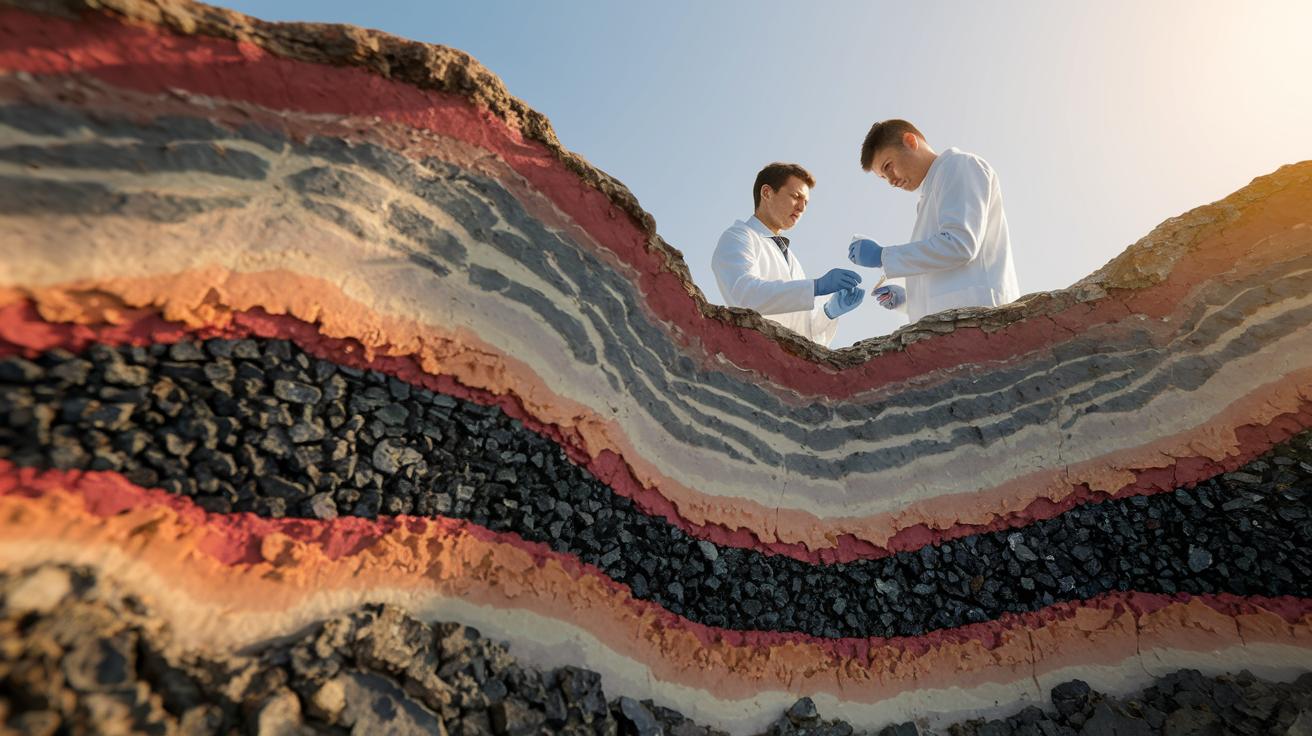
Fossil fuels come from plants, animals, and even tiny plankton that lived long ago. Over millions of years, these ancient remains got covered by layers of soil and rock. The heat and pressure inside the Earth slowly converted this decayed material into deposits rich in carbon. It’s a bit like nature’s very slow-cook method that turns old life into energy. Have you ever thought about how prehistoric life ended up powering our world today?
There are three main kinds of fossil fuels. Coal is made when swampy plant material, known as peat, is pressed down over time, squeezing out moisture and gathering more carbon. Oil forms from the liquid remains of ancient sea creatures that built up in layers over time. And natural gas, which is mostly methane (a light gas that burns cleaner), gets trapped in underground pockets. When we burn these fuels, they release the stored carbon into our air, adding gases that trap heat.
Each of these fuels carries a lot of carbon. When we burn them, that carbon changes our climate by adding to global warming. Understanding how fossil fuels are formed helps us see why they have been so important in shaping our climate over the years.
How Burning Fossil Fuels Produces Greenhouse Gases

When we burn fossil fuels, they mix with oxygen, leading to a reaction that creates carbon dioxide and water vapor. It might sound simple, but it’s a powerful chemical process. Basically, we're releasing carbon that’s been stored for millions of years into our air.
Think of it like lighting a candle. The flame melts the wax and mixes it with oxygen, which turns the wax into gas. In the same way, burning fossil fuels changes thick hydrocarbons (molecules made mostly of hydrogen and carbon) into gases that keep Earth warm by trapping heat.
During this process, the carbon in the fuel blends with oxygen to make carbon dioxide (CO₂), which is the main gas that warms our planet. But it doesn’t stop there. Sometimes, methane (CH₄) also escapes. Methane is especially potent, trapping over 25 times more heat than the same amount of CO₂ for a short time. Plus, nitrous oxide (N₂O) can also be released from cars and factories, which adds even more heat to the mix.
All these gases work together to form a thicker blanket around the Earth, making it tougher for heat to escape. This extra insulation from our long-used energy sources is a big reason why our climate is changing so much.
Quantifying Fossil Fuel Emissions and Global Temperature Trends

Global temperatures have climbed about 1°C since before industrial times, and by 2024, the 1.5°C mark was passed. This warming shows us that fossil fuels and other nonrenewable energy sources (like coal and oil) play a big role in heating our planet. In 2018, fossil fuels and industry were behind 89% of the world’s CO₂ emissions, which really highlights just how much ancient, stored energy is being released.
Think of it this way: every time you see a thermometer rising, imagine energy that was stored over millions of years suddenly flooding out. It might seem surprising, but in 2018, nearly 90% of CO₂ emissions came from fossil fuels and industrial activities. This heavy reliance on old carbon shows us how deeply our climate system is impacted.
The challenges are clear. The IPCC (Intergovernmental Panel on Climate Change, a group of scientists from around the world) has pointed out that greenhouse gas emissions need to be cut by half by 2030, and nearly brought down to zero by 2050, if we want to keep warming at or below 1.5°C. These numbers aren’t just stats; they’re a call to action for our communities and governments to work together on reducing traditional fossil fuel emissions.
Consequences of Fossil Fuel Use for Environment and Society

Depending on fossil fuels makes our world change in ways that hurt communities everywhere. Ice in far-off places is melting, which adds extra water to our oceans. This extra water slowly pushes onto coastal towns and islands. Imagine a shore where kids used to build sandcastles now being slowly swallowed by the advancing sea. It’s a clear sign of how our energy choices shape our natural surroundings.
We’re also seeing more and stronger storms. When the ocean warms even a little, a mild storm can become a powerful force that changes coastlines. Heavy floods and fast-spreading wildfires are becoming more common too, causing big problems for homes, jobs, and local lives.
At the same time, burning coal, oil, and gas fills the air with harmful particles and ground-level ozone, which is a type of air pollution (tiny bits that can make breathing hard). People, especially those with conditions like asthma, can struggle more, and hospitals often see more patients during these times. Everyday routines get changed as communities take action to protect themselves from the poor air quality.
Both nature and our health feel the effects of using fossil fuels. Unpredictable weather and polluted air show us that our energy choices directly affect the world around us. Every little change matters, reminding us to think about how we use energy and what that means for our future.
Mitigation Strategies to Curb Fossil Fuel Emissions

Governments and groups can act quickly by changing how they back energy. One smart idea is to stop giving free money to fossil fuels. Experts like those at the IPCC (Intergovernmental Panel on Climate Change) say that ending these subsidies and adding a cost to carbon makes it less fun to burn oil, gas, and coal. Imagine if paying for pollution pushed companies to look for cleaner energy options.
America’s carbon pollution plan is a bold move in that direction. It aims to cut national emissions by 40% over the next ten years. This plan encourages energy makers to use cleaner technology while also nudging industries toward renewable sources like solar and wind. These cleaner options not only lower pollution but also help build healthier communities by reducing harmful particles in the air.
Many major economies around the world have similar goals. They are using financial rules to stop new investments in coal and oil projects. Banks and other financial institutions are now being encouraged to support green projects instead. Imagine a bank rethinking its loans and deciding that funding a solar farm is a smarter long-term investment than backing a new coal mine.
Some key policy moves include:
| Policy Action |
|---|
| Stop fossil fuel subsidies |
| Put a price on carbon |
| Cut financial support for new coal and oil projects |
Taken together, these steps offer a solid way to reduce fossil fuel use and steer us toward cleaner energy. With smart policies and strict financial controls, we can really make a difference in the fight against climate change.
Transitioning from Fossil Fuels to Clean Energy Alternatives
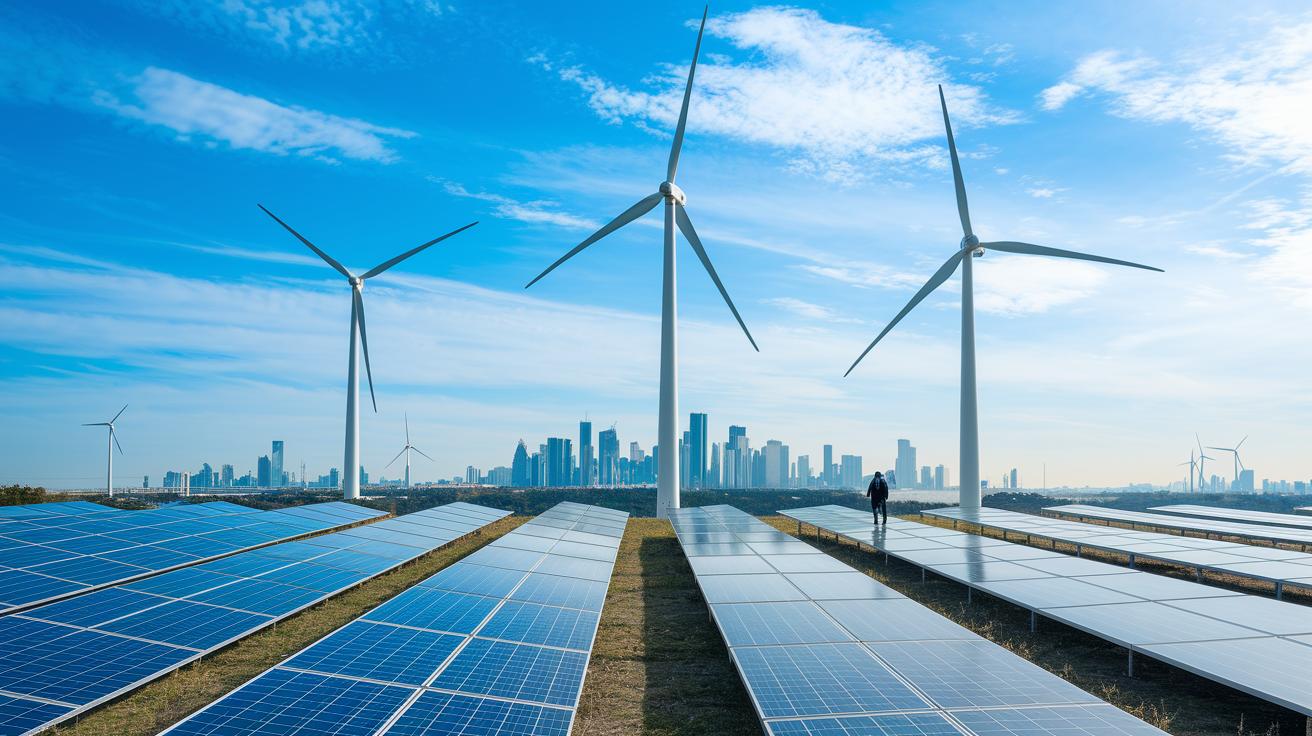
Around the world, leaving behind oil, gas, and coal is fast becoming a top concern. Clean options like solar and wind power are expected to supply more than half of the electricity in many places by 2035. This change means that communities can soon enjoy energy that doesn't add extra carbon to the air when used. In fact, our future energy grid will be powered by bright, clean sources that come straight from the sun and wind.
Another important piece of the puzzle is energy efficiency. By improving how we design buildings and choosing smarter ways to travel, we might lower the need for fossil fuels by as much as 30%. Think about swapping out old, energy-guzzling appliances for smarter ones that use less power but work even better. Not only does this cut down on harmful emissions, it also helps lower electricity bills and makes our cities more resilient.
Tech advances are also boosting the reliability of clean energy. Battery storage, for instance, has come a long way in saving power for those cloudy days when the sun isn’t shining or the wind isn’t blowing. Plus, green hydrogen (a clean form of energy made from water) shows lots of promise for times when solar and wind might not be enough. Together, these innovations help keep a steady flow of electricity, making sure our grids stay stable and dependable even as we use less fossil fuel.
Key steps in this renewable transition include:
- Expanding solar and wind installations
- Implementing large-scale battery storage solutions
- Investing in green hydrogen production
These actions lead us toward a future where our energy sources help keep our planet cool while supporting lively, community-driven growth.
Final Words
In the action, we traced fossil fuels from their ancient origins through the burning process that releases CO₂ and other heat-trapping gases. We highlighted how fossil fuels and climate change are tightly linked and examined the impact on our everyday lives. Our quick tour took us from the science behind carbon-rich reserves and rising global temperatures to practical policies and clean energy alternatives. It’s exciting to see real steps toward a healthier, more sustainable future.
FAQ
What does the fossil fuels and climate change pdf cover?
The fossil fuels and climate change pdf explains how burning coal, oil, and gas releases greenhouse gases like CO₂, which warm the planet and change weather patterns.
What are the effects of fossil fuels on the environment?
The effects of fossil fuels on the environment include releasing heat-trapping gases that warm the planet, causing rising sea levels, more intense storms, and increased wildfires.
What do the 2021 and 2022 findings say about fossil fuels and climate change?
The recent findings on fossil fuels and climate change show that burning these fuels continues to be the top source of CO₂, steadily driving global temperature increases over recent years.
What are the primary causes of climate change?
The causes of climate change mainly include fossil fuel burning, deforestation, and industrial processes. These actions release carbon dioxide and other gases that trap heat and push temperatures upward.
How does fossil fuel combustion affect climate change?
Fossil fuel combustion adds large amounts of carbon dioxide and other heat-trapping gases to the air, which increases global warming and shifts overall climate patterns around the world.
How much of climate change is driven by fossil fuel emissions?
Fossil fuels contribute about 89% of global carbon dioxide emissions, making them the key factor behind the rapid changes seen in our climate today.
What is considered the main polluter on planet Earth?
The main polluter on planet Earth is largely tied to burning fossil fuels, where energy production, transportation, and industry emit huge volumes of greenhouse gases into our atmosphere.