
Have you ever wondered how our space trips went from risky launches to amazing feats of engineering? New smart technology, tougher materials, and super-fast computers are changing the way we explore space. Imagine rockets that zoom up into the sky and then come back safely, or onboard systems that make split-second choices. As these cool technologies keep evolving, ideas that once seemed impossible are now becoming a reality while also cutting costs. Get ready to watch the future of space travel unfold right before your eyes.
Key Technologies Driving Space Exploration Missions
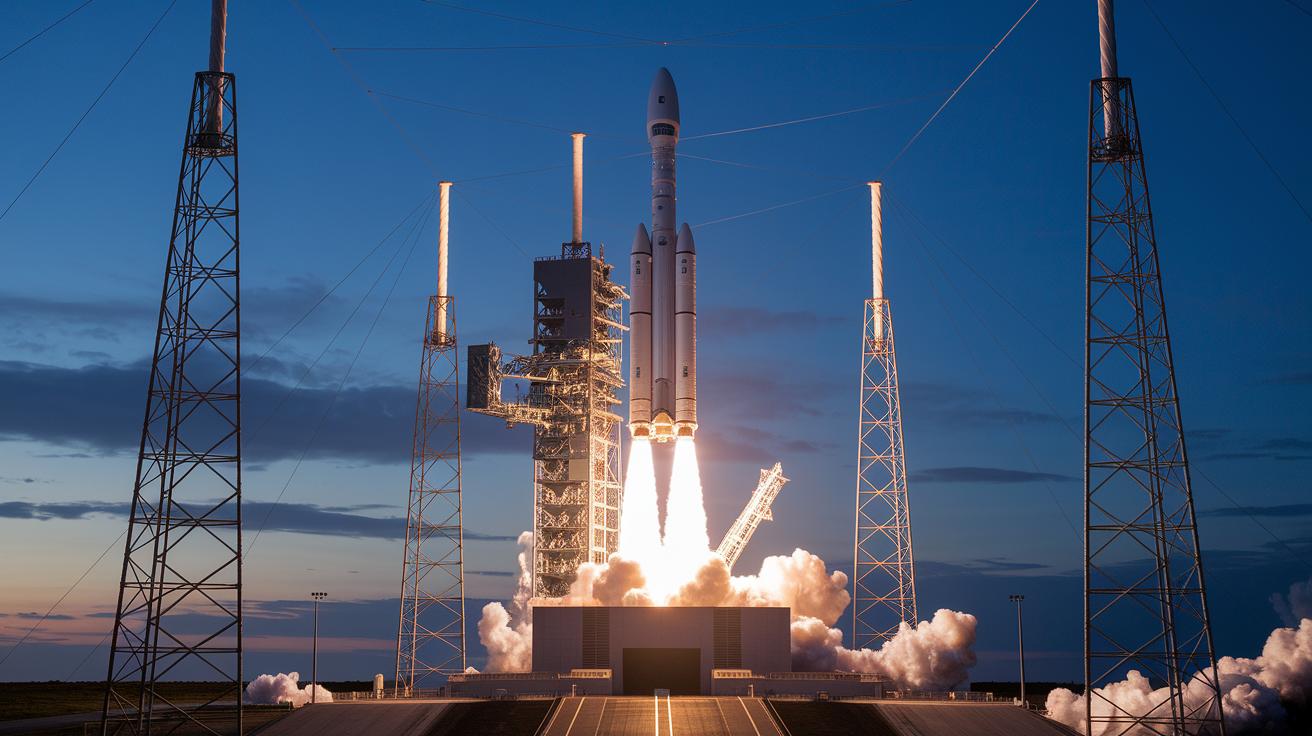
Space missions come with plenty of challenges. Think high launch costs, extreme conditions, and super tight schedules. But thanks to recent tech breakthroughs, our approach to space travel is getting a friendly upgrade. New devices and smart tech are making the journey safer and smoother.
Advances in materials, engineering, and computing have boosted both crewed and robotic missions. We now see ideas like reusable launch systems, cool propulsion methods, and clever data analysis turn what once seemed like pure sci-fi into real-life breakthroughs in space travel.
- Reusable launch systems
- Electric propulsion
- Nuclear thermal propulsion
- Small satellite platforms
- AI-driven data analysis
By mixing these innovations, space missions can now travel further and accomplish more complex tasks without breaking the bank. For example, rockets like the Falcon 9 first stage can take off, land, and fly again, which cuts costs and increases launch frequency. Electric propulsion means getting high speeds with less fuel, and nuclear thermal propulsion uses nuclear reactors (devices that harness nuclear energy) to heat the fuel, cutting deep-space travel times. Meanwhile, small satellite platforms, such as CubeSats, offer affordable ways for Earth observation, and AI-driven data analysis speeds up crucial decisions during missions. All these breakthroughs are not only solving tough challenges but also paving the way for even bolder adventures beyond our planet.
Reusable Rockets in Space Exploration: Lowering Costs and Expanding Access
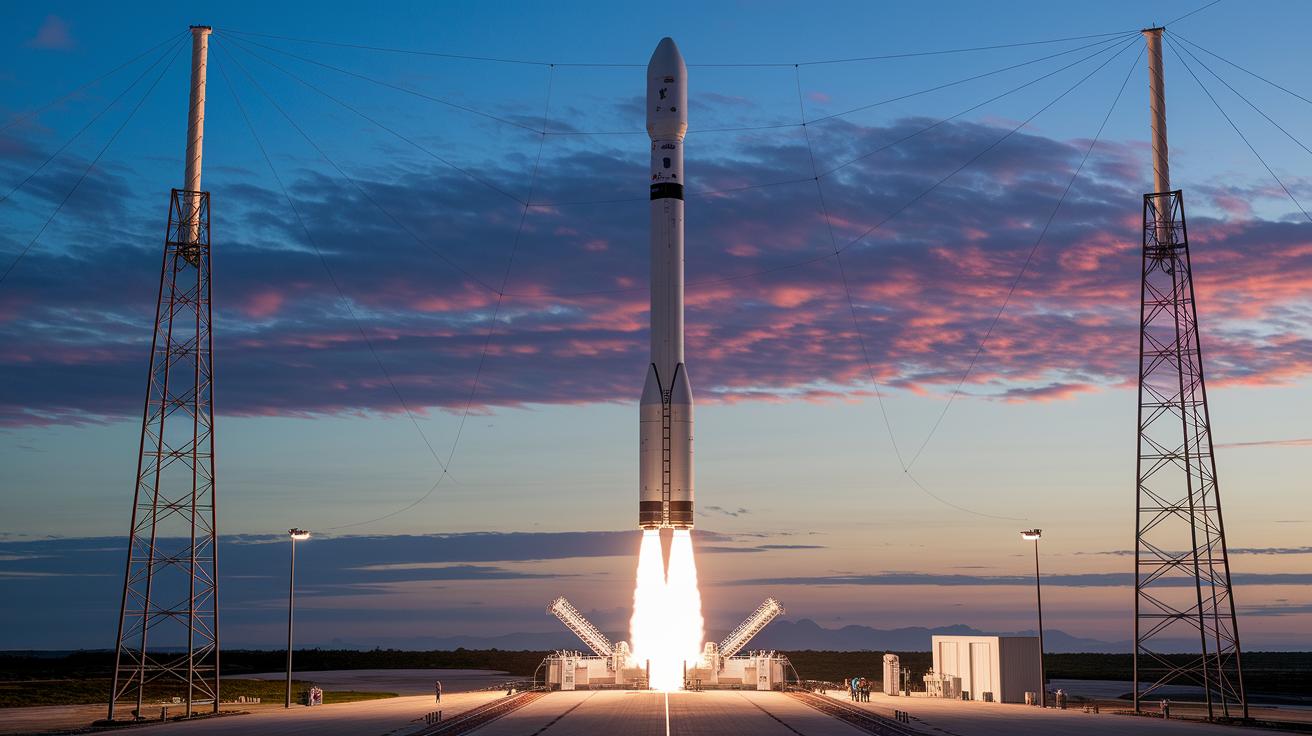
Before reusable rockets came along, every space launch was very expensive. Rockets were made to be used only once, so each mission meant building a brand-new one, which strained budgets and cut down the number of launches.
Then came the breakthrough with designs like Falcon 9’s first-stage reuse. Instead of tossing the booster after a flight, engineers learned to land it and fix it up. They use handy features like grid fins (small, wing-like parts used for steering) and strong landing legs to help guide the rocket safely back to the ground. This smart process slashes the overall cost of each mission and has paved the way for more business flights and regular resupply trips to the International Space Station.
For instance, when Falcon 9 is used repeatedly, companies end up paying less per launch. This lower cost means they can send more experiments and satellites into orbit. What’s really cool is that these innovations don’t just streamline how often rockets fly. They also make space travel available to a wider range of users. Companies that once faced sky-high expenses now see a future where space is more affordable and flexible. This change is sparking a fresh burst of collaboration and opportunity in both research and the commercial side of space exploration.
Advanced Propulsion Systems in Space Exploration
Electric Propulsion
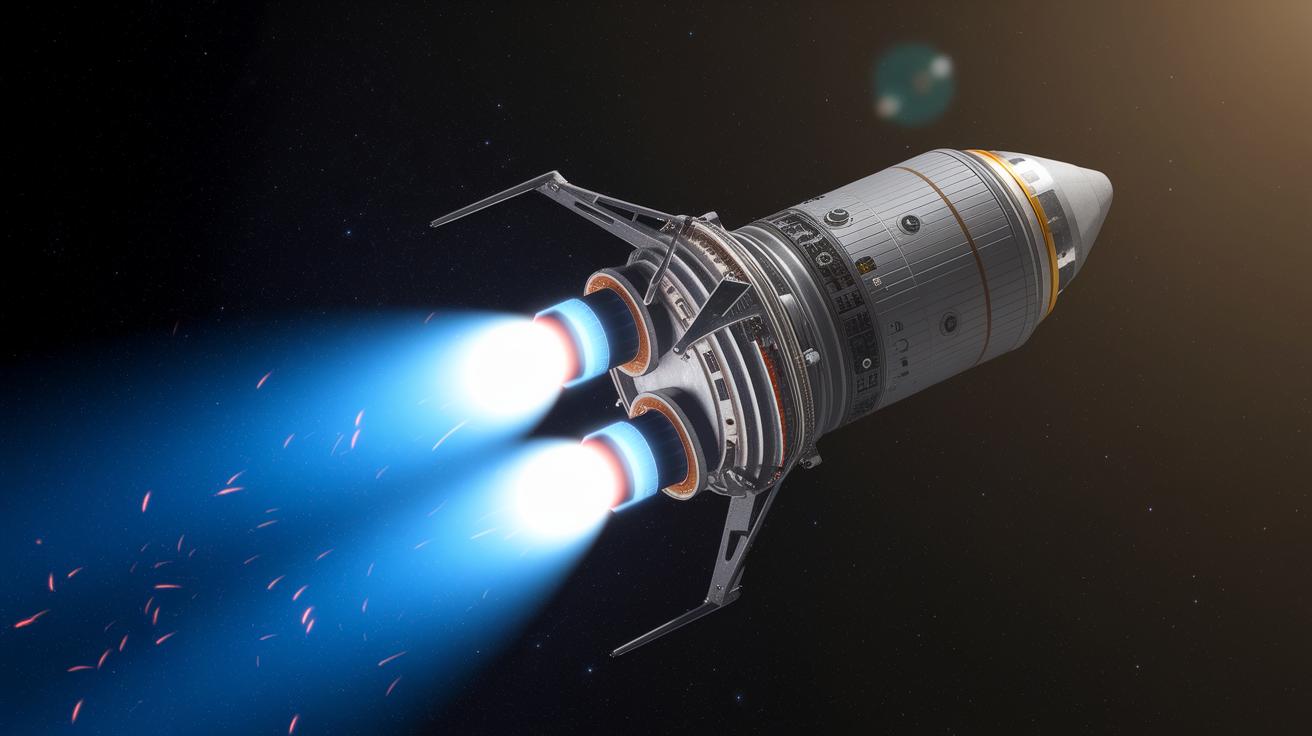
Electric propulsion makes use of thrusters like Hall-effect thrusters and ion drives. These engines push charged particles (ions) to speeds over 30 km/s – think of it as giving the spacecraft a steady nudge that adds up over time. NASA’s Dawn mission, for example, tapped into this technology to visit distant asteroids. This method lets missions run longer without needing to refuel often, which is a big plus for deep space trips. Its precise control and constant, gentle push keep it a top choice for those long-duration journeys.
Nuclear Thermal Propulsion
Nuclear thermal propulsion heats up a propellant using a nuclear reactor inside the engine. By doing this, the rocket gains a lot of thrust much faster. It offers a specific impulse (a measure of how efficiently an engine uses fuel) of around 900 seconds, compared to about 450 seconds with traditional chemical rockets. Imagine humans reaching Mars in a much shorter trip – that’s the promise here. Safety is key, so engineers are always working on designs that balance energy output with keeping the crew secure. This approach could cut down travel times between planets while using less fuel overall.
Chemical Propulsion Advancements
Recent upgrades in chemical propulsion are all about making engines lighter and more efficient. Engineers are now using new fuel blends, like hydrocarbon-oxygen mixtures, and stronger, lighter carbon-composite tanks. These changes help engines perform better during critical moments such as liftoff and orbital insertion. For missions to low Earth orbit and the moon, these improvements mean rockets can overcome gravity more gently and reliably. The ongoing innovations in chemical propulsion will continue to support our growing adventures into space.
Small Satellite Technology Advances in Space Exploration
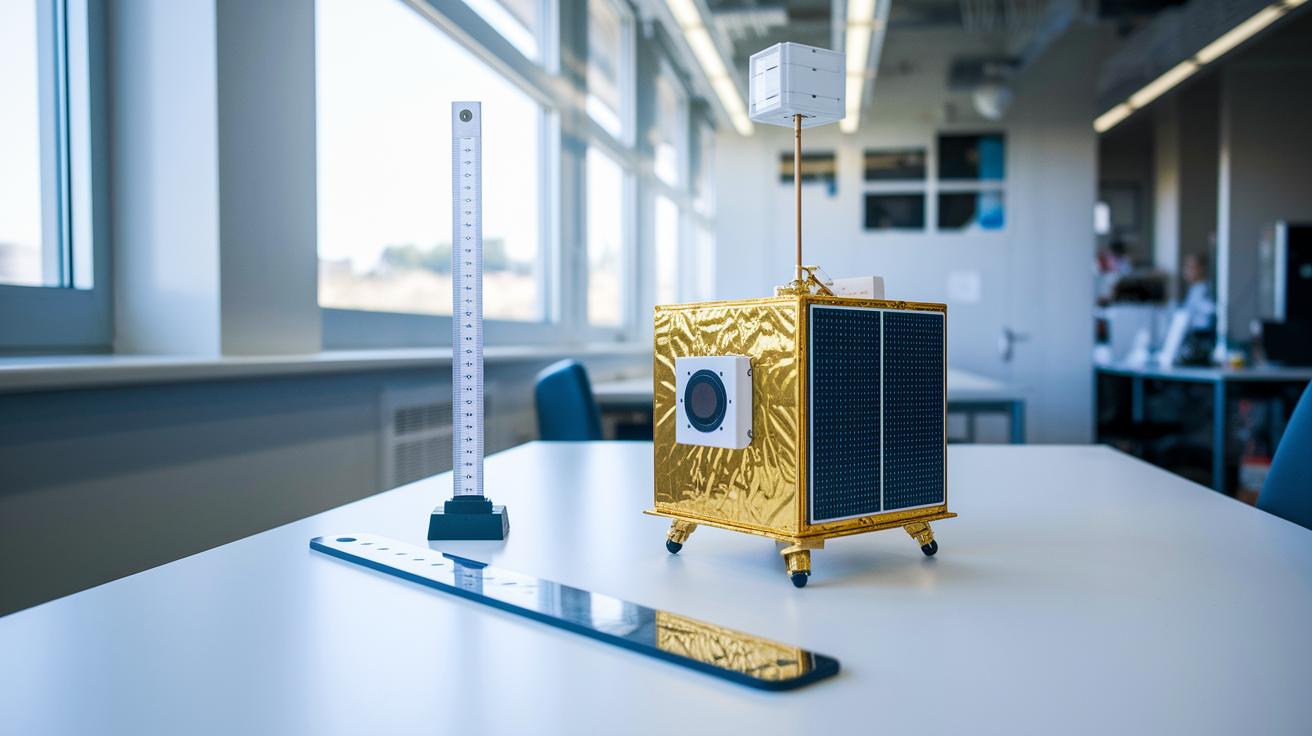
Small satellites have really changed how we explore space. They are budget-friendly and quick to develop. For example, CubeSats (tiny, cubic satellites) weigh less than 1.33 kg and cost under $100k each. They show us that making things smaller not only saves money but also speeds up the journey of research into space.
| Small Satellite Type | Mass | Key Application |
|---|---|---|
| CubeSat | 0.25–1.33 kg | Earth observation, technology demos |
| NanoSat | 1–10 kg | Scientific payloads, communications |
| MicroSat | 10–100 kg | Remote sensing, constellation nodes |
| PicoSat | <1 kg | Technology validation |
New groups of small satellites, called mega-constellations, are on the horizon. They promise almost instant data collection thanks to better ways of sending data down to Earth and improved sensors (devices that detect changes). Imagine a network of smart satellites working hand in hand with ground stations and clever computer systems that quickly sort and share important information. With the rising need for fresh, detailed data, this blend of low cost and high performance in small satellites is set to spark big changes in space research and everyday technology.
Robotics and AI in Space Exploration Missions
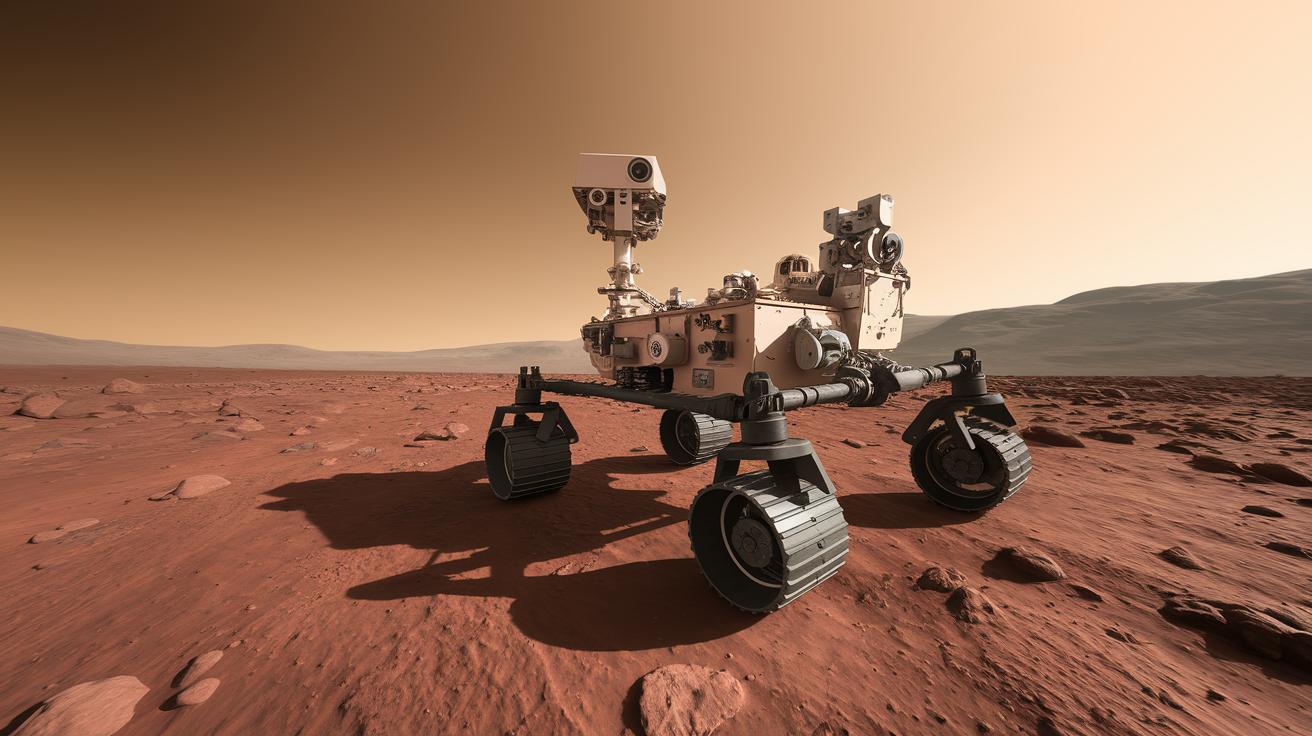
Mars rovers like Opportunity and Spirit landed back in 2004 and really changed how we explore space. They traveled over 28 miles on Mars, sending back clear, detailed pictures of the planet's rugged surface. These early explorers gathered important information that led to the advanced sensors and smoother movement we see on today's rovers. Even older missions, like the Voyager probes launched in 1977, still send us data from beyond our solar system. Their sturdy designs show that solid engineering never goes out of style, and they continue to inspire engineers to push exploration technology even further.
Modern missions now use artificial intelligence and machine learning to make space robots even smarter. The onboard AI (a computer system that can learn and make decisions on its own) lets spacecraft handle critical tasks by themselves and sort through huge amounts of data. This smart tech also spots problems early and helps keep systems running smoothly. It even guides future landers to move safely across tricky planetary surfaces. With AI leading the way, our space machines are set to become more dynamic and responsive, making them true partners in our journey to uncover the universe’s secrets.
Communication and Remote Sensing Technologies for Space Exploration
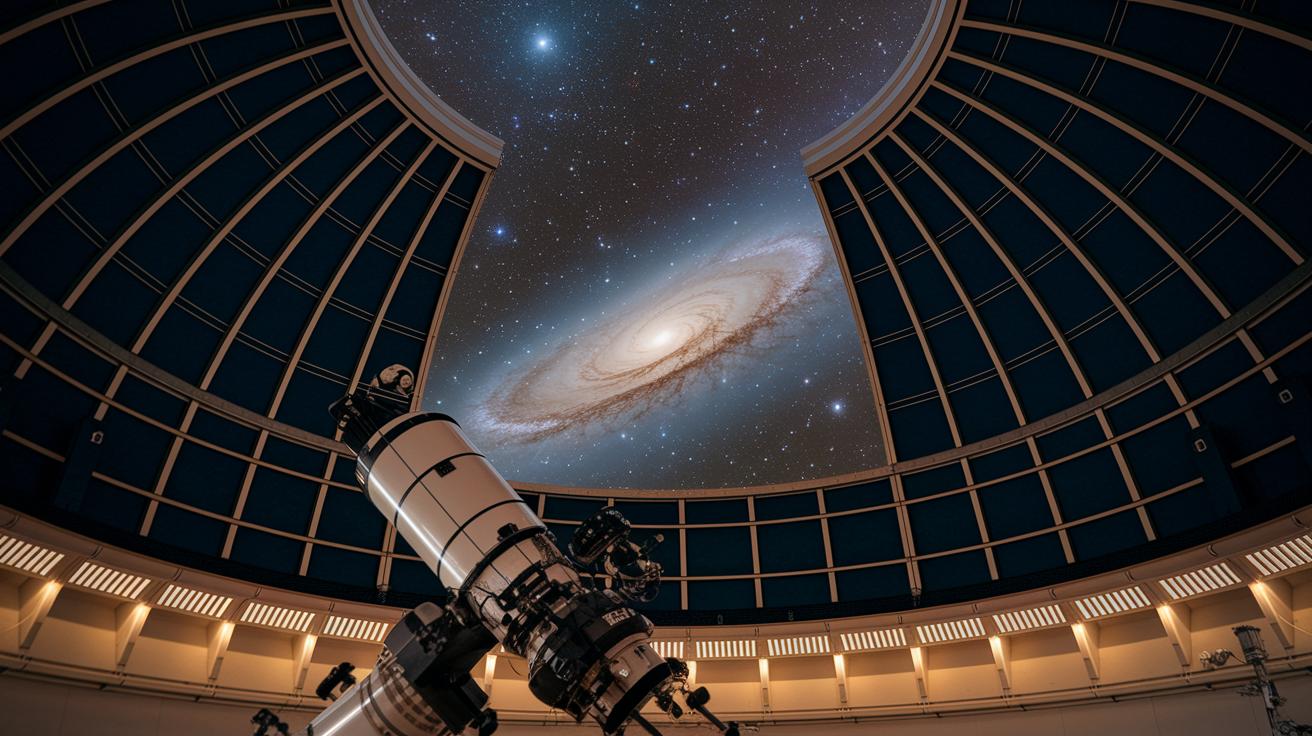
Since Hubble launched in 1990, our view of the universe has grown more and more detailed. Back then, Hubble’s deep-field images showed thousands of galaxies, giving us our first real peek into the vastness of space. Recently, the James Webb Space Telescope took the stage with a stunning image of the Rho Ophiuchi cloud complex, which is about 390 light-years away. Webb’s amazing infrared sensors (devices that see heat) let it look through cosmic dust to capture even more detail. This shift from Hubble to Webb shows how new space tech helps us understand far-off worlds.
Today’s space observatories come packed with cool tools like spectrometers, imagers, and radiometers. These instruments pick up different kinds of light, like infrared, ultraviolet, and visible light, to reveal secrets such as how stars are born and what surrounds distant planets. For instance, a spectrometer splits light into different colors, which lets scientists figure out what celestial bodies are made of. But even with all these breakthroughs, sending the huge amounts of data back to Earth remains a big challenge. The communication systems on these telescopes have to handle super-fast data transfers, all while fighting against the immense distances of space. Tackling these issues is key to turning raw sensor readings into the fascinating discoveries that continue to push the boundaries of our cosmic knowledge.
Future Technologies Shaping Sustainable Space Exploration
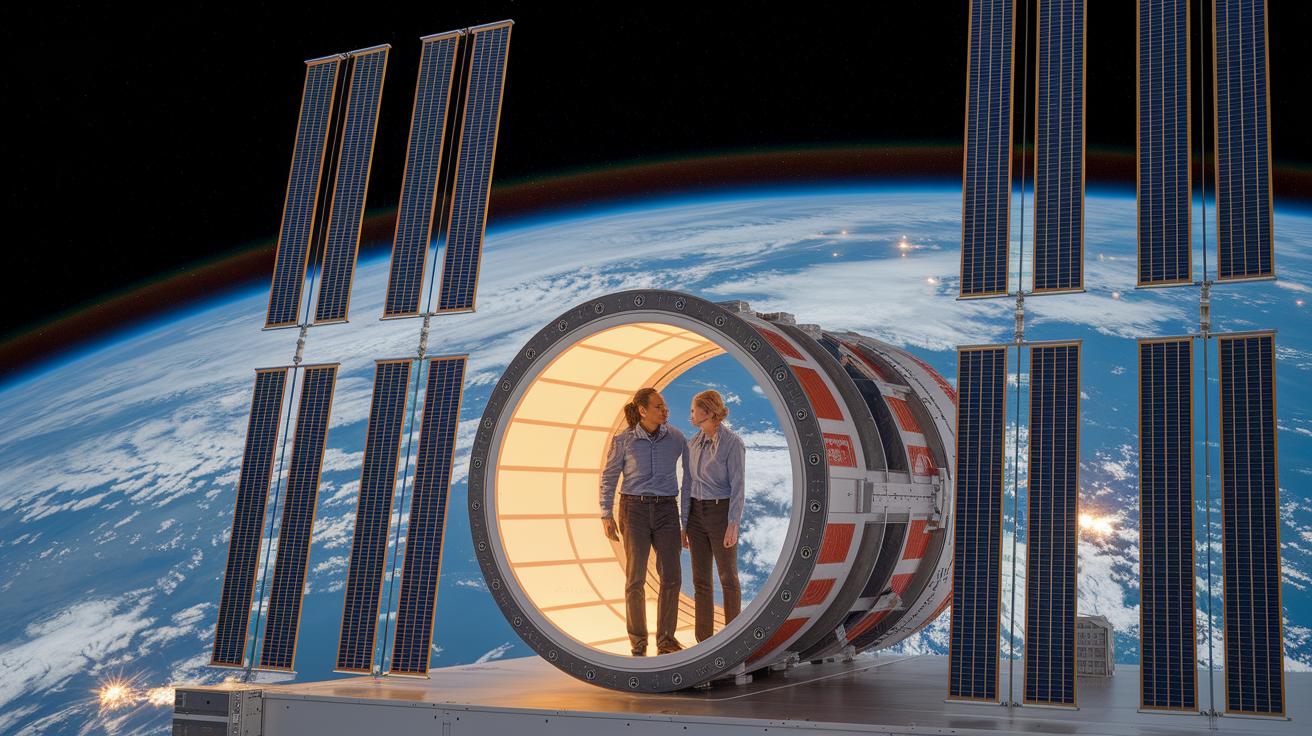
Space missions are reaching for new ideas that keep our crews safe and cut costs at the same time. This search is all about looking after astronaut health and working with the tight budgets we have, whether the goal is sending people to Mars or making space travel open to more explorers.
We're seeing fresh tech breakthroughs that make a big difference. For example, in-orbit servicing lets spacecraft be refueled or fixed while they're floating in space, boosting flexibility and extending mission life. Modular habitats work like building blocks for space stations or ships so parts can be swapped or upgraded easily. And then there’s green propellants, which use chemicals that are less harmful to both people and the planet, making space travel safer and friendlier to our environment. Together, these advances help lower the risk and cost of deep space adventures, opening the door for longer and bolder trips without cutting corners on safety or performance.
We’re also noticing exciting teamwork between governments, military bodies, and startup companies in the space industry. The Space Enterprise Consortium, or SpEC, is one example. This group brings different partners together to quickly test and develop new ideas without spending a ton of money. Public-private partnerships are getting stronger, allowing established agencies and forward-thinking startups to pool their resources and expertise. This joint effort lightens the financial load and ensures important innovations, like systems that refill spacecraft in orbit or recycle air and water, get the backing they need. Working as a team, these groups are turning bold ideas into real solutions that not only keep space exploration cost-effective but also much better for our environment.
Final Words
In the action, this piece showed how modern tech meets space mission challenges while cutting costs and increasing safety. We saw advances like reusable launch systems, electric and nuclear propulsion, small satellite platforms, and AI-driven data analysis drive progress.
Technology for space exploration makes our daily science discussions richer and sparks fresh curiosity. With these breakthroughs, we can look forward to even more inspiring achievements beyond our own backyards.
FAQ
Q: What technology is used for space exploration?
A: The technology used for space exploration includes reusable rockets, electric propulsion, nuclear thermal propulsion, small satellites, and AI-driven data analysis. These innovations make missions safer, more efficient, and more cost-effective.
Q: What are the five core technologies needed for space exploration?
A: The five core technologies needed for space exploration are reusable launch systems, electric propulsion, nuclear thermal propulsion, small satellite platforms, and AI-driven data analysis. They work together to boost efficiency and cut costs.
Q: How is space technology used in everyday life?
A: The space technology used in everyday life improves GPS, weather forecasting, and communication systems. NASA and other agencies turn space innovations into tools that help manage daily challenges here on Earth.
Q: Where can I find space technology information in PDF format?
A: The space technology details in PDF format are available on NASA and other official space agency websites. These resources offer extensive technical insights and project reports for interested readers.
Q: Are space exploration technologies related to Starlink?
A: The space exploration technologies differ from Starlink. While Starlink builds satellite internet networks for global connectivity, space exploration focuses on advanced propulsion, robotics, and sensors for deeper space missions.

