
Have you ever wondered if your everyday choices could help cool our warming Earth? We can mix smart technology, eco-friendly habits, and nature’s own fixes (like planting more trees) to lower harmful gases and build stronger communities. Imagine it like a band where every instrument plays its part, from cleaner energy to better land care, to protect our future. Curious to learn more about how simple actions can spark change all over our planet? Read on.
Key mitigation climate change strategies to achieve emission reduction
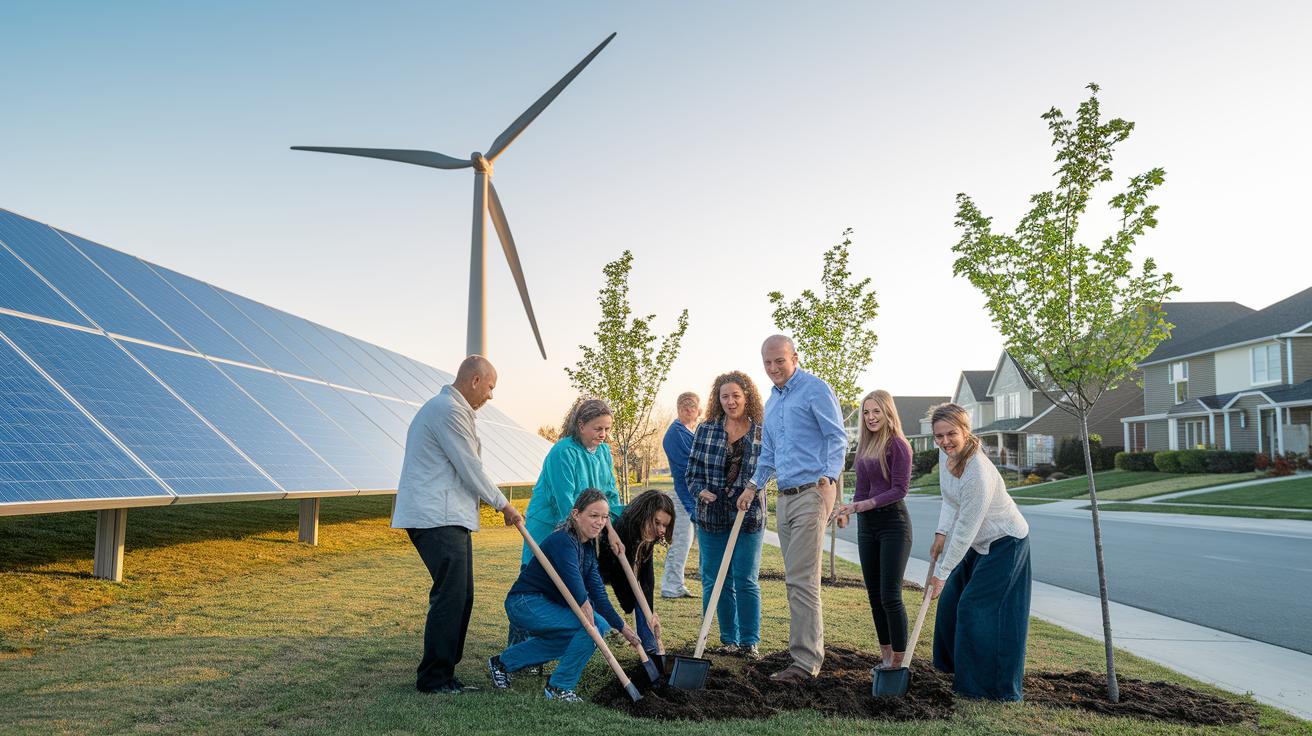
Integrated measures mix smart technology, everyday sustainable practices, and nature-based fixes to lower greenhouse gas emissions and build stronger communities. These actions don’t just cut down carbon output; they also tackle the many effects of climate change by looking at both human-made and natural factors.
When you break it down, these ideas work hand-in-hand to keep everything in balance. Energy, farming, buildings, and even natural habitats all play a part in making our world safer and more resilient.
- Decentralized renewable energy: Bringing clean energy closer to home reduces wasted energy during transmission and builds local strength.
- Sustainable agriculture and land use: Using farming methods that improve soil health and cut emissions helps us grow food without harming the planet.
- Climate-smart buildings: With green design and better insulation, buildings use less energy while producing fewer emissions.
- Mass transit improvements: Improved public transportation means fewer cars on the road and less pollution.
- Coastal wetland protection and restoration: Healthy wetlands store lots of carbon and protect coastal areas from climate shifts.
- Securing Indigenous land rights: Empowering Indigenous communities to manage their lands keeps important carbon stores intact and protects nature’s balance.
These straightforward methods offer clear steps to shrink carbon footprints and encourage eco-friendly development. By smartly mixing renewables, improved infrastructure, and nature’s own solutions, we can reduce emissions and build a system ready to face tomorrow’s climate challenges. Studies over time have shown that combining these approaches can bring real benefits to our environment and our economy.
Renewable energy transitions in mitigation climate change strategies

Renewable energy is quickly replacing older fossil fuels. New systems are changing how we create and use power. Back in 2020, clean energy sources made up 12% of the US energy mix, even overtaking a long-dominant fuel.
Take solar energy, for example. It grew almost 20 times since 2000 and now shines brightest in the sunny Southwest, Florida, and Hawaii. Wind power also had a big leap, moving from 6 billion kilowatt-hours to 338 billion kilowatt-hours over the same period. This rapid growth happened even though just a few states generate most of the wind energy.
Hydropower (using water flow to produce power) and biomass (energy from organic material) still play key roles, though they face their own challenges. Meanwhile, geothermal energy, while a small part of the mix, is slowly gaining ground thanks to new techniques.
| Renewable Source | 2020 US Electricity Share or Growth | Key Challenges |
|---|---|---|
| Solar | Nearly 20-fold increase since 2000 | Geographical limits and variable sunlight conditions |
| Wind | 8.4% of US electricity | Relies on select states and site-specific factors |
| Hydropower | Approximately 7% of US electricity | Impacts on habitats and fish migration |
| Biomass | Largest renewable source in the US | Soot and particulate emissions may cause net warming |
| Geothermal | Small but growing share | Limited capacity and reliance on hydraulic fracturing |
Overall, these trends show that each renewable energy source brings its own benefits and hurdles. Solar and wind power are making huge strides and helping to cut overall emissions. This shift to cleaner technology is not just about adding new energy options, it’s a key part of global plans to lessen the impacts of climate change.
Energy efficiency strategies for mitigation climate change

Buildings in the US used about 38% of the country's energy back in 2017. Upgrading how these structures are built, like adding better insulation or planting more trees that can lower nearby temperatures by 4 to 6°F, has shown great promise. For example, a community center retrofitted with energy-saving windows and extra insulation not only slashed its energy use but also became a cooler, more inviting space during the peak of summer. Programs such as LEED and ENERGY STAR have helped avoid nearly 1.9 gigatonnes of CO₂ equivalent emissions over a span of 20 years.
The transportation sector is another critical area, producing 36% of US energy-related greenhouse gas emissions as of 2020. Advances like turbocharged engines, stricter fuel standards, and even driverless vehicles are being introduced with the aim of boosting fuel economy, to around 53 miles per gallon for cars and 38 for light trucks by 2030. Take a city bus fleet, for example. After upgrading to new engine technology, these buses used noticeably less fuel and cut down emissions significantly.
Industrial improvements also play a big role in saving energy. Updates to electrical motor systems and steam operations directly boost efficiency. In cement production, which is responsible for roughly 5% of global CO₂ emissions, using methods that are kinder to the environment can lead to major reductions in waste and cost. Imagine a cement plant that switches to energy-efficient motors and sees a sharp drop in carbon output; it’s a clear sign that smarter, greener practices really make a difference for both the industry and our environment.
Carbon capture and sequestration in mitigation climate change strategies

Engineered carbon capture and storage (CCS) can cut CO₂ emissions from new power plants by 81–91%. This method traps the carbon from smokestacks before it escapes into our air. But, it comes with a catch, electricity expenses can rise by 33–57% and setup costs by 37–76%. There are also worries about the stored CO₂ leaking out and other environmental risks, especially when using techniques like enhanced oil recovery (a way to get more oil by injecting CO₂). Imagine a power plant that uses this technology to drastically cut emissions yet ends up with higher running costs, showing both its promise and its challenges.
Natural sequestration offers a different path by working with nature. By reforesting areas and caring for our soils, we let trees and healthy land naturally absorb CO₂ (acting like a sponge for carbon). These green spaces not only help lower CO₂ levels but also improve air quality and support wildlife. However, ongoing tropical deforestation keeps increasing overall emissions, highlighting why this method is so important. Picture a well-tended grove or a revived farm land making a big difference in balancing out pollution from industrial sources.
In truth, engineered CCS and natural carbon removal are two sides of the same coin. CCS delivers fast and huge cuts in emissions, while nature-based methods grow benefits slowly and sustainably over time. Together, they form a balanced approach to tackling climate change, each playing a critical role in shielding our planet from ongoing harm.
Nature-based mitigation climate change strategies: land and ecosystem management

Coastal wetlands, like tidal marshes, mangroves, and seagrasses, serve as nature’s own shields. These areas help protect our coasts from the harsh blows of storms and rising seas. They also capture and store huge amounts of carbon, as much as 10 to 24 billion metric tons. Imagine walking through a thick mangrove forest, where tangled roots hold back water and trap carbon. Plus, these wetlands cool the air and clean the water, making them a smart and affordable way to cut down on greenhouse gases.
Indigenous communities have long cared for the land with traditions passed down through generations. They look after nearly half of the world’s land and protect more than fifty percent of the remaining untouched forests. In places like Brazil and Peru, their methods help keep deforestation small. Their time-tested practices make sure forests stay healthy, acting as natural carbon sinks while also preserving precious biodiversity.
Agroecological techniques offer another promising route to lower emissions. These sustainable farming methods include boosting soil organic matter and growing a variety of crops, which help capture carbon naturally. Research shows that about 57% of investments for adapting to climate change also bring benefits by reducing emissions. Picture a small farm where organic fertilizers, diverse crops, and improved soil work together to create a cycle of nourishment and carbon storage. This everyday farm work becomes a powerful tool in the battle against climate change.
Policy and economic frameworks underpinning mitigation climate change strategies
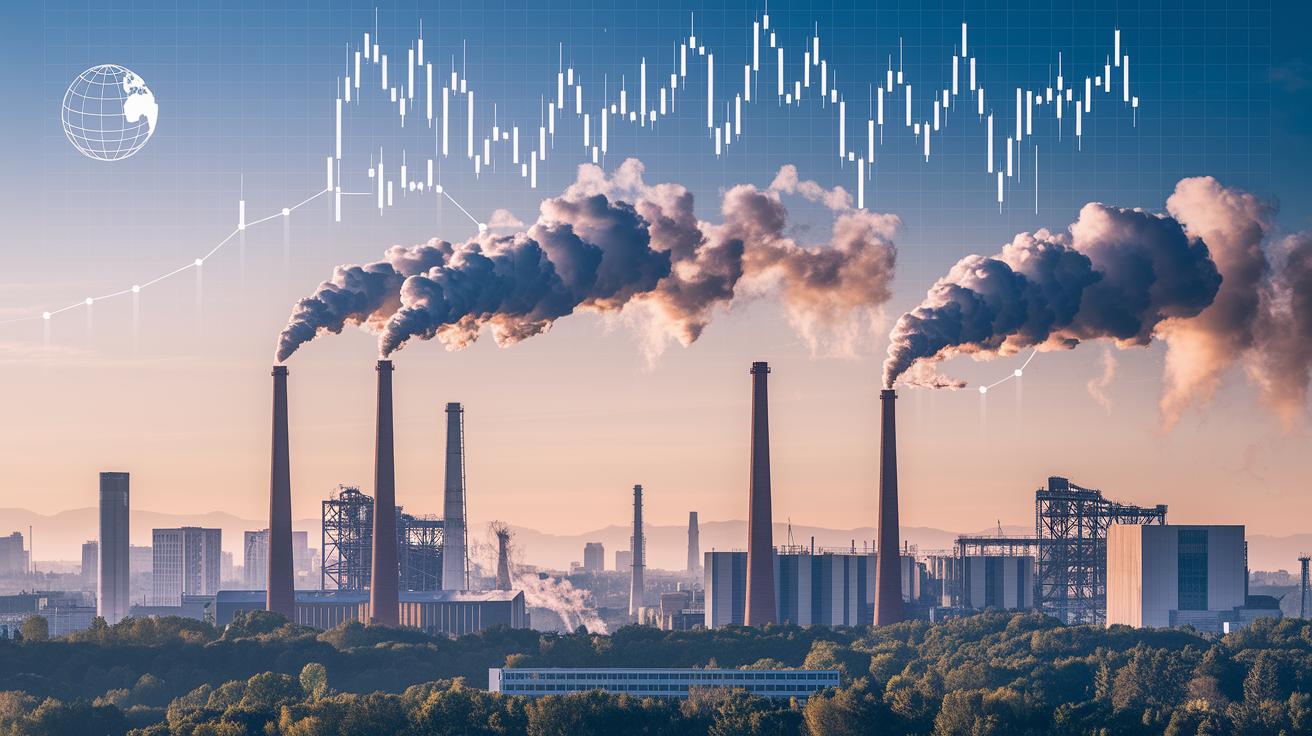
Market-based tools, like carbon markets, send clear price signals that help drive companies to cut emissions. For instance, a cap-and-trade system sets a limit on pollution and even lets a factory earn money by selling extra credits when it cuts emissions enough. It’s a simple idea that makes economic sense and sparks new innovations.
International finance also plays a big part. The green climate fund (a global fund that supports projects to protect the environment) directs billions into clean energy projects in developing countries. This support not only gives emerging economies the chance to use cleaner technologies but also builds local talents and skills for sustainable growth.
Another important strategy is changing subsidies and shifting financial support. When governments move money away from fossil fuels toward clean energy options, renewable energy, electric cars, and energy-saving buildings become much more appealing. This shift helps businesses upgrade their operations and makes a real impact on achieving climate goals.
Public-private partnerships are also key to making big changes. When government groups and private companies work together, they build low-emission transit networks and advanced smart grids. These joint efforts blend funds and expertise from many sources, helping balance the need for sustainable development with ongoing economic growth.
Mitigation Climate Change Strategies Spark Global Impact

Communities are testing new ideas to cut down on transportation emissions. They’re running campaigns to discourage solo driving because a lot of people usually drive alone. Some cities are boosting carpooling and better public transit options. This shows how simple, everyday choices can benefit our planet.
Local groups are also saying it’s time for healthier diets. By choosing more plant-based meals instead of red meat and dairy, we could lower food-related emissions by up to 50%. Imagine a local school hosting a cooking workshop, small changes in the kitchen can add up to big results.
Neighborhoods are rethinking how they handle waste too. New projects that turn trash into energy and composting programs are making a clear difference in reducing greenhouse gases. For example, a community center might set up a compost station where kitchen scraps become valuable soil, showing that smart waste management is both practical and eco-friendly.
Efforts to encourage reusing items and buying second-hand are another bright spot. Community swap meets and donation drives cut down on production emissions. Picture a lively thrift store, every reused item is a small but important act of climate action.
Final Words
In the action, we touched on ways to cut harmful emissions across our lives. We looked at smart energy choices, cleaner buildings and transport, carbon capture, nature-based actions like coastal wetlands and Indigenous land care, supportive policies, and community efforts working together. These mitigation climate change strategies show how everyday steps can make a big, positive change. Each approach contributes to a future that’s cleaner and brighter for everyone.
FAQ
What are mitigation strategies in climate change?
The mitigation strategies in climate change reduce greenhouse gas emissions through renewable energy, energy efficiency, sustainable land use, carbon capture, and policy reforms to slow the warming process.
What are the five ways to mitigate climate change?
The five ways to mitigate climate change are transitioning to renewable energy, improving energy efficiency, applying carbon capture techniques, adopting nature-based approaches, and using policy and economic instruments to cut emissions.
What is an example of a climate change mitigation strategy?
An example of a climate change mitigation strategy is switching from fossil fuels to wind and solar power, which lowers emissions and promotes local, sustainable energy networks.
What are some strategies aimed at mitigating climate change?
Some strategies include shifting to renewable energy, boosting energy efficiency in buildings and transport, employing carbon capture methods, protecting natural habitats, and supporting market-based policy incentives.
How do mitigation and adaptation work together in climate change efforts?
Mitigation efforts reduce greenhouse gas emissions to slow warming, while adaptation measures help communities adjust to changes. Together, they provide a balanced approach to manage climate risks.