
Have you ever pictured a digital mirror that shows you exactly what’s happening with a machine right now? This smart tool is already making companies work better by catching issues before they become expensive. When you see a live digital copy updating every second, it makes you wonder how a little proactive care could boost safety and performance. Embracing digital twin technology (a way to make a virtual copy of a system or machine) can really level up business processes, helping leaders make smarter choices and save money along the way.
Understanding Digital Twin Technology: Definition, Benefits, and Key Applications
A digital twin is like a virtual clone made from sensors, scans, and records that shows what's happening with a real-world object. It works by using detailed 3D images and continuous sensor data. Essentially, it mirrors everything from a machine to a whole system and updates its looks as new information comes in. For instance, think about a wind turbine whose digital twin refreshes its status every second.
Digital twins bring a host of benefits. They let businesses watch over operations in real time without having to be on site. They also help catch problems early, flagging issues before they turn into major breakdowns. Plus, by giving live insights, they allow companies to fine-tune processes on the fly. For example, a digital twin of a jet engine can spot potential problems days before they affect performance, ultimately saving millions in maintenance costs. Cool, right?
This technology finds use in many areas. It plays an important role in how assets are managed, how performance is simulated, and how different scenarios are tested. In manufacturing, engineers use digital twins to safely run experiments on production lines. In healthcare, virtual models of organs help predict outcomes and tailor treatments. And in fields like construction and transportation, these models are key to designing better systems and boosting safety. In short, digital twin tech allows businesses to explore new ideas without pausing daily operations, opening the door for smart, data-driven changes.
Core Components and Architecture of Digital Twin Technology
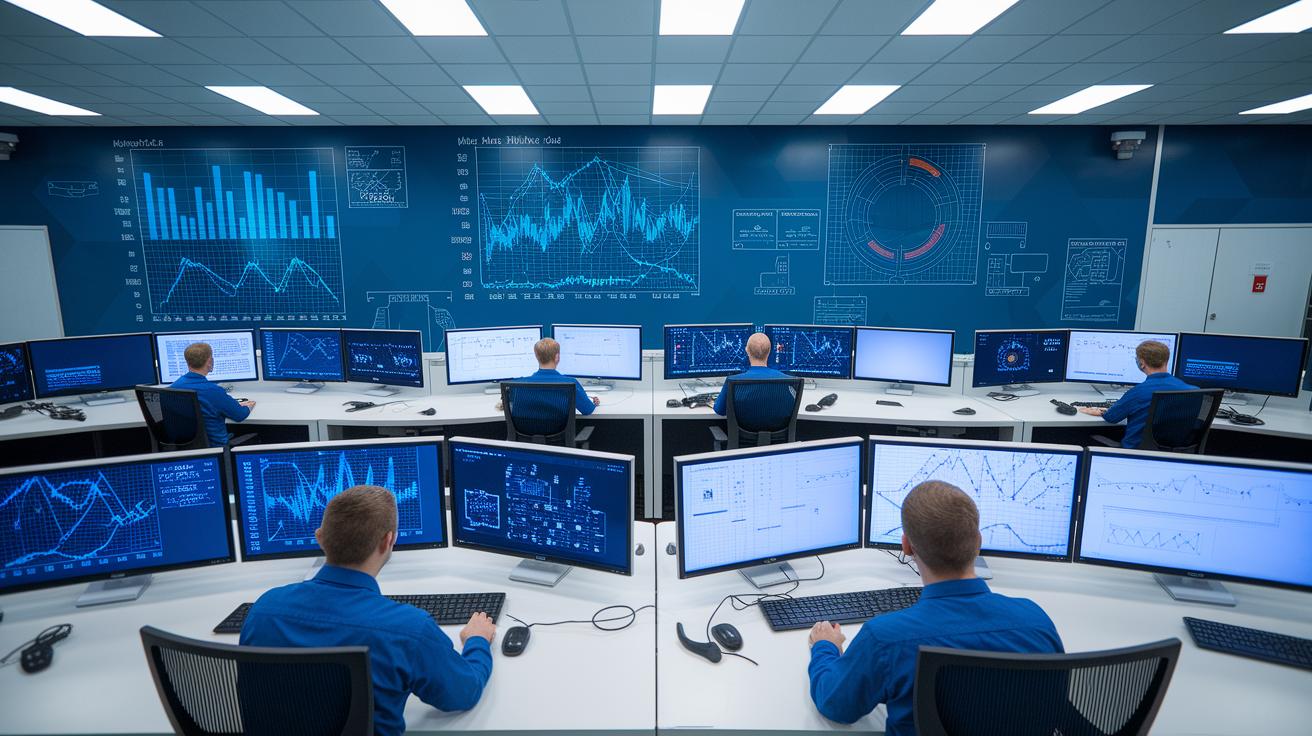
A strong structure is key to digital twin technology. Think of it as the backbone that keeps these virtual models in sync with the real world. Good design means capturing the right data and processing it fast so that the digital version mirrors what’s happening in real time.
| Component/Technology | Function | Example |
|---|---|---|
| IoT Sensors | Continuously gather real-world data from equipment | Watching the temperature and movement in machines |
| 3D Laser Scanners | Create detailed 3D images | Mapping buildings for engineering projects |
| Drones and Cameras | Collect visual data from the air and ground | Surveying large construction areas |
| Cloud-Enabled Modeling Tools | Store, process, and update huge amounts of data | Keeping digital twins current on cloud platforms |
| AI Modules | Analyze incoming data to spot issues and boost performance | Predicting maintenance needs for healthcare devices |
These parts work hand-in-hand. Data from sensors, scanners, drones, and cameras flows into cloud tools that update the digital twin in real time. Then, AI takes a closer look at the data to spot problems and suggest improvements. This comfortable teamwork makes sure digital twin technology stays spot-on, giving us an accurate virtual reflection of physical systems.
Implementing Digital Twin Technology with IoT, AI, and Data Analytics
Imagine merging the latest live data, smart analytics, and automated syncing to create a virtual copy of a physical system. This neat trick starts by turning real-world measurements into a detailed digital replica. By doing this, you can spot problems before they become big issues, making your business run more smoothly and reliably.
We start with data capture. First, you gather solid information using IoT sensors (devices that pick up details like temperature, pressure, and motion). Think of a sensor in a factory that watches a machine closely to notice even the tiniest hint of wear.
Next comes model generation. This is where you use special modeling software to convert raw data into a digital copy that mirrors current physical conditions. In simple terms, it’s like making a digital twin that shows exactly what’s happening in the real world.
Then, you need a strong connectivity setup. This means linking those IoT devices to your main data system. A good connection lets data flow straight into the model without any hiccups, ensuring the virtual twin stays up-to-date.
After that, you add analytics integration. Here, AI engines (smart computer programs that learn and predict) go to work analyzing the incoming data. This setup can predict potential failures and even suggest fixes automatically, much like a smart GPS re-routing you during traffic.
The final step is continuous syncing. For the digital twin to be truly useful, it must update constantly to keep in step with the physical object it represents. This never-ending cycle of updates helps capture real-time changes and gives you insights you can actually act on.
For best results, it’s important to design secure data pipelines, perform regular calibration checks, and confirm outcomes with on-site measurements. Keeping the connection seamless and the analytics sharp makes sure your digital twin remains a dependable tool for boosting operations.
Digital Twin Technology across Industries: Manufacturing, Healthcare, and Construction

Digital twin technology gives us a live, virtual copy of real-world systems by mixing continuous data streams with detailed models. In simple terms, it lets companies see how things are really doing, spot problems early, and adjust processes as needed. This smart approach is especially handy in manufacturing, healthcare, and construction because it helps people take proactive steps based on clear, real-time insights.
Manufacturing Applications
Rolls-Royce’s IntelligentEngine is a great example of digital twins in action. It tracks more than 12 sensor readings to keep an eye on engine performance around the clock. Imagine looking at a digital mirror that shows every small change in temperature and vibration. This helps maintenance crews notice early signs of wear and plan repairs before issues get worse. The result? Less downtime and smoother engine operation, making production more efficient.
Healthcare Deployments
Digital twins are also changing the game in healthcare. Companies like Össur use these virtual copies to create prosthetics that fit each patient perfectly. This means better comfort and improved function for everyone who needs them. At the same time, Pfizer applies digital twin ideas in cancer research by simulating how cells react to treatments. This virtual testing ground allows them to predict treatment effects in a safe environment, leading to more reliable and precise medical procedures.
Construction Use Cases
London’s Crossrail project shows how digital twins can be a big help in construction. By building a detailed digital copy of the construction site, project managers can easily track progress and spot any differences from the plan. This real-time check helps teams catch problems early and work together better to resolve them. In the end, this digital replica helps keep the project on schedule and boosts overall quality.
Assessing the Benefits, Challenges, and ROI of Digital Twin Technology Adoption
Digital twin technology is changing how companies run their operations by making quick virtual copies of their physical systems. This helps people make smarter decisions in real time by looking at fresh data. With these digital models, businesses can watch how things are working and fix problems before they grow into bigger issues.
One big plus is that it cuts down on downtime, helps with better decision-making, and makes maintenance planning easier. By creating a digital look-alike of a physical system, companies can boost efficiency and keep everything running like clockwork. For instance, a factory might use a digital twin to check equipment health and guess when repairs are needed. This means they can avoid unexpected stops and save money on emergency fixes.
There are some bumps along the road too. Sometimes, problems like weak data connections, mismatched models, or poor data quality make it hard to get an accurate digital copy. To tackle these issues, companies can set up a shared data system and use project management tools that bring everything together. This helps the digital model reflect reality more closely and makes it easier to assess risks when testing out processes.
The financial future for digital twin technology looks bright. Analysts predict the market could hit $48.2 billion by 2026. This strong growth shows that businesses are finding real value in digital twin models. Not only do these models streamline everyday operations, they also give companies a clear edge in a fast-paced, data-driven world.
Real-World Case Studies of Digital Twin Technology in Action

The Virtual Singapore Platform and DHL’s digital twin work show how this smart tool can change industries that you might not normally think about. Virtual Singapore Platform builds a life-size copy of a whole city that helps planners design neighborhoods and get ready for emergencies by updating in real time. Urban planners can use this model to see how a new road or park might change traffic or safety before any real building happens.
Meanwhile, DHL uses digital twins for its warehouses and delivery routes to sharpen its logistics. They run simulations of things like bad weather or heavy traffic to spot problems and cut down on delays. This means packages get to you faster and smoother.
John Deere and Siemens give us more exciting examples. John Deere makes digital copies of farm fields that provide farmers with live updates on how crops are doing and whether their machines are working well. This real-time info makes it easier for them to tweak their methods as needed. Siemens, on the other hand, mirrors their entire manufacturing process with digital twins. This helps them catch any slowdowns early and keep the whole system running without hiccups.
Both of these cases show creative ways that digital replicas help businesses become smarter and more ready to tackle challenges.
Future Trends and Best Practices for Digital Twin Technology Implementation
Digital twin technology is rapidly evolving into cloud-based, scalable models. More and more companies are moving their digital twins onto cloud platforms that include built-in AI analytics (artificial intelligence tools that help process data). This means that digital copies of systems can be updated almost in real time. Imagine upgrading from a paper map to a live GPS, data flows in instantly, giving clear and timely insights.
At the same time, devices connected through the Internet of Things (IoT, which means everyday items sharing data) and edge computing are changing how digital twins work. Ground devices send data directly to the digital twin, where it’s processed right at the network’s edge. This quick processing means faster responses when physical systems change. It’s a bit like having a mini control center right next to where things are happening.
There’s also a big push to use open standards and build systems that easily work with different vendors’ tools. This mix of AI and computer simulation, together with the need for smooth data sharing, helps various platforms talk to each other. For those curious about how science is always moving forward, it’s worth checking out the latest research for more insights.
A clear roadmap is key. Start with small pilot models, check that the investment works, and then expand across the business. Use secure, efficient data pipelines, involve robust analytics, and stick to open standards so everything connects smoothly.
Final Words
In the action, we explored digital twin technology, showing how virtual models mirror real-world systems. The article covered its clear definition, key benefits like real-time monitoring, and practical applications in industries like manufacturing, healthcare, and beyond.
We also broke down the smart design behind these systems, from IoT sensors to AI-driven insights. It’s exciting to see digital twin technology shaping everyday innovation and sparking curiosity about what lies ahead.
FAQ
What is a digital twin in technology and what does it mean?
The digital twin meaning explains it is a virtual copy built from sensor data and records that mirrors a physical asset, letting us monitor, simulate, and improve its real-world performance.
What are some examples of digital twins across industries?
The digital twin examples span manufacturing equipment monitoring, healthcare models for patient-specific devices, and construction sites tracking progress, each offering real-time insights to optimize operations.
What are the four types of digital twins?
The digital twin types typically include basic, predictive, operational, and integrated twins, with each stage increasing in data detail and simulation accuracy to meet various application needs.
What digital twin software and tools are available?
The digital twin software comprises cloud-based modeling platforms and open source simulation tools that integrate IoT data and AI analytics, making it easier to create and manage virtual replicas.
Can Google Maps be considered a digital twin?
The digital twin idea in Google Maps shows spatial details but lacks the real-time sensor updates and asset-level simulation found in complete digital twin systems.
How is digital twin technology used in healthcare, construction, manufacturing, and agriculture?
The digital twin application in different sectors means using virtual models to plan custom healthcare solutions, track construction progress, monitor manufacturing processes, and analyze crop or equipment performance in agriculture.
How does a digital twin integrate with IoT?
The digital twin integration with IoT involves sensors streaming data to update virtual models continuously, enabling accurate simulations and performance adjustments based on real-world changes.
What is available in a digital twin technology PDF?
The digital twin technology PDF typically offers detailed guides, case studies, and technical summaries that explain design, implementation steps, and benefits in a compact, referenceable format.
What insights does McKinsey’s digital twin research offer?
The McKinsey digital twin research highlights operational improvements and cost reductions by using virtual models for real-time analysis, demonstrating significant efficiency gains in industrial settings.