
Have you ever thought about whether renewable energy might eventually outdo traditional power sources? Recent breakthroughs in solar materials (special surfaces that capture more sunlight), battery storage, and smart grids (networks that manage power efficiently) are lighting up our future. Imagine solar panels that soak up sunlight like leaves basking in a gentle breeze or batteries that pack a surprising amount of energy into a small space. These creative ideas are turning what once seemed like science fiction into everyday technology you can rely on. Today, we’re taking a closer look at how bold renewable energy projects are reshaping our world and changing the way we power our lives.
Landmark Scientific Advances Transforming Renewable Energy
Scientists are mixing new solar materials with clever storage methods to create a fresh wave of high-tech panels. Perovskite and tandem solar cells, which catch more light and turn it into energy better than ever, are making panels far more efficient. It’s like we’re finally seeing the ideas from "science breakthroughs 2025" come to life right before our eyes.
Battery technology is also stepping up. Solid-state batteries now pack in over 350 Wh/kg (that means they store a lot of energy relative to their weight). Plus, large grid storage systems are scaling up to handle the ups and downs of renewable power. Smart grids, full of advanced sensors and real-time data, adjust electrical flow on the fly to cut losses and keep everything running smoothly.
Wind and marine energy are making exciting strides as well. Imagine wind turbines floating in deep offshore waters and tidal generators that could supply up to 10% of Europe’s power by 2050. At the same time, newer biofuels made from non-food sources and green hydrogen production are gaining momentum, thanks in part to an ambitious EU plan to install 40 GW of electrolysers for clean energy.
| Technology | Breakthrough |
|---|---|
| Solar Materials | Perovskite/tandem cells that boost light absorption and conversion rates |
| Energy Storage | Solid-state batteries with over 350 Wh/kg and large-scale grid storage |
| Grid Intelligence | Smart sensors and real-time data to optimize electricity flow |
| Wind & Marine | Floating wind turbines and tidal generators for deep water use |
| Biofuel & Hydrogen | Next-gen biofuels and 40 GW electrolysers for clean hydrogen production |
Advanced Solar Material and Photovoltaic Efficiency Gains
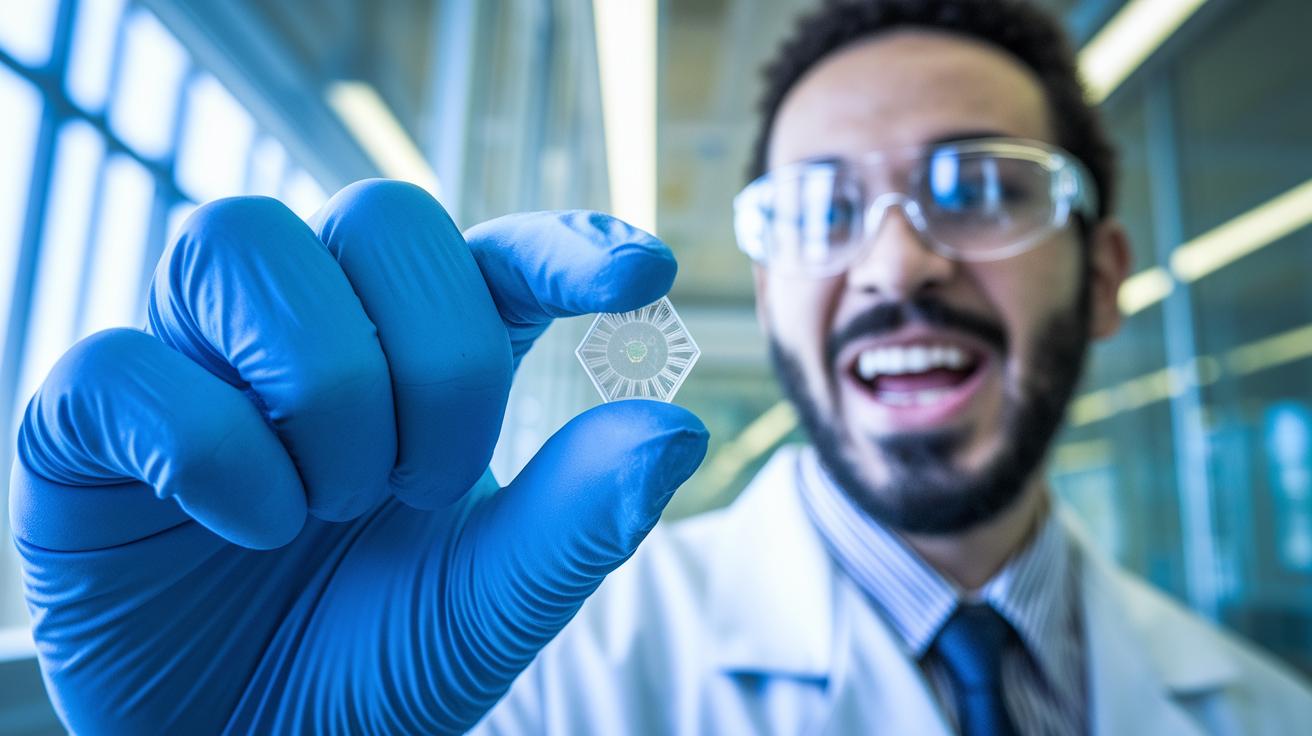
New research in solar material science is changing how we capture sunlight and turn it into power. Scientists have been working with perovskite solar cells (a type of material used to convert sunlight) that now reach over 25% efficiency in labs. Imagine a scientist excitedly explaining, "In one experiment, a tiny perovskite device absorbed way more light than expected, proving that small tweaks can make a huge difference."
Next, tandem solar cells take things a step further by layering silicon with perovskite. This smart setup pushes conversion rates above 30% in early installations, meaning more sunlight is turned into electricity. Then there are concentrated solar thermal units, which use special mirrors and heat-transfer fluids (liquids that move heat around) to achieve over 45% efficiency. Think of it like using a magnifying glass to focus sunlight to make heat, but the heat is then changed into electrical power.
Lastly, nanocoatings help reduce light reflection by about 15%, so fewer rays are wasted. With these coatings, manufacturers spend less, and solar panels last longer. Every bit of sunlight counts a little more, which cuts costs and improves energy output over time.
Together, advances in perovskite, tandem junctions, thermal concentrators, and nanocoatings are setting new efficiency records and lowering expenses. This progress promises a future where solar power becomes even more accessible and reliable for everyday use.
Next-Generation Energy Storage Scientific Innovations
Energy storage is getting a big upgrade, and it's changing the way renewable energy deals with natural power swings. One exciting development is in solid state batteries that now pack over 350 Wh/kg by using ceramic electrolytes (special materials that help move ions). These batteries not only store more energy but are also safer and last longer. I remember a researcher saying, "When you see a battery hitting over 350 Wh/kg, you’re witnessing a true breakthrough in material science."
Redox flow batteries are also stepping up in a big way, reaching setups that can handle multi-MWh scales. In these systems, energy is stored in liquid electrolytes (fluids that carry charge) that move through reactors, making it easier to match supply with demand. At the same time, Tesla Megapack projects have already surpassed 400 MWh each. Their smart, modular design makes them ideal for large-scale storage, quickly reacting to sudden changes in power output.
There’s also interesting progress with supercapacitor prototypes. Using graphene-based electrodes (special materials made from carbon) now lets these devices store more than 10 kJ/kg, which means they can charge and discharge very fast, perfect for keeping the power grid stable. Meanwhile, improvements in lithium-ion technology, like better cathodes and anodes (the parts of the battery that capture and release energy), have boosted energy density by about 10-15% in both cars and stationary setups. This makes lithium-ion batteries even more competitive when it comes to balancing high performance with long-lasting durability.
All of these new storage technologies are directly tackling the challenges of intermittency and stability. By boosting energy capacity, safety, and how quickly they can respond, innovations from solid state cells to advanced supercapacitors are reshaping our renewable energy grids and helping create power systems that are more reliable and resilient.
| Technology | Breakthrough |
|---|---|
| Solar Materials | Perovskite/tandem cells that boost light absorption and conversion rates |
| Energy Storage | Solid state batteries with over 350 Wh/kg and multi-MWh flow systems |
| Grid Intelligence | Smart sensors and real-time analytics to optimize electricity flow |
| Wind & Marine | Floating wind turbines and tidal generators for deep water use |
| Biofuel & Hydrogen | Next-gen biofuels and 40 GW electrolysers for clean hydrogen production |
Intelligent Grid Integration and Digital Monitoring Breakthroughs
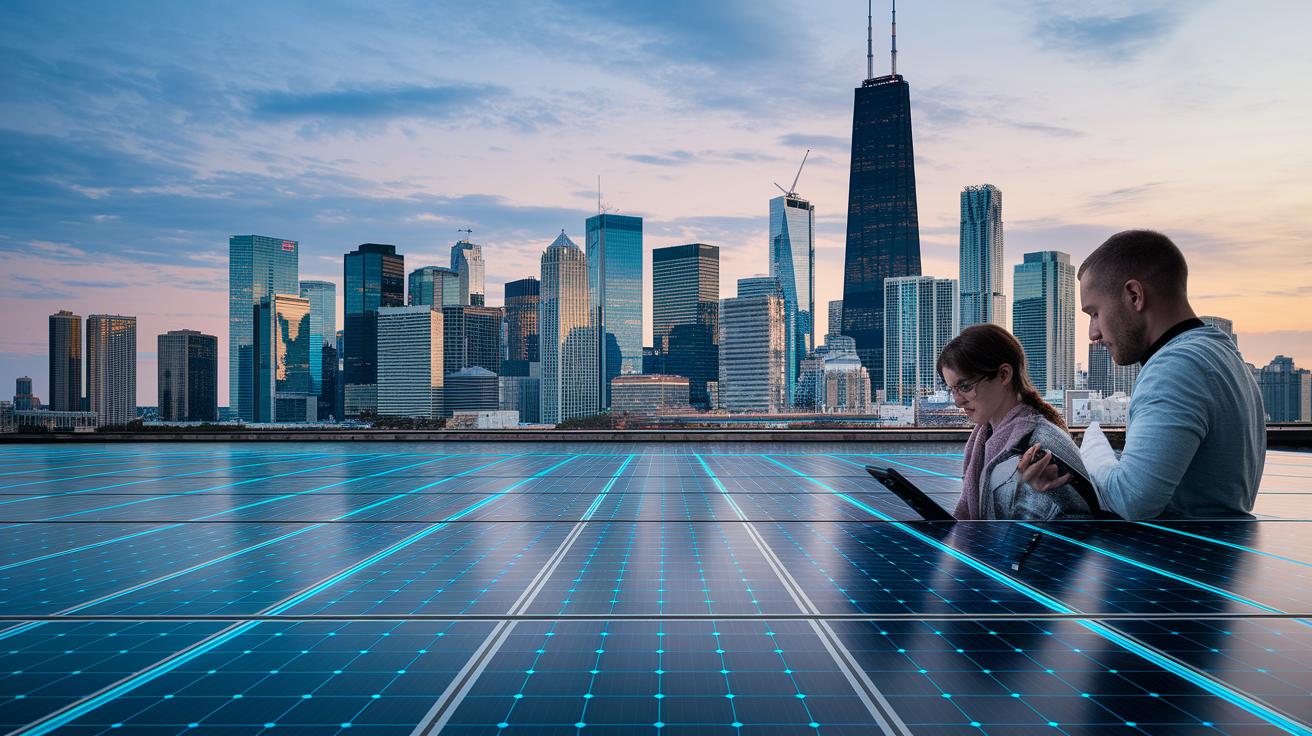
Smart grids use tiny sensors and live data to balance energy supply and demand, reducing energy wasted along the way by as much as 8%. They constantly check power flow and tweak settings so renewable systems run smoothly, quickly reacting when energy production changes.
AI and Machine Learning for Predictive Maintenance
AI tools now catch problems with equipment before they really become issues. Sensors on wind turbines, solar panels, and battery storage units collect clues about how things are working. When these sensors notice something odd, say, a small drop in a solar panel’s output, the machine learning system flags it immediately. This alert helps maintenance crews fix things faster and keeps power steady.
It’s like having a detective on duty 24/7. Machine learning also looks for strange patterns in energy numbers all across the network. By spotting these early signs, technicians can step in before a small glitch turns into a big outage. This smart, proactive way of working not only makes the grid more reliable but also saves money on repairs.
Digital Twin and Virtual Testing in Power Networks
Digital twins are virtual copies of real-world power systems like substations and microgrids. They let engineers test upgrades and try new ideas without risking actual equipment. Using detailed simulation models, these digital replicas can show how changes might affect energy flows before they happen in real life. Curious to learn more? Visit https://buzzyandclever.com?p=1735 to see how digital twins are powering smarter planning and control.
Aerodynamic and Marine Energy Conversion Advances
Recent breakthroughs in wind and marine technologies are completely changing the way we gather energy from nature. Floating wind platforms that sit offshore can now work in waters 60 to 80 meters deep, opening up nearly 80% more potential spots around the globe. This cool advancement lets us use stronger and steadier winds in places where regular wind turbines just couldn’t do the job.
Engineers have been busy tweaking turbine blade designs too. The new blade shapes cut down on energy loss by 12% when strong gusts hit, which in turn boosts overall efficiency by 3–5%. Think of them as smoother, sleeker blades that glide through the air better while handling turbulence. These smart improvements not only capture more energy but also help the turbines last much longer.
Marine energy devices are on a similar path. New tidal stream generators, which work by capturing the energy from moving tides, show a lot of promise. Right now, 30 kW prototypes are being tested, but the long-term goal is to build huge arrays that produce up to 1 GW by 2040. In fact, tidal power might soon provide about 10% of Europe’s electricity by 2050. Over at the ocean’s surface, wave energy converters are also making splashy progress. These devices use unique oscillating water column designs to boost energy capture efficiency by 25%.
- Floating offshore wind turbines
- Next-gen blade aerodynamic profiles
- Tidal stream generator arrays
- Oscillating wave energy converters
Bioenergy and Green Hydrogen Production Breakthroughs
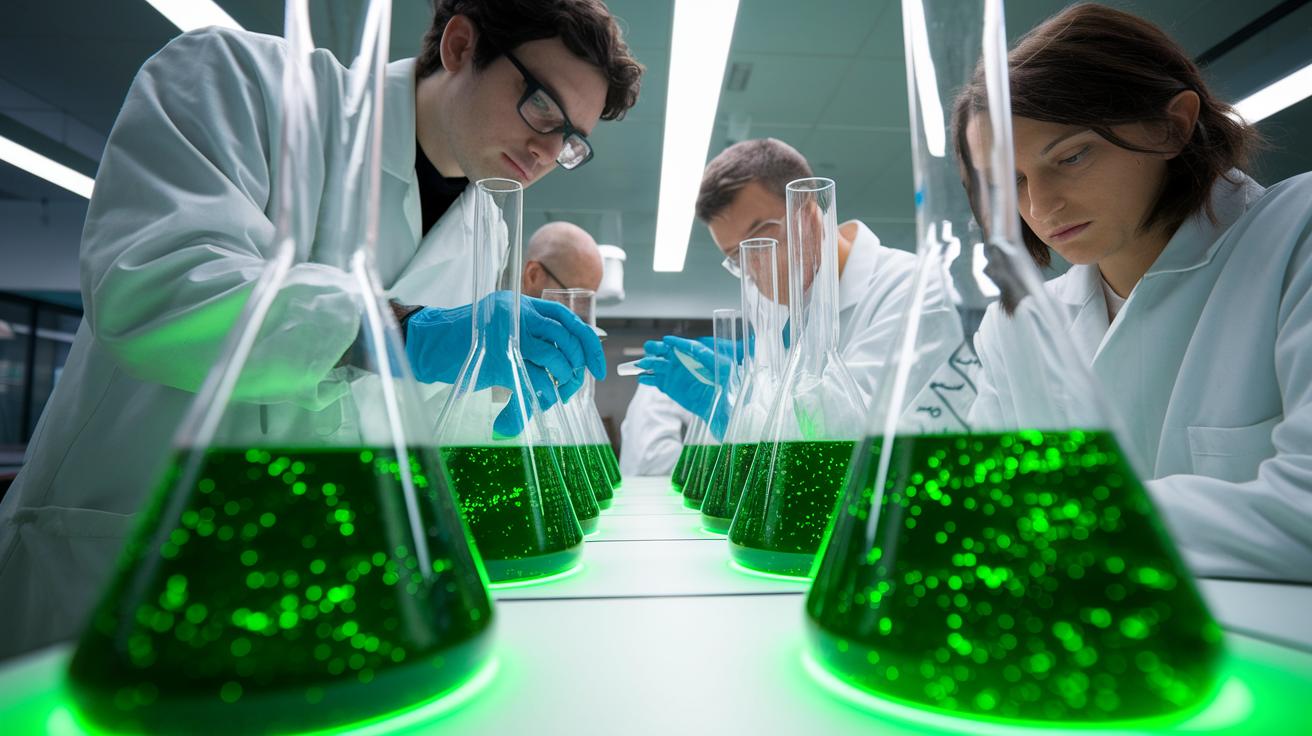
Scientists are making great strides in turning everyday natural materials into clean fuel. They’re exploring new biofuels made from non-food plants and microalgae (tiny water plants). These fuels use nearly all the carbon from their source, meaning hardly any is wasted. It’s like watching someone transform leftovers into a powerful energy source with almost no loss, pretty amazing, right?
Meanwhile, breakthroughs in hydrogen production are changing the game for industry energy. Researchers have developed new catalysts (materials that speed up chemical reactions) from common metals that boost water-splitting devices’ efficiency from 65% to 79%. Imagine a machine that suddenly starts working with laser-like precision, that’s the kind of improvement we’re talking about.
Fuel cells that use special, sturdy membranes (think of these as tough filters) are also showing promising lab results, reaching up to 60% electrical efficiency. This boost means they could soon power vehicles and serve as backup energy sources. Plus, with the European Union aiming to install 40 GW of these water-splitting systems by 2030, experts are pushing to build huge networks that can produce and distribute green hydrogen on a massive scale.
All these improvements, from better catalysts and membranes to ambitious new projects, point to an exciting future for renewable energy. It’s a clear sign that science is turning everyday materials into powerful, sustainable fuels that could change how we power our world.
Final Words
In the action, new developments in solar cells, energy storage, digital grids, wind innovation, and green fuel production show us how science bridges lab success to everyday life. These advances, like boosted perovskite cells and smart sensors, mean we can better capture and use renewable energy, creating cleaner, smarter power systems. The progress in science breakthroughs in renewable energy highlights our growing ability to power a sustainable future.
| Technology | Breakthrough |
|---|---|
| Solar Materials | Enhanced light absorption in perovskite and tandem cells |
| Energy Storage | High-density solid-state batteries and flow systems |
| Grid Intelligence | Real-time analytics and digital twin monitoring |
| Wind & Marine | Floating turbines and efficient tidal converters |
| Biofuel & Hydrogen | Improved electrolysers and next-gen biofuels |
FAQ
What are some recent breakthroughs in renewable energy?
The recent breakthroughs in renewable energy include enhanced solar cells, advanced energy storage solutions, smart grid systems, innovative wind and marine technologies, and improvements in biofuel and hydrogen production that boost overall efficiency.
What major scientific discoveries defined 2025 and 2026 in renewable energy?
The major scientific discoveries in 2025 and 2026 feature enhancements in solar materials like perovskite and tandem cells, breakthroughs in energy storage such as solid-state batteries, digital grid integrations, advanced wind turbine designs, and scalable biofuel and hydrogen techniques (see science breakthroughs 2025).
How can I access detailed insights on the future of renewable energy via PDF?
The downloadable PDF on the future of renewable energy compiles forecasts and technical details on emerging solar, storage, grid, wind, and biofuel technologies, offering a clear, concise resource for industry trends and developments.
How do these renewable energy breakthroughs shape our energy future?
The advances in renewable energy technologies are reshaping the energy future by increasing efficiency, reducing costs, and optimizing power distribution, which supports a more sustainable and secure energy grid.
| Technology | Breakthrough |
|---|---|
| Solar Materials | Perovskite and tandem solar cells improving efficiency |
| Energy Storage | Solid-state batteries and flow systems increasing density |
| Grid Intelligence | Smart grids with AI and sensors optimizing power flow |
| Wind & Marine | Floating offshore turbines and tidal/wave energy converters |
| Biofuel & Hydrogen | Catalysts and electrolysers boosting green hydrogen and biofuel yields |