
Have you ever wondered how a tiny piece of metal turns into a machine that can fly into space? Back in NASA's early days, they built simple rockets by reusing parts from old military jets. Over time, these basic rockets grew into powerful vehicles with smart engines (the parts that make things move) and careful controls that helped them break free of gravity.
It's pretty amazing to see how a small spark of fire evolved into brilliant work in engineering and clever technology. This journey opened the door to daring missions that push our reach far beyond Earth. Isn't it cool how something so simple can lead to such bold adventures?
NASA Rocket Fundamentals: Evolution, Technology, and Ongoing Programs
NASA’s journey with rockets began with humble models like the Redstone and Atlas. These early launchers were simple compared to the mighty Saturn V that powered the Apollo missions. In fact, before the moon landings, NASA’s rockets were more like controlled bursts of fire from modified military jets, setting the stage for the advanced machines we see today. This long path of improvement shows how NASA has consistently pushed the limits of vehicle engineering.
NASA has also made impressive leaps in technology. They’ve upgraded spaceship engines and added smart guidance systems to help steer the rockets. Take the RS-25 liquid fuel engine as an example. It uses controlled combustion (a steady, planned burn) along with precise thrust vectoring (a way to direct the engine’s force) to push rockets towards the sky with great accuracy. Using new composite materials (strong, lightweight mixes) and tough testing methods means these rockets can handle the harsh conditions of launch and space flight.
Right now, NASA is busy with several exciting projects. Artemis II is leading the next chapter in exploration, with teams at Kennedy Space Center’s Launch Pad 39B working on fuel tests and practice runs for the Orion spacecraft. Along with SLS upgrades, these efforts point to a future filled with refined propulsion, smart guidance, and strong, reliable design. All of these elements come together to open up new adventures in deep space.
NASA Rocket Engineering: Aerodynamics, Materials, and Structural Integrity
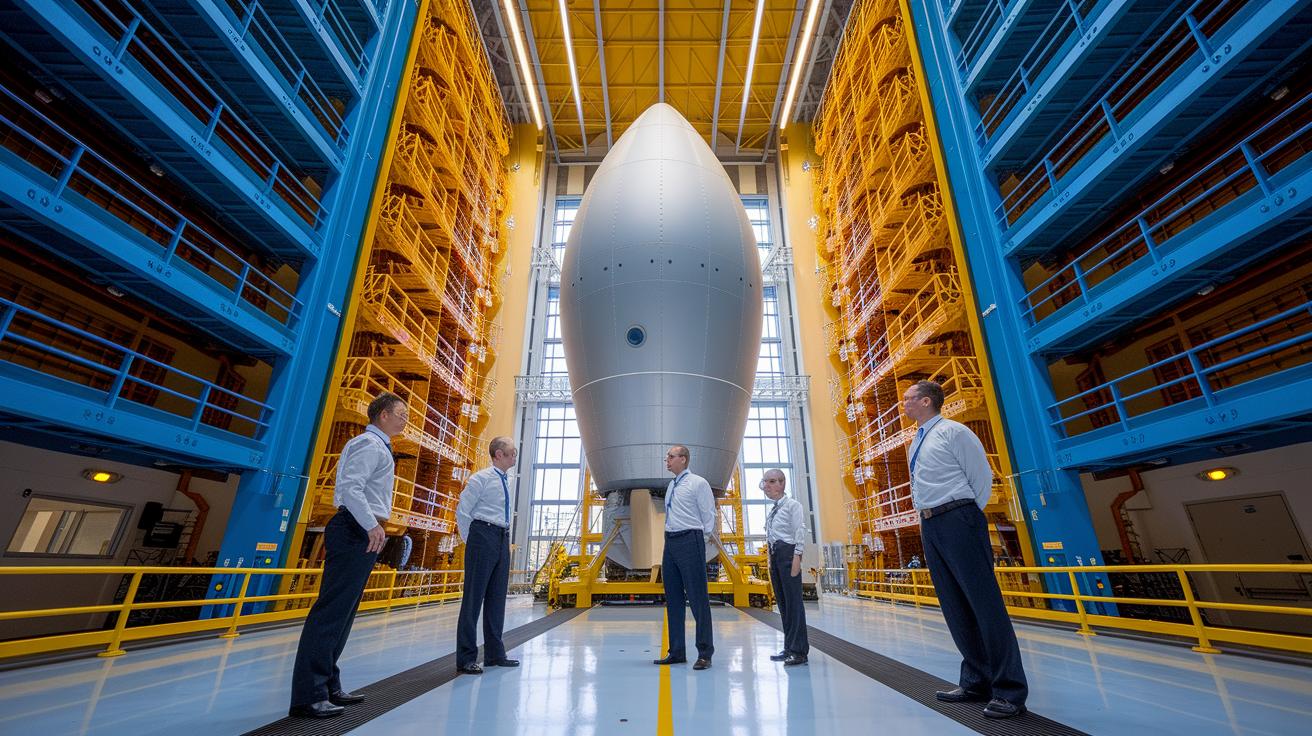
NASA engineers design rocket bodies with smart, smooth shapes that help boost lift and cut down drag. They shape rockets to slice through thick air, much like a sports car speeding along an open road.
Engineers also rely on cool, advanced materials. They use composite panels and special heat-resistant alloys (metals that can handle super hot conditions) to build rockets that are both strong and light, making it easier for them to speed upward.
They also check every part of the rocket with computer models that mimic heavy loads and vibrations. These tests make sure each part can handle the intense forces of launch.
Every piece of the rocket is carefully inspected and put together to exact standards. This strict quality control means NASA's rockets perform reliably every time they blast off into space.
NASA Rocket Propulsion: Engine Advances and Propellant Efficiency
NASA has come a long way with its rocket engines. They began using liquid hydrogen and liquid oxygen to power engines like the RS-25 and J-2X, which changed the way rockets lift off from Earth. These engines burn the fuel in a very controlled way, providing a steady push that makes launches smoother and safer. Every new upgrade has meant more power, cleaner burns, and better fuel efficiency.
Engine parts have also seen smart improvements. Nowadays, engines come with cooling methods in the combustion chamber to keep things from getting too hot during those intense burns. They even use systems that help steer the rocket by guiding where the force goes. For example, regulators manage the rush of hot gases to keep everything safe and precise. It’s pretty neat how it all comes together.
NASA isn’t stopping there. Engineers are busy testing ways to use the fuel (that super cold liquid known as cryogenic fuel) even more efficiently. Their new methods aim to get more thrust from every drop, while also cutting down the burn time without losing steady performance. These improvements are key for future missions, helping rockets carry heavier loads even deeper into space.
NASA Rocket Missions: Historic Milestones from Saturn V to Artemis II
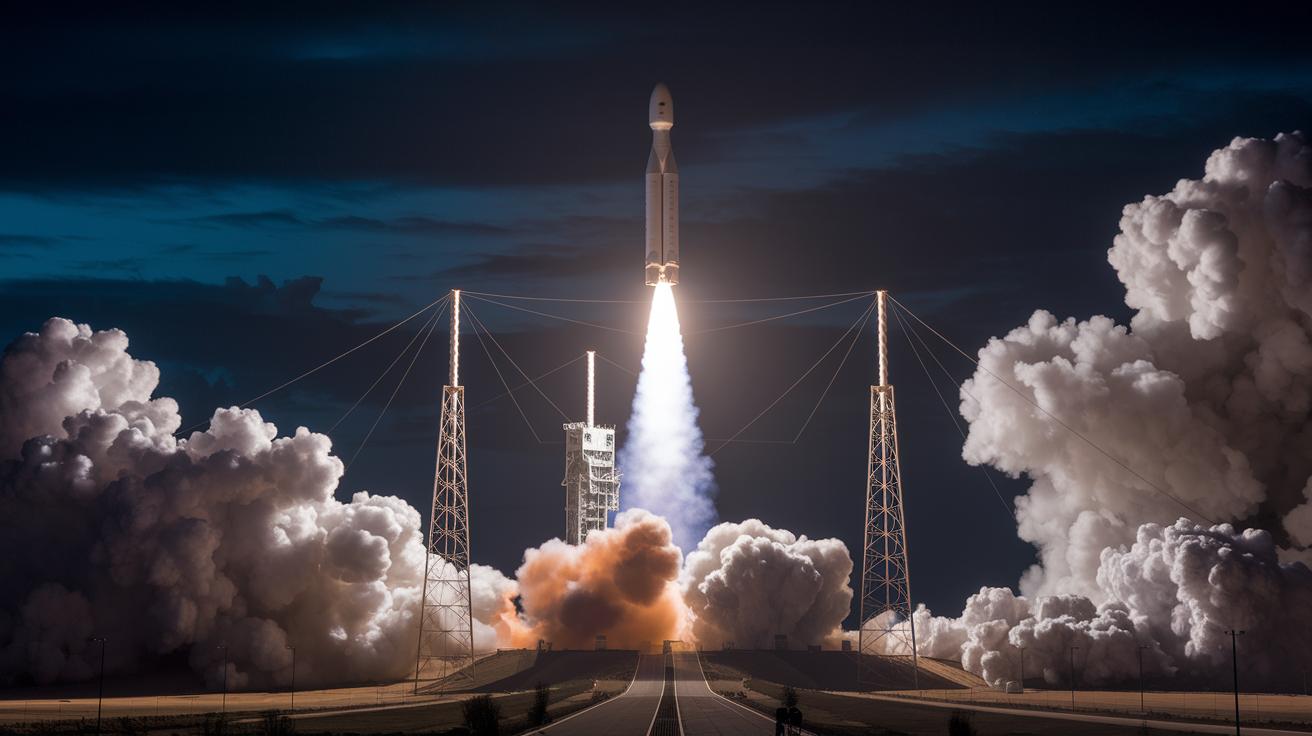
Back in November 1967, Saturn V roared into the sky and changed everything about space travel. Its huge power and clever design turned a wild dream into a real-life adventure. Each mission since then has added its own spark, from those early projects that had us all looking up in wonder to today’s thrilling plans for Artemis.
| Mission Name | Date | Rocket | Purpose |
|---|---|---|---|
| Saturn V | Nov 1967 | Saturn V | Lunar missions |
| STS-1 | Apr 1981 | Space Shuttle | Orbital flight demonstration |
| Challenger O-Ring Test | Jan 1986 | Space Shuttle Challenger | Safety and component testing |
| Viking I | Aug 1975 | Atlas-Centaur | Mars exploration |
| Artemis I | Nov 2022 | SLS | Uncrewed lunar test |
| Artemis II | Mar 2026 planned | SLS | Crewed lunar mission |
If you’re curious to see more about space science breakthroughs, check out this piece on science breakthroughs in space exploration.
Today’s NASA missions build on that amazing history. They follow the bold steps of the Saturn V and work hard for Artemis II. With fuel tests at Launch Pad 39B and careful dress rehearsals for the Orion spacecraft, NASA is pushing the limits of discovery while keeping the spirit of past achievements alive.
NASA Rocket Launch Operations: Countdown, Testing, and Safety
Ground crews work hard every day to get the launch pad ready for each mission. At LC-39B, engineers check every piece of equipment and make sure all systems and logistics line up perfectly with the schedule. It’s like setting up a stage where every prop has its exact place for a flawless show.
The countdown follows a careful, step-by-step plan. Teams watch each stage closely, ensuring that one checkpoint is cleared before moving on to the next. Think of it like following a recipe where every instruction must be met in order for the meal to turn out just right.
Before lifting off, the rocket undergoes a booster static fire test. In this test, the engines fire up at full power while live telemetry (real-time data monitoring) keeps track of key performance numbers. This process reassures everyone that the engine’s burn and thrust are within safe limits, so there won't be any unexpected surprises during launch.
Safety at the launch pad is always the top concern. Engineers use methods like reducing loud sounds (acoustic suppression), controlling vibrations, and running thorough emergency abort system checks. These careful steps protect both the crew and the equipment, ensuring that even last-minute checks are done while the pad remains fully prepared for any sudden need to evacuate.
NASA Rocket Future Directions: Artemis, Next-Gen Boosters, and Deep Space
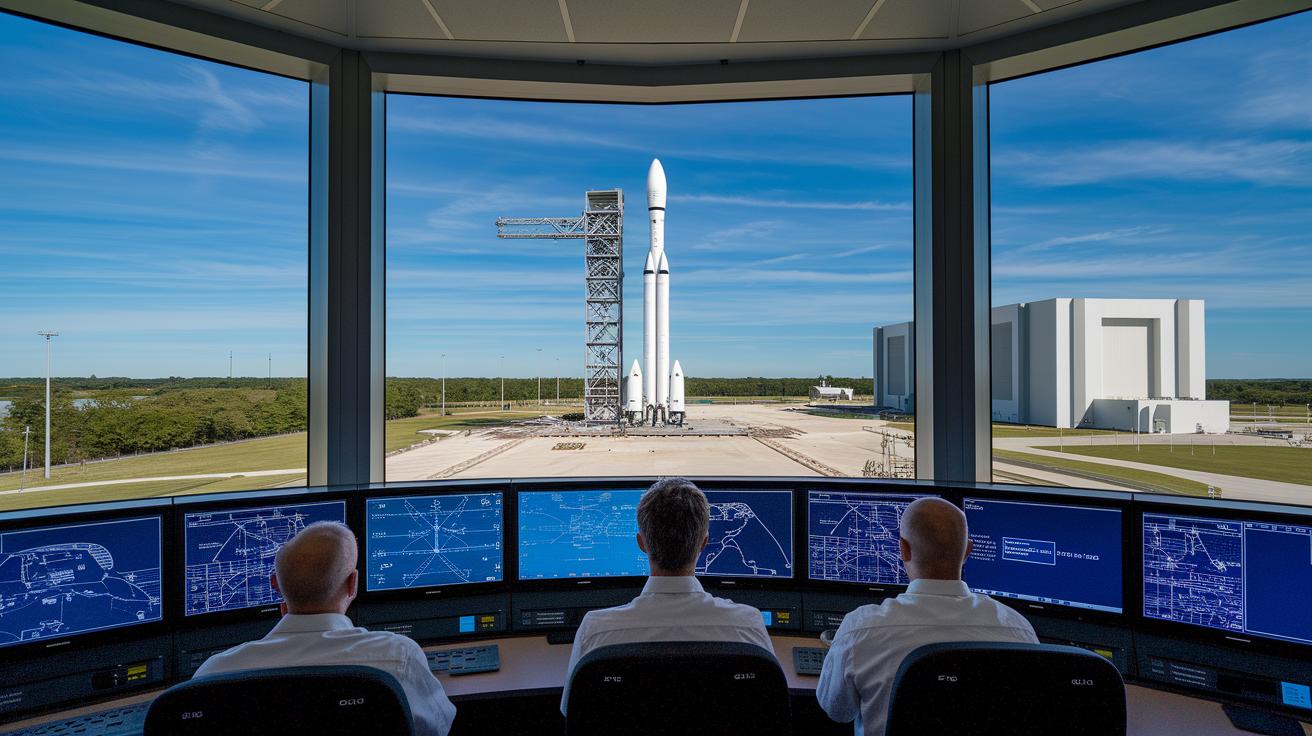
NASA is steadily moving its Artemis plans forward, aiming for clear milestones through early 2026. They’re upgrading key parts of the Space Launch System (SLS) with what they call Block 1B and Block 2 improvements, all to support lunar gateway missions and lay the groundwork for future trips to Mars. Imagine engineers fine-tuning engine settings and testing liftoff plans so that each Artemis flight moves us one step closer to getting people back on the moon and even traveling farther into space. For Artemis II, detailed fuel and system tests at Kennedy Space Center show NASA’s real dedication to mapping out deep space adventures.
Now, the spotlight is on next-generation booster ideas. Engineers are playing with heavy-lift rocket designs that mix multi-stage boosters with reusable parts. Think of a booster that not only sends a spacecraft soaring at incredible speeds but is also built to come back and be refueled for another go. This kind of innovation could totally change how we send payloads into orbit, cutting costs and opening up endless possibilities for missions beyond Earth.
Looking ahead, NASA isn’t stopping with the moon. They’re also planning for extended journeys to Mars and deeper into space. With fresh designs for efficient Mars transfer routes and carefully mapped-out interplanetary missions, NASA is setting itself up as a true leader for long-range space exploration. These efforts, backed by regular testing and updates, promise to stretch NASA’s launch abilities well into the coming decade, proving that as our scientific knowledge grows, so does our reach into the vast cosmos.
Final Words
In the action, this article captured NASA rocket progress from early innovations to major launch preparations. We explored vital technologies like engine design, structural testing, and flight procedures through key missions.
The discussion also highlighted upcoming Artemis plans and futuristic deep space initiatives that bring science closer to our everyday lives. It's exciting to see how a simple nasa rocket pushes the limits of modern technology. Every update reminds us that science continues to spark wonder and hope for a future full of space breakthroughs.
FAQ
Q: What is a NASA Rocket Toy?
A: A NASA rocket toy is a miniature model inspired by real NASA rockets, designed for fun and learning about space and rocket engineering.
Q: What does the NASA Artemis rocket launch involve?
A: The NASA Artemis rocket launch involves missions aimed at returning humans to the Moon, with the Artemis program paving the way for future lunar exploration.
Q: What is notable about the NASA Artemis II rocket launchpad?
A: The NASA Artemis II rocket launchpad refers to Launch Pad 39B at Kennedy Space Center, where preparations for the crewed Artemis lunar missions are underway.
Q: What is NASA Rocket LEGO?
A: NASA Rocket LEGO consists of LEGO sets modeled after iconic NASA rockets, offering a hands-on way for enthusiasts to engage with space history and engineering design.
Q: What are common NASA rocket names?
A: Common NASA rocket names include models like Saturn V, the Space Shuttle, and the rockets of the Artemis series, each marking a distinct phase in space exploration history.
Q: What does the NASA rocket logo represent?
A: The NASA rocket logo symbolically represents the agency’s long history in space exploration, combining visual cues of flight and engineering innovation in a simple design.
Q: Where can I find NASA rocket photos?
A: NASA rocket photos capture vivid images of launches, tests, and mission preparations, which can be found on NASA’s official website and various space exploration archives.
Q: How does the NASA Space Shuttle differ from current rockets?
A: The NASA Space Shuttle was a reusable spacecraft used for many missions, while current rockets like those in the Artemis program are designed with modern propulsion and safety features for deep-space travel.
Q: What is the current NASA rocket?
A: The current NASA rocket is the Space Launch System, or SLS, which is central to the Artemis missions and designed to carry astronauts beyond low Earth orbit.
Q: What did NASA launch recently?
A: NASA recently launched Artemis I, an uncrewed test flight designed to prove the systems and capabilities needed for future crewed lunar missions under the Artemis program.
Q: What is the next moon launch?
A: The next moon launch focuses on the Artemis II mission, which is planned to be the first crewed flight under the Artemis program, advancing human exploration of lunar space.
Q: Why did NASA delay Artemis 2?
A: The delay of Artemis II resulted from the need to complete vital safety tests and system checks, ensuring that all components perform properly for a safe crewed mission.
Q: What do Artemis II, Artemis III, Artemis I, Artemis V, and Artemis IV refer to?
A: These names represent a series of planned NASA missions in the Artemis program, each aiming at different objectives from uncrewed tests to crewed lunar landing missions and further space exploration goals.
Q: What is Europa Clipper?
A: Europa Clipper is a NASA mission designed to study Jupiter’s moon Europa, focusing on its icy surface and subsurface ocean to assess the moon’s potential for life.