
Have you ever wondered what keeps an airplane’s material strong under high heat and stress? In aerospace (the world of building and flying aircraft), every choice matters. Engineers pick metal alloys (mixtures of metals), carbon fiber, and special high-temperature ceramics to ensure safety and efficiency.
In this post, we look at each material and compare their weight, strength, and heat resistance. We explain how these clever mixes keep planes both light and strong and how engineers choose the right material for each task. Stick with us to see where science meets engineering in the sky.
Core Types of Aerospace Material and Performance Comparison
In aerospace, engineers mix and match different materials to meet tough performance needs. They pick metals, composites, polymers, and ceramics based on their weight, strength, and how well they stand up to high heat. Aluminum alloys, for instance, are a staple in airframe construction, while cutting-edge composites like carbon fiber help save weight and add extra heat resistance. Metal-matrix nanocomposites boost electrical conductivity (the ease with which electricity flows) and balance stress, and special high-performance polymers and ceramics are chosen for very specific tasks. Every material’s unique traits decide if it’s the right fit for a particular role.
| Material Type | Density (g/cm³) | Tensile Strength (MPa) | Service Temperature (°C) |
|---|---|---|---|
| Aluminum Alloy | 2.70 | 400 | 150 |
| Carbon Fiber Composite | 1.60 | 600 | 200 |
| Metal-Matrix Nanocomposite | 3.20 | 700 | 250 |
| High-Performance Polymer | 1.30 | 100 | 120 |
| High-Temperature Ceramic | 3.80 | 300 | 1000 |
Engineers use these numbers to choose the perfect material for each part of an aircraft. The density values help them figure out weight savings, and the tensile strength numbers show how well the material can handle stress during flight. Meanwhile, the service temperature tells them which materials can handle the heat from engine operations or the friction of moving through air. All of these details work together to ensure that the final design is strong, durable, and safe for today's exciting aerospace projects.
Composite Structures in Aerospace Material
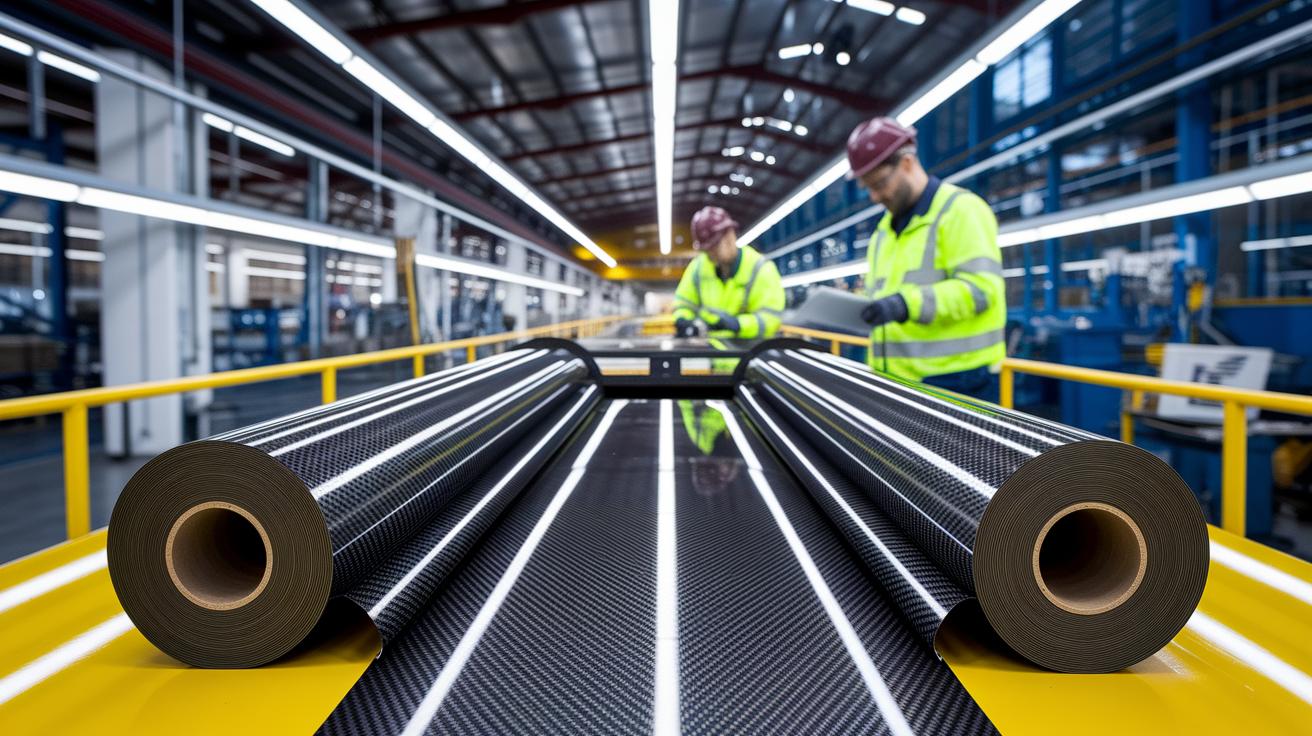
Carbon Fiber Reinforced Composites
Carbon fiber reinforced composites are known for being both light and super strong. Engineers carefully arrange the carbon fibers using advanced layup methods so that the fibers line up just right. This smart alignment helps the laminate stay light while still handling heavy loads. Think of carbon fiber as the bones of modern airplanes, built to support tremendous stress without weighing things down.
Hybrid Matrix Composites
Hybrid matrix composites mix polymers with ceramic phases to create a material that's both tough and heat resistant. By blending these two key ingredients, engineers craft a composite that absorbs shocks and stands up to high temperatures. During production, a careful mix and cure process ensures the material performs well even when under stress. This balanced approach works great for parts that face rapid temperature changes and sudden impacts.
Self-Healing Composites
Self-healing composites are a really innovative leap in aerospace materials. Tiny microcapsules filled with healing agents are embedded in the resin matrix (the glue that holds everything together). When cracks start to form, these microcapsules break open and release their contents right then, repairing the damage on the spot. Early lab tests are promising, showing that these composites can handle damage much better. This smart repair method not only extends the lifespan of components but also boosts overall safety in extreme flight conditions.
Metallic Alloys Driving Aerospace Material Performance
Aluminum Alloy Applications
Aluminum alloys make up about 20 to 25 percent of an airplane’s structure. You can see them in parts like the fuselage frames and wing structures, often using varieties such as 7075-T6 and 2024-T3. Engineers typically choose riveted joints when they need extra reliability, and they opt for bonded joints to save weight and help the airflow over the aircraft. Picture an airplane wing where every rivet is carefully placed so that the wing stays both strong and light. Designers plan every detail of these parts and their joining methods to balance durability, easy assembly, and top-notch performance in the sky.
Titanium Alloy Integration
Titanium alloys, especially Ti-6Al-4V, are really impressive because they can handle temperatures up to 600°C and resist corrosion well (which means they don’t rust easily). These alloys are perfect for parts that face high stress and heat. Manufacturers usually weld these parts together and then machine them with great precision to suit titanium’s unique properties. They also add special surface treatments to boost the alloy’s resistance to the environment. Imagine watching a technician weld a titanium piece, then polish it until it shines, ready to take on extreme conditions effortlessly.
Superalloy Use in Engines
Nickel-based superalloys like Inconel 718 and CMSX-4 are key in engine parts, especially where turbine inlet temperatures can go above 1000°C. These materials are essential for turbine blades because they combine high heat resistance with great strength. They can be made by traditional casting or by advanced layer-by-layer methods, often called additive manufacturing. Picture a turbine blade as a tiny work of art, carefully cast or 3D printed so that it maximizes airflow and handles intense heat, all while managing the challenges of high cost and complex manufacturing.
Fabrication, Testing, and Certification of Aerospace Material

Engineers mix high-tech building methods with careful testing to create aerospace materials that meet the toughest safety rules. They shape every part using modern tools and strict quality control, making sure each piece works great even under harsh conditions. Techniques like computerized machining (machines that work with instructions), waterjet cutting (using a strong water stream to cut materials), and other modern methods are all part of the process. They follow important guidelines like AMS rules while keeping an eye on overall quality with AS 9100 and ISO 9001 standards. This careful planning not only speeds up production but also ensures every part works reliably.
- CNC machining and high-precision cutting make parts with tight tolerances.
- Waterjet cutting gives smooth edges while keeping the material intact.
- Die cutting and form-in-place gasket dispensing create custom seals accurately.
- Thermal management assembly brings in cooling solutions for the right operating temperatures.
- Vibration isolation mounts help reduce stress on parts during flight.
- RF absorption linings along with acoustic dampening treatments boost operational performance.
Engineers also use non-destructive tests to double-check every part before it gets used in aircraft. They use ultrasonic scanning (sound waves that check inside), radiographic inspections (like X-rays), and dye-penetrant analysis (using dye to show cracks) to find hidden flaws without damaging the part. These tests help spot small issues that might affect performance over time. They make sure every component meets both AMS and SAE standards. By combining state-of-the-art manufacturing with careful testing and certification, aerospace experts build materials that are both safe and efficient. This mix of modern fabrication methods, careful evaluation, and strict compliance with rules makes sure every aircraft part does its job perfectly while keeping passengers safe.
Innovations Shaping the Future of Aerospace Material
New breakthroughs in material science are opening up exciting possibilities for aerospace. Researchers are testing materials that promise not only great strength and performance but also help our planet stay healthy. For instance, engineers are using metal-matrix nanocomposites with TiC (a hard ceramic material) and Al₂O₃ (a type of aluminum oxide) to boost stiffness by 20 percent. Meanwhile, carbon composites mixed with graphene (a super-strong form of carbon) are getting better at handling lightning strikes. Plus, smart sensors built into these materials now let engineers check how well structures are doing in real time. And there’s a move to use recyclable bio-resins, which helps cut down the environmental impact of aerospace parts.
- graphene composites
- nanoclay coatings
- smart sensor integration
- self-healing polymers
- recyclable matrix systems
- additive manufacturing metals
These advances mix stronger mechanics with clever design features. With more testing and gradual production tweaks, experts believe these new materials will soon move from laboratory experiments to everyday use in aerospace, thanks to their higher performance, longer life, and planet-friendly traits.
Real-World Case Studies of Aerospace Material Applications
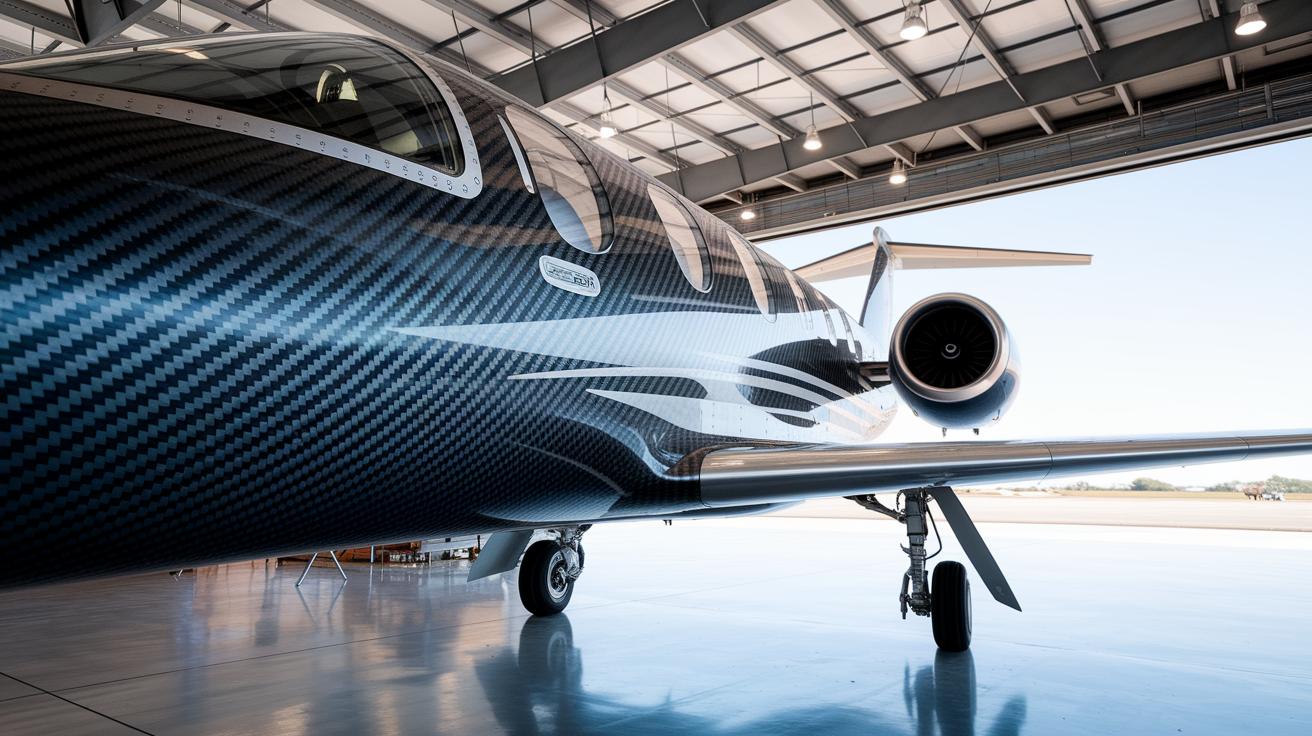
Commercial airplanes are seeing big improvements thanks to advanced composite materials. For example, new narrow-body jets now use carbon fiber fuselage panels that have slashed fuel consumption by 15 percent. It’s pretty amazing how using a light material can lead to such real savings. These panels are made with great care and tested heavily for durability, which helps cut costs and makes manufacturing and repairs easier. When engineers check how these panels perform over time, the benefits just keep adding up.
Engines and parts that face extreme heat need super-strong materials. Take nickel-base superalloy turbine blades, for instance, these are built to handle temperatures above 1000°C (really hot!) in high-bypass engines. And ceramic matrix composites, used in re-entry vehicles, can tolerate temperatures over 1200°C, keeping these craft safe during the most critical moments of flight. These high-temperature tests remind us why it’s vital to assess how materials resist impact and wear over time.
For mission-critical space vehicles, picking the right material is all about following global standards and tracking every piece through the supply chain. Polymer interior panels, which are light yet strong, can lower the cabin weight by up to 10 percent while still protecting delicate equipment. Engineers use detailed lifecycle models to keep an eye on every component, from the moment it’s made to when it’s put together. By sticking to strict guidelines like FAA FAR, EASA CS, and SAE AMS, aerospace experts build systems that are safe and dependable even in the harshest environments.
Final Words
In the action, we explored various material types used in modern airframes. We viewed how advanced composites, metallic alloys, and innovative fabrication techniques play key roles in everyday aerospace work. Each section showed how metrics like strength, density, and temperature ratings guide material selection. We even touched on fresh innovations and real-world case studies that highlight aerospace material successes. Staying tuned to these breakthroughs clearly shows a bright future for safer, more efficient flight. Keep questioning and embracing science in all its practical beauty.
FAQ
What are some examples of aerospace materials and what does the list include?
The aerospace material examples include aluminum alloys, titanium, carbon fiber composites, and ceramics. These materials are chosen for their lightweight, strength, and heat resistance, making them ideal for aircraft and spacecraft.
What does an aerospace materials PDF offer?
An aerospace materials PDF offers a document that compiles details on material properties, performance data, and industry specifications. These PDFs are excellent resources for students and professionals alike.
What is covered in an aerospace materials book?
An aerospace materials book covers various materials used in airframes and engines, explaining their properties and applications. It serves as a guide for both studying and practicing in the aerospace field.
What does an aerospace materials course teach?
An aerospace materials course teaches the selection, performance, and testing of materials used in aviation and space. It blends theoretical knowledge with real-world examples to build practical skills.
Who are aerospace material companies and what do they do?
Aerospace material companies produce and supply advanced materials such as composites, alloys, and ceramics. They work with aerospace manufacturers to meet the strict standards required for safe and efficient designs.
What are aerospace materials in Arknights?
Aerospace materials in Arknights refer to in-game elements inspired by real aerospace substances. They add a layer of depth to character design and storylines by reflecting themes from actual aerospace materials.
What do aerospace material specifications and standards entail?
Aerospace material specifications define the required properties like density, tensile strength, and service temperature. These standards ensure consistency, reliability, and safety across aerospace applications.
Which materials are commonly used in aerospace applications?
Common aerospace materials include aluminum alloys, titanium, carbon fiber composites, and high-temperature ceramics. Each material is selected based on its balance of strength, weight, and resistance to extreme conditions.
What is meant by the term aerospace materials?
The term aerospace materials refers to engineered substances designed to perform under the extreme conditions of flight and space travel. They are vital for maintaining structural integrity and safety in aerospace engineering.
Is aerospace aluminum stronger than titanium?
The strength comparison between aerospace aluminum and titanium depends on the application. Aluminum alloys are favored for their light weight and cost, while titanium offers superior strength and heat resistance for more demanding uses.