
Have you ever wondered if Earth's warming is just part of nature's old cycle? This April, our planet set a new record when temperatures went up by 1.32 °C (that’s a bit more than one degree hotter), challenging some long-held ideas about climate change. Some people say a small change in temperature doesn’t matter, but clear, careful research shows a different truth. In this article, we look at five common myths and explain why facts and careful study always lead the way.
Debunking the Most Common Climate Change Myths
Temperatures around the world are breaking records, making it hard to ignore how our planet is changing. In April 2024, the global temperature hit about 1.32 °C above the 20th century average. That made it the hottest April ever, continuing a streak of 11 months with record-breaking heat. Europe, for example, experienced its second warmest April, and almost every continent has felt unusual warmth. These standout figures make us rethink old ideas about how Earth heats up.
Many still believe in myths about climate change because they stick to familiar explanations that credit natural cycles instead of human actions. Some say that today's warming is just part of nature's ups and downs, while others insist that a small temperature rise doesn't really matter. But these views ignore plenty of clear evidence gathered over many years, evidence from careful measurements and studies (research checked by other experts) showing that human-driven emissions are the main reason for our rapid warming.
Here are five common myths people often bring up:
- It's just a natural cycle.
- A small temperature increase isn’t significant.
- Cold weather disproves global warming.
- Scientists are too divided to agree.
- It's too late for us to make a difference.
A clear, science-based approach, built on detailed research and accurate readings, shows that these myths simply don’t add up. By comparing old records with today’s data and running controlled tests, experts have proven that human activities are largely behind this warming trend (see what causes climate change).
Myth: Climate Change Is Merely a Natural Cycle

The Earth's climate has mostly shifted at a very slow pace, much like a calm stream gently winding its way along. In the past, after major events like the Ice Age, temperature changes happened gradually, which gave plants, animals, and people plenty of time to adapt. But today, the world is heating up quickly, almost like someone suddenly cranking up a thermostat.
Research reviewed by experts has shown that our own actions, especially releasing carbon dioxide (a gas released when we burn fossil fuels) since the Industrial Revolution, are behind nearly all of this recent warming. It’s like when you slowly increase the heat in your home; what starts as a small tweak ends up making a big difference. In fact, about 99% of climate researchers agree that we are the main cause.
Now, the speed of today's warming is almost ten times faster than the slow increase you’d expect from natural changes after the Ice Age. Where nature once moved at a leisurely pace over centuries, today's temperature spike is coming in fast and leaving both nature and society little time to catch up.
Myth: A Few Degrees of Global Warming Aren’t a Big Deal
Since the mid-1800s, the Earth's average temperature has gone up by about 1.1 °C. That might sound like a tiny change, but even a little warming can have big effects. For example, the Arctic ice melts faster, which makes sea levels rise and causes some really extreme weather. It’s a bit like a delicate see-saw that tips with just a small push.
This slow heating messes with nature’s balance. Plants, animals, and even farmers rely on certain temperatures to thrive. When it gets too warm, entire habitats can change quickly, leading to severe storms or even a ruined crop because of a short, unseasonal frost. It’s surprising how one small shift can throw off the whole system.
The real worry is reaching nature’s tipping points. What seems like a minor increase on paper can start changes that dramatically reshape our environment. So even a couple of degrees isn’t nothing, it can set off events that deeply alter our world.
Myth: Cold Weather Doesn’t Disprove Climate Change
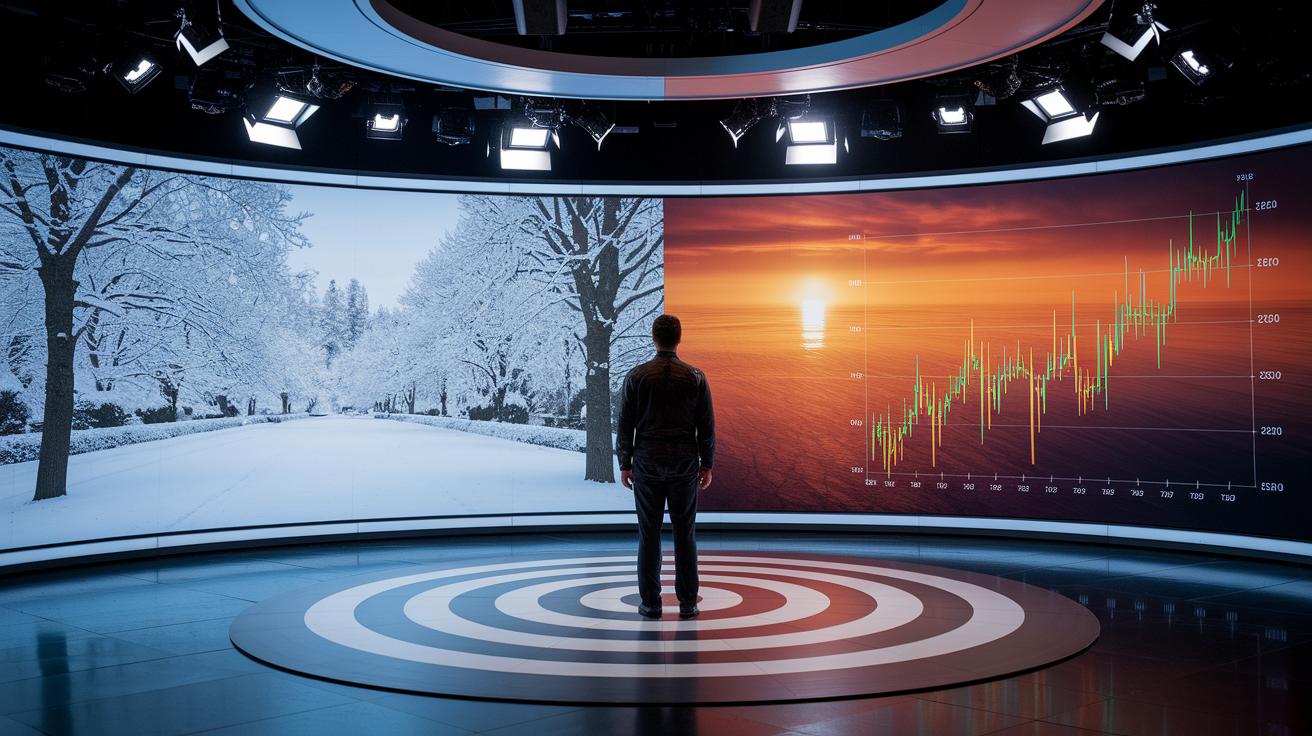
Weather is like the daily mood swings of the atmosphere. It shows how temperature or rain can change from one day to the next. But climate is the story told over many years. Think of weather as reading one page of a huge book, a single chilly day is just one page, not the whole story. Even if you wake up to a cold morning, it doesn’t change the big picture that our planet is warming.
Even though we sometimes have a few really cold days, recent records show that the overall global temperature is steadily rising. In some places, you might see heavy snow or unexpected cold spells, yet scientists have logged 11 months in a row of record-high heat around the world. This pattern shows that a handful of cold days don’t cancel out the warming trend.
When you look at long-term averages, temperatures continue to climb even if some areas dip briefly. Regional cool spells are usually just short weather fluctuations, not signs that the overall temperature trend has reversed. Over decades, the data makes it clear: a few cold days do not change the fact that our planet is getting warmer.
Myth: Scientists Disagree on the Causes of Climate Change
Most studies agree: our planet is warming because of what we do. Researchers have looked at nearly every peer-reviewed study (about 99% of them) and found that burning fossil fuels, cutting down forests, and other human actions are adding extra heat-trapping gases into our atmosphere. Simply put, it's our everyday activities, not natural cycles, that are changing the climate.
A big study in 2021 took a hard look at decades of research and confirmed this point. The data clearly shows that human actions are behind the warming, and any claims of serious scientific disagreement usually come from misinterpreted or outdated views.
Science finds consensus when multiple pieces of evidence come together, like temperature records, the makeup of our air, and detailed climate models. While a few outlier studies might grab attention, they don't stand up against all the evidence that shows our actions are the main cause of climate change.
Myth: Humans Can Adapt to Climate Change Without Major Effort

Climate change doesn’t hit everyone the same. Some places have strong systems to handle it, while others, especially poorer areas, struggle with even small changes. In these communities, a little stress from weather or water issues can quickly overwhelm their local resources, leaving many people without the help they really need.
The rapid warming of our planet puts nearly one million species at risk of disappearing. And it’s not just nature that suffers, people face food shortages, losing their homes, and even health problems when they aren’t prepared. Ecosystems that once balanced themselves now feel the strain from fast, dramatic shifts, which challenges both our natural world and our everyday lives.
To truly tackle these problems, we need a combination of choices. We can’t just expect humans to adjust to major changes without cutting down on harmful emissions. Instead, we must work on reducing greenhouse gases quickly while also strengthening local systems. That way, communities everywhere can be ready for the future.
Myth: Renewable Energy Isn’t Feasible for Climate Change Mitigation
Many people assume that fuels like natural gas are the cheapest option, but wind and solar power tell a different story. In fact, renewables can be up to nine times less expensive than gas, turning the usual energy conversation on its head. This price difference isn’t just a number, it shows a real economic reason to move toward cleaner energy.
- Wind and solar can cost up to nine times less than gas
- Recent years have seen faster-than-expected drops in renewable costs
- Improved energy storage means we get steady power even when the wind or sun isn’t active
Thanks to better batteries and storage tech, renewable energy is now much more reliable even on cloudy or still days. This means that power keeps flowing when nature slows down. And as our tech continues to advance, renewable systems are built to grow with global demand. Local communities, industries, and big power grids are all making the switch because the lower running costs and better efficiency make them a smart, cost-effective choice. By showing that renewables can handle big energy needs while cutting costs, we see that clean energy isn’t just possible, it’s a must for fighting climate change.
Myth: It’s Too Late to Prevent Dangerous Climate Change

New estimates from UNEP show that if we cut 22 gigatons of CO2 emissions (that’s 22 billion tons) over the next seven years, we can keep global warming to 1.5 °C. This target is like a clear line in the sand, by reducing emissions now, we can steer clear of the most dangerous outcomes.
The Paris Agreement aimed for a 1.5 °C limit. But current plans suggest that temperatures could rise by 2.1 to 2.8 °C by the end of the century. This gap tells us that while the world has made promises, our actions haven’t caught up yet. We need solid political commitment to change our future.
Quick global actions, like changing policies and cutting emissions faster, can change the game. By acting swiftly and with plenty of energy, we can protect fragile ecosystems and communities from the worst effects of climate change.
Final Words
In the action of breaking down misconceptions around our warming planet, we highlighted how record temperatures, scientific studies, and practical challenges expose climate change myths. The post examined ideas like natural cycles, minor temperature increases, weather misinterpretations, debates among scientists, and the limits of adaptation. Each section shows that clear, evidence-backed science drives us toward a better understanding. Our refreshed view of these climate change myths brings us one step closer to informed choices and a brighter tomorrow.
FAQ
Who are the top 10 scientists who disagree with climate change?
The claim of a top 10 list ignores the fact that nearly all climate experts agree that human-caused climate change is real, based on extensive peer-reviewed research.
What is a climate change myths PDF?
A climate change myths PDF is a document that lists common misconceptions about climate change and offers scientific evidence to clarify why these ideas are misleading.
What is an evidence against climate change essay?
An essay presenting evidence against climate change usually questions the consensus, but it overlooks that comprehensive research consistently shows human activities are driving global warming.
What does climate change myths part 2 cover?
Climate change myths part 2 builds on previous debunking efforts by examining more detailed misconceptions and providing further scientific evidence supporting the human influence on climate change.
What is a climate change myth or reality essay?
A climate change myth or reality essay explores both sides of the debate, yet robust scientific evidence clearly indicates that climate change is a genuine, human-induced issue.
What are global warming myth debate points?
Global warming myth debate points often rely on misinterpreting short-term weather or selective data, while extensive research confirms that the long-term trend shows a significant increase in global temperatures.
Is climate change real or man made?
Climate change is both real and man made; comprehensive temperature records and studies show that human activities, particularly CO₂ emissions, are the primary drivers of the current warming trend.
What are articles opposing climate change about?
Articles opposing climate change tend to use outdated or misinterpreted data, even though a vast body of peer-reviewed research supports that human activity is the main cause of our warming planet.
What has Elon Musk said about climate change?
Elon Musk has emphasized the need for sustainable energy and electric transportation to cut CO₂ emissions, linking technological innovation with the fight against climate change.
Will 2025 be hotter than 2024?
The prediction that 2025 may be hotter than 2024 is based on current warming trends, though future temperatures depend on global emissions and policy decisions in the coming years.
What did Stephen Hawking say about global warming?
Stephen Hawking warned that global warming poses major risks to humanity and stressed the urgency of reducing CO₂ emissions to avoid dangerous and lasting impacts on our climate.
What did Bill Gates actually say about climate change?
Bill Gates highlighted that climate change poses serious challenges and called for innovation in renewable energy and policy changes to reduce emissions and protect our environment.

