
Have you ever wondered if one day we might journey among the stars? Today, our push to leave Earth is turning big dreams into real rewards. Private companies, like those making rockets that can be used again, are speeding up progress and cutting costs. And government missions aiming to revisit the Moon add even more momentum. All of these advances hint at a future where space travel might become part of everyday life. In this post, we explore how a mix of creativity and grit is opening the door to an exciting new world in space.
Modern Space Travel Overview: Achievements and Market Trends
Space travel today shows just how creative and determined people can be. Both government agencies and private companies work hard to explore beyond our planet. Private firms, like SpaceX, help lower the costs of launching rockets. For example, SpaceX’s Falcon 9 quickly returned to flight after fixing an upper-stage issue (a part that helps steer the rocket). These fast solutions keep our journey into space on track and help launch satellites like Starlink into orbit.
The excitement in today’s space scene comes with many commercial missions and trips to low Earth orbit. We now see planned crew rotations to the International Space Station. One cool example is Crew-12 flying aboard the SpaceX Dragon, showing that regular schedules help keep missions steady.
Government projects remain a key part of space exploration too. NASA’s Artemis program is vying to put people on the Moon by the mid-2020s. Along with building something called the Lunar Gateway (a small space station orbiting the Moon), these plans set the stage for future trips to Mars. Worldwide, many nations are joining in on the effort. China became the third country to send people to space in 2003, and India is getting ready for its first crewed mission. It’s a bit like watching a model rocket launch, the blend of wonder and careful planning is truly inspiring.
Every launch and recovery shows us how well reusable rockets work. This means rockets that can be used more than once, which helps save money and time. In short, every step forward in space travel pushes our technology to new limits and brings benefits that can help improve our lives on Earth.
Historical Evolution of Space Travel Milestones
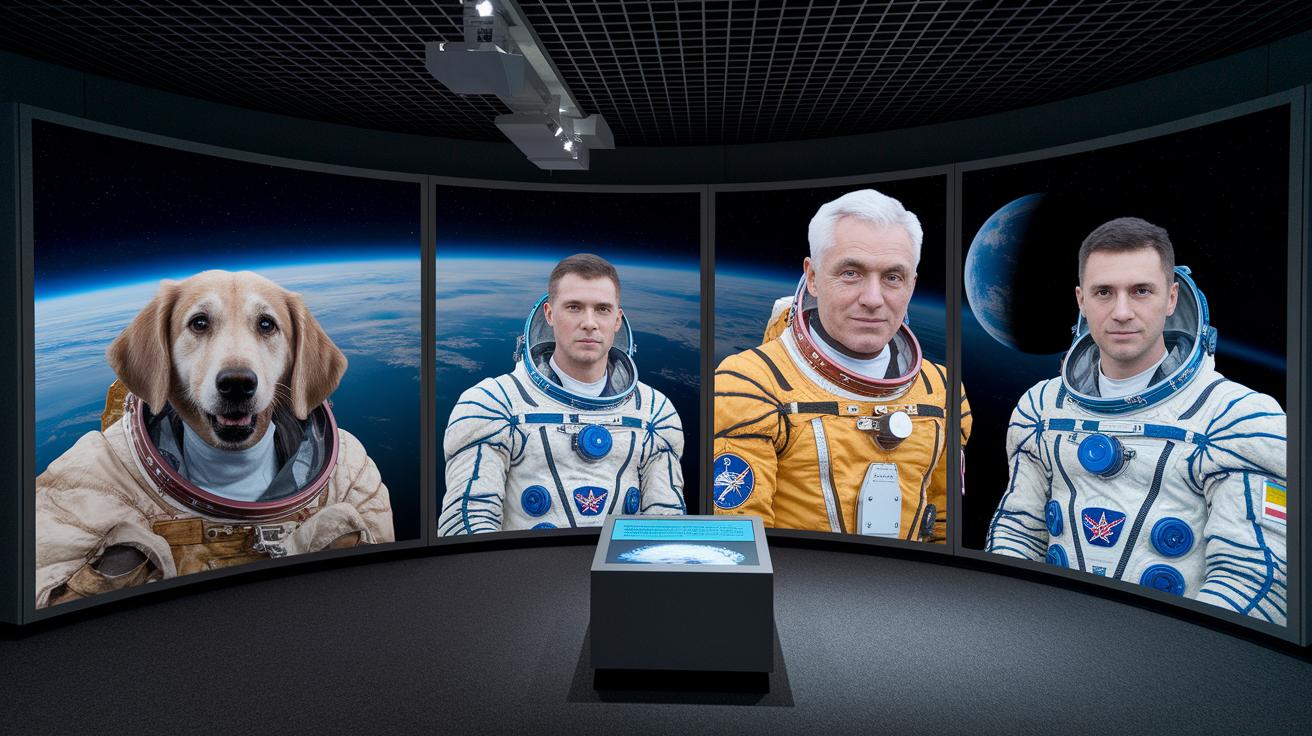
Space exploration began with bold ideas and surprising twists. In those early days, the space race sparked rapid advancements that still echo today. In 1957, Laika set off on an orbital journey, showing us that living creatures could handle the challenges of space. Then, in 1961, Yuri Gagarin circled the Earth, making history as the first person to venture into space.
In 1965, Alexei Leonov stepped out of his spacecraft for the very first spacewalk. Just imagine drifting outside your ship and seeing Earth from a new perspective. The following year, Luna 9 made a gentle landing on the Moon, proving that a safe touchdown on another world was possible. Come 1969, Apollo 11 took a giant leap for mankind by putting the first humans on the lunar surface, a moment that showed we could reach beyond our own world.
By 1975, the Soyuz-Apollo mission celebrated a breakthrough in international teamwork with a successful docking between rival spacecraft. Even in the heat of competition, this effort highlighted how working together can make space travel safer and more efficient.
List of 5 Central Milestones:
- 1957: Laika’s orbit
- 1961: First human in space
- 1965: First spacewalk
- 1969: Moon landing
- 1975: First international docking
Key Space Travel Players: Agencies and Commercial Innovators
Government organizations have been a big part of space exploration right from the start. Agencies like NASA (founded in 1958), Roscosmos, ESA, CNSA, and ISRO have led many key missions and set up the groundwork for safe space travel. Their careful planning and hard work have given us priceless insights into everything from building spacecraft to making flights safer.
Meanwhile, private companies are changing the game. SpaceX, which started in 2002, made a buzz in 2015 by successfully recovering an orbital booster. This win not only helped cut costs but also proved that reusing parts is a smart way to keep space flights reliable. Blue Origin, around since 2000, raised the bar with New Shepard’s first crewed suborbital flight in 2021, showing us new standards for commercial passenger flights. Virgin Galactic, which began offering suborbital trips in 2023, has brought space travel closer to everyday people. And ULA, launched in 2006, continues to provide dependable rockets for many important missions.
These trailblazers in both government and business are sparking fresh ideas and innovative tech that will shape the future of space travel. When different teams join forces, the wonder of exploring space really takes off, paving the way for more exciting and accessible missions ahead.
Technological Innovations Driving Future Space Travel
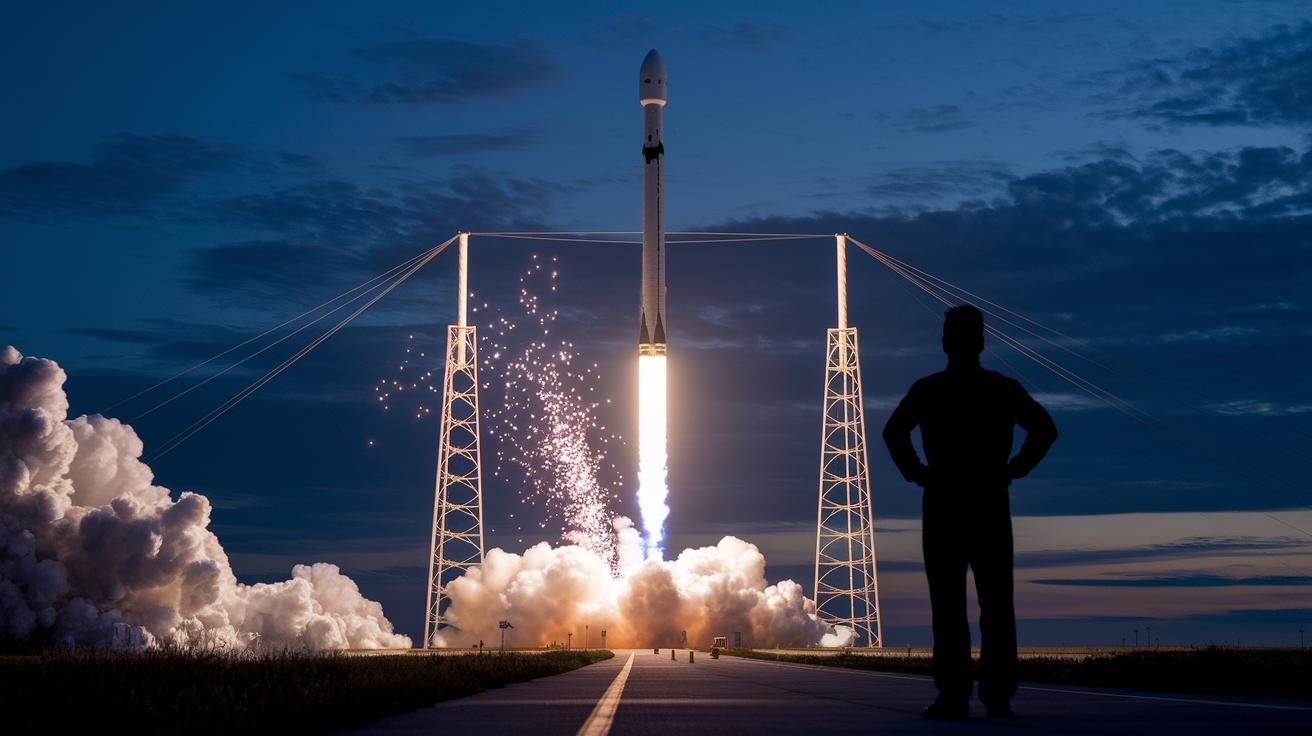
Reusable rockets have changed how we think about space travel. For instance, SpaceX’s Falcon 9 landed its first booster in December 2015. This meant the booster could fly again in more than 10 missions instead of being tossed away after one flight. It helps cut costs and makes it faster to launch new missions.
Next, there’s some cool progress in propulsion. Ion thrusters (engines that use electricity to push a spacecraft) were a big hit on NASA’s Dawn mission and keep powering robot explorers. Scientists are also looking at nuclear thermal propulsion (a system that uses nuclear energy to produce more efficient thrust) for future trips to Mars. Imagine a spaceship using these systems to handle the heavy challenges of deep space travel!
Advanced spacecraft design is also making our space journeys safer and longer. The International Space Station now uses improved life support systems that can handle missions lasting a year. Plus, new radiation shielding materials are being tested to give astronauts extra protection when they’re out in space. It’s a big step toward safer space travel.
In-space manufacturing is starting to take off too. The ISS has been a testing ground for on-orbit 3D printing, so spare parts can be made right there in space when they’re needed. In one experiment, a small tool was digitally printed right on the station, cutting down repair times dramatically.
| Innovation | Description | Current Status |
|---|---|---|
| Reusable Rockets | Booster recovery and reuse | Operational across Falcon 9 fleet |
| Ion Propulsion | High-efficiency electric thrust | Employed on robotic missions |
| Nuclear Thermal Propulsion | Enhanced specific impulse | Advanced research phase |
| In-Space Manufacturing | On-orbit 3D printing | Prototyping aboard ISS |
Commercial Space Travel: Tourism and Civilian Access
Imagine paying only a few thousand dollars to experience those free-floating, awe-inspiring moments that astronauts enjoy every day, a brief peek into a world beyond Earth. Private companies are making this dream come true for everyday adventurers.
For example, Virgin Galactic’s VSS Unity began taking passengers on trips that just touch the edge of space in July 2023, with each seat costing about $450,000. And then there’s Blue Origin’s New Shepard, which has been flying paying customers since 2019 for roughly $250,000 a ticket. These flights let you feel the thrill of leaving Earth’s atmosphere, even if just for a short while.
If you’re curious about weightlessness without a full ride into space, you might try a parabolic zero-G flight on a modified jet. These flights, costing around $5,000, give you a few seconds of microgravity (a condition where you feel almost weightless) and the amazing sensation of floating freely.
In 2021, SpaceX’s Inspiration4 mission took four everyday people on an orbital adventure around Earth. This trip cost about $55 million, showing that space isn’t just reserved for career astronauts anymore. It also raises fun questions about ticket prices and making space travel accessible to more people.
These expanding options, from suborbital rides to full orbital journeys, invite more people to step into the wonder of space. With private space travel growing so rapidly, the way we experience and understand space is changing right before our eyes.
Planning and Regulations for Safe Space Travel Operations
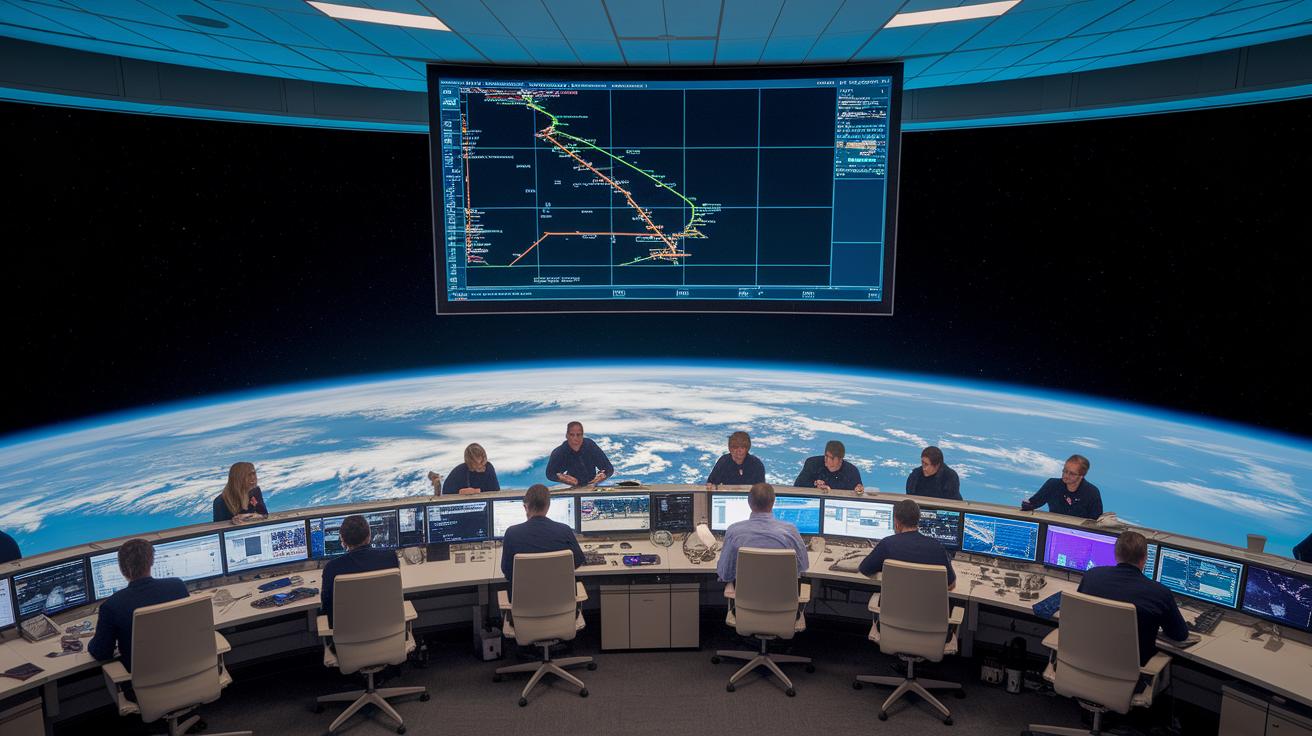
Space missions succeed when they are carefully planned and built on solid safety measures. International organizations like UN COPUOS team up with national agencies such as the FAA and Roscosmos to set the clear rules for launching into space and returning safely. The planning covers essential steps like charting flight paths (the specific routes a spacecraft takes) to dodge debris and bad weather, coordinating meetings with other orbiting objects, preparing backup plans if things go wrong, and arranging safe corridors for re-entry.
One of the neat tricks in space travel is designing a flight path that steers clear of dangers while keeping the mission on track. And when unexpected problems pop up, well-prepared abort plans let crews come home safely without panic.
Safety on board, whether for crewed or uncrewed trips, is just as important. Dosimeters (small devices that check for radiation) keep an eye on the space environment, while advanced cabin pressure controls ensure that the air stays comfortable for everyone. Many missions, like those on the International Space Station, also include extra life support systems for added protection. Plus, strict regulations require thorough checks, like certifying heat shields and using policies to control orbital debris, making sure space operations remain secure and sustainable.
| Mission Planning Steps | Safety Measures |
|---|---|
| Designing flight paths, coordinating orbital meet-ups, planning abort scenarios, and setting safe re-entry routes | Using dosimeters, maintaining cabin pressure controls, and adding redundant life support systems |
This careful planning and adherence to strict regulations not only keep space travel safe but also light the way for future exploration.
Future Prospects: Interplanetary and Deep Space Expeditions
Artemis and Lunar Missions
NASA’s Artemis program is gearing up to send astronauts back to the Moon as soon as 2025. In these missions, the crew will not only touch down on the lunar surface but also help set up the Lunar Gateway, a small station orbiting our Moon. They’re even planning an Artemis Base Camp to support long stays and conduct cool scientific experiments right on the Moon. Just imagine looking out from a new lunar habitat and seeing the soft glow of the Moon, it’s like opening a fresh chapter in our space adventure.
Mars and Deep Space Aspirations
Looking further ahead, there are plans for manned missions to Mars sometime in the 2030s. What we learn from landing on the Moon is already helping shape designs for Mars habitats that can handle the tough conditions of deep space. Future spacecraft will come with smart navigation systems (think of them as advanced guides) to safely usher explorers through the vastness of space. Robotic missions, like those from the James Webb Space Telescope and earlier probes like New Horizons, have given us amazing scientific insights. Fun fact: before modern telescopes, astronomers could barely imagine the wonders beyond our stars, and now our probes send back detailed images of far-off worlds!
While interstellar travel still belongs to science fiction for now, the 4.24-light-year gap to Proxima Centauri certainly reminds us of the immense challenges ahead. Every step we take, from the Moon to Mars, builds the technology and knowledge needed for future quests. And with each mission, we’re laying down the foundation for tomorrow’s incredible journeys into the unknown.
Final Words
In the action, we explored modern space travel achievements and market trends, along with key milestones that marked earlier eras. We looked at private firms and government agencies shaping today’s missions. We also covered the technological innovations driving safe and efficient journeys, from reusable rockets to advanced onboard systems. It’s clear that space travel continues to transform science, offering fresh insights and inspiring future expeditions. Keep an eye on these exciting developments and enjoy every step into this expanding scientific frontier.
FAQ
Q: What does space travel in the future mean?
A: Space travel in the future means our plans for missions to the Moon, Mars, and beyond are growing. Innovations in reusable rockets and new technology help make these missions more doable.
Q: What is a space travel toy?
A: A space travel toy is an educational model or play set that lets kids simulate space missions. It often features miniature rockets and satellites to spark interest in science.
Q: What is a space travel rocket?
A: A space travel rocket is a launch vehicle like Falcon 9 built to carry satellites or crew into space. Its design focuses on safety, reusability, and reducing mission costs.
Q: What are space travel earbuds?
A: Space travel earbuds refer to specially designed audio devices, sometimes imagined to be used during flight, that deliver enhanced sound quality and noise cancellation for an out-of-this-world experience.
Q: What defines a space travel company?
A: A space travel company plans, builds, and launches missions for orbit or suborbital flights. Companies like SpaceX and Virgin Galactic work on making space travel safer and more accessible for civilians.
Q: What is space travel Moondrop?
A: Space travel Moondrop likely points to a branded product inspired by the cosmos. It could be designed to offer a unique audio or visual experience that connects users with space themes.
Q: What is a space travel movie?
A: A space travel movie is a film centered on journeys beyond Earth, showing adventures, challenges, and the thrill of exploring space. It mixes realistic science with imaginative storytelling.
Q: What does space travel cost and how much will it cost to travel to space?
A: Space travel cost varies widely—from roughly $5,000 for a brief weightless flight to millions for an orbital trip. Prices depend on the technology, duration, and mission specifics involved.
Q: How long is 1 hour in space time?
A: One hour in space time is generally the same as on Earth. Though time dilation can occur at super-high speeds, most space missions see only negligible differences compared to Earth’s clock.
Q: What is space travel called?
A: Space travel is also known as spaceflight or cosmic exploration. These terms all refer to the act of journeying beyond our atmosphere to explore or work in outer space.
Q: Why are those two astronauts stuck in space?
A: When two astronauts seem stuck in space, it typically highlights a problem in mission planning or technical issues. In real-life operations, every effort is made to resolve the situation and keep crews safe.