
Imagine dialing in for a video call and suddenly having expert health care right at your doorstep. In many parts of rural America, finding a doctor is tough, but telemedicine is changing that. Modern systems collect important health details (like blood pressure or heart rate) so doctors can make quick, smart choices. Wireless tools even keep track of vital signs as you go about your day. Telemedicine is sparking changes that could forever transform how rural care works. Curious to learn more? Read on to see how digital advances are making health care faster and simpler for everyone.
Driving Innovation in Rural Healthcare through Telemedicine
About one in five Americans live in rural areas where finding a doctor can be tough and trips to clinics or hospitals are long. Telemedicine brings a fresh way to get care by using video calls and broadband networks so patients can see a doctor without the long journey.
This new way of care uses modern data systems (computer programs that organize and check patient details) to help doctors make better decisions. For example, advanced systems process patient info with great accuracy to give faster, smarter treatment plans. What used to be hard-to-reach care is now accessible right from home.
Wireless tools also play a big role. These devices can track vital signs like your heart rate in real time and send the data to healthcare providers immediately. This means quicker responses and fewer emergency visits. Plus, robust network systems make sure your data flows securely, keeping your personal information safe during these remote checkups.
In essence, telemedicine is reshaping rural healthcare by combining upgraded diagnostics, real-time monitoring, and secure digital communication. This innovative approach is making a real, positive impact on communities where traditional healthcare is hard to access.
Telemedicine Advancing Chronic Disease Management in Rural Communities
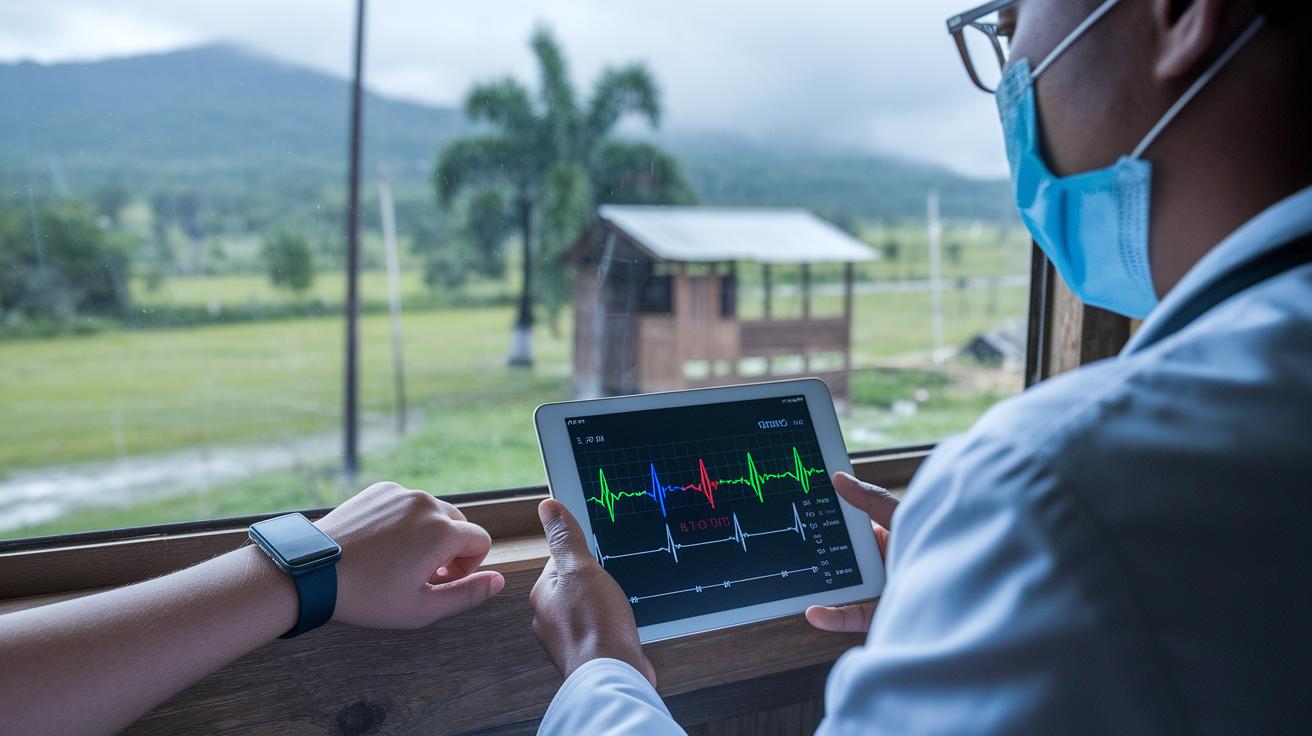
Telemedicine is changing the way we care for long-term health conditions like diabetes, high blood pressure, lung problems (COPD), and heart disease in rural areas. Doctors can now keep an eye on patients using wearable gadgets and mobile apps that send important information like vital signs straight to them. This means they can adjust medicine doses and offer guidance without patients having to make long trips.
Imagine getting a message that says, “Your blood pressure is a bit high today; please take your prescribed dose.” These alerts help people stick to their health plans. Mobile tools let healthcare providers check on patients from far away, which is a big help when travel is tough.
Wireless monitoring tools work together with these systems to create a supportive network for remote care. Digital tests now give real-time updates, much like an office checkup. By cutting down on hospital visits and easing travel hassles for the 157 million Americans dealing with chronic diseases, telemedicine makes it easier to manage health and enjoy everyday life.
Virtual Specialist Consultations Bridging Rural Care Gaps
Telemedicine now links hospitals in remote areas with certified experts in fields like urgent care, mental health, care for mothers and babies, lung intensive care, and emergency Code Blue response. This method uses virtual visits at far-off medical centers to bring expert advice right into local settings. It helps keep patients close to home by cutting down on the need for transfers.
Virtual consults jumped by 67% in the last year. That rise shows just how much people trust and benefit from these online appointments. With easy-to-use online consults helping to fill service gaps, health professionals work together better and can provide faster, more informed care. These smart digital tools allow doctors to spot problems quickly and offer treatments that really make a difference.
This network of remote experts ensures that when emergencies occur or when conditions get complex, patients do not have to wait long for help. Instead, they receive timely advice from specialists through a simple video call. It is a practical way to boost local healthcare teams and bring outstanding care to communities that need it most.
Remote Patient Monitoring Technologies Fueling Rural Healthcare Breakthroughs
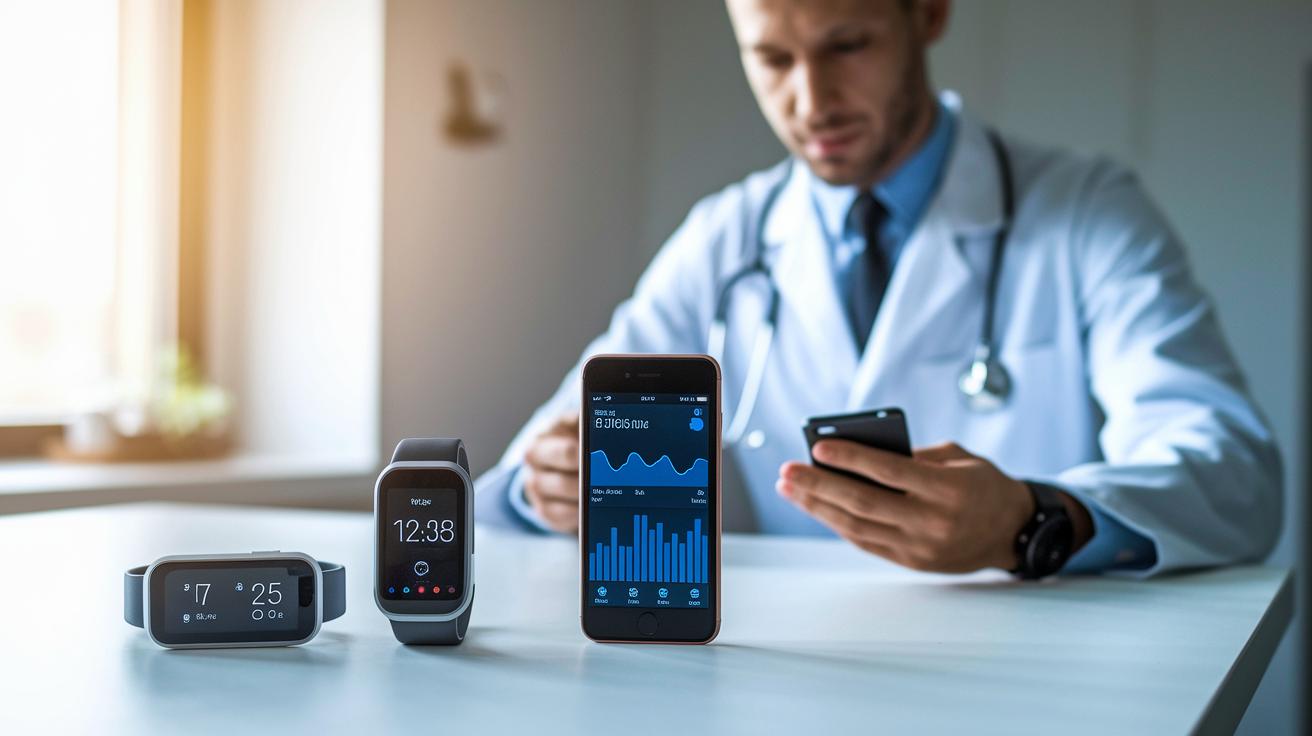
Wearable gadgets, sensors, and mobile apps now track your key health details in real time. Imagine this: after surgery, an AI system checks the data from your wearable, notices that your heart rate is slowly creeping up, and sends you a quick alert asking you to see your doctor. This kind of smart check helps doctors step in before any serious problems start.
A clever algorithm can also mix your blood pressure trends with everyday activity data to catch early signs of trouble days ahead. This digital insight boosts remote monitoring, making healthcare in rural areas more agile and cutting down on emergency visits.
Plus, mobile assessments let you do routine checkups on your smartphone, while wireless monitors feed live data right to your healthcare team. These fresh uses of AI-driven analysis really enrich current care practices, making them even more effective and timely.
Building Telemedicine Infrastructure and Broadband for Rural Innovation
High-speed internet is a must for telemedicine in rural areas. Without a strong connection, video calls and digital tests can get choppy. Imagine a small clinic that suddenly links up with an expert far away. That quick connection can save a patient a long, tiring trip to a hospital.
Local broadband projects help these communities get solid online access. This means doctors can chat with patients, share data in real time, and even swap diagnostic images faster. Up-to-date networks let doctors pull up medical histories and test results quickly, speeding up care and cutting down on mistakes.
Keeping these systems running needs steady funding. Without proper financial support, rural clinics struggle with pricey equipment and upkeep. That's why local groups and healthcare teams are putting plans in place that include training sessions and funds for maintenance.
New internet solutions and smart digital diagnostic tools not only connect remote clinics to bigger healthcare networks, they also help doctors offer accurate, remote checkups. This tech upgrade is transforming care in underserved areas by making it easier for patients to get high-quality treatment.
Telemedicine as a Catalyst for Medical Breakthroughs in Rural Healthcare: Advancing Care
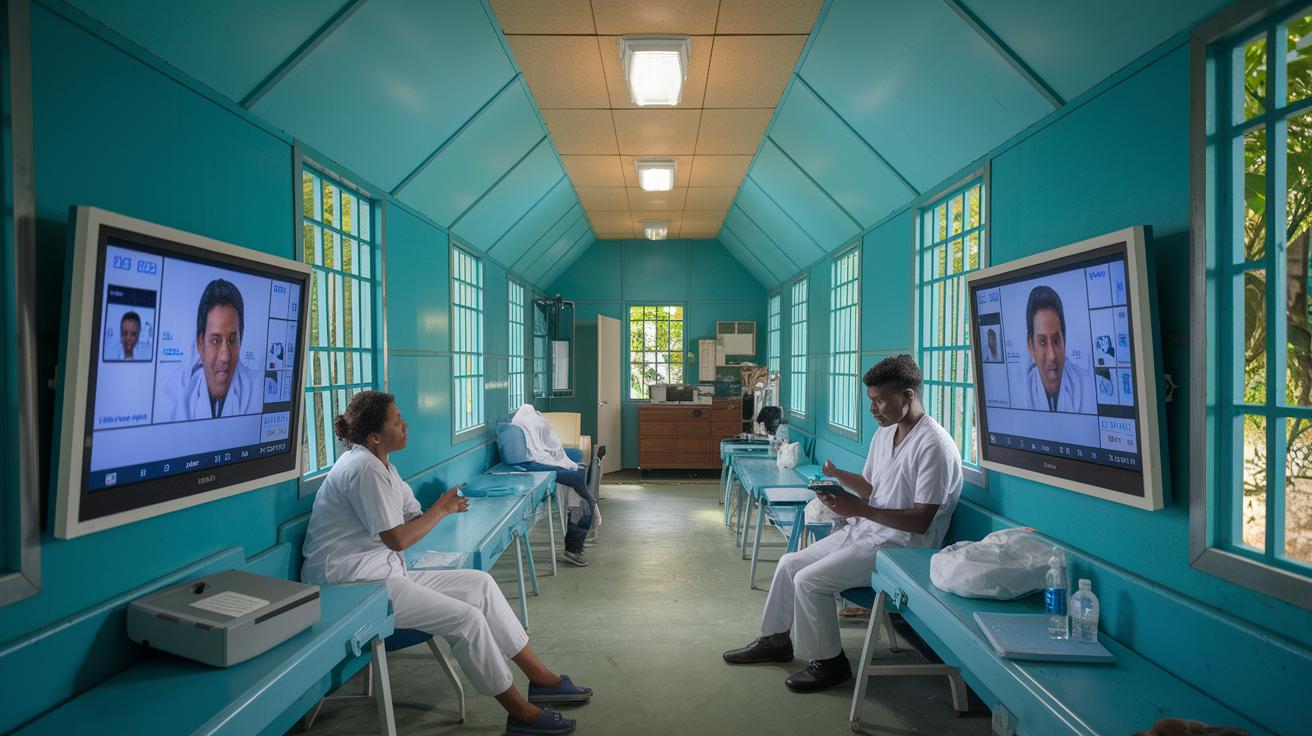
Studies in remote ICU settings show that telemedicine has helped cut patient deaths by 40% and has shortened hospital stays by 20%. One small rural hospital put advanced digital tools into action during critical care, and they saw a drop in infections that sometimes spread in hospitals. This clear win proves how virtual consultations can really change outcomes in distant medical centers.
The Eagle Rural Care Alliance is a great example of how this works. Hospitals in this alliance share their telehealth resources so they can offer expert advice without needing a doctor on site all the time. Imagine a team guiding treatment over video during an emergency situation, helping out local staff when every second matters. It really shows how technology can boost both the accuracy of diagnoses and the efficiency of care.
TeleNeurology and nonstop behavioral health support have also sped up emergency responses. For instance, one rural hospital began using wireless monitoring tools that keep an eye on patients’ vital signs all day and night. The system quietly flags small changes, letting the medical team jump in before problems get worse. It’s a great look at how modern wireless tools can make patient care smoother and faster.
These real-world results point to a fresh wave of remote care in areas that have fewer healthcare options. By cutting down on unnecessary transfers and making better use of the tools they have, these hospitals are proving that specialized care can be both within reach and more affordable. One leader at a rural facility even said, “Seeing these improvements firsthand makes you believe in what telemedicine can do for our patients.”
Policy, Funding, and Strategies Enabling Telemedicine Breakthroughs
Policymakers and health care leaders are working on plans to help rural clinics get faster internet through grants for broadband and fair payment for telehealth (remote doctor visits using technology). This means clinics can buy the tools they need without facing huge bills. Imagine getting a note that says, "Your telehealth services are covered for another quarter", a boost that helps clinics keep serving their communities reliably.
Public and private groups teaming up bring fresh ideas and extra funding to rural health facilities. They combine local know-how with modern digital tools to create service models that can grow over time. This mix not only keeps clinics running smoothly, but also opens up opportunities to use advanced digital tests and diagnostics that were once only found in big cities.
Smart funding plans help keep hospital revenues steady so they can invest in remote care technologies. For example, a small clinic might receive funds to upgrade its digital tools, making it much easier for patients to get top-notch care from home. Decisive steps taken through targeted policies can also close health gaps, ensuring everyone gets a fair chance at quality care. All these combined efforts show how strong policies and smart funding can transform care in underserved areas, leading to better patient outcomes and improved everyday well-being.
Future Prospects: Emerging Telemedicine Innovations for Rural Care

New tools like augmented reality (AR, which adds digital images over what you see in real time) and virtual reality (VR, a way to create immersive training experiences) are changing how care is delivered in rural areas. AR lets a specialist guide a local provider during a tricky procedure by overlaying step-by-step digital hints on the live scene. Imagine a surgeon assisting a rural clinic with a live digital overlay helping every move. And with next-generation connectivity, even the most remote clinics can quickly get expert help.
AI-powered treatment planning is another cool breakthrough. Smart systems can now analyze patient data from wearables (small devices that track health) and sensors to suggest what changes might help. Picture getting an automated note: "Your patient's blood sugar trends look off; you might need to adjust the dose." This kind of alert helps local doctors act fast, sparing patients the hassle of being transferred to far-off hospitals.
Digital twins are another exciting innovation. They create virtual models of a patient’s body so that doctors can test treatments virtually before actually changing anything. Plus, advanced mobile apps now let providers check on patients remotely. With better network tech and smarter data tools, these innovations are shrinking the gap between rural and urban healthcare. Some estimates even suggest that by 2034, telemedicine could help ease the shortage of up to 180,000 rural doctors, making specialized care more accessible for everyone.
Final Words
In the action, this article showed how telemedicine is shifting care patterns in rural areas. It highlighted how remote consultations, digital diagnostics, and real-time monitoring are making healthcare more accessible. Telemedicine serves as a catalyst for medical breakthroughs that help manage chronic conditions and bring specialist care to underserved communities. With these advances, rural patients enjoy fewer travel needs and improved outcomes. The future looks bright as innovations continue to pave the way for better, more accessible healthcare.
FAQ
What do telehealth scholarly and healthcare articles say about telehealth in rural areas?
These articles explain that telehealth in rural areas helps bridge gaps in care. They highlight the use of video consultations and digital diagnostics to improve access, lower travel needs, and support remote patient monitoring.
What benefits and impacts does telehealth have on rural health disparities?
Telehealth improves rural healthcare by offering remote consultations and timely diagnostics. This innovation cuts down travel time and costs, helping address gaps in access and improve overall community health.
What barriers or disadvantages does telehealth face in rural areas?
Telehealth in rural areas faces challenges like limited broadband access, technical support issues, and resistance due to in-person care preferences. These factors can slow its adoption in under-resourced communities.
What do statistics reveal about telehealth in rural areas?
Statistics show telehealth reduces travel times and emergency visits, while improving diagnosis accuracy and patient outcomes. Data trends indicate growing acceptance by providers and patients in rural regions.
How can telehealth be implemented effectively in rural areas?
Effective telehealth implementation includes expanding broadband, training providers on digital tools, and investing in necessary hardware. These steps help build a robust remote care system that serves rural communities efficiently.