
Have you ever wondered if space travel might be riskier than it seems? Imagine stepping out of Earth’s cozy safety net and entering a realm filled with tiny, harmful cosmic particles (minuscule bits floating in space you can’t see), unexpected tech hiccups, and sudden shifts in the surrounding environment.
Every one of these challenges tests not only our advanced space gear but also our own limits. In this post, we’re breaking down five key risks that add a bit of thrill to space adventures while showing why careful checks are so important. Have you ever triple-checked your backpack before a big trip? That’s the same idea here.
Learning about these challenges helps us prepare to handle the hidden dangers lurking in space. It’s like planning your journey step-by-step to keep safe while venturing into the great unknown.
Comprehensive Risk Assessment of Space Exploration
Space travel is full of challenges that can catch even the best missions off guard. When you leave Earth’s protective shield, you face dangers like cosmic radiation (high-speed particles that can damage your DNA) and the odd effects of long-term weightlessness, like imbalances in your inner ear or changes in your eye pressure. And when missions move beyond low Earth orbit, the risks multiply, affecting both astronauts and their equipment.
Operating out in space means you have to think about lots of potential issues at once. Imagine dealing with sudden technical glitches, extreme temperature shifts, or even tiny space rocks (micrometeoroids) zooming past. On top of that, there’s the human side of things, challenges with physical health and mental stress. That’s why a complete risk check is a must-have step before any deep space adventure. Here are the main risk areas to watch:
- Radiation
- Equipment failure
- Environmental threats
- Medical issues
- Psychological stress
- Economic and regulatory challenges
To handle these risks, mission planners work hard to build backup systems, run detailed tests on important parts, and keep a close eye on crew health. This thorough strategy doesn’t just cut down the chance of major failures, it also helps pave the way for safer and more resilient journeys into deep space.
Radiation Exposure Dangers in Space Exploration
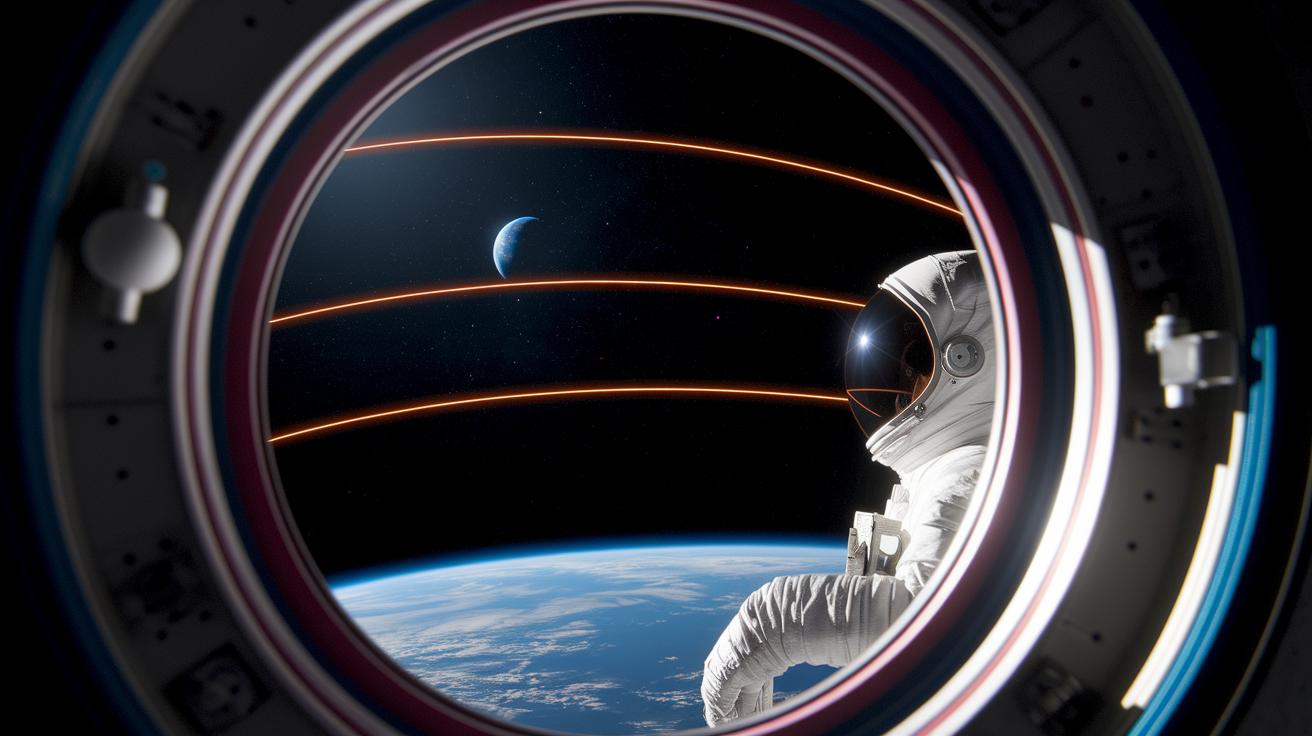
When astronauts leave Earth's magnetic hug, they face something called Galactic Cosmic Radiation, or GCR (a stream of fast, tiny atomic pieces). These particles come speeding from far-off stars and cosmic events and can easily move through spacecraft walls and even our bodies. It's a whole different scenario from what we experience here on Earth.
These high-speed particles can really mess with our cells. They might break our DNA strands or change the genetic "instructions" our bodies use to fix themselves. This kind of damage makes the risk of cancer and other health issues go up, especially over long periods in space. Even a little bit of this radiation, compared to what we’re used to, can add up and cause big problems.
Scientists try to recreate these space-like conditions on Earth using particle accelerators, but those tests only cover part of what astronauts face in deep space. The radiation in space comes in a slow, steady dose that these simulations just can't fully mimic. That’s why it's so tough to understand the full risks and to create strong shields for our space crews. We really need more breakthroughs here to keep our explorers safe.
Equipment Failure Scenarios and Mechanical Malfunctions in Space Exploration
When you're sending people or equipment into space, every piece of hardware has to work perfectly. Even a tiny glitch can put an entire mission at risk. Think about it, if a life support pump stops, a coolant loop fails, or a power system hiccups, the whole operation might go off track. Aerospace engineering (the field that makes space travel possible) shows us that every part of a spacecraft must click together seamlessly. Out in the extreme conditions of space, even a small error can quickly turn into a big problem, so catching and fixing issues early is a must.
| Failure Type | Cause | Historical Example |
|---|---|---|
| Life Support Pump Failure | Parts wearing out and problems with fluid flow | Apollo mission system hiccup |
| Coolant Loop Breach | Material getting tired and design issues | Mir station coolant problem |
| Power System Glitch | Unexpected overload and part breakdown | Space Shuttle electrical snag |
To keep things on track, engineers use multiple safety layers like extra backup systems, thorough tests, and automatic fixes when something goes wrong. This way, if one part fails, another is ready to jump in. It’s all about reducing risks and helping the crew feel more confident, no matter what challenges space throws their way.
Environmental Hazards and Orbital Debris Threats in Space Exploration
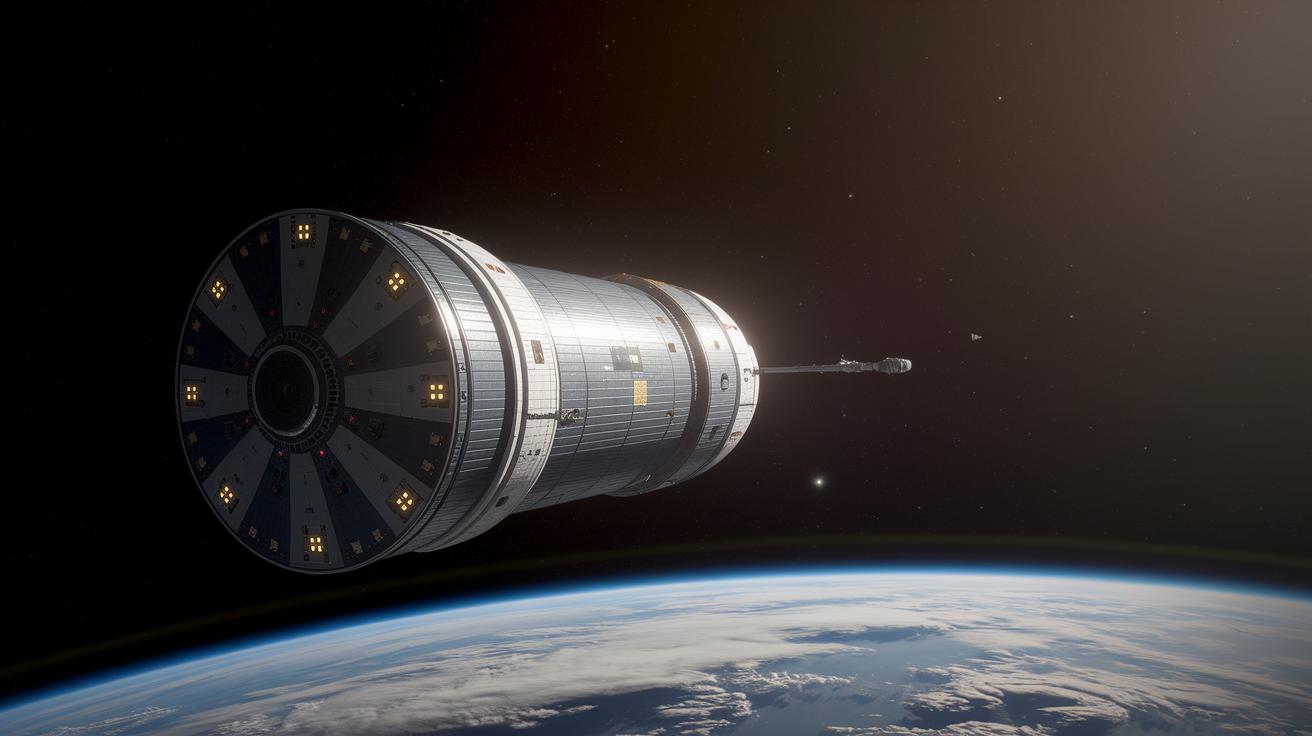
Spacecraft in orbit deal with some really wild temperature swings. They can plunge to -150 °C in the shade of deep space and then heat up to 120 °C when sunlight hits them. Without an atmosphere to spread out the heat, materials can stress out and even start to break down unexpectedly. Plus, in a vacuum, tiny substances on a spacecraft’s surface may slowly escape in a process called outgassing (when gases seep out), which can mess with sensitive instruments.
Another big worry comes from minuscule micrometeoroids and orbital debris. These little bits can zoom around at speeds of up to 10 km/s. Even a tiny piece can chip off a spacecraft’s protective layer. When these high-speed particles hit, they can puncture important parts or even create more fragments, worsening the risk. It’s amazing, and a bit scary, how these mini collisions can challenge the safety of the craft.
Engineers are hard at work coming up with smart solutions. They’re developing layered shields that either absorb or bounce off impacts, along with sensors that track debris paths. These advancements help cut down the chance of a hit and keep any damage to a minimum. It all means that when unexpected hazards pop up in space, missions have a better chance of staying safe.
Psychological Stress and Medical Vulnerabilities During Extended Space Missions
In space, our bodies face challenges that are quite different from Earth. Without gravity, fluids move around so your head can feel puffy, and your heart has to work in a new way to move blood, which may put extra strain on your system. Even your inner ear can get mixed up, leaving you dizzy and off-balance. Studies on space stations show that these changes might slowly alter how your body works during long trips.
Being away from home for a long time can also put a heavy load on your mind. When you're isolated and confined, it's easy to feel anxious or low, and you might even feel more vulnerable than usual. With only delayed communication and limited real-time support, these feelings can grow, making it tougher to stay focused and perform well under such pressure.
To meet these challenges, mission planners build careful health plans that look after both the body and the mind. They set up regular check-ins and plan stress-relief activities, along with exercises that try to mimic Earth-like gravity. By keeping a close eye on mood and vital signs, they can step in quickly when needed, helping the crew stay strong and ready for every challenge that comes their way on extended space missions.
Launch System Instabilities and Re-Entry Burn Dangers in Space Exploration
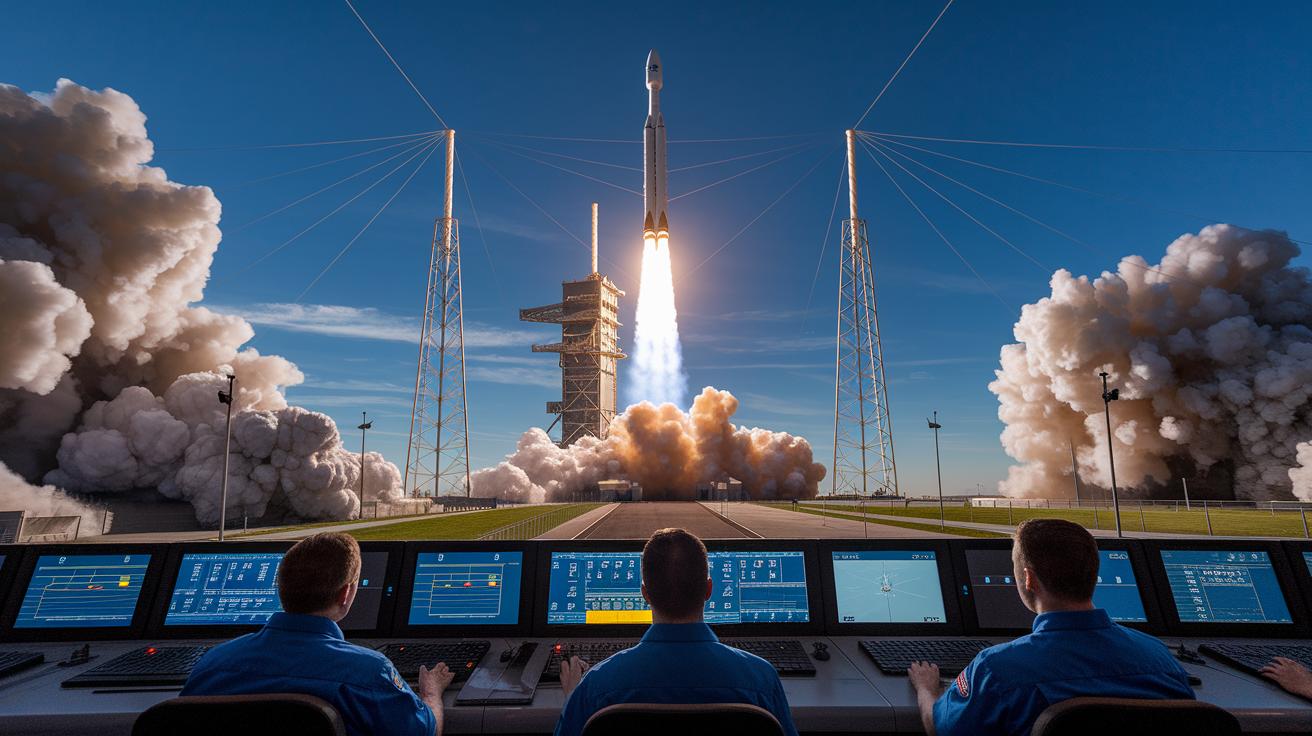
At liftoff, every second counts. The spaceship faces a lot of unexpected problems that might cause the mission to be stopped right away. The rocket has to work perfectly under huge pressures, with parts like the engines, fuel system, and computers (guidance systems) all syncing up just right. Even though astronauts can find safety later in modules like the ISS, the launch phase is very risky. A small glitch or a sensor mistake can trigger an abort, potentially putting lives and costly equipment in danger. Engineers run tons of tests and practice drills so that if something goes wrong, the systems can safely shut down and switch to backup plans.
When the spaceship returns to Earth, it faces another tough challenge: re-entry. During re-entry, the heat shield (a special layer that protects against the intense heat from friction) must work under extreme temperatures. If the shield weakens even a little, dangerous gaps can open up, putting the crew at risk during the re-entry burn (the phase when the craft slows down rapidly). Have you ever wondered why even a tiny problem can lead to big disasters? Past events, like the Challenger explosion, remind us that flaws in safety plans and system designs can be catastrophic. Both the launch and re-entry phases are among the most demanding parts of a space mission, requiring strong engineering, thorough testing, and constant vigilance to keep everyone safe.
Economic and Regulatory Challenges Posing Risks to Space Exploration
Space missions are really expensive, and even tiny budget slips can turn a project upside down. When costs creep up, money can run out and teams might have to skimp on important parts. This has sometimes delayed or even scrapped major projects like upgrades to the space station or new Mars rover plans. Engineers and scientists have to be extra careful with every dollar they spend.
International rules and politics add another twist to the challenge. One day, a mission might get full support, and the next, shifting political priorities can change everything. New rules about space junk (old parts of satellites that float around) and growing commercial interests make planning even tougher. Since these changes can happen fast, it’s hard for space agencies to stick to long-term plans.
To tackle these issues, many space agencies are teaming up with each other. By joining forces and sharing both the risks and the hard work, they can keep funding more stable. Working together on missions and pooling resources helps manage tight budgets and tricky regulations. Plus, modern planning lets teams adjust their goals on the fly, keeping projects flexible and ready for unexpected changes.
Final Words
In the action, we examined many hazards in space, from cosmic radiation and equipment glitches to environmental and health challenges. The analysis also touched on unstable launch systems and financial and policy obstacles.
By matching careful planning with smart risk management, we see that even the risks of space exploration can be met head-on. The scientific world continues to push boundaries, leaving room for optimism as we learn to address these challenges with thoughtful, accessible approaches.
FAQ
Q: What are the primary risks and disadvantages of space exploration?
A: The space exploration risks include exposure to harmful radiation, mechanical failures, extreme environments, medical issues, and economic/regulatory challenges. This mix of factors calls for careful planning and robust safety measures.
Q: What are the risks of space exploration for students?
A: The concept of space exploration risks for students typically involves misunderstandings of technical challenges and cost concerns. Learning through guided examples helps clarify how safety and research go hand in hand.
Q: What are the benefits of space exploration?
A: The benefits of space exploration include sparking innovation, expanding scientific knowledge, and inspiring new generations. These advancements lead to new technologies that can improve our daily lives on Earth.
Q: What are the challenges of space exploration?
A: The challenges include managing risky launch stages, coping with harsh conditions beyond Earth, and balancing high costs while keeping missions safe. Each phase requires precise engineering and careful risk analysis.
Q: Why do some people consider space exploration a waste of money?
A: The idea comes from the view that space projects divert funds from urgent issues on Earth, such as healthcare and education. Critics argue that these high costs could be better spent addressing immediate terrestrial needs.
Q: Why do astronauts wear condoms in space?
A: The concept that astronauts keep condoms onboard arises from protocols for managing moisture and protecting equipment under microgravity conditions. This precaution supports hygiene and proper handling of bodily fluids during missions.