Have you ever thought that the old way of testing drugs might be outdated? Instead of a long marathon, what if we could run a fast sprint? That’s the idea behind using AI to discover new medicines. Before, it took years and a lot of money to test drugs the traditional way. Now, smart computer tools can go through huge amounts of data in just a few hours. This change not only speeds up safety checks but also cuts costs, so new treatments can reach patients sooner. It really feels like we’re stepping into a new era in healthcare, where hope and faster cures are on the rise.
How AI-Powered Drug Discovery Is Transforming Modern Medicine
Traditional drug discovery used to be slow and very expensive, often costing around $2.6 billion and taking between 10 and 17 years. Today, AI-powered tools cut these numbers down dramatically. Imagine finishing years of work in just a few months, it’s a real game changer, like swapping a long marathon for a quick sprint.
AI speeds up safety tests and spots harmful effects early, saving not only millions but also valuable time. It quickly goes through huge amounts of biological and chemical data (data about living things and chemicals) in hours instead of months. This rapid review helps scientists catch potential problems before costly clinical trials even start, so they can zero in on the most promising drug candidates.
- Target identification
- Computer-based screening (using simulations)
- Refining promising drug leads
- Early toxicity checks
- Smoother trial processes
Investment in AI for drug discovery is booming too. Over the past five years, external funding has more than doubled, reaching over $5.2 billion by the end of 2021. Experts say that even small improvements could lead to 50 new therapies over the next decade, adding more than $50 billion in value. This surge in funding shows a growing belief that AI can open doors for more researchers and innovators, reshaping modern medicine for everyone.
Isn’t it fascinating how blending human curiosity with smart technology can lead to breakthroughs that change lives?
Key Technological Innovations in AI-Powered Drug Discovery

AI tools are totally changing the way we make new medicines. They mix deep learning (advanced computer training) with chemical science to dig through huge libraries of chemicals and biological data in no time. This means we can build safer and faster therapies with computer models that even suggest brand-new chemical designs and predict how they work in our bodies.
Neural Compound Prediction Models
Deep neural networks (smart computer systems that mimic the brain) study unique chemical patterns and protein shapes to quickly pick out the best drug candidates. This method helps scientists find promising compounds that might be missed otherwise. Imagine going through mountains of chemical data in just a few hours instead of waiting for weeks. It’s pretty exciting to see how these models speed up the discovery process.
Predictive Efficacy Modeling
Machine learning tools bring together data about how drugs move in the body (pharmacokinetics), genes, and visible traits to guess how well a drug might work in real life. These models let researchers test medicines in a simulated living environment before even stepping into the lab. This early insight helps cut down on costs and risks by allowing smarter choices right from the start.
Advanced Molecular Design
Using techniques like generative adversarial networks (a way to create new ideas by two computer models competing) and reinforcement learning (a trial-and-error method for improvement), AI comes up with completely new chemical frameworks. These methods push past old limits, offering fresh designs that speed up the journey from the initial idea to a real medicine. This breakthrough in computational chemistry is truly a game-changer for drug design.
Case Studies of AI-Powered Success in Drug Development
AI is now playing a big role in finding new medicines. Companies are using smart computer models to turn complex research into real discoveries. These stories show different ways AI is being used, whether it’s running physics-based simulations (computer experiments that mimic real-life physics) or image-based learning to hunt for cures for rare diseases. Each company has its own clever method to speed up early tests and push promising treatments into clinical trials.
| Company | Funding Raised | AI Approach | Therapeutic Area |
|---|---|---|---|
| Schrödinger | $750 M | Physics-based simulations | Kinase inhibition |
| Recursion Pharmaceuticals | $465 M | Image-based ML screens | Rare diseases |
| Exscientia | $300 M | AI-designed oncology candidate | Oncology |
| Insitro | $400 M | Genomic data plus ML repurposing | Drug repurposing |
Schrödinger uses models that mimic the way molecules behave, letting them predict how new drugs might work. Recursion Pharmaceuticals takes a different approach by analyzing images to spot treatments for rare conditions quickly. Exscientia is pushing forward in cancer research by letting AI choose which drug candidates to try next. And Insitro uses information from our genes to find new ways to use existing drugs.
Together, these examples show how AI is changing the drug discovery game. It’s making the process faster and opening up new ways to treat a variety of illnesses.
Benefits of Integrating AI into the Pharmaceutical Pipeline
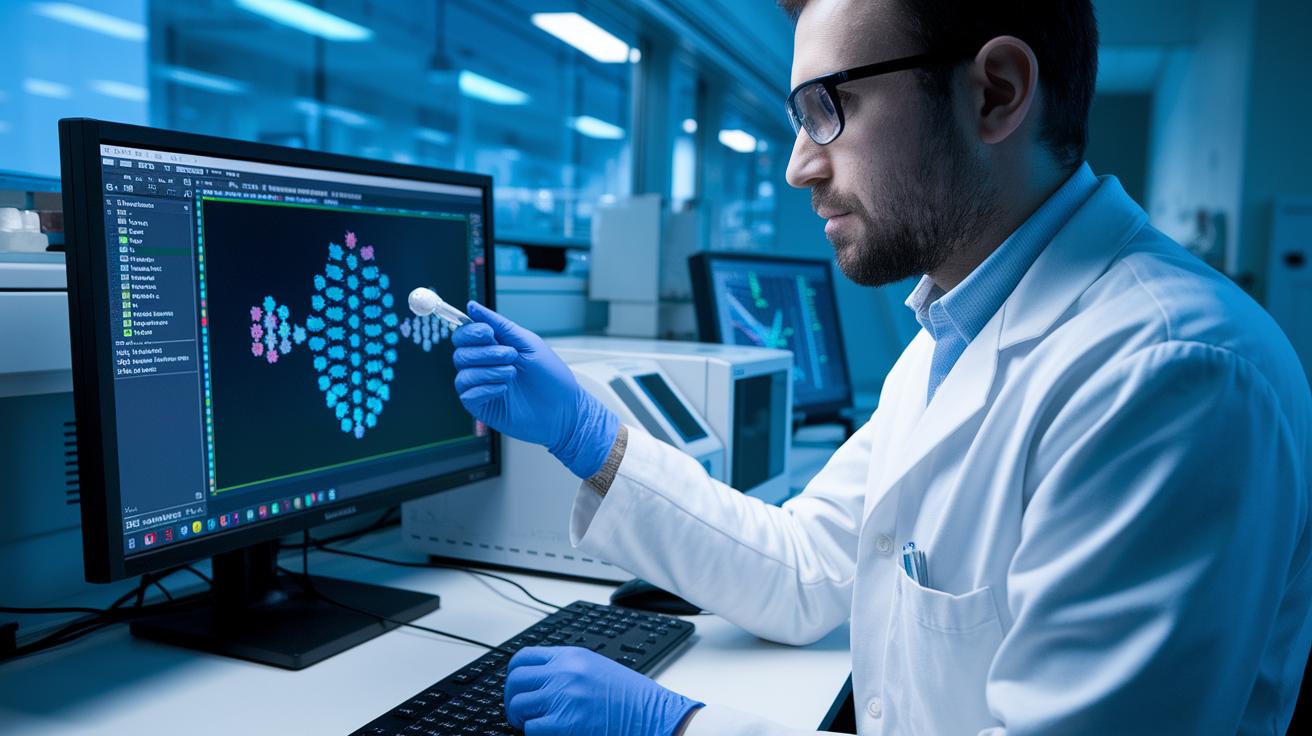
Integrating AI into drug development brings a host of benefits by making research sharper and more efficient. It blends personal treatment insights (like using a patient’s genetic details) with clear data analysis to guide choices right from the start.
It does this by:
- Matching drug compounds with a person’s genetic makeup for more exact treatments.
- Running computer checks on potential toxicity (a way to spot harmful side effects) early on.
- Speeding up the improvement of promising drug leads, turning years of work into just a few months.
- Sorting out the best drug candidates using smart, data-driven methods to drop overall costs.
- Opening the door to early discovery for academic labs and smaller groups, not just the big companies.
- Boosting the overall success rate of research and development by about 20 to 30 percent.
These steps have real effects both in clinics and in the economy. By lining up drug candidates closely with an individual’s unique profile, AI helps lower the chance of bad reactions and speeds up clinical trials. When researchers can move promising treatments into testing faster, it cuts down on the financial risks of long, drawn-out trials. This smoother process not only saves money, but also gives smaller organizations a fair shot at contributing new ideas. In truth, as AI sharpens candidate selection with its data-driven approach, the entire pharmaceutical process becomes more flexible, opening the door for new, life-changing therapies and a fresh take on healthcare economics.
Overcoming Challenges in AI-Powered Drug Discovery
Keeping data safe and protecting privacy is a big deal in AI-driven drug discovery. Patient genomics (our DNA data) and special tests contain private details that need guarding, kind of like locking away prized scientific clues in a secret safe. Researchers work hard to secure this data while still making it useful for AI analysis.
A major challenge comes from mixing data from lots of different sources, such as multi-omics (various biological data), imaging, and clinical records. Each type of data speaks a different language, so scientists must carefully blend and standardize them before AI can accurately analyze the information. It’s a bit like piecing together a puzzle where the pieces are all slightly different.
Another tough hurdle is turning computer predictions into real-world results. Translating ideas from computer models (in silico) to tests in living systems (in vivo) is a critical, yet challenging, step. Regulatory agencies are gradually changing their rules to better check on AI findings, but there’s still a clear message: even the best computer models need to prove themselves in live, dynamic environments.
Future Trends in AI-Enabled Therapeutic Innovation
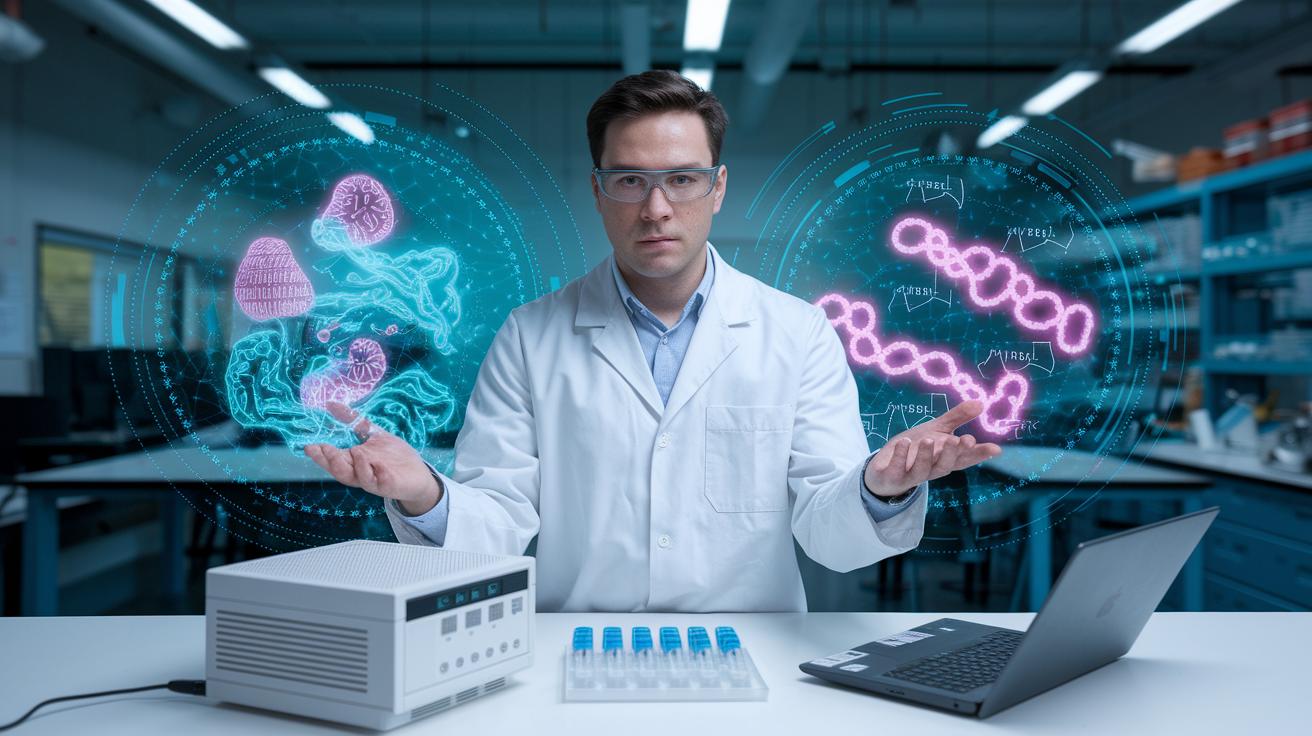
New research into using artificial intelligence to design treatments is opening up exciting new paths in medicine. Scientists are trying early experiments with quantum computing to speed up the search for promising drug compounds. At the same time, they are combining different types of biological data, like genes, proteins, and metabolism (the body’s process of turning food into energy), using smart machine learning methods. This mix is giving us fresh, clear insights into how our bodies work and how drugs interact with them.
Quantum compound analysis is moving forward at an impressive pace. Quantum-assisted screening lets researchers run many tests on how molecules interact in a tiny fraction of the time that older methods took. It’s a bit like having a super-fast camera that captures every move in a molecular dance, so you can quickly spot the best candidates for new treatments.
Using unified multi-omics pipelines gives scientists a fuller picture of what goes wrong in diseases. By blending information from different layers of biology, researchers can create clearer profiles of how illnesses start and change over time. This integrated view helps in making better predictions about whether a drug will work well and be safe.
Digital therapies powered by AI are also coming into play, with new treatments designed around real clinical data. Plus, fully automated AI labs are beginning to reduce the need for hands-on work, which could lead to faster, more personalized care solutions.
Expert Perspectives & Regulatory Outlook for AI in Medicine
Aaron Ring from Fred Hutch shared that AI is opening up new doors in immunotherapy discovery. By mixing detailed gene analysis (looking at a cell’s blueprint) with a clear, big-picture strategy, AI helps scientists sort through massive amounts of biological data quickly. This blend of academic insight and industry know-how is making tough processes easier to understand and sparking fresh hope among researchers.
Regulators are keeping pace too. For example, the FDA’s Pre-Cert program carefully tests AI tools to make sure they are safe and work as intended before they reach the market. This forward-thinking review process not only sets high quality standards to protect public health but also helps move promising ideas from computer models to real-world trials faster.
Many industry experts now see a future where AI makes the research field fairer. With its ability to guide the choice of the best treatment candidates and combine detailed gene insights with clear overall methods, AI is likely to spread breakthrough drug research around the globe. This progress could give smaller research teams a stronger voice, ultimately leading to innovative treatments that reach patients everywhere.
Final Words
in the action, AI is reshaping drug discovery by cutting costs, speeding timelines, and flagging safety concerns early. Recent studies highlight the benefits of advanced molecular design and predictive modeling, showcasing efficient, safer research practices.
Real-world investments and case studies back these insights. The positive impact of this progress lights the way for an AI-powered drug discovery revolution in medicine, sparking hope for breakthroughs that truly change everyday lives.
FAQ
How can I access PDFs on AI-powered drug discovery revolution in medicine?
The PDFs on AI-powered drug discovery provide detailed insights into how AI speeds up drug development. They explain key concepts, offer step-by-step guides, and show real-world applications in an easy-to-read format.
What are some examples of AI-powered drug discovery in action?
The examples of AI-powered drug discovery illustrate how modern technology analyzes huge data sets to reduce time and cost. They highlight methods that improve safety checks and accelerate finding new treatments.
Where can I find a PowerPoint presentation on AI in drug discovery?
The PowerPoint presentations on AI in drug discovery break down complex topics into clear visuals and easy steps, showcasing how digital tools are used to speed up and refine traditional drug research processes.
What benefits does AI bring to drug discovery?
The benefits of AI in drug discovery include faster data analysis, earlier safety testing to predict toxicity, lower research expenses, and more efficient pathways to developing new treatments for patients.
Which companies are leading in AI drug discovery?
The leading AI drug discovery companies use modern algorithms and data analytics to speed up research, reduce costs, and improve molecule safety, making them key players in transforming how new medicines are developed.
What is the current status and future outlook of AI in drug development?
The status of AI in drug development shows steady progress with strong investments and promising results. Many experts expect AI to improve the discovery process further, leading to more effective and accessible therapies.