
Have you ever wondered how one smart idea could cut hospital visits by 60%? Lately, scientists have been using fast mRNA testing (a type of test that looks for special instructions in our cells) and needle-free microarray patches (small sticky patches that deliver medicine without a needle) to fight away infections.
Imagine being able to test a vaccine in just two weeks during an outbreak. Teams from around the world have joined forces to make treatments safer and quicker. This clever new method is paving the way for a future where battling dangerous diseases is easier and within reach for everyone.
Cutting-Edge Trends in Infectious Disease Treatment and Vaccine Development
Scientists are making amazing progress in fighting infections with breakthrough innovations. It’s exciting to see how mRNA technology now lets us move from idea to testing in anywhere from 10 to 100 days. Can you imagine? For instance, during a sudden outbreak, one mRNA candidate was ready for early testing in less than two weeks. That’s a huge leap in our ability to respond quickly.
At the same time, new RSV vaccines are showing promise. In Phase III trials, these vaccines helped cut hospital visits by 60% for older adults. These results are a real game changer for people at high risk. And then there are microarray patches. These are needle-free patches that are simple to store and tested by the WHO’s Immunization Department. They could make getting vaccines much easier by removing the need for strict cold storage, which is often a challenge.
Teamwork is key to these advances. Global research partnerships, which helped speed up COVID-19 vaccine development, are now working on vaccines for diseases like influenza, malaria, and HIV. This collaborative spirit is pushing us toward even more impressive breakthroughs. If you’re curious about how all these pieces fit together, just click the "latest science breakthroughs" link for more details. Clinical trials remain a crucial part of this process, ensuring that every new vaccine is safe, properly dosed, and long-lasting. Plus, new vaccine candidates for TB and Shigella are showing how fresh ideas can tackle old challenges.
Researchers aren’t stopping at vaccines alone. They’re also exploring additional treatments, like gene-based therapies and custom immune interventions (ways to boost the body’s natural defenses). These new methods work with vaccines to help us be even better prepared for future pandemics and to keep global health safe. All these combined efforts are shaping a future where treating infectious diseases is both quicker and more accessible.
mRNA Technology Revolution in Vaccine Development
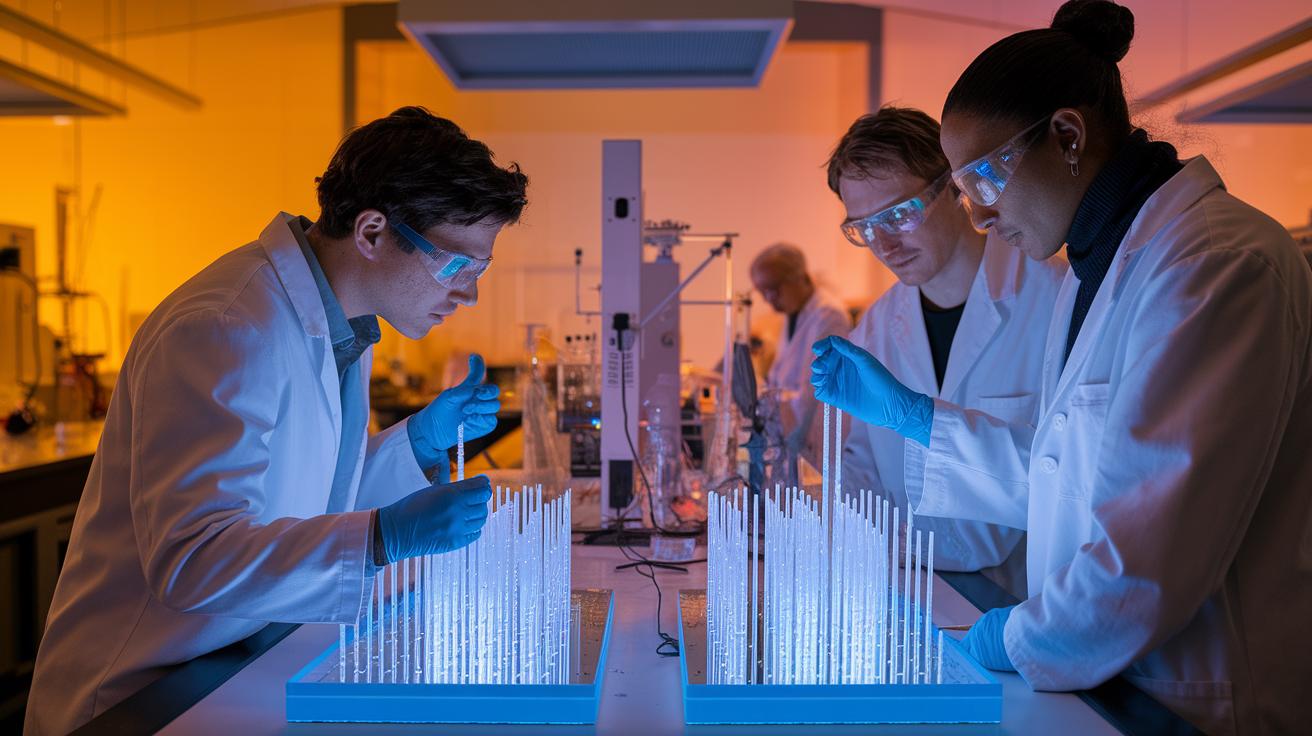
mRNA technology has really shaken up how we make vaccines. It now takes only 10 to 100 days to move from design to trial, a speed that proved vital during COVID-19. Imagine this – researchers once whipped up an mRNA vaccine candidate in under two weeks. That’s a game changer when you need fast answers.
The secret sauce is in the lipid-nanoparticle delivery system. These tiny fat droplets (they’re like microscopic balloons) protect the mRNA and help it get into cells. In a nutshell, they safely transport the mRNA inside cells, where it tells the immune system how to spot and battle the virus.
And it doesn’t stop at COVID-19. Scientists are now testing mRNA vaccines for the seasonal flu, Zika, malaria, and even a universal coronavirus vaccine. With rapid design and smooth delivery working hand in hand, we’re heading toward immunization that’s more flexible and spot-on.
| Feature | Description |
|---|---|
| Timeline | 10 to 100 days from design to trial |
| Delivery System | Lipid-nanoparticles (tiny fat droplets that protect and guide mRNA) |
| Targets | COVID-19, seasonal flu, Zika, malaria, universal coronavirus vaccine |
Advanced Clinical Trial Design and Regulatory Approval Innovations for Infectious Diseases
Adaptive-design trials let scientists change doses during a study when early results suggest a better path. Imagine adjusting a recipe as you're cooking because you taste it along the way. This approach helps researchers get early signals of success and improve treatments more quickly.
Regulatory approval has gotten a fresh twist, too. Instead of waiting for every single piece of data, experts now review results as they come in, a method called rolling review. It’s like checking off parts of a puzzle as you find them, which makes decisions faster without cutting corners on safety.
Safety checks have also gotten smarter. Researchers use digital tools to watch for side effects in real time, so any problems show up quickly and can be dealt with immediately. This extra watchful eye adds an important layer of protection for everyone involved.
On top of that, scientists around the world are working together more smoothly. Global coordination means fewer repeated studies in different countries, helping get new vaccines and treatments to patients sooner. Really, this new way of doing things makes science more responsive and safe, getting breakthroughs out to the people who need them most.
Rapid Diagnostic Tool Developments and Molecular Detection Systems in Infectious Disease Control

New testing tools now give results in just a few minutes. For instance, clinics can use tests right on the spot that show if someone is sick in only 5 to 15 minutes, faster than brewing your morning coffee!
High-tech tests like PCR and CRISPR-based methods work like a super-powerful magnifying glass. They spot even the tiniest traces of a virus (small pieces of the virus that show an infection) and pick up tiny changes in the virus that may hint at new variants. Imagine a test that catches a virus’s hidden signals before it spreads widely.
Scientists are also checking wastewater (the water that leaves when we flush) to track virus genetic material in communities. This method is like reading early signs in a storm, spotting signs of an outbreak days before more people start getting sick.
Digital systems then bring all this data together in real time. Health experts use these tools to keep a close eye on community health, reacting quickly to any changes. Every piece of information feels like a heartbeat, guiding smarter and faster public health responses.
Novel Immunization Methods: Microarray Patches, Shelf-Stable Vaccines, and Targeted Delivery
Microarray Patch Delivery
Microarray patches use tons of tiny needles to carry a protein or mRNA medicine into your skin without needing to be kept cold. In early tests, people felt a gentle poke that powered up their skin’s natural defenses exactly where needed. This clear, local response tells us that the patch makes sure you get the right amount safely.
Shelf-Stable Malaria Vaccines
Two new malaria vaccines can be stored without the usual cold-chain worries and still work over 80% of the time even after a year. They use a special design that holds up even when temperatures change. This means the vaccines can easily reach remote places, though making enough of them for everyone remains a big challenge.
RSV Vaccine Advances
The latest RSV vaccines, approved in 2023, have cut hospital visits by 60% for people over 60. By focusing on those who need it most, these vaccines help ease the burden on hospitals, especially when illnesses skyrocket in winter. It’s pretty amazing to see such a clear benefit for our community’s health.
Tuberculosis Vaccine Progress
A new TB vaccine candidate began Phase II trials in 2024. Experts warn that without broad use, millions might end up with TB, leading to huge economic impacts. Researchers are now brainstorming clever ways to build early interest and prepare healthcare providers for a larger rollout, reminding us how vital prevention is.
Shigella Dual-Market Strategies
Shigella vaccine research is targeting both young children and travelers. This dual approach could cut down on antibiotic resistance and reduce diarrhea cases in low-income regions, while also keeping international travelers safe. It’s a smart move that could bring big health benefits on multiple fronts.
Future efforts include:
- Understanding how long the vaccine keeps working
- Adjusting patch designs to work well in different climates
- Testing booster doses to keep immunity strong
- Improving tiny delivery systems (nanoparticles, which are very small carriers) for better medicine delivery
- Finding more cost-effective ways to produce these innovations at scale
Emerging Treatment Modalities: Gene-Based Therapies and Immunotherapy Advances

Scientists are testing gene therapies that use CRISPR-edited T cells (T cells are the immune system's fighters and CRISPR is a tool that helps change genes) to target hidden viruses in HIV and HBV. Think of it like using a tiny, precise tool to give your natural defenses a boost in fighting long-term infections.
Lab-made monoclonal antibodies have also caught researchers’ attention. In early trials for SARS-CoV-2, these custom-built antibodies managed to block over 90% of the virus. In simple terms, imagine a team of specialized guards that stop invaders right at the door, preventing the virus from entering cells.
Another promising area is the use of checkpoint inhibitors, which were first developed for cancer treatment. Now, in early testing for infections, these drugs are being repurposed to revive lazy T cells, much like jump-starting a tired engine to get your immune system working at full throttle.
Plus, small-molecule antivirals with fresh methods, such as protease inhibitors (these are compounds that stop certain enzymes a virus needs), started clinical trials in 2023. By interfering directly with the virus’s machinery, these treatments could work hand in hand with vaccines to give us a better chance at beating tough infections.
Global Vaccine Distribution: Policy Frameworks and Technological Solutions
We’ve seen real progress in sharing vaccines worldwide, thanks to smart policies and clever tech. Countries are teaming up to get vaccines where they’re needed fast. For instance, WHO’s COVAX facility and the Gavi alliance have delivered more than 2 billion doses to low-income nations since 2021. It’s a clear sign that when we pool our funding, knowledge, and efforts, life-saving vaccines can reach communities that need them most.
Real-time genomic sequencing networks help us track tiny changes in viruses (small alterations in the virus's genetic code) so that booster shots stay effective. Networks like GISAID keep watch over these shifts. And while that’s happening, governments and health agencies are running public-health education campaigns that have nudged vaccination rates from 55% to 75% in some regions. It’s all about answering concerns and showing everyone the real benefits of getting vaccinated.
Investments in the cold-chain, the system that keeps vaccines cool, have made a huge difference, too. Thanks to better cold-chain management and improved last-mile delivery, vaccine spoilage has dropped dramatically from 30% to under 10%. When vaccines aren’t kept at the right temperature, they’re wasted. Now, with smart tools like IoT-enabled temperature sensors (devices that constantly monitor conditions), waste has been cut by 40%, keeping more doses safe and effective.
Mobile immunization registries have also helped a lot, boosting the number of people finishing their vaccine series by about 25%. These digital records remind folks when their next dose is due, helping them stay protected over time. Plus, community health worker apps have raised childhood immunization rates, lifting coverage from 60% to 85%. When local workers can easily plan visits and send reminders, the process feels smoother and more personal.
Moreover, AI-driven route-optimization algorithms have reduced delivery times by 20%. This means vaccines reach clinics and remote areas faster, ensuring they arrive quickly and in perfect condition, an important factor when every minute counts.
Policy and Strategic Frameworks
| What They Focus On | Examples |
|---|---|
| Funding and Support | COVAX, Gavi |
| Global Teamwork | International cooperation |
| Virus Surveillance | GISAID and related networks |
| Public Information | Health education campaigns |
| Fair Access | Equitable distribution programs |
These policy ideas form the backbone of the global strategy. They set the rules and share responsibilities among nations, making sure vaccines get to everyone who needs them. Think of it as a team playbook where every move helps improve access.
Technical and Operational Solutions
| Solution | Role in Vaccine Distribution |
|---|---|
| IoT-Enabled Cold-Chain Sensors |