
Have you ever thought about why space flight grabs our attention? NASA has a history of taking big risks, changing the way we see the stars with each daring mission. From the excitement of those early flights to the unforgettable moon landings, every adventure is a tale of courage and smart scientific moves.
In this piece, we'll look at some key moments that made these achievements possible. We’ll also dig into how rocket engines (the powerful parts that push rockets into space) helped turn these dreams into reality. Keep reading to see how these bold journeys set the stage for today's thrilling push into deep space.
NASA Space Flight Missions: Comprehensive Overview
NASA started its space flight journey during the early days of the space race. In 1961, the Mercury missions took a brave first step into space, soon followed by the Gemini missions in the mid-1960s. Then, the Apollo program made history by landing humans on the moon from 1969 to 1972, a truly groundbreaking moment in our quest to explore beyond Earth.
After those thrilling lunar flights, the Space Shuttle program carried the torch from 1981 until 2011. Over 135 missions, these shuttles helped build the foundation of today’s space exploration. The International Space Station, which has been continuously manned since November 2, 2000, shows how working together across countries can lead to amazing achievements.
Looking ahead, NASA’s Artemis program represents the next chapter in our adventure into space. The Artemis II mission, now set for early March 2026 instead of February, will send a crew including Reid Wiseman, Victor Glover, Christina Koch, and Jeremy Hansen. It’s an exciting reminder that our journey into space is still evolving.
Key milestones in human space flight include:
| Program | Years |
|---|---|
| Project Mercury | 1961–1963 |
| Project Gemini | 1965–1966 |
| Apollo program | 1961–1972 |
| Space Shuttle program | 1981–2011 |
| International Space Station | 2000–present |
| Artemis program | 2024–present |
Rocket Propulsion Mechanisms in NASA Space Flight
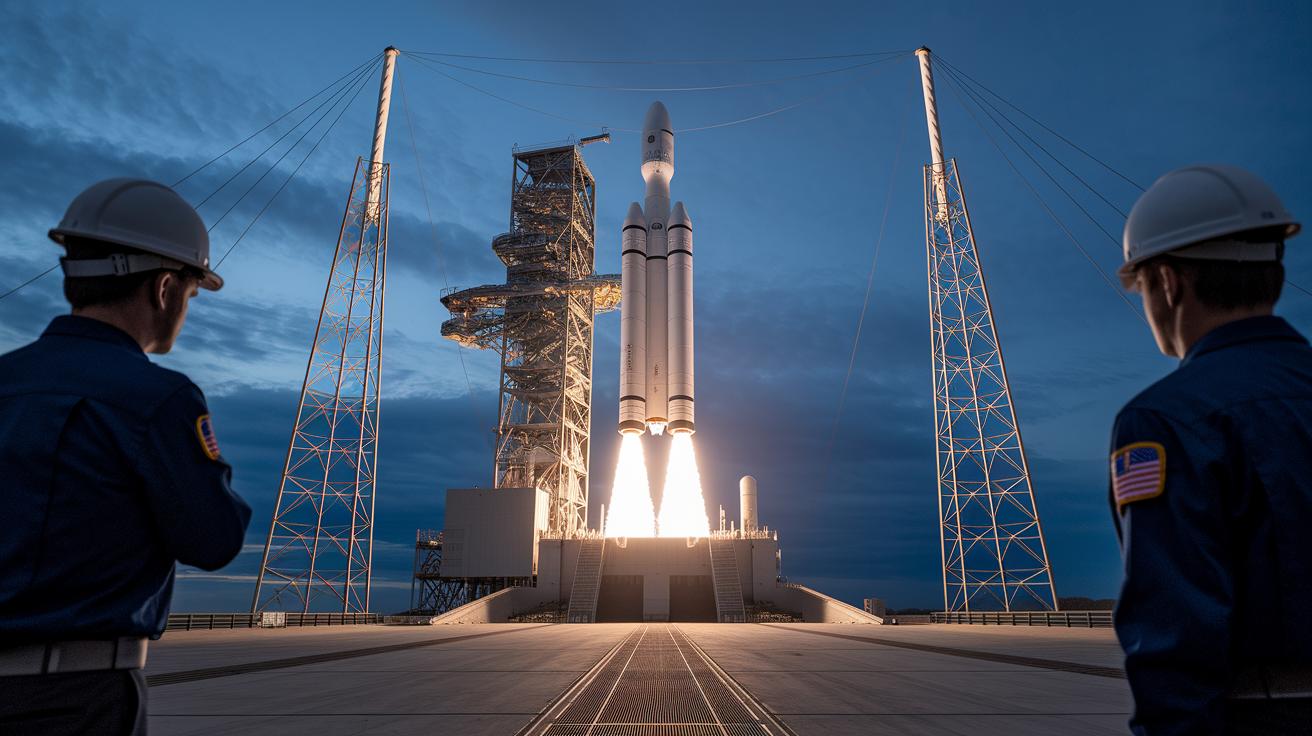
NASA’s rocket engines are reaching new heights through careful tests that help shape future space flights. Recently, engineers at Kennedy Space Center ran a test with the Artemis II SLS rocket. This test looked at loading liquid hydrogen (a super-cooled liquid used as fuel) and showed how precise and careful everyone needs to be when handling such chilly substances. Advanced systems captured every detail of the test in real time, almost like tracking a heartbeat drop by drop to make sure every part is set for a successful launch.
The story gets even more interesting with other tests too. For example, the Vulcan Centaur experienced an issue with its solid rocket booster during the USSF-87 mission, similar to a nozzle burn-through seen before, which led to reviews and improvements. At the same time, SpaceX’s Falcon 9 did a static fire test on February 11 in Cape Canaveral early in the morning, proving off its engine after the test run. All of these efforts show just how much work goes into making sure rocket engines are reliable, and how key it is to have clear, real-time feedback from every test.
Orbital Technology Breakthroughs in NASA Space Flight
SpaceX’s Falcon 9 excels with its smart design that lets the booster be used again for many missions. This reusability helps lower costs for getting stuff into space. Over at United Launch Alliance, the Vulcan Centaur now features a new solid rocket booster (rockets that use solid fuel) design to support national security missions, drawing on lessons from past flights.
There are other cool breakthroughs in the mix too. Rocket Lab, for example, has rolled out its advanced fairing recovery system known as the Hungry Hippo fairing at Wallops Island. And Northrop Grumman is busy testing its SMART solid rocket motor, a system aimed at making fuel use even better. Before becoming a world-renowned scientist, Marie Curie used to carry test tubes of radioactive material in her pockets, unaware of the dangers that would later shape her legacy.
Each of these innovations is a step forward, making space missions safer and more efficient. It’s exciting to see how these small improvements are transforming our journeys to space.
| Vehicle | Innovation | Key Fact |
|---|---|---|
| Falcon 9 | Reusable booster design | Helps cut costs in missions |
| Vulcan Centaur | Updated SRB design | Supports future national security missions |
| Neutron “Hungry Hippo” | Advanced fairing recovery | Tested at Wallops Island |
| SMART Rocket Motor | Solid fuel innovation | Currently being tested |
NASA Space Flight: Stellar Mission Facts
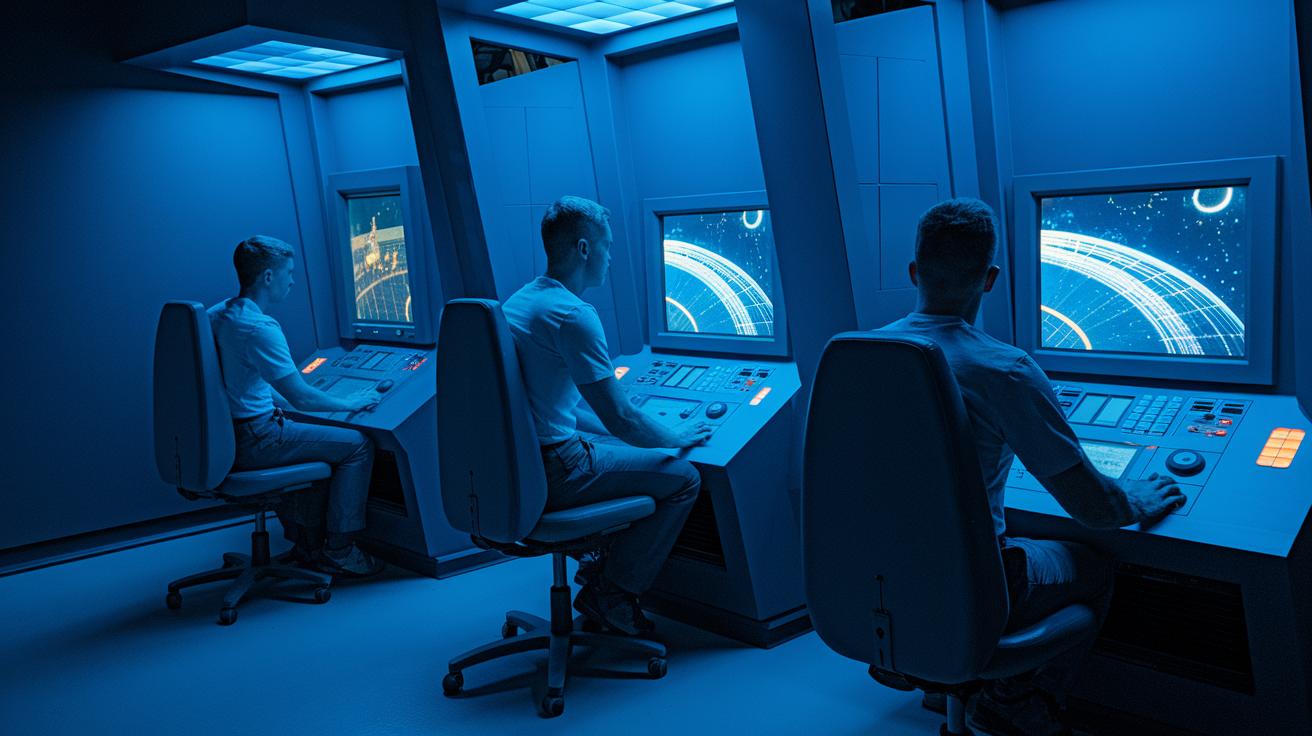
At the Johnson Space Center, future astronauts get hands-on training with high-tech simulators that really feel like an actual space mission. A former SpaceX astronaut candidate explained that these sessions can be tough but are also incredibly inspiring, as they let trainees practice checking systems and managing emergencies in a safe, controlled setting.
NASA shows its commitment by making sure no detail is missed, even when plans change. For example, when the Artemis II crew stayed in Houston after a February delay, they used that extra time for one more round of final simulations. These extra rehearsals help the astronauts perfect every step so they’re fully ready for the challenges of space travel.
Mission Control is in the thick of it every step of the way. For the upcoming Crew-12 launch, set for February 13, 2026 at 5:15 a.m. EST, experts in Mission Control will provide real-time support to guide all flight operations. They keep a close eye on details like flight paths, emergency responses, and in-flight adjustments, ensuring the mission runs safely and precisely at every stage.
Real-Time Orbit Tracking and Live Mission Feeds
NASA makes following live space science feel just like being part of the team. Their 4K camera on the International Space Station gives us crisp, clear views of Earth, while lunar mission rehearsals let you see the final checks happening right then and there. It’s almost like watching a rocket get ready to blast off while the countdown ticks away under a starry sky.
With Artemis II, NASA now shows digital countdowns on their own sites. Every second is updated live, so you can track everything from the last check to the liftoff. You can even follow these updates on mobile apps built for real-time orbit tracking and performance monitoring. It’s like joining a high-tech countdown where every moment counts.
Social media has also stepped in to make the experience even more exciting. NASA and SpaceX share flight updates and real-time alerts on Twitter, keeping you in the loop. Plus, you can catch live broadcasts on YouTube, such as the Crew-12 launch or the Starlink mission featuring the Falcon 9 liftoff on February 11 at 9:11:29 a.m. PST. Every update brings you closer to the thrilling adventure of space exploration.
Deep Space Exploration and Future NASA Missions
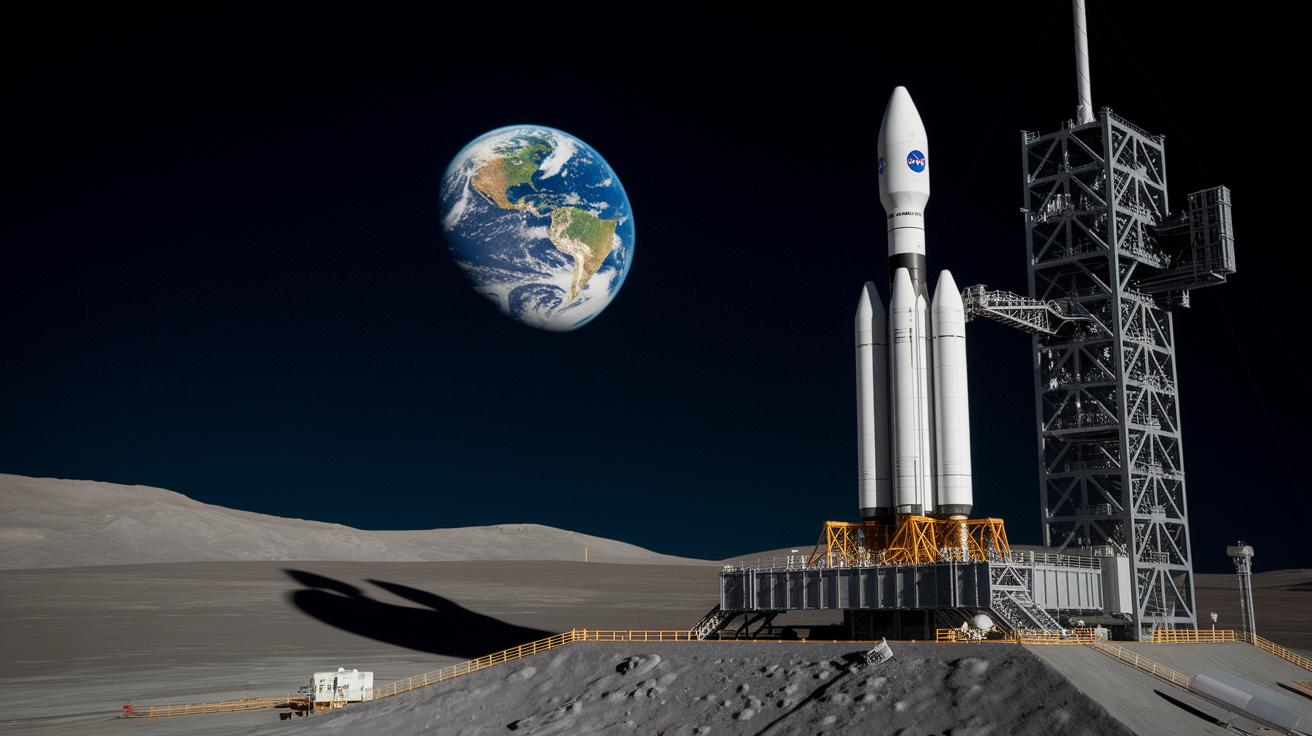
NASA is setting its sights on the great beyond. They’re getting ready to launch bold missions that push the limits of what we thought was possible. The Artemis II mission, set for a lunar flyby in 2026, is like a practice run for sending humans back to the moon. And pretty soon after, Artemis III will take it up a gear by landing astronauts on the lunar surface. These missions build on past success and open the door for even more daring journeys far from home. Imagine watching a spacecraft glide by the moon with Earth glowing in the background, it truly is a modern marvel.
Early deep space exploration brought us unforgettable moments. For example, the NEAR-Shoemaker spacecraft landed on the asteroid Eros back in 2001, giving us a whole new look at our solar system. And who could forget seeing a star vanish as it collapsed into a black hole in the Andromeda galaxy? Moments like these not only show us how far we’ve come but also spark our curiosity about the mysteries that lie beyond.
Mars exploration is another exciting chapter in space history. Rovers like Perseverance keep working hard to collect data on our red neighbor. At the same time, private companies like PLD Space are gearing up to launch their Miura 5 rocket in 2026. These efforts might just be the key to new ways of reaching Mars. As NASA and its partners continue to hone their plans, future missions could soon bridge the gap to our cosmic neighbors and maybe even rewrite how we explore space.
NASA Space Flight Partnerships and Commercial Collaborations
NASA partners with commercial companies and teams up with international friends to boost its launch power. The Commercial Crew Program is a great example. SpaceX’s Dragon moved from pad 39A to pad 40 for more flexible missions, while Boeing is busy with Crew Flight tests that push technology to new heights. These collaborations not only lead to more frequent launches but also bring in fresh ideas from both new and established players in the field.
Around the world, another exciting partnership is marked by the first-ever Ariane 6 launch from Kourou. This mission sent Amazon LEO satellites into space and proved how nations rely on time-tested technology. At the same time, the Proton-M rocket finished its final Elektro-L No. 5 mission, showing how global efforts can blend public aerospace projects with government funding to create something truly impressive.
NASA isn’t stopping there. It’s also joining forces with up-and-coming commercial ventures. For instance, Blue Origin’s TerraWave laser-based network demo (using lasers to send data quickly) was done in partnership with NASA research projects. This demo shows how cool private sector breakthroughs can help public space missions. It’s clear that these growing partnerships are reshaping spaceflight and paving a more diverse and robust path as we continue to reach for the stars.
Final Words
In the action, we’ve seen a timeline stretching from Mercury missions to live orbit tracking and future lunar plans. The post walked us through how NASA has moved from humble beginnings to sophisticated live feeds, training operations, and commercial collaborations.
Each part showed clear progress in nasa space flight, highlighting exciting tests and emerging partnerships. It’s a bright moment for science as we watch space evolve into a more engaging and interactive experience.
FAQ
Frequently Asked Questions
Q: What is NASA Space Flight Starship?
A: The NASA Space Flight Starship refers to advanced spacecraft designs used in collaboration with NASA to support deep space missions. It embodies modern engineering, boosting capabilities in long-duration space travel.
Q: What is NASA space flight Discord?
A: The NASA space flight Discord is an online chat community where enthusiasts and experts gather to discuss mission updates, share news, and talk about the latest developments in space exploration.
Q: What is a NASA space flight tracker?
A: The NASA space flight tracker is an online tool that lets you follow missions in real time. It displays key details like positions and trajectories to help fans keep up with events as they unfold.
Q: How does Twitter feature in NASA space flight?
A: Twitter NASA Space Flight represents how updates, live feeds, and mission highlights are shared instantly. It provides quick access to news, allowing fans to track launches and milestones as they happen.
Q: What does NASA space flight schedule involve?
A: The NASA space flight schedule details planned dates and times for launches and mission milestones. It helps enthusiasts plan to watch events and stay informed about upcoming space operations.
Q: Who makes up the NASA space flight team?
A: The NASA space flight team includes a group of experts, engineers, and astronauts working together to plan, launch, and monitor missions. Their collaboration ensures that each flight is executed safely and effectively.
Q: How is NASA space flight live broadcasted?
A: NASA space flight live means watching missions as they happen through streaming on websites and social media platforms. It offers real-time coverage, keeping audiences connected with the thrill of each launch.
Q: When is the next NASA space flight launch date?
A: The NASA space flight launch date marks the upcoming scheduled time for a mission. It lets fans know when to tune in and follow along with the progress of NASA’s exciting space endeavors.