
Have you ever wondered if a tiny bump in temperature might start a dangerous wildfire? In hot places like California and Oregon, even one extra degree can push dry forests into blazing flames. The heat dries out trees and plants, turning them into kindling (small, dry wood pieces that catch fire easily) just waiting for a spark. Today, we explore how a bit more warmth ups the fire risk and stretches out fire seasons, showing us that small shifts in climate can completely change our surroundings.
How Climate Change Intensifies Wildfire Frequency and Behavior
Global warming is turning up the heat and drying out our lands, setting the stage for bigger and more frequent wildfires. In places like California and Oregon, record-breaking temperatures have sparked fires that cover huge areas and extend the usual fire season. For instance, a small increase of 1℃ each year could lead to a 600% jump in the area burned in some forests. It’s amazing how a tiny change can have such a huge impact!
When temperatures rise, plants and trees lose moisture, making them extra flammable (easy to catch fire). As trees, shrubs, and grass dry out, even a small spark can start a fire that spreads quickly across the landscape. Imagine a forest that’s as dry as kindling, just waiting for a flame. It’s clear that when the weather gets hot and dry, our natural surroundings struggle to recover after a fire.
Longer periods of extreme heat mean that the window for fires to start and keep burning gets much wider. Fire seasons can now last for months, which increases the chances of both accidental and natural fires becoming dangerous. Studies show that in regions with odd rainfall patterns combined with higher temperatures and less moisture, wildfires often become nearly unavoidable. Isn’t it interesting how our changing climate creates the perfect storm for these kinds of events?
Climate Change Effects on Wildfire Season Length and Burned Areas
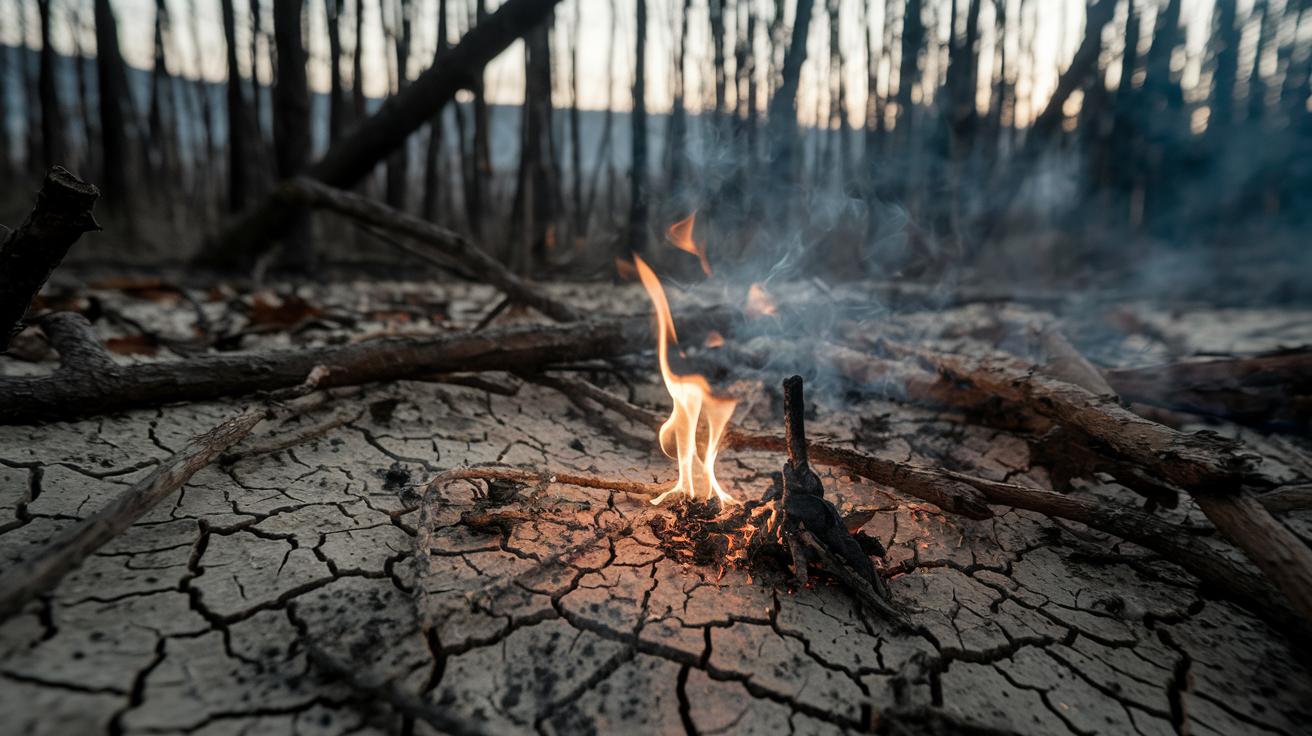
When the temperature goes up and drought levels get higher (meaning there isn’t much moisture), plants become like dry kindling ready to catch fire. Think of dead leaves, broken branches, and scattered brush as bits of dry wood that can ignite with even one spark.
These days, rain isn’t as predictable as it used to be. One minute there’s a heavy shower, and the next, a long dry spell. It’s like having a sponge that barely soaks up water. In such a dry setting, even a small spark can lead to a big wildfire.
All these changes in rain and dryness make it harder for fire managers to plan. They have to adjust to the shifting weather and use drought measurements to find ways to predict and stop fires from growing.
Weather Pattern Shifts and Ecosystem Vulnerability to Wildfires
Our weather is changing in ways that make the air hotter and drier. Longer heat waves dry out plants and forests so they can’t hold onto moisture, leaving them ready to ignite. Think back to that one time when a hot spell turned a peaceful forest into a blazing scene. Ecosystems already stressed by constant heat struggle to bounce back.
Not only are temperatures rising, but stronger winds are also making things worse. Gusts now sweep across grasslands and woodlands with extra force, turning even a small spark into a fast-moving fire. Each strong wind further dries out the land, making damp areas vulnerable in an instant.
These shifting weather patterns show us that nature is under a lot of strain. Continuous dry spells might push entire ecosystems to their limit. As conditions remain arid, regions become more prone to sudden, destructive fires, serving as a warning about the broader changes happening in our environment.
Local landscapes are feeling these effects more than ever. Dry spells and fierce winds cause rapid fire outbreaks that leave little time for nature to recover. Even a brief heatwave can tip an ecosystem into danger, something that many scientists find deeply concerning.
Fuel Dynamics, Ignition Sources, and Landscape Conditions in a Warming World
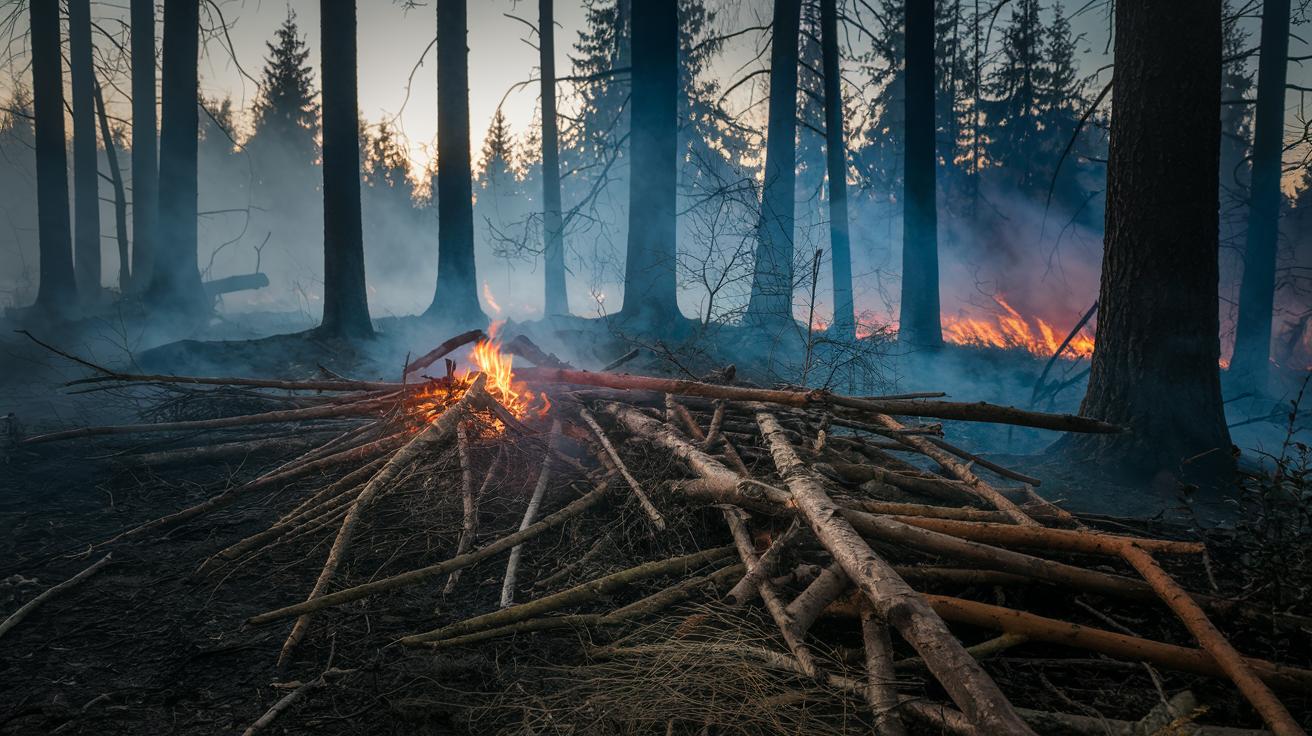
In forests laden with accumulated deadwood and brush, a minor ignition can rapidly transform an entire area into a raging firestorm.
For decades, the way we've dealt with fires and managed our land has let dead trees and thick underbrush pile up. This buildup makes wildfires a lot harder to control. And with warmer temperatures drying everything out, even a tiny spark can quickly turn into a massive blaze.
Lightning-triggered fires now pop up more often in these dry places. Picture a parched forest where a flash of lightning lights up thick, dried-out brush. Even though lightning naturally starts fires, when the forest is chock-full of dry material, the fire grows faster and spreads farther. It’s like striking a match in a room filled with flammable stuff.
Human actions are also lighting the fuse. Discarded cigarettes, broken power lines, and campfires left unattended lead to many new fires. Imagine someone tossing aside a cigarette, what seems like a small flame finds a field of dry fuel and quickly explodes into a wildfire.
As our climate continues to change and dry out our lands, these fuel piles make it easy for even a little spark to become a blazing disaster. Both natural events and carelessness can set off fires that challenge both nature and communities.
Wildfires as a Climate Feedback Loop: Carbon Emissions and Air Quality Impacts
Wildfires boost global warming by releasing a huge amount of carbon dioxide. In fact, they can contribute almost one-fifth of the world's total CO₂, much like all the transportation emissions combined. When trees and plants burn, they let out carbon that adds to the greenhouse gas buildup, making our planet even warmer.
During these fires, burning materials also give off little particles like aerosols and black carbon (tiny particles that stick in the air). Think of it as tossing extra wood onto a fire, each blaze heats things up more, setting the stage for even more intense conditions. Have you ever felt like turning up the heat in an already warm room makes things unbearable? That’s exactly what happens with each wildfire.
The smoke from these fires can travel hundreds of miles, spreading poor air quality far beyond the fire’s origins. These drifting smoke plumes carry tiny bits of pollution that can hurt people’s lungs, leading to breathing difficulties and other health problems, even a short burst of exposure can irritate the airways.
Every wildfire not only scars the land but also dumps heat-trapping particles into our air. This ongoing cycle of emissions and extra heat creates a dangerous loop that fuels climate change and keeps our air quality from getting any better.
Regional Case Studies of Climate-Driven Wildfire Trends
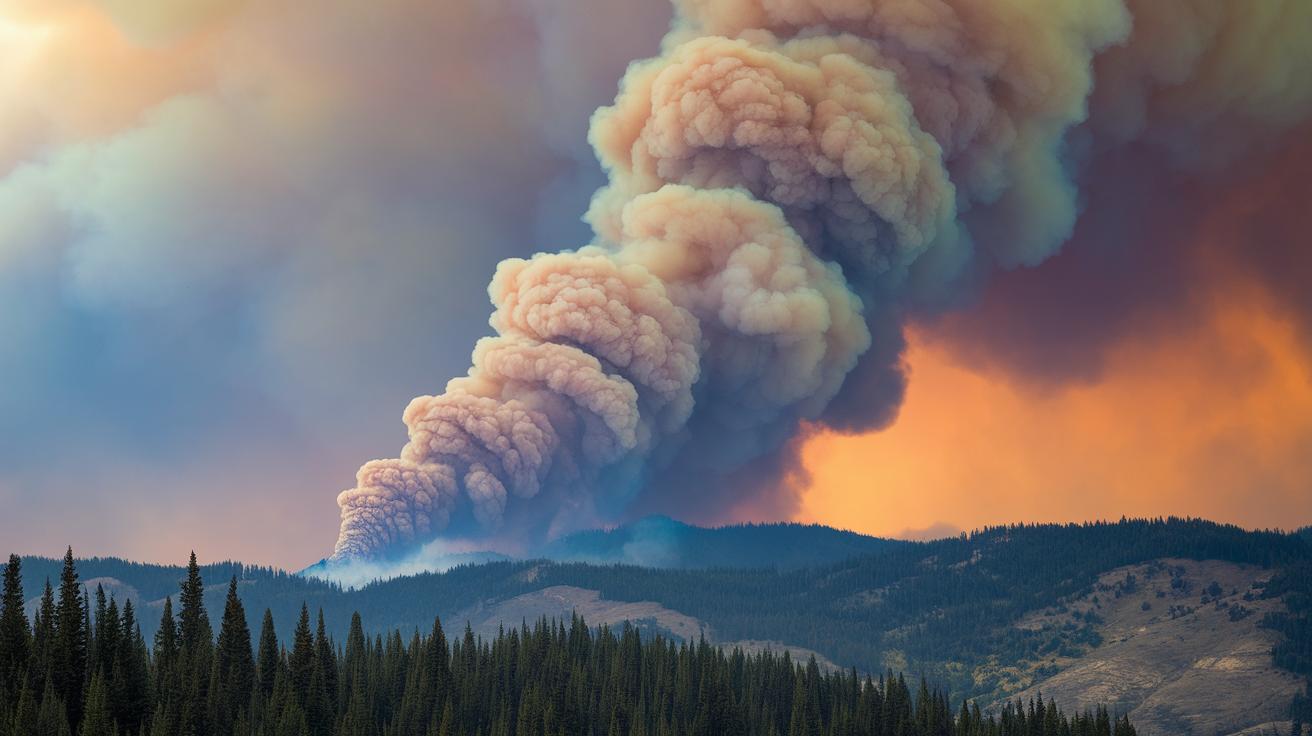
Recent records show that climate change is making wildfires worse all over the globe. In California, record heat over the last 30 years has more than doubled the land that burns each year. Fire crews here are up against tougher challenges as hotter days and shifting weather turn small fires into fierce blazes.
In Australia during 2019–20, bushfires released carbon emissions that were 1.6 times the country’s normal yearly output. This huge blaze stressed emergency services and left a lasting impact on the air and local ecosystems.
Up in the Canadian Arctic, even remote areas are feeling the heat. Fires there sent toxic smoke for miles, affecting air quality on the U.S. East Coast for several weeks. This serves as a reminder that fires can reach far beyond where they start.
Down in Bolivia, fire counts hit record highs, much like what’s happening in other parts of the world. Extreme temperatures and very little rain have created near-perfect conditions for fires. Meanwhile, in Greece, the largest fire in Europe since the 1980s broke out amid changing climate signals, challenging old firefighting methods.
All these examples show that today’s wildfires aren’t just random events. They are part of a global trend; warmer temperatures and shifting weather are ramping up fire activity everywhere. By looking at these regional studies, we learn how climate change and fire risks are linked.
These vivid cases call for better fire management and fast action on climate change.
Strategic Wildfire Mitigation and Adaptation under Climate Change
Imagine a group of smart sensors that can warn you when a tiny spark appears, long before it can turn into a big, dangerous wildfire. These tools, powered by new AI technology like Silvanet (a system that uses computer programs to learn and predict), help firefighters react quickly when a fire starts. Even a small flame gets fast attention, which can help stop a disaster before it grows.
Now, think about satellite tracking that shows us exactly where a wildfire is burning right now. It’s like having a super clear picture from space that maps out the fire’s progress. These images work hand in hand with models that predict fire danger based on today’s weather and past fire events, kind of like a weather forecast but for fire risks.
Policy makers are joining in too. They’re putting money into better ways to care for our forests. Imagine treating a forest like a living garden that needs regular pruning. One way to do this is through controlled burning, which safely gets rid of old, dry brush that could fuel a wildfire. Another method is thinning, where trees are slowly removed to reduce the fuel that fires need to spread. It’s much like a farmer checking the sky for signs of a storm and planning ahead.
Efforts that combine forest care and community planning are creating a strong plan to keep wildfires in check. These actions are even part of a larger strategy to reduce greenhouse gas emissions. For more detailed ideas on these policies, visit our page on mitigation climate change strategies.
Final Words
in the action, the post shows how rising heat and dry conditions spark big fire events. It explains that fuel buildup, shifting weather, and human errors all contribute to stronger, longer wildfires. We explored how climate change and wildfires work together in a feedback loop, adding more carbon and further warming our planet. This research points to smart, practical fixes that could help ease the cycle. It’s reassuring to see that with better planning and modern tools, we can keep moving toward a safer future.
FAQ
What is the relationship between climate change and wildfires in California?
Rising temperatures and drier conditions in California extend wildfire seasons. In 2021, these factors helped wildfires burn more land, showing how a warming climate intensifies fire risks.
How do wildfires contribute to global warming?
Wildfires contribute to global warming by releasing carbon emissions that add to greenhouse gases. This process strengthens the warming effect, creating a loop where higher temperatures lead to more fires.
Why are wildfires harmful to the environment?
Wildfires harm the environment by releasing pollutants, reducing air quality, and stressing ecosystems. Their rapid spread can disrupt plant life and animal habitats, causing lasting ecological effects.
Are wildfires increasing worldwide according to global statistics?
Global statistics show that wildfires are on the rise with longer seasons and more burned acreage. Warmer, drier climates drive these increases, leading to more frequent and severe fire events.
What topics should a wildfire and climate change essay cover?
A persuasive essay should discuss rising temperatures, extended fire seasons, fuel accumulation, carbon emissions, and regional examples that illustrate how climate shifts are making wildfires more common and intense.