
Ever wonder how rockets and jets really start their journey? Aerospace contractors create amazing machines that let us travel in the sky and beyond. They connect many different parts like pieces in a giant puzzle, each one important for the whole system.
These projects use billions of dollars and bring together thousands of experts. Working in this field means you get to see fast growth and cutting-edge progress every day. It also opens up amazing career opportunities for people who love exploring new ideas.
As you think about it, isn’t it fascinating how building these flying marvels shapes our future?
Comprehensive Overview of Aerospace Contractors
Aerospace contracting means companies that design, build, test, and maintain various air and space vehicles. They work on projects from commercial airplanes and defense jets to satellites and space rockets. In fact, the global business in this field is worth more than $500 billion, which shows just how big and skilled these companies really are. Think of it like making different parts of an airplane in separate places and then carefully putting them together.
Top U.S. aerospace companies have a big impact on both defense and commercial travel. Big names like Lockheed Martin, RTX, Northrop Grumman, General Dynamics, and Boeing Defense made $206.9 billion in defense revenue in 2024. And it’s not just about the money, these companies also employ huge teams. For instance, Boeing has around 140,000 workers, Airbus about 133,000, and Northrop Grumman roughly 85,000. These numbers show that there is a strong and talented workforce driving non-stop innovation.
Core services provided by these contractors include:
- Flight systems design
- Airframe manufacturing
- Avionics integration
- Propulsion testing
- MRO (maintenance, repair, and overhaul)
- Supply chain management
Want to learn more about these important engineering roles? Check out what aerospace engineering is all about at https://buzzyandclever.com?p=1666.
Leading Aerospace Contractor Companies and Profiles
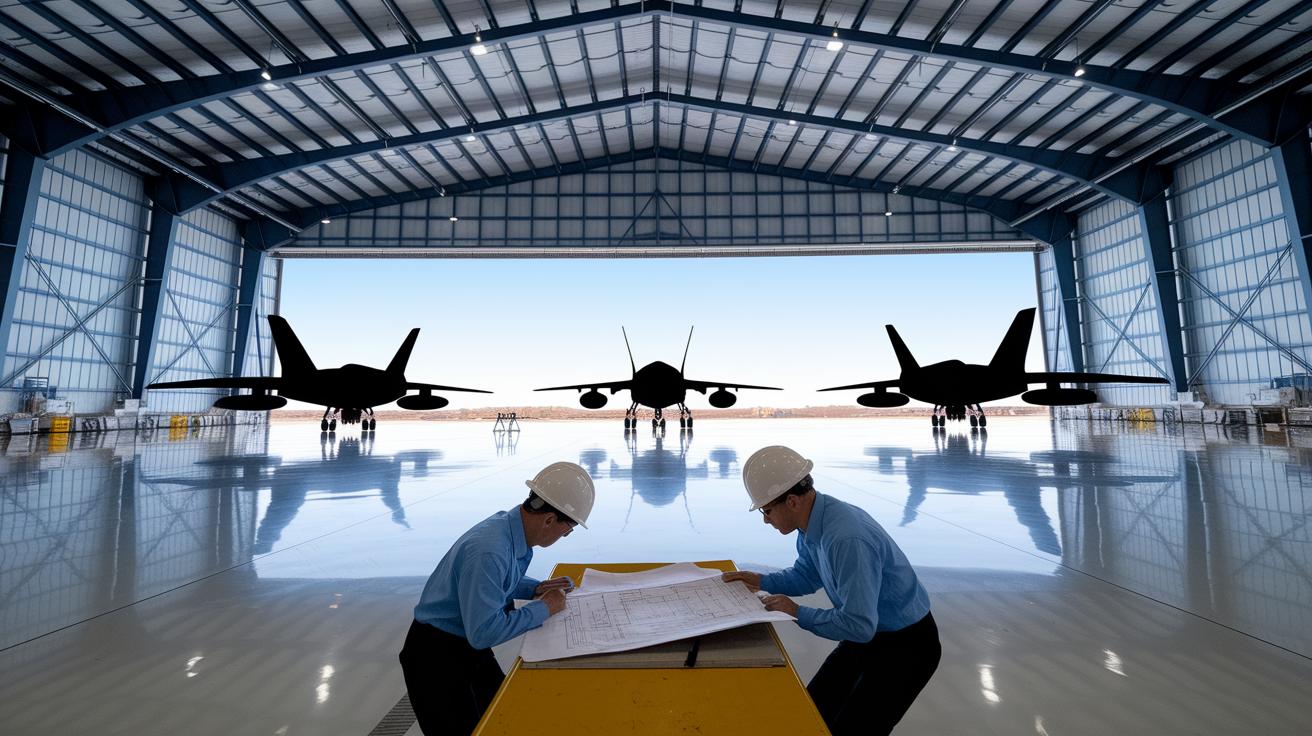
Top aerospace contractors lead the way in both defense and aviation. They earn big defense revenues and employ thousands of skilled professionals to design modern systems. For example, Lockheed Martin is well-known for its F-35 Lightning II program and is a top partner with the U.S. Department of Defense. RTX, on the other hand, is busy pushing the limits with hypersonic weapons (extremely fast projectiles) and advanced air defense. Northrop Grumman, with projects like the B-21 Raider and UAV (unmanned aerial vehicles), shows that even smaller teams can spark big ideas.
General Dynamics, Boeing Defense, and Airbus in the commercial market complete this impressive lineup. Together, these companies mix creative technology with a strong market presence, making sure they stay ahead in the game.
| Company | 2024 Revenue ($B) | Key Projects | Employees |
|---|---|---|---|
| Lockheed Martin | 64.7 | F-35 Lightning II | 115,000+ |
| RTX | 40.6 | Hypersonic weapons | 180,000+ |
| Northrop Grumman | 35.2 | B-21 Raider | 85,000+ |
| General Dynamics | 33.7 | Virginia-class subs | 100,000+ |
| Boeing Defense | 32.7 | F-15EX | 140,000+ |
| Airbus | , | A320 family | 133,000+ |
Looking at the numbers, you can see some clear trends. Heavy investments in programs like the F-35 Lightning II and B-21 Raider tell us these companies are focused on high-performance and constant improvements. Their large workforces show just how much they produce and highlight the value of a diverse talent pool from around the world. In short, these profiles remind us that the aerospace field is always evolving, balancing long-standing military contracts with fast-changing commercial opportunities.
Key Contract Types and Procurement Trends in Aerospace Contracting
Fixed-price contracts mean you agree to pay a set amount for the work, no matter what the actual costs turn out to be. Cost-plus contracts, on the other hand, cover the project's expenses plus a fixed fee. Then there are performance-based contracts, where you pay when certain targets are met instead of paying for every hour worked. Imagine agreeing on a set price to build a jet engine, even if you need extra parts, that’s the idea behind these arrangements.
The government plays a huge role in aerospace contracting, with the Department of Defense leading many projects. Big deals, like a $188 million submarine support contract or Leidos’s $11.1 billion ABMS project, show just how much the government drives decision-making. Even the famous F-35 program relies on a team effort across different countries, which highlights a global network of supply and oversight.
Competitive bidding is key in this field. Companies often compete to be the main contractor or to join as a subcontractor. In many cases, a large contractor wins the main deal and then hires specialized partners to handle parts of the work. Think of it like breaking up a huge aircraft project into manageable pieces, with each team handling a vital role.
Federal acquisition is also evolving. Digital proposals and modern online tools are now the norm, which makes the bidding process smoother and tracking progress much simpler. In fact, these digital tools allow procurement managers to review proposals in real time, kind of like watching a live sports game where every strategic move counts.
Regulatory Compliance and Certification Standards for Aerospace Contractors

Aerospace contractors lean on quality management standards like AS9100 and ISO 9001 to keep everything running smoothly. Think of these standards as a detailed checklist that makes sure every part, from the smallest rivet to the overall design, meets exacting quality. This approach not only streamlines the production process but also builds a culture where excellence and reliability really matter.
Handling sensitive aerospace data means strict export controls and robust cybersecurity are a must. Rules such as ITAR (International Traffic in Arms Regulations, which control military-related information) and EAR (Export Administration Regulations, which manage other sensitive tech data) keep a close watch on the flow of information. Meanwhile, CMMC (Cybersecurity Maturity Model Certification, a set of standards that protects information technology systems) acts like a high-tech control center, guarding each data stream against potential cyber threats.
Recent regulatory updates have made these requirements even tougher. In 2022, new DFARS (Defense Federal Acquisition Regulation Supplement, which sets specific rules for defense-related data) guidelines tightened data protection measures. At the same time, updated FAA directives for Part 145 help improve maintenance, repair, and overhaul processes. Together, these changes not only force companies to meet higher standards but also promote fresh, innovative ideas and create opportunities for career growth through more focused training and updated practices.
Emerging Technologies and Innovation in Aerospace Contracting
Reusable Launch Systems
SpaceX has changed the game by designing rockets that come back for another ride. They bring their boosters back after each flight so they can launch again, which saves time and money. Blue Origin is doing something similar with quick suborbital trips that cut costs and offer more flexible contracts. Imagine a rocket that takes off, lands safely, and then takes off once more. This idea shifts how contracts are made by focusing on continuous performance rather than a one-and-done system. It means contractors can spend more time improving systems and boosting efficiency, leading to a brighter future for aerospace projects.
These new launch systems also change contract details. Instead of having to replace equipment after every flight, contracts now include plans for regular upgrades and fine-tuning. This change encourages a closer partnership between companies and government agencies. With better planning and predictable performance, budgets become easier to manage while risks drop when equipment is reused. These updates in contract strategy pave the way for ongoing innovation and more cost-effective operations, which benefits everyone involved.
Digital Tools and AI for Contract Oversight
Digital twin technology is turning contract oversight on its head. It creates a virtual model of real aerospace systems and their manufacturing processes. Think of it like a digital copy that mirrors every part in real time, allowing teams to spot potential issues before they become major problems. This approach helps companies test different scenarios without the high cost of trial and error, leading to smarter and more proactive project management.
At the same time, AI and real-time analytics are making it easier to predict when maintenance is needed and to make smart buying decisions. Advanced computer programs can forecast when parts might wear out, which means fewer delays and less downtime. Contract managers now use interactive dashboards that refresh data constantly, giving them a clear view of how projects are doing. This setup feels like having a digital control room that manages all the information in real time, resulting in smarter contracts and more reliable oversight for every project.
Career Opportunities and Workforce Development in Aerospace Contracting

The aerospace contracting field is booming, and there’s a real need for skilled people who can design, build, and maintain aircraft and spacecraft. Both commercial and defense projects are on the rise, which means companies are pouring money into research and technology. This creates a vibrant environment where new and experienced workers can dive right into groundbreaking projects.
Entry-level jobs play a key role in launching a career in this space. Programs like the Boeing internship offer hands-on work that teaches you the basics and builds up important skills. Similarly, entry-level engineering positions at Lockheed Martin let you get involved in advanced projects early on, paving the way for a long and successful career. These roles are a great starting point for anyone ready to learn and make a difference.
Mid-career professionals are not left out, either. Many companies, such as Airbus, provide supportive work settings that encourage further education and leadership training. Workers can earn certifications and participate in specialized programs that sharpen their technical skills. This ongoing development is essential for keeping pace with the fast-changing world of aerospace.
Competitive salaries and benefits are common in this industry. Companies like SpaceX and Amentum offer attractive pay packages, performance bonuses, and solid benefits that reward both experience and potential. If you’re curious about the demand in this field, check out the article on aerospace engineering in demand to explore the opportunities waiting for you.
Strategic Partnerships and Global Market Dynamics for Aerospace Contractors
Aerospace companies are teaming up to spark innovation and drive growth. They join forces to pool knowledge, cut risks, and boost their presence in both defense and space projects. For example, Lockheed Martin’s acquisition of a satellite company in August 2024 shows how a smart merger can strengthen capabilities and market position. These collaborations create a shared network of resources and fresh ideas that help contractors stay competitive and flexible in a challenging market.
Cross-border projects are proof that companies are thinking globally to meet tough demands. Reaction Engines runs test sites in the USA and the UK, showing how countries can work together to improve rocket engine technology. Airbus manages operations in four countries, which makes its production and service smoother. Blue Origin’s efforts with NASA underline a commitment to driving innovation through joint projects, while Northrop Grumman’s expanded missile capacity highlights how effective partnerships meet defense needs.
As companies grow, they also navigate emerging regional markets and local rules. Expanding into different areas means they must adjust to local regulations and certification standards while seizing unique market opportunities. This local focus not only strengthens supply chains but also builds valuable economic ties with nearby industries. In short, tailoring regional strategies helps aerospace firms quickly meet local needs while staying well-integrated into the global market.
Case Studies in Successful Aerospace Contracts
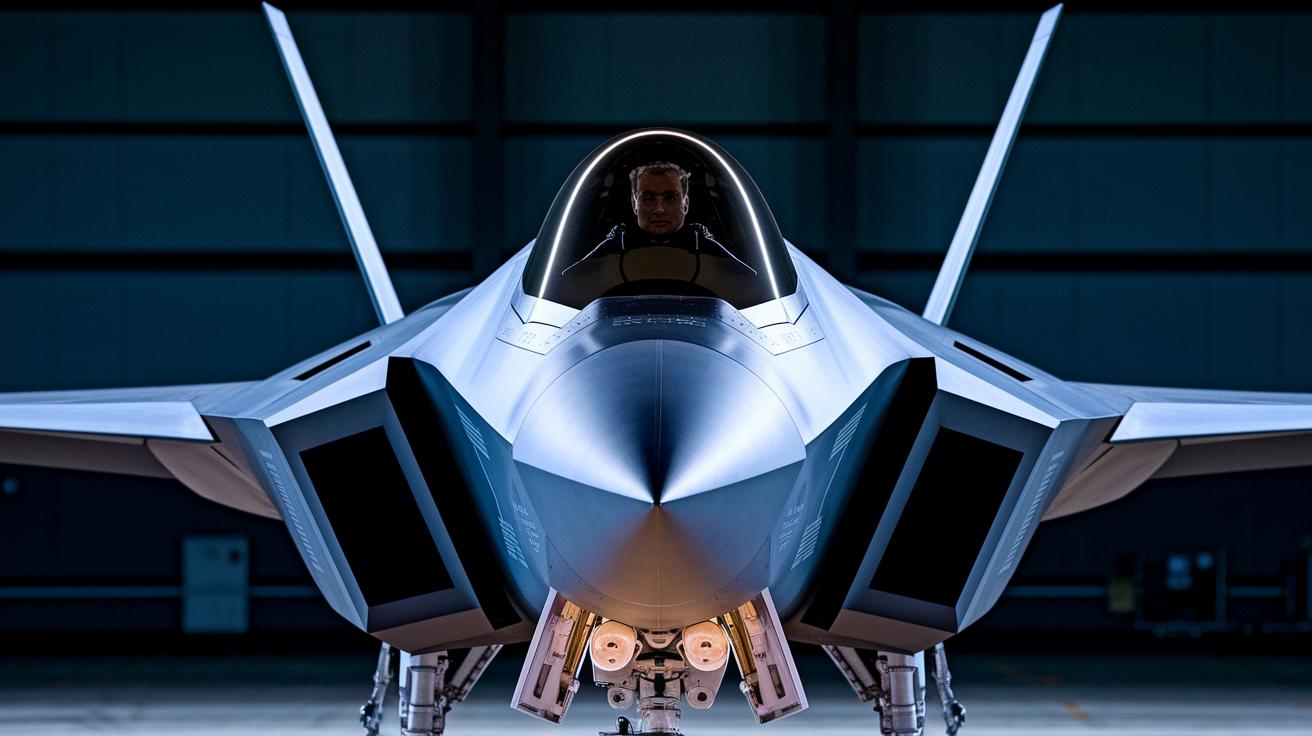
Lockheed Martin’s F-35 Lightning II project shows how focusing on top performance can lead to impressive results. They handle the design, production, and maintenance of advanced fighter jets. Key measures like strong flight control systems (modern tech that helps pilots navigate) and toughness set a high bar for future defense projects. They work closely with government teams to meet tough mission needs.
Northrop Grumman’s B-21 Raider project takes stealth and technology to the next level. This example proves that even a complicated design can hit strict defense standards while breaking new ground. Their team combines in-house experts with trusted subcontractors, making sure everyone is responsible for their part. They learned that testing over and over, with fast improvements, really makes a difference.
General Dynamics’ work on the $188 million Virginia-class submarine support contract gives us a clear picture of managing high-value, specialized systems. The project covers ongoing upkeep and advanced system upgrades to help these important assets last longer. With close teamwork between several defense agencies, they tackle both technical and practical challenges. This example reminds us that organized support and regular checks are key for success.
Reaction Engines’ SABRE test program is a great look at how smart engineering can boost engine technology. The project involves thorough tests on a next-generation engine built for high speeds both in our atmosphere and beyond. The results have surpassed expectations during controlled tests. Plus, the partnership between research centers in the USA and the UK shows that working together can lead to amazing breakthroughs.
Final Words
In the action, we reviewed key sectors of the aerospace industry, from firm fundamentals and major company profiles to trending contract types and emerging tech. We also touched on regulatory standards, career opportunities, and how strategic partnerships shape the global market.
These insights provide a solid snapshot of today's aerospace contractor landscape. It’s impressive to see how these elements work together to drive scientific progress, inspire innovation, and keep the field as dynamic as ever. Keep exploring and stay curious about how science touches everyday life.
FAQ
Q: What aerospace contractor jobs are available and how do I become one?
A: Aerospace contractor jobs include roles in engineering, project management, manufacturing, and technical support. Becoming one typically requires a related degree, certifications, and hands-on industry experience.
Q: What do defense and military contractor companies do?
A: Defense and military contractor companies design, build, and maintain advanced air and space systems. They support national security through system integration, technology development, and comprehensive project management.
Q: Where is Aerospace Corporation located and how can I access its website?
A: Aerospace Corporation is based in the United States with key sites like El Segundo. You can visit its official website for detailed location info, services, and company news.
Q: What is the HR central GE Aerospace login used for?
A: The HR central GE Aerospace login is a secure portal that allows employees to access internal HR resources, manage benefits, and review essential work tools.
Q: What does an aerospace contractor do?
A: An aerospace contractor develops and manufactures components for aircraft, defense systems, satellites, and space launch vehicles, while also offering testing, integration, and ongoing maintenance services.
Q: How much does an aerospace contractor make?
A: Aerospace contractor earnings vary widely by role, experience, and location. Generally, higher-level engineers and project managers earn more due to increased responsibilities and market demand.
Q: Who are the Big 4 in aerospace?
A: The Big 4 in aerospace typically include Lockheed Martin, RTX, Northrop Grumman, and General Dynamics, which are known for their substantial defense revenue and advanced aerospace projects.
Q: What is the highest paying aerospace job?
A: The highest paying aerospace jobs are usually senior technical or management roles that require advanced expertise and come with strategic responsibilities in major aerospace projects.