Have you ever noticed how our warming planet is quietly changing the world around us? As the heat rises and weather shifts, everyday lives are being touched in ways you might not realize. Imagine long, hot days that can hurt your body, neighborhoods that face the threat of floods, and nature that struggles to keep up. With so many people living in places at risk, these shifts are remaking our communities, our jobs, and even our future plans. In this article, we’re going to take a closer look at how our daily lives are affected and what it really means to build a future that can stand strong.
Climate Change Impact Overview: Environment, Society, and Economy
Burning coal and oil releases greenhouse gases that gradually warm our planet. This increase in temperature is reshaping our world in clear and observable ways. More than three billion people live in areas at high risk because of this warming. For example, if our planet heats up by 2 °C, nearly one billion people could experience serious heat stress (when your body struggles to cool down, putting your health at risk). Even the Arctic, a region known for its icy chill, is warming twice as fast and may lose its summer ice within just 15 years. For more details, check out this article: What is climate change.
The vulnerability of our global community is clear from events like the 2022 flood in Pakistan. This flood covered about one-third of the country’s land area and showed how extreme weather can completely disrupt life in whole regions. These events connect with larger trends that affect our daily lives, work environments, and future plans.
- Rising average temperatures and record-breaking heatwaves
- Accelerated sea-level rise from melting ice
- More frequent and intense extreme weather events
- Significant biodiversity loss in both land and marine ecosystems
- Escalating threats to public health, food systems, and economies
Looking forward, these impacts are deeply linked with other expected changes due to climate change. As glaciers melt and sea levels gradually rise, coastal communities will face higher risks of flooding, and ecosystems may lose the stability needed to support diverse life. Stronger and more frequent extreme weather could strain health systems and disrupt food and economic stability. All these changes remind us that every part of our climate system is connected, affecting the strength and resiliency of our shared future.
Weather Pattern Shifts Driven by Climate Change

Heatwaves are happening more often and are getting really hot. They push temperatures to all-time highs, which hurts communities in many ways. In lots of places in the United States, extreme heat now causes more deaths than other kinds of weather. Areas that once had cool, pleasant summers now struggle with days that beat down hard on people and buildings. When the heat suddenly spikes, folks have to rush to find cooler places, a move that can be risky during long heatwaves.
Long-lasting droughts and more dangerous wildfires are other tough effects of these changing weather patterns. In the American West, there’s a 22-year-long drought, the driest stretch in over 1,200 years. This means that farms and cities have less water, and conditions are just right for wildfires to start and spread quickly. In some parts, fires have doubled in number, and places like California have seen a huge, 500 percent jump in burned areas over many years. Floods, too, have become harder to predict, leaving communities scrambling when heavy rains hit unexpectedly after long dry periods.
Warmer air holds about 7 percent more moisture for every degree it warms up. This extra water in the air makes storms stronger and changes the usual patterns of rain. Seasons that used to have a clear wet and dry cycle are now more unpredictable, shaking up local agriculture and city water systems. All of these changes remind us how important it is to build systems that can handle a future with wild and extreme weather.
Ecosystem and Biodiversity Effects of Climate Change
Marine heatwaves are happening more often, and warmer ocean waters are making the seas more acidic (that means the water is becoming less friendly for life). This shift is stressing out marine creatures. For instance, tiny plankton are disappearing, and fish and marine mammals are changing their usual travel routes. Think of a coral reef slowly fading from its brilliant colors because even a small rise in temperature can upset its balance. It really shows how our oceans are sensitive to warming changes.
On land, things are getting hotter and drier, which puts a lot of stress on plants and animals. This climate shift helps pests and invasive species take over, pushing out the native ones that once thrived. Many species are now at a higher risk of going extinct because the areas they live in are shrinking too much, over 500,000 species are already stuck in habitats that are too small for long-term survival. Picture your favorite park slowly losing its variety; a little change in nature can have a big impact.
Up in the Arctic, summer ice is disappearing bit by bit and might be gone entirely in about 15 years. As glaciers melt, sea levels are expected to rise by as much as 6.6 feet by the end of the century. This loss is causing coastlines to erode and is destroying homes for polar species that rely on ice. These ice-rich environments are falling apart, clearly linking less ice to the harsh effects of global warming on wildlife and coastal communities.
Agricultural and Food Security Challenges Under Climate Change
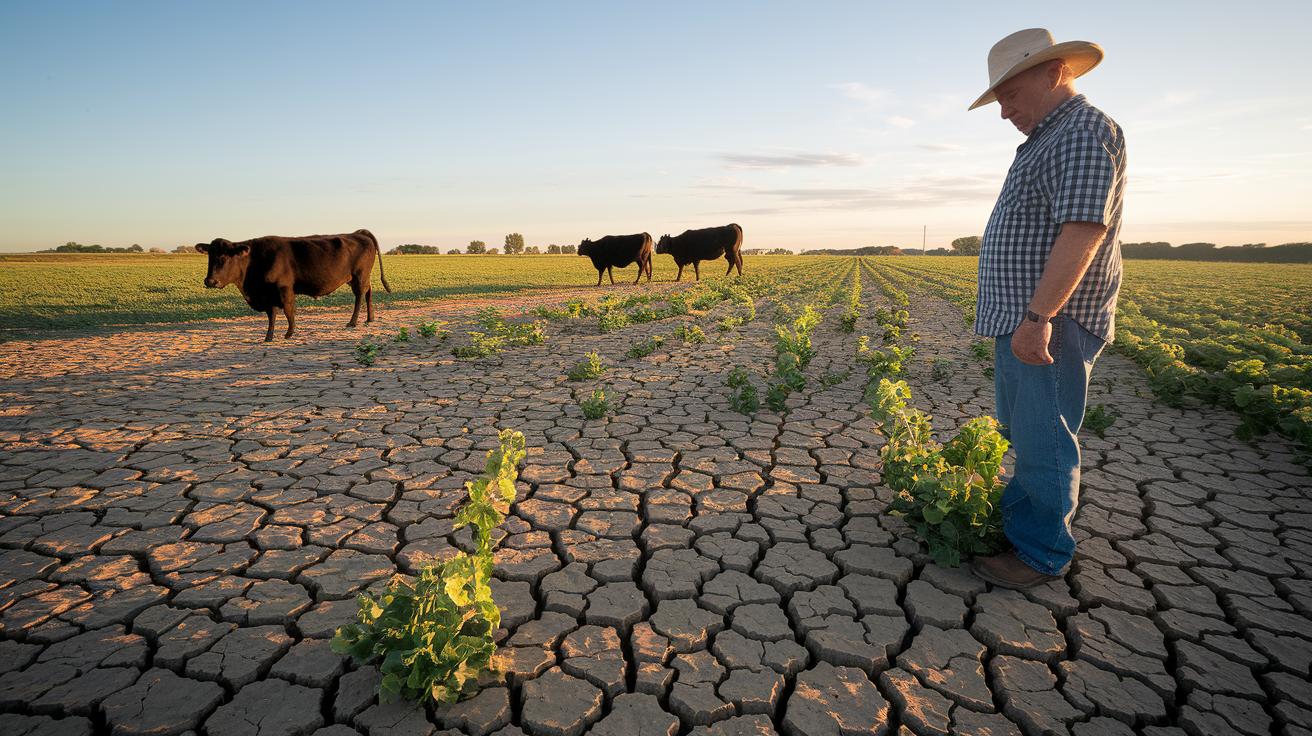
Farmers today face some tough challenges as our climate changes. A heat wave in Kansas once wiped out thousands of cattle, showing that even animals aren’t safe from extreme weather. Warmer temperatures and unpredictable weather make it hard for crops to grow well, and our soil is losing its natural strength. In the American West, a 22-year drought is shrinking water supplies needed for both drinking and irrigation. This makes it really hard for farmers to plan when to plant and harvest, and many worry about shortages and rising food prices.
When crops suffer, the whole community feels it. Changing planting times and eroding soil quality lead to unpredictable harvests and a shaky food supply. The table below breaks down some of the key issues, from water shortages to fluctuating crop yields, highlighting why it's important to adapt our farming methods as the climate changes.
| Challenge | Impact Description | Projected Trend |
|---|---|---|
| Drought severity | Water scarcity, crop losses | Increases by 20 percent by 2050 |
| Altered growing seasons | Shifted planting/harvest dates | Growing zones move poleward by 5–10 miles per year |
| Soil erosion trends | Loss of topsoil fertility | Increase of 15 percent in degradation by 2070 |
| Yield variability in crops | Unpredictable harvest sizes | Fluctuations of 10–30 percent annually |
Public Health and Socioeconomic Risks from Climate Change
Our changing climate is now a real health risk for many people. As temperatures rise, even ordinary everyday activities become a struggle because of intense heat. The air isn't as clean as it used to be, filled with allergens and pollutants that can seriously trouble those with breathing or heart issues. And as rainfall patterns shift, getting clean and safe drinking water is becoming harder for many. More than three billion people live in areas where these challenges hit hardest.
Changes in temperature and rainfall are also shifting how diseases spread, too. Mosquitoes and ticks, tiny insects that can carry harmful germs, are now found in regions that were once safe. These bugs can bring illnesses that really affect entire communities. Meanwhile, unpredictable weather messes up food and water supplies, making it tougher for local systems to keep up.
On top of all this, climate change is deepening the gap between different socioeconomic groups. Extreme weather and shifting climates result in losing homes and jobs, and that means many families are forced to move away. Food systems fail under erratic weather, increasing the risk of famine. Between 2030 and 2050, an extra 250,000 lives might be lost every year due to malnutrition, disease, and heat stress. All these issues together make vulnerable communities even more at risk, so taking immediate action is more important than ever.
Economic and Infrastructure Vulnerabilities Caused by Climate Change

Climate change is quickly becoming a costly challenge for our economy. As global temperatures rise and harmful emissions continue, experts warn that the United States might lose over $500 billion each year by the end of the century. Industries like manufacturing and farming are facing higher costs because of these shifts, and this financial strain touches local communities and national markets alike.
Our critical infrastructure is at risk too. Extreme weather events are damaging roads, bridges, and other essential structures faster than ever before. Studies suggest that flood-prone areas might grow by 45 percent by 2100, which means repair costs will soar. Consider the floods in Pakistan in 2022 that destroyed nearly one-third of the land, it’s a clear sign of how vulnerable our buildings and systems can be.
We also see these changes putting pressure on utilities. As temperatures rise, more people need cooling, which strains our energy grids and water systems. Insurance costs are climbing in high-risk areas, too, as companies adjust to these evolving dangers. All of this means that careful planning and smart risk management are more important than ever in protecting our structures and the economies they support.
Effects of Climate Change: Shaping Resilient Futures
Mitigation means cutting down on harmful emissions by shifting from fossil fuels to clean energy sources like wind and solar. This change not only lowers dangerous gases, but it also helps slow down deforestation (the removal of trees), which in turn eases global warming. Have you ever noticed that communities investing in clean energy often enjoy fresher air and less local pollution? It’s a clear sign that these efforts really pay off.
Adaptation is all about planning ahead and making our cities ready for climate surprises. Many towns are rethinking how they build neighborhoods and upgrading old infrastructure to handle issues like unusual rain patterns. With the help of smart, technology-driven ideas, communities are becoming better equipped to face the challenges brought on by extreme weather.
Policies based on international agreements serve as a roadmap for long-term climate action. Global partnerships are pushing for big emission cuts and changing outdated policies to keep up with our world's needs. By setting strong rules and investing in eco-friendly practices, governments and local leaders are teaming up to create a future that’s both safe for people and kind to the environment.
Final Words
In the action, we’ve seen how shifts in weather, ecosystems, food systems, public health, and infrastructure all tie into the effects of climate change. Each section highlighted how warming, rising sea levels, and extreme weather events impact our environment and society.
By breaking down complex topics into everyday language and real-life examples, the post reminded us that even seemingly distant changes affect our daily lives. Staying informed helps us spark conversations and take small steps toward meaningful solutions. There's hope when we understand what’s at stake.