
Ever wondered how some planes seem to disappear from enemy radar? They use clever shapes and special materials to bounce radar signals away, almost like the glimmer of light on water. Engineers carefully design every curve and angle so that the plane stays hidden from detection systems.
In this post, we’ll explore how these smart designs work together to keep stealth aircraft off the radar. It’s pretty amazing to see how a brilliant design can make these machines nearly invisible in the sky.
how do stealth aircraft work: Bold Design Wins
Stealth aircraft are built to hide from enemy sensors by lowering their signals. They cut down on radar, heat, sound, and visual clues so it’s hard to spot them. Imagine a car with all its shiny parts taken off so it blends into a busy street, that’s kind of how they work.
Engineers design these planes with unusual shapes that send radar waves in different directions. They use special materials that soak up radio waves (energy from radar) instead of bouncing them back. Even the parts inside, like weapons and electronics, are tucked away to keep the aircraft as invisible as possible.
The whole design works like a team effort. The shape of the plane pushes signals away from enemy radars. The special coatings and materials act like a sponge for radio waves. And keeping the internal components hidden means nothing sticks out and gives away its presence. All these little details work together to drop the radar signal to almost nothing, making it very hard for enemies to track or target the plane.
Aerodynamic Shaping Techniques in Stealth Aircraft
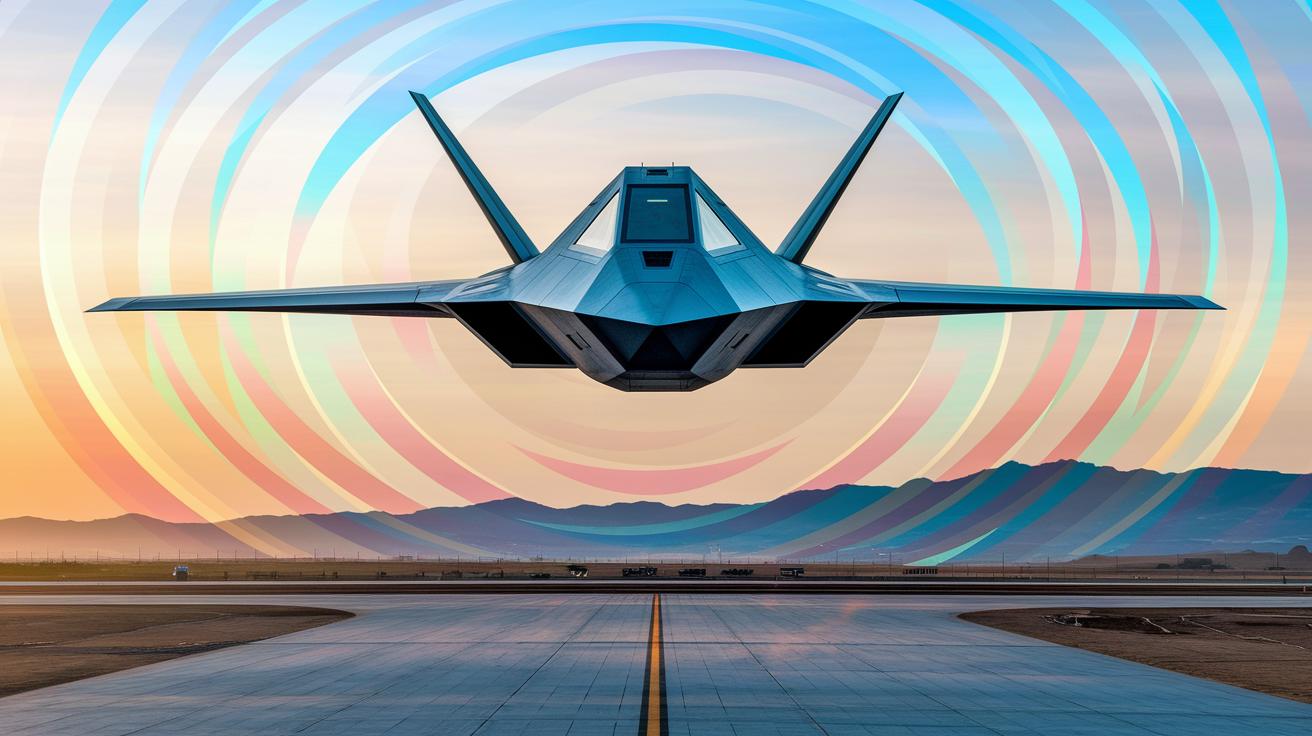
Stealth aircraft are built with special shapes that help hide them from radar. When radar waves hit these planes, the airframe’s curves and angles scatter the waves, so they don't bounce back straight to the radar. This clever design trick means the aircraft seems much smaller on radar screens.
Engineers work hard to shape every part of the aircraft so that each curve and edge sends radar waves away. They even consider tiny details like the gaps between rivets. It’s like planning every twist and turn in a race to dodge detection!
Here are some key techniques they use:
- Faceting: Flat surfaces are used to change the direction of radar waves.
- Edge alignment: Edges are placed just right to cut down the waves bouncing back.
- Continuous curvature: Smooth, flowing surfaces replace sharp angles.
- Serrated edges: Jagged patterns are added to scatter the radar signals.
- Minimization of protuberances: Extra parts are kept to a minimum to avoid unwanted reflections.
Each of these tricks works together to guide radar waves away from an enemy’s transmitter. When you combine these shaping methods with advanced materials and special coatings, the aircraft’s radar signature drops dramatically. It’s like every tiny design choice, from the smallest curve to the way surfaces meet, plays a part in keeping the aircraft hard to detect.
Engineers are always fine-tuning these ideas, making sure today's stealth technology stays ahead of any radar system. Isn't it fascinating how every detail counts in making these incredible machines almost invisible?
Radar-Absorbent Materials and Coatings for Stealth Aircraft
Radar-absorbent materials, or RAM (special materials that take in radar waves), help stealth aircraft avoid enemy detection. They work by soaking up incoming radar signals and turning them into heat. That means the plane looks very small on a radar screen, almost like a little dot.
| Material Type | Composition | Radar Frequency Absorbed |
|---|---|---|
| Carbon-Based Composite | Carbon elements mixed with a polymer (a type of plastic) | 2-18 GHz |
| Iron Ferrite Paint | Iron compounds blended with a polymer binder | 1-10 GHz |
| Hybrid Composite | A mix of metals and ceramics in a resin (sticky, glue-like material) | 0.5-15 GHz |
Building and keeping these coatings in top shape is no easy task. Engineers have to mix precise formulas so every part of the aircraft gets just the right layer. And then there’s the challenge of making sure the coating stands up to tough weather and wear, a bit like keeping a fancy sports car running smoothly. Regular check-ups and careful upkeep are key to making sure the RAM continues to work as it should.
Heat Signature Management in Stealth Aircraft
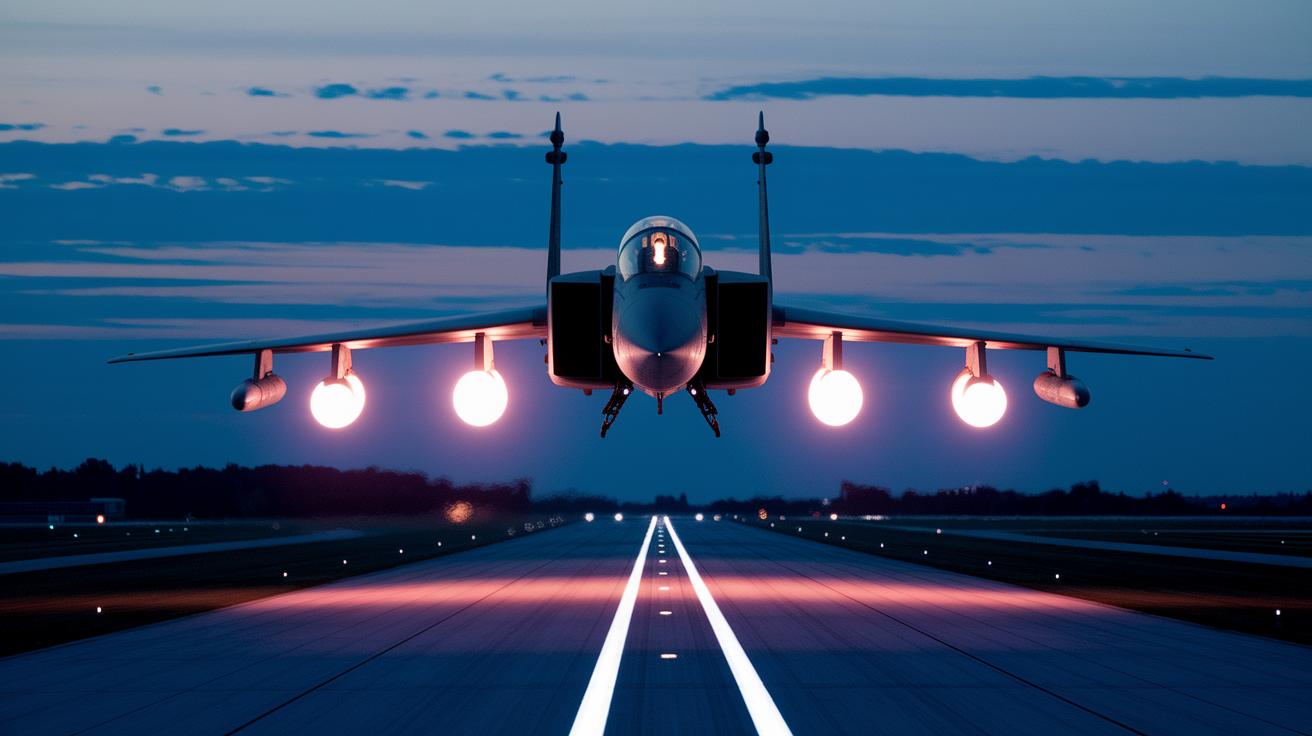
Infrared sensors are always looking for heat. When an aircraft flies, its engine can glow like a bright light, almost like a lighthouse in the sky. The engines and other systems run so hot that they leave a trail of heat, making it easier for heat-seeking devices to spot the plane. Even if this heat spreads over a wide area, it still stands out against a cool sky. Once an enemy sensor locks onto that heat, the plane becomes much easier to target.
Engineers have come up with smart ways to lower the overall heat output, so the aircraft stays hidden longer. They use a few key techniques to cool things down:
- Exhaust cooling: They mix the hot engine exhaust with cooler air using special ducts. Think of it like blowing a cool breeze over something hot.
- Shielding: They enclose the hot parts of the engine inside the airframe, so the heat doesn't spread out as much.
- Coatings: They add special finishes that give off less heat (called low-emissivity coatings) to keep the body of the plane cooler.
These techniques work together to help the aircraft stay off the infrared sensors' radar, making it tougher for enemies to track and target it in the heat of battle.
Acoustic and Visual Silencing in Stealth Aircraft
Stealth aircraft have to be really quiet because even a tiny sound might reveal where they are. The noise from the engines isn’t just annoying, it can also tip off enemy sensors and people on the ground. That’s why engineers put so much effort into quieting everything during flight.
They use several smart tricks to cut down the noise. For example:
- Engine blades are designed in a special way to lower the usual clanking sounds from engine parts.
- Sound-absorbing liners in the engine intakes help lessen the echo that might bounce back into the cockpit.
- Exhaust mixer nozzles blend the outgoing gases to make the noise softer.
- Extra insulation techniques reduce vibrations before they can turn into noticeable sounds.
Staying hidden from view is just as important. Designers choose dull, non-reflective finishes and soft color tones to keep the aircraft’s outline low-key. They also use digital camouflage ideas that break up the craft’s shape so it blends into the sky and landscape. All of these measures work together, so the aircraft stays hard to detect by both sound and sight during flight.
Internal Bays and Equipment Concealment in Stealth Aircraft
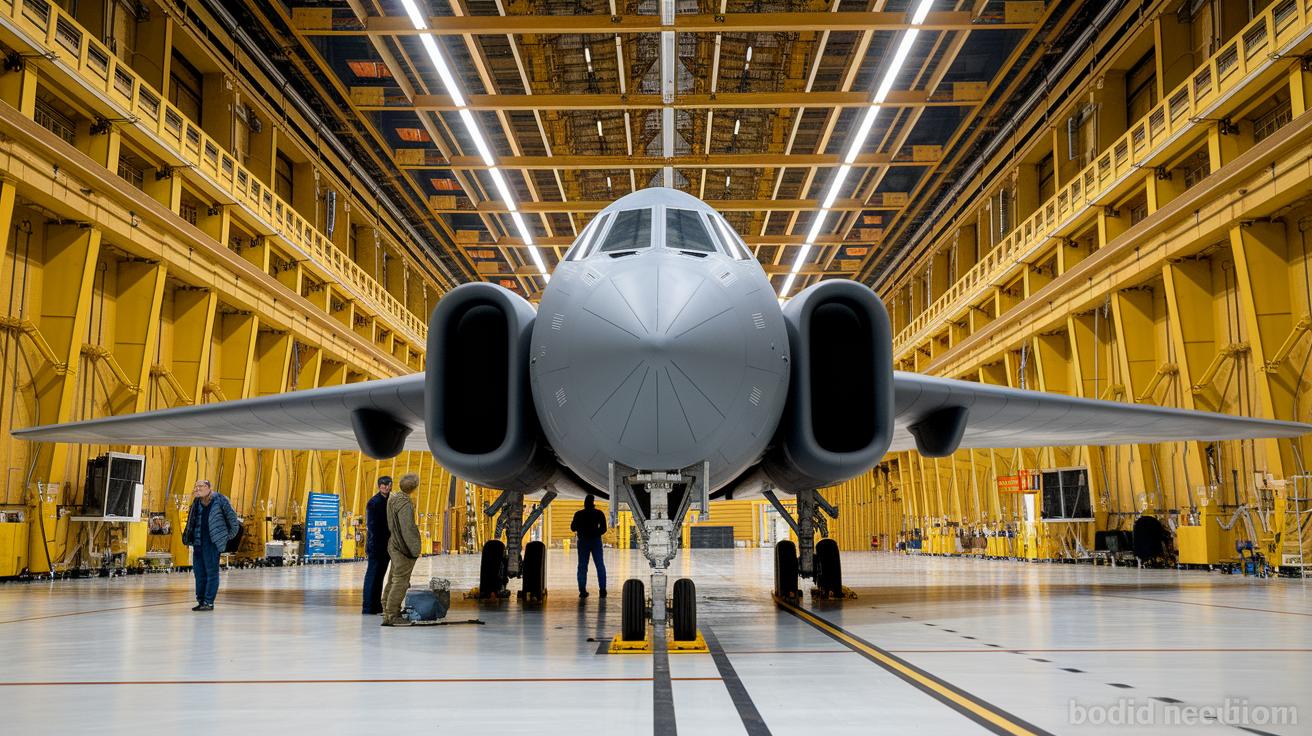
Stealth aircraft keep their weapons and sensors hidden inside special compartments. By placing these items inside the fuselage, the plane stays smooth and avoids extra parts that might bounce back radar waves. This clever setup not only lowers the chance of being detected by radar but also supports smooth air flow during fast maneuvers.
- Internal bay design: Weapons and sensors fit neatly into compartments shaped to match the plane’s body so nothing sticks out.
- Flush doors: Special doors close perfectly with the aircraft’s body and wings, keeping the surface smooth.
- Sensor concealment: Sensitive radar-detecting systems are tucked away in hidden slots to help the plane stay undetected.
Having these items stored inside lets the aircraft adjust to different mission needs while keeping its stealth quality. At the same time, getting to these hidden compartments for reloading or repairs takes some smart planning, balancing low visibility with practical access.
Electronic Warfare and Sensor Evasion in Stealth Aircraft
Stealth planes stay hidden from enemy radars by using smart electronic countermeasures. They jam or trick radar systems and missile seekers, giving the aircraft an extra shield when flying in dangerous areas.
- Onboard jammers break up enemy radar waves.
- Decoys create fake targets to confuse tracking systems.
- LPI radars (radars that send out very few signals) help keep the aircraft unnoticed.
- Sensor fusion systems mix information from different sensors so threats can be spotted quickly.
These features work together in modern stealth technology. The onboard countermeasures, sometimes called top secret because of how sensitive they are, connect with secure data links for real-time updates. Sensor fusion systems gather details from different sensors to form a clear view of the surroundings. This integration helps the aircraft dodge advanced detection and lets pilots make split-second decisions in tough moments.
Evolution of Stealth Aircraft: Key Milestones
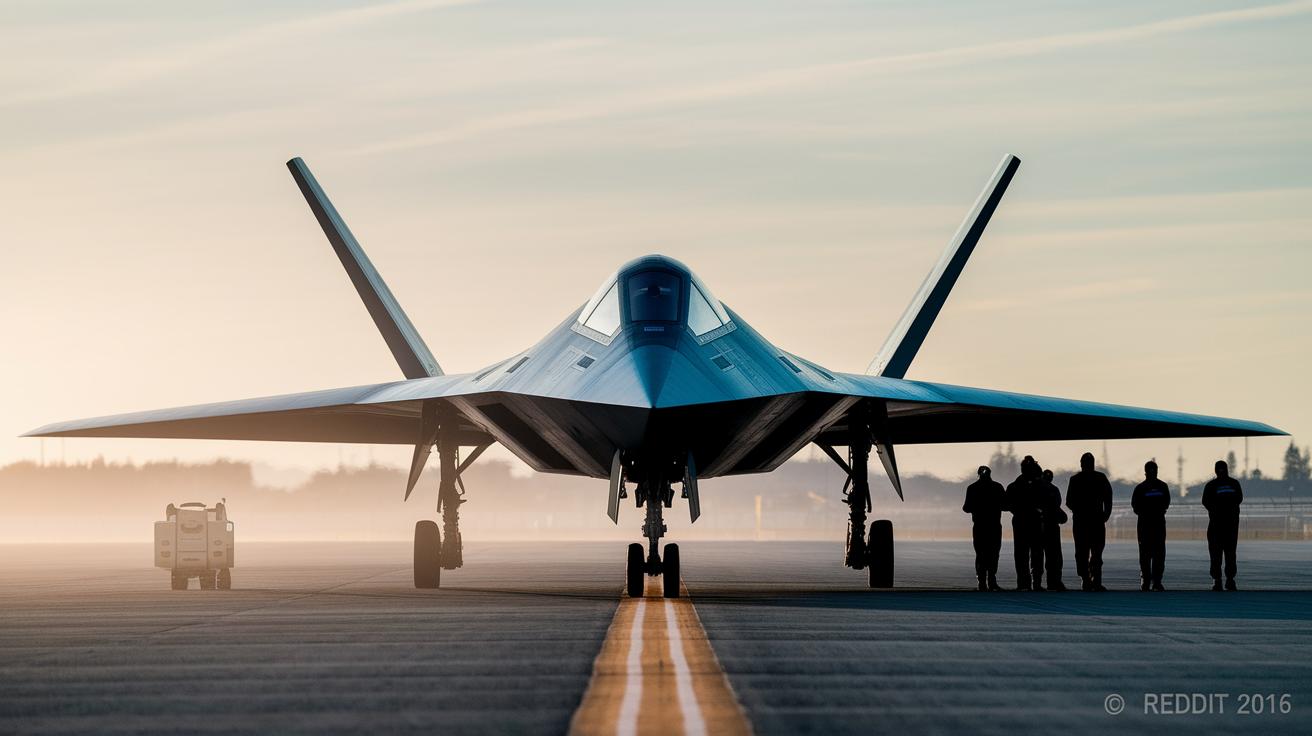
Stealth aircraft have come a long way from simple sketches to marvels of modern engineering. In the early days, designers focused on basic shapes that would bounce radar signals away. Over time, every curve and angle was carefully adjusted to shrink the aircraft’s radar profile, making them even harder to spot. Each breakthrough built on past lessons, showing that details like hidden weapons compartments and smart new materials (substances engineered for specific tasks) really count. And while pushing the limits of stealth, there’s always been a push to keep costs and maintenance reasonable.
| Aircraft | Year Introduced | Stealth Feature |
|---|---|---|
| F-117A Nighthawk | 1988 | Faceted shaping that deflects radar |
| B-2 Spirit | 1988 | A flying wing design that removes vertical stabilizers |
| F-22 Raptor | 2005 | Smooth contours paired with advanced radar-absorbent materials |
| B-21 Raider | Upcoming | Low observability mixed with lower life-cycle costs |
These milestones remind us that progress comes from both clever design and choosing the right materials. Every new generation of stealth aircraft shows us that blending top-notch technology with cost efficiency is a tricky but exciting challenge. Isn’t it amazing how science and smart engineering choices work hand in hand to create these modern wonders?
Future Trends in Stealth Aircraft Development
Scientists are exploring new materials and surfaces that help stealth planes hide better from detection tools. Researchers are testing clever camouflage systems and surfaces that change shape to control how radar sees them. New coatings, called meta-materials (special materials that can bend waves), might soak up more radar signals, letting a plane change how visible it is while flying. This means that instead of having a fixed design, these planes could actively manage their look to dodge threats and tough conditions.
At the same time, smart computer programs, or artificial intelligence (AI), are playing a bigger role in making these planes even stealthier. AI helps design and test new ideas quickly, making sure every new model meets tough hide-from-radar goals. Enhanced sensor networks are also being developed so that planes can work together in real time to confuse enemy detection. Key future technologies include:
- meta-materials
- AI design optimization
- adaptive signature control
These cool advances are blending new materials with smart sensors and AI, creating stealth aircraft that are nimble and ready for the challenges of modern battlefields.
Final Words
In the action, we explored the core methods behind stealth aircraft operation. We touched on radar absorption, aerodynamic shaping, and clever interior design, all working together to keep these planes nearly invisible. Our look at heat signature management and acoustic reduction shows how modern science tackles detection challenges. It all ties back to understanding how do stealth aircraft work in everyday terms. This clear, hands-on view leaves us feeling excited about science's role in shaping advanced technology.