
Ever wondered if the ground under your feet is like a giant puzzle? Our planet’s outer layer is made up of huge pieces called plates (big chunks of rock). Imagine these plates moving slowly, kind of like a thick cookie sliding on a soft dough. Even though they only move a few inches or centimeters each year, over time they build mountains, carve valleys, and shape our world in amazing ways. In simple terms, the quiet dance of these plates has big effects on everything around us.
Understanding Earth Plates: Definition and Key Traits
Earth plates are huge chunks of rock that form the outer layer of our planet, called the lithosphere. They are also known as tectonic plates and create a hard surface that floats on a softer, more flexible layer underneath. Think of it like a giant puzzle with pieces slowly moving over time, each piece gently shifting and affecting the land around it.
Each plate includes both the crust, the surface layer we live on, and a bit of the upper mantle, which is a layer of hot rock below. Together, they make a plate about 100 kilometers thick. Imagine walking for 1,000 hours at a steady pace to cover that distance. It’s a bit like a firm cookie resting on a warm, pliable dough, slowly sliding across its bed, which is called the asthenosphere (a semi-fluid layer within the Earth).
Our planet’s surface has around 15 major plates and several smaller ones. They move only a few centimeters every year, about as fast as your fingernails grow. This slow movement is behind many big Earth events, like earthquakes, volcanic eruptions, the building of mountain ranges, and the drifting of continents over millions of years. Next time you see a mountain range or a deep ocean trench, remember it’s the result of these plates moving very slowly.
Earth Plates Composition and Structural Layers
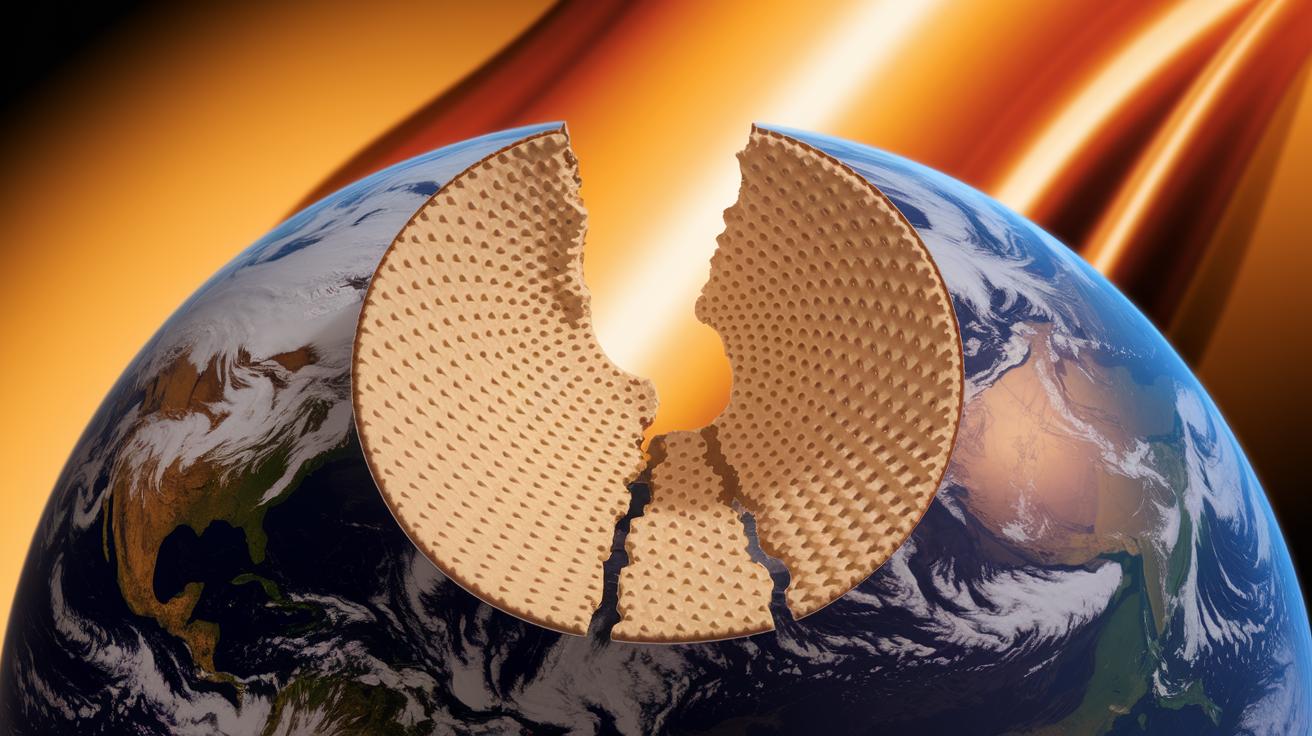
Earth plates form the hard outer shell of our planet, called the lithosphere. They include both the crust (that outer layer we walk on) and the upper mantle. These giant slabs are roughly 100 kilometers thick and float on a softer layer known as the asthenosphere, a bit like a solid cookie resting on warm, squishy dough. Picture a continental plate as a thick, buoyant biscuit, while an oceanic plate feels more like a thin, crispy cracker. These plates came to be when the cooling lithosphere cracked apart and moved because of the slow, churning action of hot rock below, which we call mantle convection (the gradual movement of heated rock inside Earth).
Continental plates tend to be thicker and lighter, so they sit higher on the planet. In contrast, oceanic plates are thinner and heavier, which makes them sink deeper into ocean basins. This simple difference creates the many fascinating geological features we see around the world. Thanks to that early break in the lithosphere, these blocks have been shifting and drifting gently over time, continuously reshaping our planet in subtle, yet powerful ways.
Earth Plates Definition: Fascinating Geological Insights
Deep beneath our feet, powerful rock slabs are always on the move, slowly transforming our planet over time. These massive pieces, known as tectonic plates (big sections of Earth’s rocky outer shell), drift over a softer layer underneath. As they gently slide past each other, they can trigger earthquakes or even spark volcanoes.
The story of our continents comes together with six big plates: North America, South America, Eurasia, Africa, Australia, and Antarctica. Back in 2017, scientists proposed a new continent called Zealandia, a blend of parts from the Pacific and Australian Plates. And don’t forget, smaller plates like Nazca, Cocos, and Juan de Fuca also shape Earth’s natural wonders in their own quiet yet impactful ways.
Earth Plates Boundaries and Their Types
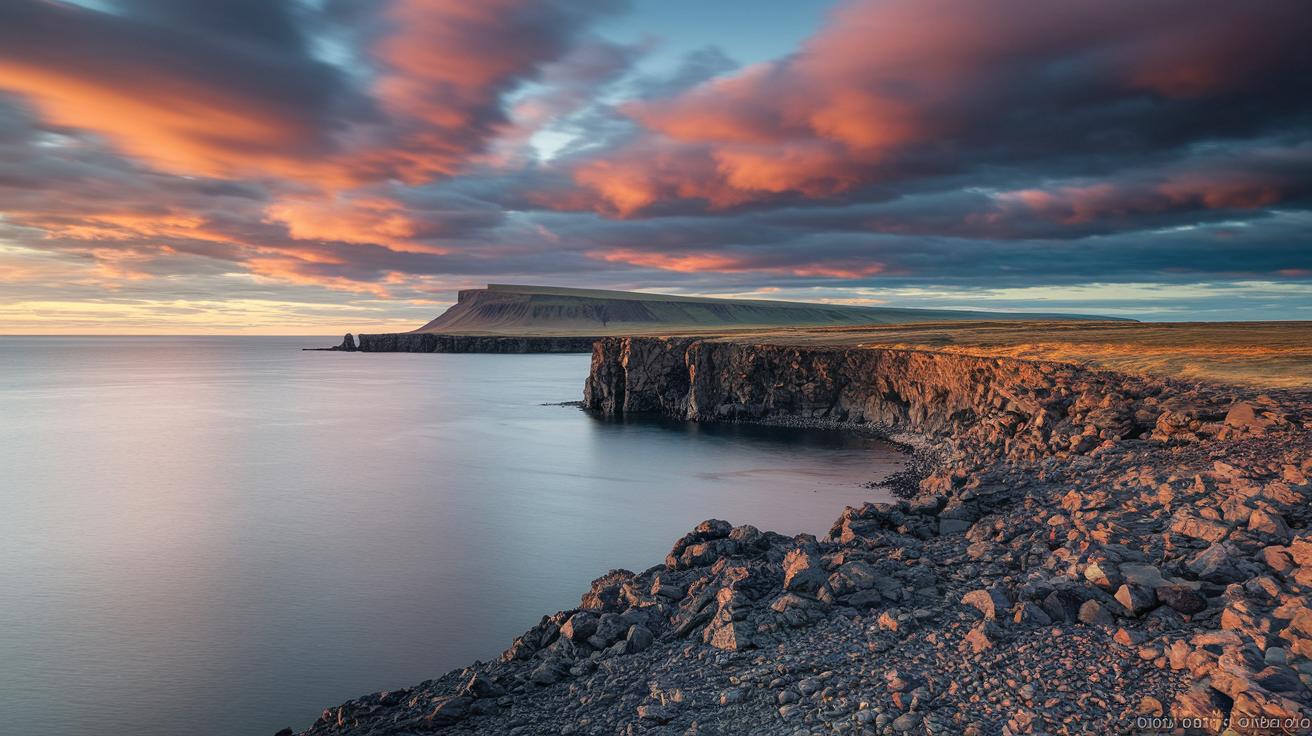
At divergent boundaries, the Earth's crust slowly pulls apart, which lets hot magma come up and form brand new rock. Imagine standing by an ocean ridge and watching molten rock cool into a fresh, hard surface. Iceland along the Mid-Atlantic Ridge is a neat real-world example of this calm but ongoing process.
At convergent boundaries, two plates move toward each other and sometimes collide. In these zones, one plate can slip beneath the other, causing heavy pressure that builds towering mountains or deep ocean trenches. The Mariana Trench, one of the ocean's deepest spots, shows how a plate sinking under another can shape the Earth in dramatic ways. It’s like a gentle yet powerful collision that slowly molds our planet.
Transform faults occur when plates slide laterally past one another, creating friction that can sometimes lead to earthquakes. A familiar example is the San Andreas Fault in California, where the side-to-side motion generates tremors that remind us of the Earth's ever-changing nature. It feels a bit like rubbing your hands together until you sense a spark, though on a scale that can reshape the land.
| Boundary Type | Process | Example |
|---|---|---|
| Divergent | Plates pull apart, letting magma create new crust | Mid-Atlantic Ridge / Iceland |
| Convergent | Plates collide, one may go under the other to form mountains or trenches | Mariana Trench |
| Transform | Plates slide past each other, causing friction and earthquakes | San Andreas Fault |
Mechanisms Driving Earth Plates Movement
Deep inside our planet, different forces make the plates move. Hot rock in the mantle slowly rises and falls, much like water in a gentle current, and this steady movement nudges the plates along. At mid-ocean ridges, magma comes up from below and forms new crust, giving the plates a gentle push. In other places, the dense parts of a plate sink into the Earth at subduction zones, pulling the plate along as if it were a heavy rope. Imagine your fingernails growing a little each month, that slow increase shows how steadily these giant plates shift.
Beneath the plates, the soft asthenosphere acts like a smooth runway, letting them glide slowly over time. This layer helps the plates move by only a few centimeters each year, even though the forces behind the movement are powerful. Every bit of this process, the rising magma, the sinking plates, and the flowing asthenosphere, works together to shape our ever-changing Earth.
Effects of Earth Plates Movement on Geological Events
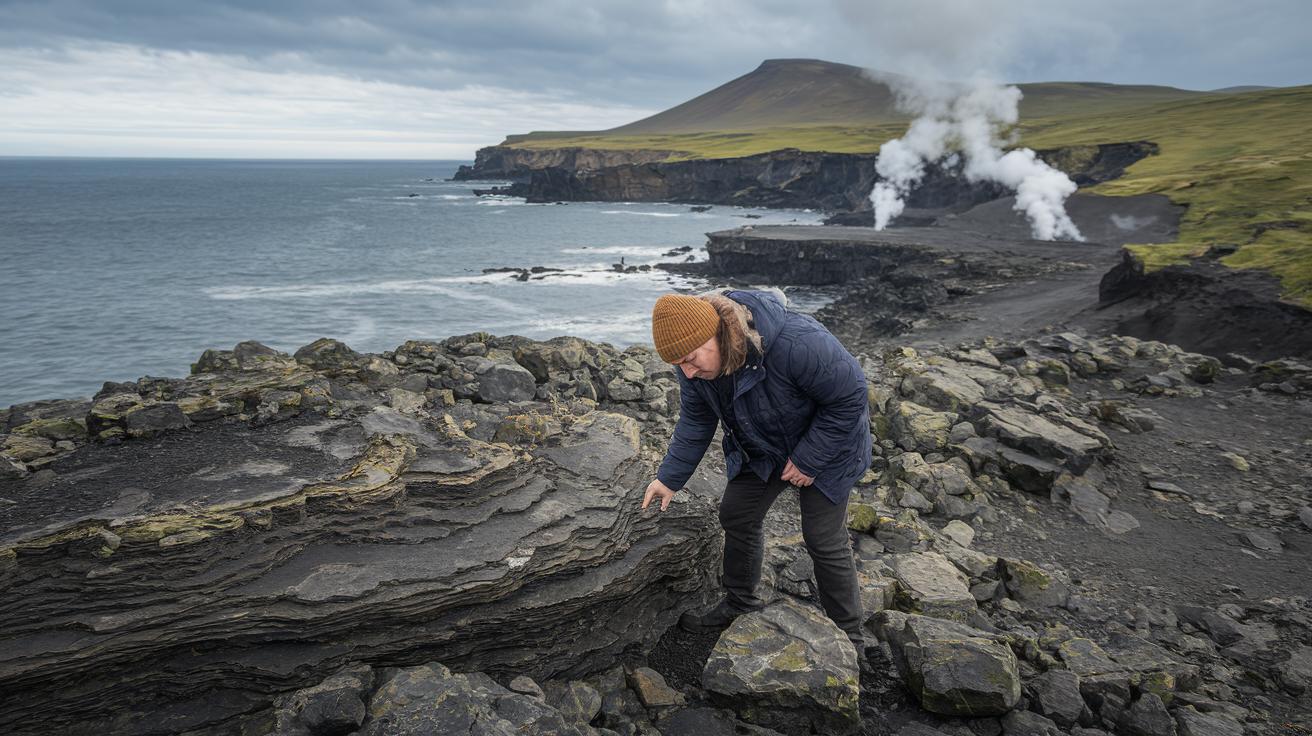
On the Reykjanes Peninsula, thousands of small earthquakes have been tracked since late 2023. These shakes show us how even tiny shifts in the earth can trigger larger events.
At places where two plates meet, one plate slides under another. This process can build mountain ranges and even start volcanic eruptions. Remember the Eyjafjallajökull eruption in 2010? It’s a vivid reminder of just how powerful these movements can be.
Over millions of years, the slow drift of plates reshapes entire continents and ocean floors. It’s a bit like slowly moving pieces of a giant puzzle, small changes now can lead to big results later.
Final Words
In the action of understanding earth plates definition, we walked through how these giant slabs shape our world. We examined their structure, from the thin crust to the upper mantle, and saw how movements lead to earthquakes and mountain building.
We also noted how plate interactions explain many of Earth’s dramatic events. It’s exciting to realize that science helps us see everyday Earth processes in a whole new light. Let's keep that curiosity alive and appreciate our ever-changing planet.
FAQ
What is a simple definition of earth plates and plate tectonics?
A simple definition is that earth plates are huge slabs of rock forming Earth’s crust and upper mantle. Plate tectonics refers to their slow movement over a semi-fluid layer that drives earthquakes and other natural events.
What does tectonic plates movement mean?
Tectonic plates movement means these massive rock slabs slowly drift over a softer layer beneath them, which leads to earthquakes, volcanic activity, and the building of mountains.
What does a tectonic plates map show?
A tectonic plates map displays the outlines and boundaries of Earth’s plates, highlighting where they meet and interact, which helps explain areas of earthquakes and volcanoes.
How many tectonic plates are there and where are they located?
There are about 15 major plates along with several smaller ones. They cover both continental and oceanic regions, shaping the features of our planet’s surface.
What are the 7 major plates of Earth?
The 7 major plates usually include the North American, South American, Eurasian, African, Australian, Antarctic, and Pacific plates. These plates are responsible for much of Earth’s geological activity and shape its continents.
What is a plate boundary?
A plate boundary is the edge where two tectonic plates meet. These areas can see plates pulling apart, colliding, or sliding past one another, which often results in earthquakes or volcanic events.