
Have you ever wondered how a plane can fly so smoothly? It’s because of a neat design that depends on four basic forces: lift (the force that pushes the plane up), drag (the slowing force of the air), weight, and thrust (the push that moves the plane forward).
Think of it like a seesaw where every tiny tilt matters. Engineers carefully shape the wings and adjust the little parts that control the plane, all to keep the air moving steadily and to save on fuel. In simple terms, smart design helps planes fly better and use energy more wisely. Ready to see how clever design makes flying even smarter?
Core Aerodynamic Forces and Principles in Aerospace Design
When it comes to making airplanes fly, there are four main forces at play: weight, thrust, lift, and drag. Weight is simply how heavy the airplane is, while thrust is the force produced by the engine that pushes the plane forward. Lift happens when the wing’s curved shape makes the air move faster over the top than underneath it, which lowers the pressure above the wing and gives the plane an upward push, just like when you slip down a smoothly curved slide and feel a gentle lift at the end. This basic idea is at the heart of aerospace engineering.
Drag, on the other hand, comes from air rubbing against the airplane’s surface and the overall shape of the aircraft. Engineers use tools like pressure distribution mapping, which is a bit like looking at a map that shows where the air pressure is high or low, to find spots where the air might slow down or get choppy. By knowing where these areas are, they can design smoother surfaces that cut down on drag.
Another key part of flight is something called boundary layer transition analysis. Right next to the wing is a very thin layer of air that can flow smoothly (this is called laminar flow) or switch to a rougher, choppy motion (known as turbulent flow), especially when the plane flies fast or at sharp angles. Keeping this layer mostly smooth helps reduce friction, while a turbulent layer can add extra resistance. Engineers use careful shaping of the wing surfaces and special control parts to steer the airflow just the way they want it.
Speaking of control parts, the movable sections on the wing and tail, known as control surfaces, play a big role in balancing the pressure on an airplane. By adjusting these pieces, designers can fine-tune the airflow, which boosts efficiency, cuts drag, and helps the plane use less fuel.
Aerodynamic Design of Airfoils and Wing Configurations

Airfoils on wings, tails, and propeller blades use differences in air pressure to create lift and reduce drag. They work a bit like a bird's wing cutting through the air, where every curve and angle plays a role in lifting the aircraft while keeping it smooth and fast.
Most effective wings have a long, narrow shape. This design is known as a high aspect ratio, which means the wingspan is much longer than the chord (the distance from the leading edge to the trailing edge). A high aspect ratio helps cut drag and saves fuel, although it can make the plane less agile. Engineers carefully study these shapes to balance efficiency with ease of maneuvering.
Even a small tweak in the wing’s curve, or camber, can change how well the wing creates lift and beats drag. A tiny change might improve the smooth flow of air or, if not done right, could add unwanted resistance. Scientists use careful analysis to see how slight modifications affect the forces on the wing, helping them find just the right balance.
Designers also focus on the overall shape and twist of the wing to ensure every part works together for the best performance. They run wind tunnel experiments and computer simulations to fine-tune these details. Each step, from studying the wing’s shape to adjusting its design, is vital for creating aircraft that are both efficient and reliable.
Aerospace Boundary Layer Behavior and Flow Separation Control
The boundary layer is a narrow layer of air that hugs an aircraft wing. When a plane flies, this thin layer can change from a smooth flow (laminar flow, which feels very gentle like a soft slide) to a rough, choppy one (turbulent flow, where the air moves in a more disorderly way) as speeds increase or wing angles become steeper. The smooth laminar flow keeps friction low but can easily peel away from the surface, while the rough turbulent flow, though it creates more friction, tends to stick around longer and helps maintain stable lift.
One way to keep the air flowing smoothly over the wing is by designing the wing’s surface with careful curves, kind of like how a nicely shaped riverbed guides the water. Another trick is to gently adjust the wing’s angle using small control surfaces (like when you slightly tweak a car’s spoiler). A little deflection of an aileron can make a big difference in preventing the air from breaking away from the wing.
Engineers also look at tiny swirling motions in the air, known as vortices (small whirlwinds that can change the balance of lift and drag). By studying these unsteady eddies, they can refine techniques to delay stall and ensure the aircraft performs well even in tricky conditions.
CFD Simulation and Experimental Testing for Aerodynamic Validation
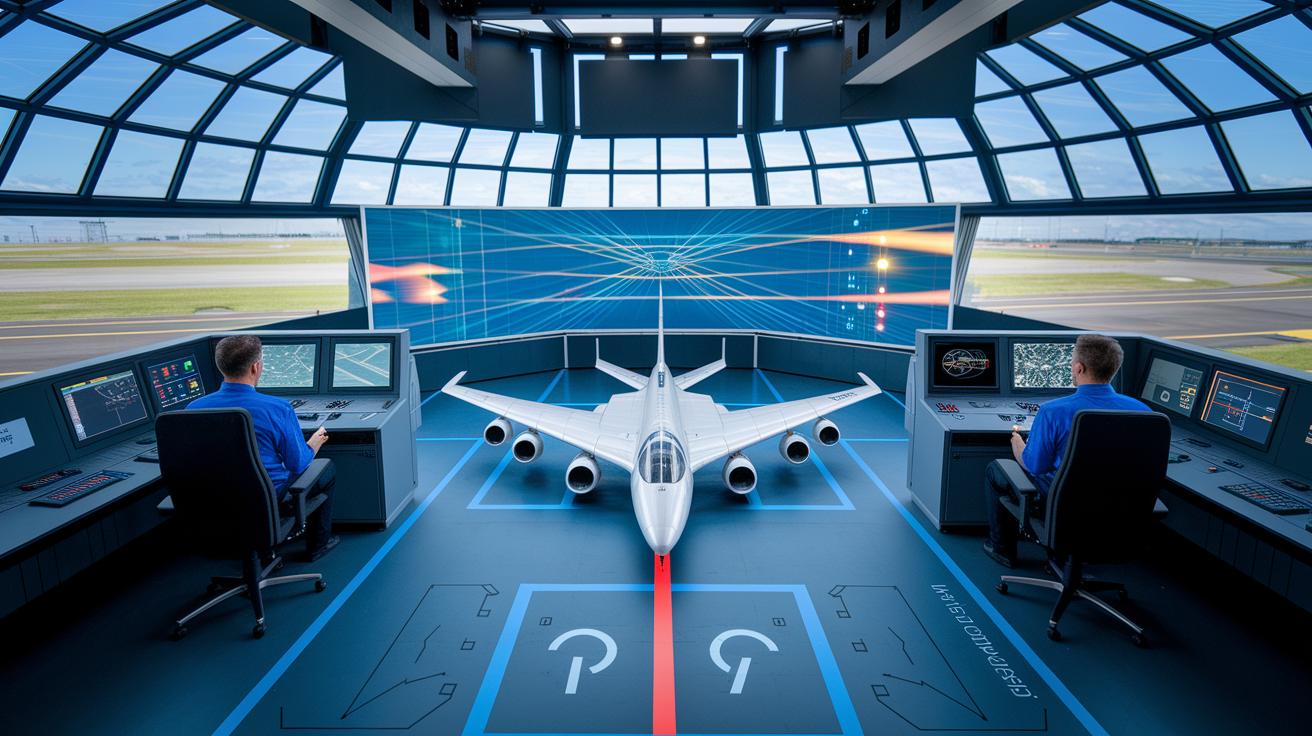
Computational Fluid Dynamics (CFD) is a technique that uses clever computer programs and a process called mesh generation (which means breaking a shape into many tiny pieces for analysis) to mimic how air flows around complicated aerospace designs. Imagine slicing a model into thousands of small parts to see how each one interacts with fast-moving air; this method helps engineers spot changes in pressure and airflow even before any real model is made.
Wind tunnel testing is another crucial step where scale models are put to the test in controlled wind conditions, varying both speeds and directions. Engineers use high-speed cameras and precise sensors to capture details like pressure distribution and airflow patterns. These real-world experiments often pick up on subtle effects that may be compared with what the CFD predicted, making sure the digital models really match up with what happens when wind hits a surface.
Flight testing adds one more layer of hands-on validation by gathering actual in-flight data, including airspeed, altitude, and control responses. Each flight test confirms and refines findings from both the CFD simulations and wind tunnel experiments. By blending all of these methods, engineers can fine-tune design details to achieve the best balance between lift and drag, ensuring the design not only works on paper but shines in real flight.
Drag Reduction Strategies and Streamlining in Aerospace Aerodynamics
When you look at an airplane, you might notice its smooth, sleek shape. This design helps calm bumpy air (turbulence) and smooths the way air flows over the aircraft. Engineers spend a lot of time perfecting these shapes so that air moves along in a neat and steady line. They add parts like fairings (curved covers) and shape the fuselage to guide the air, cutting down on the drag that slows the plane.
Wings also get a lot of attention. Simple tweaks, like giving them tapered tips or adding winglets (small fin-like structures), help lower the extra resistance that happens when air moves around the wing edges. There are also devices like flaps and slats that adjust the air flow near the wing (at lower speeds during takeoff and landing). These parts help lift the plane easier without adding too much extra drag.
It’s clear from real-world designs that when you shape the fuselage just right and refine the wing tips, the airplane flies more efficiently. In other words, these little changes add up to big improvements. They make the flight smoother and save fuel, while keeping the airplane balanced even in tricky conditions. Every small design tweak plays a crucial role in advancing how well our planes perform.
Aerodynamic Stability, Moments, and Control Principles in Design

When air moves over a plane, it creates pushes and pulls that make the aircraft twist or tilt. These twists, called moments (turning forces), decide if the plane tips up, rolls side to side, or turns around its vertical axis. When the forces balance just right, the airplane flies steadily. Have you ever been surprised that even small changes to the ailerons can stop unexpected airflow twists and keep the plane safe?
Engineers carefully measure these forces to decide how to shape each moving part. They run tests and use simple simulations to see how the plane behaves when wind or speed changes. This way, they make sure the moments stay balanced so the plane won’t suddenly turn or drift.
Another important step is looking at how small bends in the plane’s structure, like a wing gently flexing, change the airflow. Even a tiny bend can shift the pressure over the surface, causing changes in lift (the upward push) and drag (the force that slows you down). To get it just right, engineers mix computer models with real-world testing.
Control surfaces like elevators, ailerons, and rudders do more than follow the pilot’s commands. They act like quick helpers, reacting instantly to sudden wind shifts and keeping the flight smooth and steady.
Aerodynamic Shape Optimization Techniques in Aerospace Design
Wing design relies on small adjustments to the wing’s shape. Even tiny modifications to the airfoil, such as changing its camber (the curve), twist, or taper, can improve the lift-to-drag ratio (the balance between the upward force and air resistance) and boost overall efficiency. It’s a bit like tuning a musical instrument, just a small tweak can transform ordinary performance into something truly remarkable.
Engineers typically use a mix of computer simulations and wind tunnel tests in repeated design cycles. They use Computational Fluid Dynamics (a way to simulate how air flows over surfaces) along with wind tunnel findings to see how each tweak influences the airflow. Every cycle gives new information, much like adjusting a recipe until it tastes just right.
Sometimes, engineers also blend computer models with real-life experiments to achieve the best results. This hybrid method combines numerical models (math tools that predict physical behavior) with actual measurements, allowing designers to see how each parameter responds to different load conditions. For example, a small twist in the wing might significantly change the forces acting on it when the plane flies at various speeds.
By using these mixed approaches, engineers can ensure that every design change is not only efficient but also safe. Step-by-step refinements of wing details lead to airplanes that are more fuel-efficient and reliable, even under challenging flight conditions.
Final Words
In the action, we traced how forces like lift and drag shape flight and explore airfoil design for boosting lift while reducing drag. We examined boundary layer control, CFD simulations, and wind tunnel testing to refine these high-speed crafts. We also shone a light on stability challenges and shape tweaks that help balance performance. Embracing aerodynamic design principles in aerospace paves the way for smarter and efficient innovations. The insights shared here make it clear that science and engineering work hand in hand to push the limits of flight.
FAQ
What is aerodynamics in aircraft?
The aerodynamics in aircraft explains how air moves over and around a plane, affecting forces like lift and drag, which are key to keeping a plane steady and in the sky.
What are aerodynamic principles?
The aerodynamic principles refer to the core forces—lift, drag, thrust, and weight—that interact to determine how a plane flies and responds to air movement.
What is a Basic Aerodynamics PDF?
The basic aerodynamics PDF is a document that summarizes key airflow concepts and forces applied in design, making it a handy guide for students and enthusiasts.
What is meant by aerodynamic shape?
The aerodynamic shape is the design of an object that reduces air resistance and turbulence, helping both aircraft and cars move more efficiently through the air.
What is an Aerodynamics of Flight PDF?
The aerodynamics of flight PDF details how various airflow principles, like pressure differences and Bernoulli’s principle, work together to support smooth and efficient flight.
How does aerodynamics apply in cars?
The aerodynamics in cars focuses on shaping vehicles to minimize drag, which enhances fuel efficiency and stability by ensuring smoother airflow over the car’s surface.
What is aerodynamics physics?
The aerodynamics physics involves studying how air interacts with solid objects using principles such as Bernoulli’s principle to explain and improve the performance of vehicles and aircraft.
What are the four principles of aerodynamics?
The four principles of aerodynamics include lift, drag, thrust, and weight, each playing an essential role in how a vehicle or aircraft achieves and maintains flight.