
Have you ever marveled at how modern airplanes can be so light yet super tough? It's all thanks to advanced composite materials that are changing how we build these flying machines. Today, materials like Carbon Fiber Reinforced Polymers (a mix of tiny carbon fibers in a strong plastic) make up nearly half of many airplane parts. They help lower the weight, save fuel, and allow for smoother, sleeker designs. This clever switch not only cuts costs but also boosts performance, setting a new standard for efficiency and safety in the skies.
Performance Advantages of Composite Materials in Aerospace Design
Advanced composite materials are changing how we build airplanes. Thanks to very strong yet light materials like CFRPs (Carbon Fiber Reinforced Polymers, which make things both tough and light), nearly half of today’s airframes include them now. Planes such as the Airbus A350 and Boeing 787 Dreamliner save almost 30% of their weight compared to older aluminum designs. This means they use fuel more wisely and perform better in the sky.
These materials also help airplanes save up to 20% on fuel for many trips. New lightweight reinforcements let engineers use fewer parts while giving aircraft smooth, streamlined shapes. With the help of high modulus polymers (stiff materials) and next-generation laminate systems, designers can get performance just right without adding extra weight.
The main benefits include:
- Lower weight per square meter of wing surface
- Improved fuel efficiency on various missions
- Aerodynamic shapes that help reduce drag
- Fewer instances of fatigue cracks starting
- Longer time between maintenance checks
By putting these materials to work, designers create airframes that use energy better and cost less to run. Lighter airplanes burn less fuel and help cut operating costs. Plus, their sleek designs lower drag so they can cruise faster and more efficiently. Fewer maintenance needs and slower crack formation also mean the aircraft can stay in service longer. Overall, using composite materials is pushing the boundaries of technology while making air travel more economical and efficient.
Key Components and Material Properties of Aerospace Composites
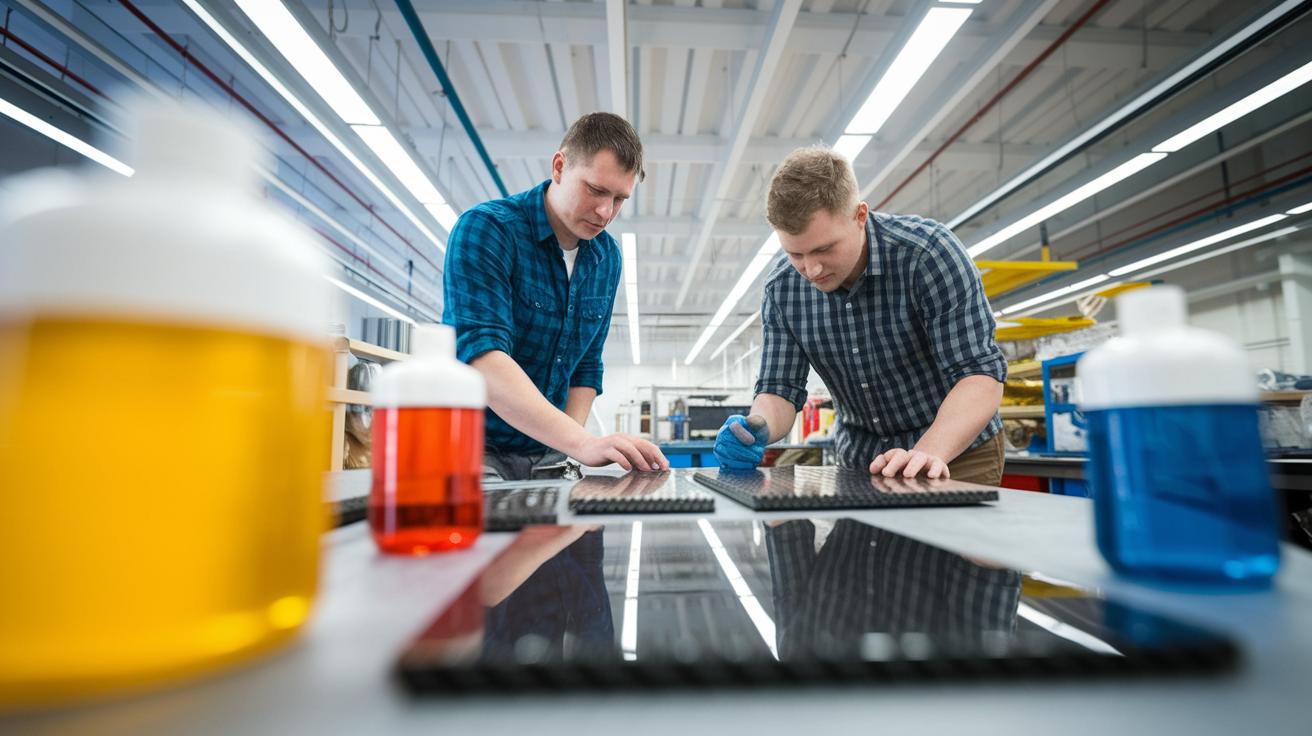
When it comes to aerospace composites, strong fibers and special resin binders work hand in hand. In an aircraft, fibers like carbon, aramid, and glass give the structure its strength and endurance, while resins such as epoxy, phenolic, and thermoplastics like PEEK and PEKK help spread out the load and shield the assembly from tough conditions. Prepreg systems, which are fibers already soaked in resin, ensure that the resin spreads evenly and every layer is consistent. This careful mix lets the material be adjusted perfectly to meet strict performance needs and boost fiber reinforcement.
| Component | Key Characteristics |
|---|---|
| Carbon Fiber | High stiffness and good fatigue life |
| Aramid Fiber | Excellent impact resistance |
| Epoxy Resin | Easy to work with and stable after curing |
| Thermoplastic Resin | Can be quickly reheated and reshaped |
| Nanomaterials | Boost strength and improve conductivity |
Engineers also check these materials with tests for how well they handle high temperatures and repetitive loads. In recent years, adding tiny particles like carbon nanotubes or graphene has boosted tensile strength by around 15% and improved heat flow. In real-world terms, these advances mean that the materials stay strong under long periods of stress and extreme heat, which is crucial for modern aircraft.
Additional tests for corrosion and impact absorption are key to making sure these composites stay safe and last a long time. Mixing the right fibers with the right resins helps reduce damage from weather and flight impacts. These tests give us the confidence that composite panels will perform well even after millions of cycles in demanding environments.
Fabrication Techniques for Advanced Aerospace Composite Structures
When making parts for airplanes and other advanced vehicles, engineers use several trusted methods. One common way is to cure prepregs (materials already combined with resin) in an autoclave, where heat and pressure work together to create really high-quality pieces. Another method, called out-of-autoclave (OOA) layup, lets technicians work in a more flexible environment. Then there's resin transfer molding (RTM), where resin is forced into a mold to produce parts quickly and reliably. Each of these techniques has been the go-to approach for years because they help achieve the consistency needed for top-notch aerospace materials.
A newer method that’s turning heads is additive layer fabrication. This process builds parts one layer at a time, which is perfect for tackling complex shapes that older methods might struggle with. Have you ever seen a 3D printed part with continuous fibers being added smoothly? It’s amazing how each layer can be customized to match very intricate designs. This approach isn’t just cool, it also pushes the boundaries of what’s possible for future aerospace innovations.
Lean fabrication techniques are also making a big difference. By streamlining production, these methods cut down cycle times by about 20–30% and reduce material waste by roughly 15%. Imagine saving time and materials simultaneously! This efficient way of working not only lowers costs but also helps the environment by reducing scrap. It’s a win-win that shows how smart planning can change the game.
Finally, the rise of Industry 4.0 is reshaping how composite structures are built. This modern approach uses robotics, automated fiber placement (AFP, where robots carefully position fibers), and other high-speed production tools to keep quality in check. With automated processes managing everything from curing to assembly, manufacturers can build complex aerospace parts with great accuracy and consistency. It’s a whole new era where cutting-edge technology meets traditional craftsmanship, ensuring each piece is ready to handle the challenges of flight.
Design and Structural Integration of Composite Materials in Aircraft
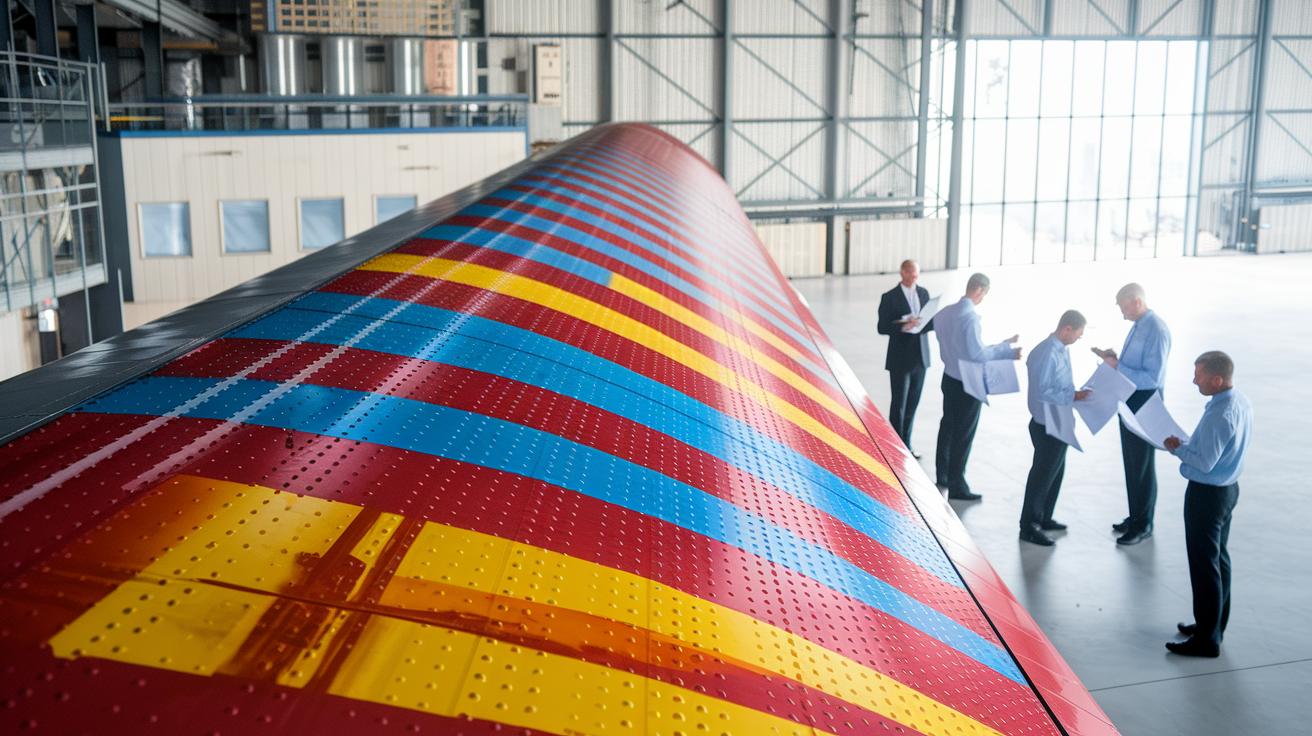
When designing aircraft with composite materials, engineers carefully arrange layers of fibers and use fresh bonding techniques to manage stiffness and direct how loads are carried. They pick the right layer order to bring just the right mix of flexibility and strength where it really counts. Instead of older methods like bolts or screws, they use bonded and co-cured joints to ease stress points and make smoother transitions between parts.
Modern design gets a big boost from computer tools like digital simulation, finite element analysis (FEA) (a way to see how forces affect a structure) and computational fluid dynamics (CFD) (tools that predict how air moves around an object). With these tools, designers can try out different stacking patterns and bonding methods in a virtual space before building the real thing. This lets them see how loads spread out and how air flows, so each tweak makes the whole design work better.
| Key Best Practices |
|---|
| Controlled fiber orientation for main load paths |
| Choosing between co-curing and secondary bonding methods |
| Providing access for non-destructive inspections |
| Building in features for damage tolerance and crack arrest |
| Designing joints to allow for modular replacement |
| Ensuring certification meets composite standards |
These practices ensure every part of the composite structure works together smoothly. The smart mix of stacking and bonding creates a sturdy frame that lives up to high performance demands.
At a larger scale, integrating different specialties is key to balancing performance and reliability. Teams from design, testing, and certification come together to meet the strict standards of aerospace engineering. For a deeper look into this whole process, check out what is aerospace engineering.
Case Studies: Airbus A350 and Boeing 787 Composite Airframes
The Airbus A350 uses about 70% composite materials (materials made by combining two or more different substances to form a strong, light structure) to cut down on its weight by roughly 4 to 6 tons. This clever use of composites lets engineers fine-tune the wings for better airflow, which helps the plane fly smoother and lighter. The fuselage, or main body, is built with new ideas that make it both light and tough enough to handle rough conditions. Even the engine covers, known as nacelles (the protective pods around the engines), use advanced composites to cut down on noise and keep heat in check, improving both the plane’s performance and the comfort of the passengers.
The Boeing 787 takes a different route with its smart design of fuselage panels. These panels let the plane have bigger windows and ease the pressure on the cabin during flight, making the whole flying experience more pleasant and easier on maintenance. The use of composite materials here supports new systems in the airframe, which means the plane stays reliable over many, many flights. Also, just like on the A350, the Boeing 787 features composite nacelles that help manage engine heat and lower noise levels effectively.
For more aerospace engineering facts and design milestones, check out this link: https://buzzyandclever.com?p=1724.
Emerging Trends and Challenges in Aerospace Composite Development

Smart composite technology is changing the way we build airplanes by putting little sensors inside the materials. These sensors let engineers check how the parts are doing while the plane is flying. With a digital twin (a live, virtual copy of the part) and tools that predict when repairs are needed, we can catch small problems like tiny cracks early. This smart monitoring helps keep flights safe by fixing issues before they grow into big trouble.
New designs like advanced 3D woven composites and thermoplastic resins are also making a splash. 3D woven composites use fibers woven tightly together to form parts that handle damage better. Thermoplastic resins let engineers heat and reshape parts quickly. These materials do more than just carry weight – they also absorb shocks and bounce back if they get hit. It’s like using a material that works hard and can rebound when needed.
Today, being green is a big part of how aerospace is changing. The industry is working on using recycled plastics and reducing waste to keep materials from piling up in landfills. Designers now plan for the entire life of a material, from how it’s made to how it’s disposed of. By using cleaner ways to build, manufacturers cut waste, lower costs, and make aviation more eco-friendly – all without hurting the high performance we expect.
Final Words
In the action of moving from detailed performance stats to real-world aircraft examples, we saw how composite materials boost fuel efficiency, reduce weight, and cut maintenance. The discussion swept through material properties, manufacturing techniques, and even digital simulations driving smarter design. This comprehensive look highlights the value of advanced composite materials in aerospace design, making today’s airframes leaner, faster, and more efficient. It’s exciting to consider the role these innovations will play in making future flights even smoother.