
Have you ever wondered how oil ends up deep under our feet? Picture ancient oceans buzzing with tiny creatures whose remains mixed with sand and rock.
Over countless years, these layers were slowly squeezed and warmed up by the earth’s heat until they transformed into what we now call crude oil. It’s a gradual process where nature works its magic, turning bits of once-living things into a resource we still rely on today.
This natural marvel not only fuels our world but also gives us clues about Earth’s early history. In this article, we take a friendly look at the journey from ancient life to the valuable oil that keeps our modern world running.
Fundamentals of Petroleum Formation in Earth’s Subsurface
Imagine this: deep under our feet, the remains of ancient sea life slowly turned into the fuel that keeps our world running. Long ago, tiny living things in the ocean such as phytoplankton (microscopic plants) and zooplankton (little animals) swam in ancient seas. When they died, their bodies sank to the bottom, mixing with sand and rock. Over time, layers built up on top, pressing them into a tight, heated space that set the scene for a slow chemical change.
At first, a process called diagenesis began. In this step, bacteria and minerals teamed up to turn the decaying remains into kerogen (a waxy substance). Think of it like a gentle cooking process where raw ingredients slowly come together to create something new. It reminds me of how simple things can transform into something really useful.
As more kerogen formed and the sediments piled up to about 2,000 meters deep, the temperature rose to around 100°C. This change marked the start of what we call the oil window. Here, the heat broke down the kerogen into liquid and gas forms. This next stage, known as catagenesis, created the crude oil and natural gas that later filled tiny pockets in the rock.
Over time, these fluids moved through the rock layers, filling small spaces until they were trapped. That’s the spot where oil reservoirs were born, places we tap into today. It’s pretty amazing when you think about it: from the life and death of the tiniest ocean creatures to the formation of fossil fuels, nature has a way of turning old life into something that powers our modern world.
Ancient Sedimentary Processes Behind Oil Genesis
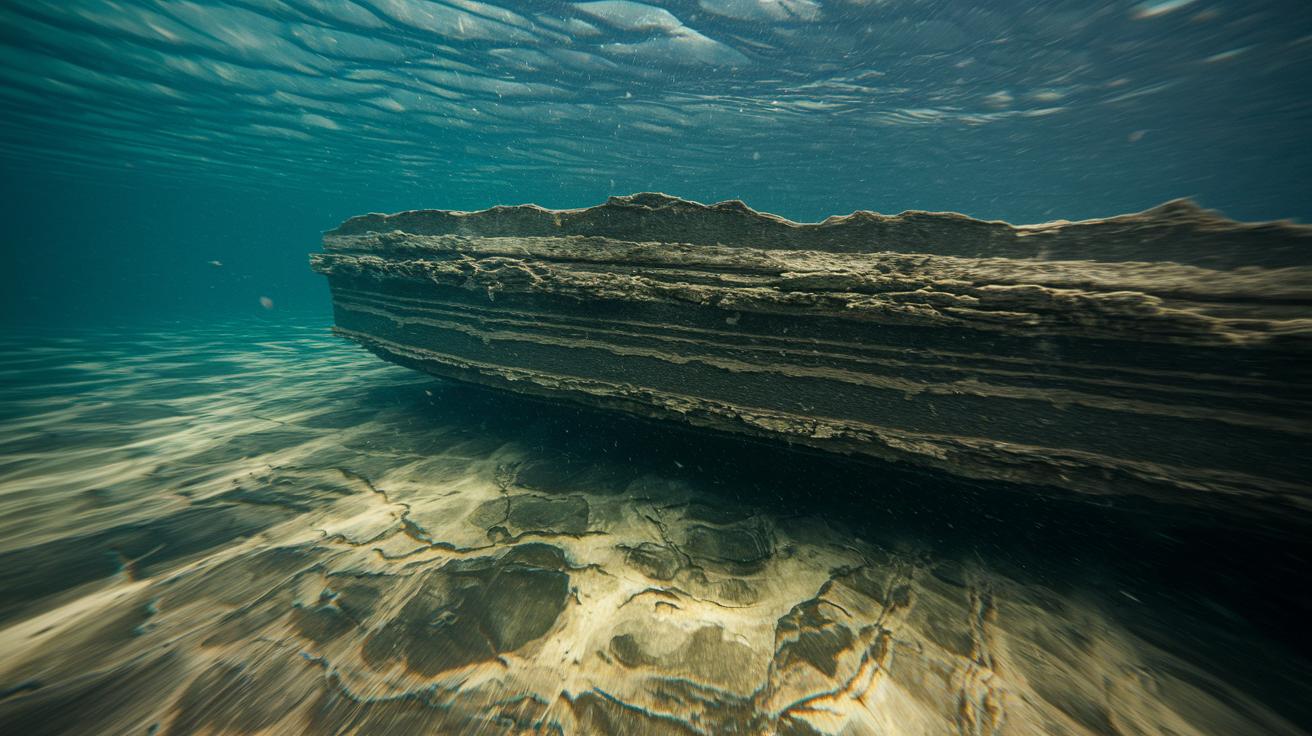
Long ago in ancient seas, tiny organisms such as plankton and algae died and sank to the ocean floor where there was little oxygen. The dark and still waters helped them decay slowly. Their remains mixed with fine dirt, starting the process that would eventually form oil. Imagine stacking pages in a book so that each one stays in place even when heavy layers are added on top.
Over time, layers of sand, silt, and clay built up on these organic materials, keeping them safe from oxygen and letting important chemical changes begin. As more sediment piled on, the pressure from these layers (called lithostatic pressure, which is the force from the weight of the material above) gently nudged the decaying matter into a new form. Picture a secret lab hidden under the Earth where every added layer softly guides the transformation of what lies beneath.
For millions of years, small reactions between minerals and tiny differences in the sediment helped turn the organic material into rocks that would later serve as the source for oil. Sometimes, the mix of sediments created special conditions that changed this process in different parts of the ancient seas.
Did you know that even a tiny speck of decayed sea life, buried under layers of dirt, played a key role in creating the energy reserves we depend on today?
Diagenesis in Geology: Kerogen Development
When organic matter gets buried under a bit of pressure and at temperatures lower than 50°C, it slowly changes into something called kerogen, thanks to bacteria and the minerals around it. This waxy substance later breaks down further to form hydrocarbons, which are the fuels we use every day.
Kerogen comes in different types, usually based on where it started. Type I is mostly made from marine algae, Type II is a mix of materials from both the sea and the land, and Type III comes mainly from land plants. Imagine a scientist saying, "When temperatures remain below 50°C, slow chemical reactions turn decaying marine material into Type I kerogen , just like ingredients softly melding in a simmering stew."
Over millions of years, these gradual changes create a steady base that sets the stage for the heat-driven process that finally produces hydrocarbons.
Thermal Maturation Stages and Hydrocarbon Generation
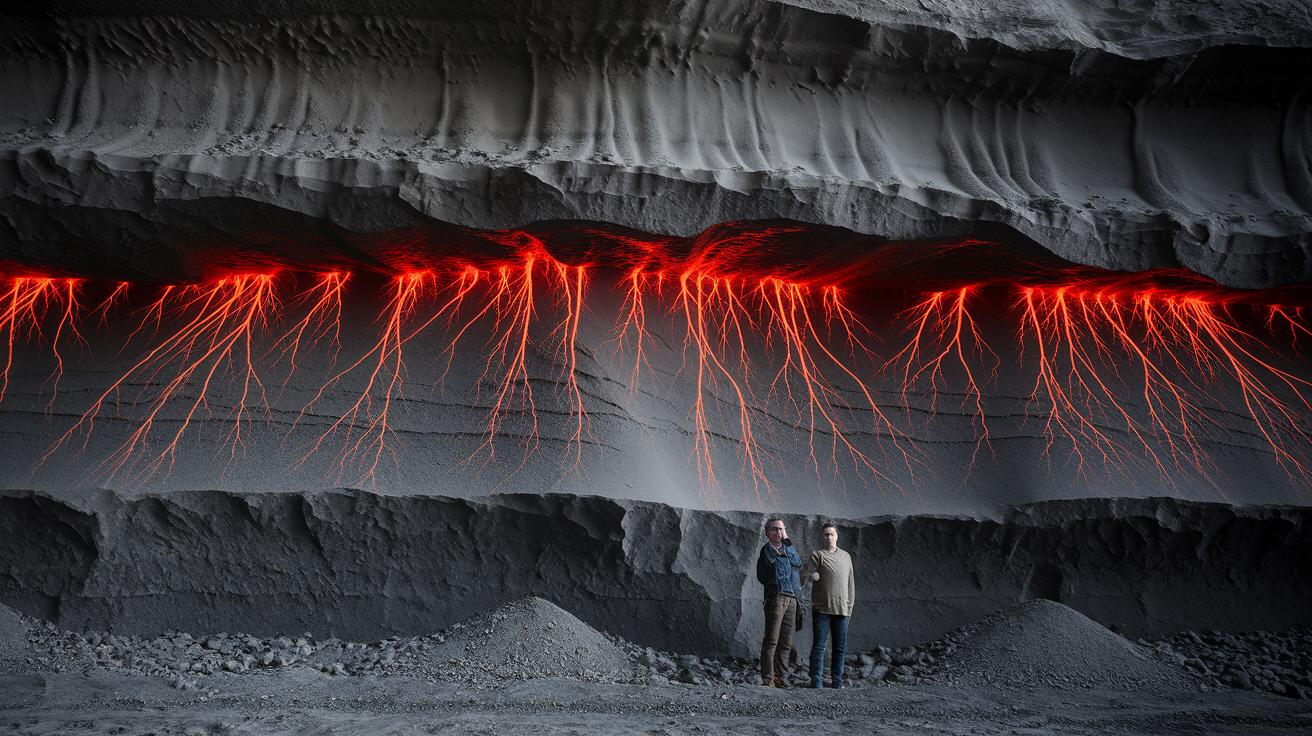
Deep below the Earth, when layers of sediment build up more than 2,000 meters deep, the heat starts to rise to about 100°C. At this point, a process called catagenesis begins. In simple terms, catagenesis is nature’s way of breaking down kerogen (a waxy substance formed from ancient organic material) into oil and gas. Did you know that at 2,000 meters, the Earth’s natural warmth sets off a chain reaction turning simple organic matter into a rich mix of oil and gas?
In this thermal maturation stage, heat slowly transforms the material in stages. First, during the incipient phase, small changes slowly start over millions of years. Next comes primary catagenesis, where the reactions speed up. Oil production peaks when temperatures are between 100°C and 150°C. As the heat climbs within this range, it breaks down the kerogen even further, making both oil and gas. When it goes above this temperature, the process produces even more gas than oil.
It’s pretty amazing to think that these changes can take several million or even tens of millions of years, depending on the area. The journey from simple marine sediments to useful hydrocarbons relies on a careful mix of temperature, pressure, and time. Much like a slow-cooked meal, every step carefully transforms ancient organic matter into the fuels we use today.
Migration, Trapping, and Accumulation of Crude Hydrocarbon
Deep underground, rising pressure pushes oil and gas out of their source rocks. They begin to travel upward through porous rock layers, almost like water seeping through a sponge's tiny holes.
Along the way, these fluids run into rock layers that are too tight for them to break through. Think of these cap rocks as a lid on a boiling pot that keeps everything inside. Often, natural features like arching rock layers (anticlines) or cracks (faults) form perfect pockets to gather the oil. Sometimes, shifts in rock types create special zones where oil collects into useful reserves.
In some spots, if the cap rock develops cracks or the traps don’t hold, oil might slowly leak toward the surface. This slow, intricate process, driven by pressure, heat, and rock over millions of years, is how we ended up with the oil deposits that power our world. Isn't it fascinating how nature's gentle forces combine in such an unpredictable dance to give us energy?
Geological Time Scales and Continuity of Oil Formation
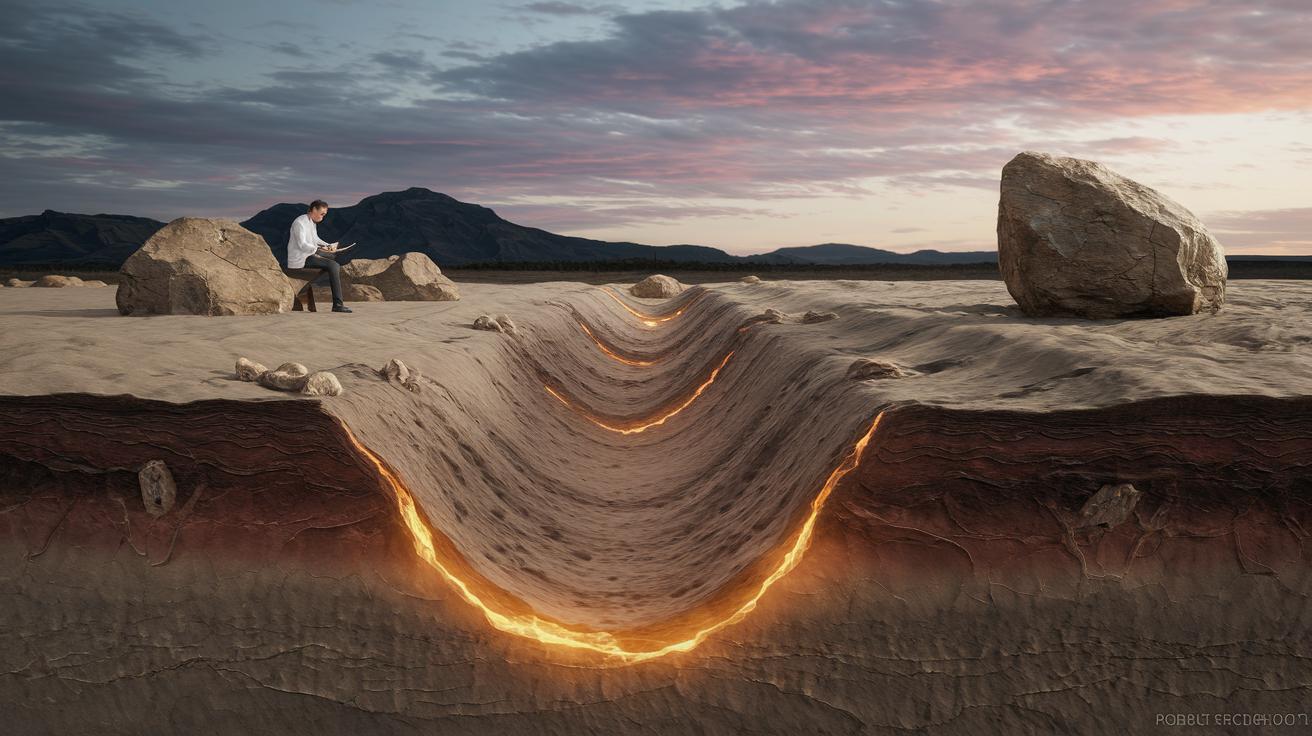
Oil has been forming for more than one billion years through a slow, natural process. Think of it as nature carefully building up a hidden energy reserve over countless ages. Tiny organic bits, changed by bacteria and squeezed by layers of sediment, have been transformed into oil over many, many years. You can see hints of this process in rock layers all over the world, tying these ancient changes to today's oil deposits.
The way oil slowly builds up is like watching layers of leaves pile up on the forest floor over many seasons. But human use happens much more quickly. In fact, experts believe that at our current rate of use, we might only have around 40 to 50 years of oil left.
This huge difference in pace makes you wonder: how can we balance our fast energy needs with the slow, steady way nature forms oil? It’s a reminder that while our Earth takes its sweet time to create oil, we are using it at a breakneck speed.
Final Words
In the action, we explored how ancient organisms turned into organic matter and how slow geological processes changed them deep in the earth. The article walked through the transformation from buried biomass to kerogen and later oil through thermal changes. It also showed the migration into pools that we now tap as vital resources. All these stages work together to answer how was oil formed in the earth, sparking awe and further curiosity about nature's slow and steady craft.
FAQ
How is petroleum formed?
The petroleum formation starts when ancient microscopic marine organisms die and accumulate on the ocean floor. Buried under sediment, they transform over millions of years through heat and pressure into oil and natural gas.
How is natural gas formed?
The natural gas formation follows a process where buried organic matter is heated and cracks into lighter hydrocarbons. Higher temperatures usually favor gas over oil during the thermal stages.
How is oil extracted?
The oil extraction process begins by drilling into underground rock formations where oil has gathered. Once reached, oil is brought to the surface, often aided by natural pressure or pumping systems.
How is oil formed step by step and how is it formed in simple terms?
The formation starts with dead marine organisms settling on the sea floor. Over time, they’re buried, converted into a waxy material called kerogen, then cracked by heat into oil and gas, and finally migrate into traps underground.
Does oil come from dinosaurs?
The oil formation actually comes from ancient microscopic plants and animals, not from dinosaurs. Dinosaurs had little role since oil mostly originates from oceanic plankton and similar organisms.
How was oil discovered?
The discovery of oil happened when natural seepage showed oil on the surface. Early observers used these clues to drill and find vast underground reservoirs that led to modern extraction practices.
Where is oil found?
Oil is typically found in underground reservoirs within porous rock layers. These formations are common in sedimentary basins where ancient organic remains were buried and transformed over time.
How many years of oil is left?
Current studies suggest that if extraction continues at today’s rates, around 40 to 50 years of oil reserves remain. This is because natural oil formation occurs very slowly over geological time.
How did oil get so deep in the Earth?
The oil moves deep underground as pressure forces it upward from its source rock until it meets impermeable layers. This migration, combined with ongoing burial, places oil deep within Earth’s crust.
Is oil still being made naturally?
Oil continues to form naturally through the slow transformation of buried organic matter. However, this ongoing process takes millions of years and cannot keep up with the speed of modern oil consumption.
Why can’t the US produce its own oil?
The US does have oil reserves, but factors like complex geology, extraction costs, and regulatory or environmental concerns limit self-sufficiency. Production levels rely on the balance of natural conditions and economic viability.