
Ever thought that eco-friendly airplane design might sound too perfect to be true? Imagine if every flight not only brought people to their destinations but also helped clean up the air. Today, engineers are reimagining how planes work by using cleaner fuels and lighter materials (substances that make airplanes easier to fly). Since airplanes cause about 2-3% of the world’s CO₂ emissions, these fresh ideas could make a real difference for both passengers and our planet. This article takes you through how green advancements in aviation are paving the way for cleaner, more sustainable air travel.
Comprehensive Overview of Sustainable Aerospace Design Innovations
Sustainable aerospace design innovations are all about building planes in a way that protects our planet while still delivering great performance. Basically, the industry is rethinking how it builds aircraft to use less energy and fewer resources, which is really important since airplanes make up around 2 to 3% of global CO₂ emissions. Have you ever wondered why old airplanes burned so much fuel? Before these eco-friendly changes, designers didn’t worry much about environmental costs, leading to higher fuel use and more emissions.
A big part of this change comes from sustainable aviation fuels (SAFs). These fuels, made from stuff like waste oils and leftovers from farming (think of these as recycled fuel ingredients), can cut greenhouse gases by as much as 80% over the fuel’s lifetime. It’s kind of like having a superhero fuel that not only powers our jets but also helps clean up the air. As a result, engineers and innovators are working hard to use greener technologies in how planes are designed, built, and maintained.
Eco-friendly engineering is quickly becoming the new normal in the aerospace world. By mixing in advanced materials and smarter fuel choices, the industry is on a mission to trim down the carbon footprint without sacrificing the quality or reliability of flight. New techniques and cutting-edge technology are showing real promise in keeping flights both efficient and kind to our environment, paving the way for a future where cleaner skies are within reach.
Advanced Composite Materials and Lightweight Structures in Sustainable Aerospace Design Innovations
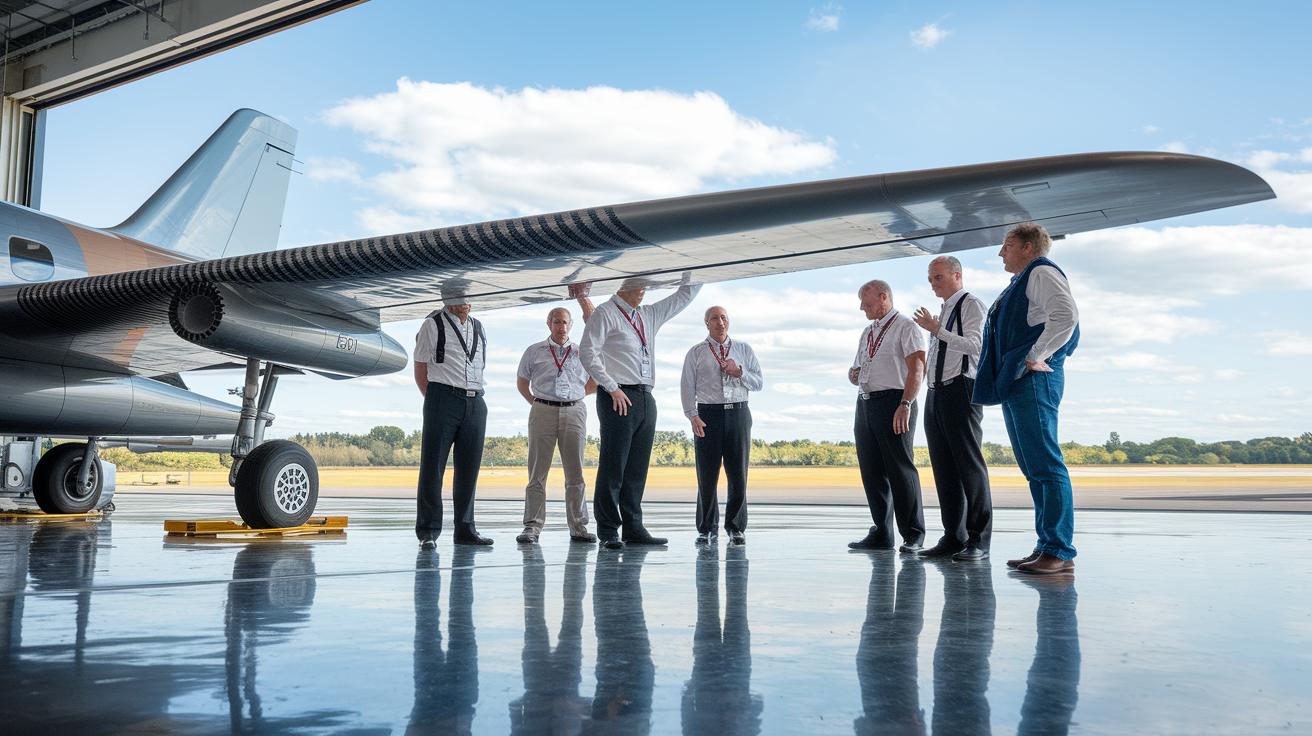
Today, breakthrough materials are changing how we fly. They make airplanes lighter and stronger, letting us cut down extra weight without cutting corners on safety. For example, engineers now use carbon fiber-reinforced plastics (super strong and light), titanium alloys (metals that resist rust and wear), and new 3D printing techniques (making parts layer by layer) to build better airframes.
These clever improvements do more than just boost performance. They help airplanes use less fuel and release fewer emissions, which is great for our planet.
| Material | Key Benefit | Typical Application |
|---|---|---|
| Carbon Fiber-Reinforced Plastics | Amazing strength with less weight | Wings and fuselage sections |
| Titanium Alloys | High resistance to rust and fatigue | Engine frames and areas under heavy stress |
| 3D Printing | Makes precise parts with minimal waste | Complex components that are hard to build by conventional methods |
Airplane makers love these innovations because they help create parts that need less material and energy but still last longer. With 3D printing, for example, intricate shapes are made with hardly any waste, and every piece maintains a consistent quality even in big production runs. This smart, efficient approach saves money and cuts down on environmental impact throughout an aircraft’s lifecycle.
In short, combining these new materials with modern techniques is opening doors to lighter, tougher, and greener aircraft designs.
Green Propulsion Systems Driving Eco-Friendly Aircraft Development
New fuels made from waste and crops are changing how we power airplanes. These fuels cut total greenhouse gases (gases that warm the earth) by up to 80%. Imagine boarding a flight knowing its fuel is cleaning our air instead of adding harmful emissions. It’s like giving the planet a much-needed break.
Regional airplanes are also stepping up with hybrid engines. Early tests that mix regular turbines with electric power have saved 10% to 15% on fuel. It's a bit like having a car that smoothly switches between gas and electric power, making each trip more efficient and cleaner for our skies.
Scientists are making cool progress with fuel cell technology for flight. Hydrogen fuel cells (devices that turn hydrogen into energy without releasing carbon) are being improved, and they might lead to flights with no emissions at all by the early 2030s. In simpler terms, swapping part of a plane’s engine for a battery-like system that runs on hydrogen could make air travel cleaner than ever.
Aerodynamic Optimization Techniques in Sustainable Aerospace Design Innovations
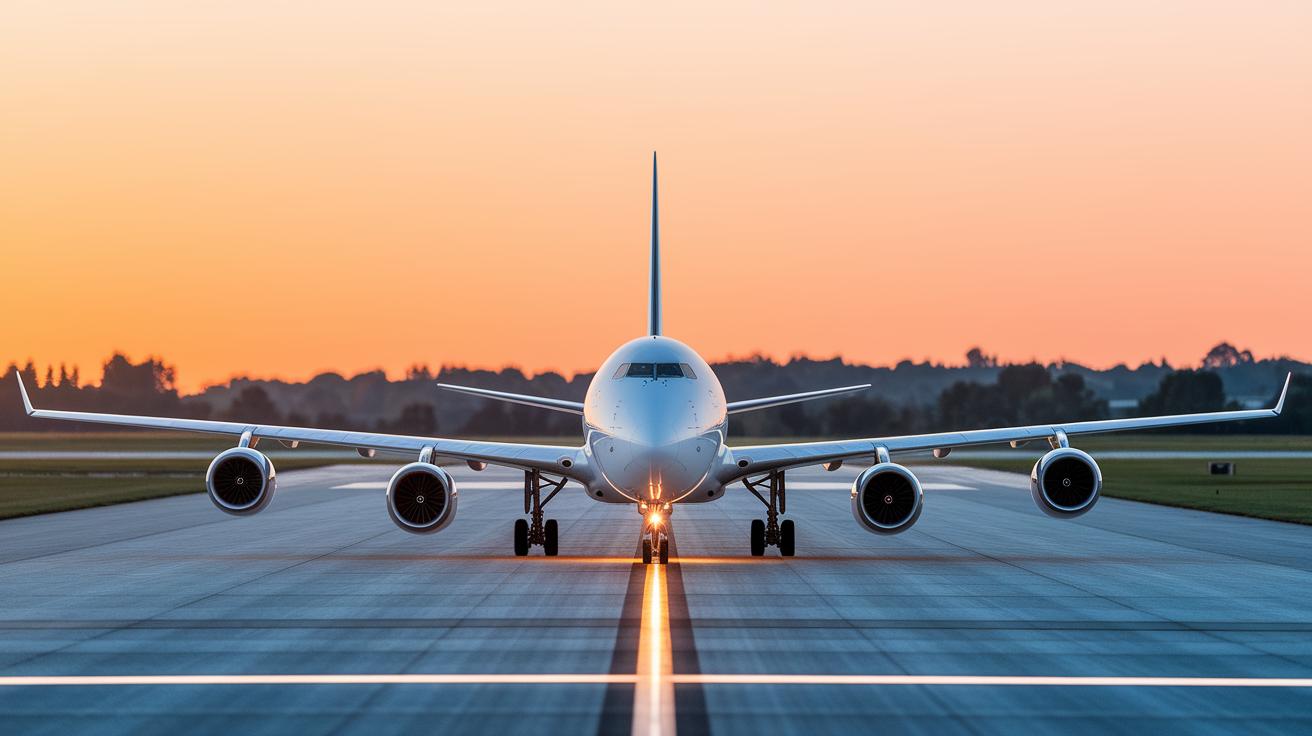
Reducing drag is really important when making greener airplanes because less drag means they use less fuel and produce fewer emissions. When a plane flies through calm, smooth air, it doesn’t have to work as hard to move forward. Engineers use tools like advanced aerodynamic modeling and computational fluid dynamics (a method that uses computers to simulate how air flows) to adjust shapes and surfaces for the best performance. They even use digital twin simulation (a digital model of the whole aircraft) to virtually test designs, cutting down testing time by almost 40%. This smart approach speeds up improvements while keeping the focus on eco-friendly progress.
- Winglet and wingtip device fixes lower the swirling air that pushes back on the plane.
- Laminar-flow control surfaces help keep the air moving smoothly over the wings.
- Morphing-wing technology changes the wing shape in real time so it always performs best during flight.
- AI-enhanced CFD simulations give quick feedback on how to reduce drag, using artificial intelligence to refine designs.
- Digital twin loops for the whole aircraft let engineers fine-tune every part for better efficiency.
By using these techniques, designers can lower fuel use by about 5–7%, which means cleaner and more efficient flights. This blend of creative design and smart computer modeling helps save money and reduce the carbon footprint, showing that progress in technology and care for the environment can go hand in hand.
Energy-Efficient Cockpit Configurations and Onboard Systems for Sustainable Aerospace Design Innovations
Modern cockpits are turning into smart energy centers that cut down on power use while creating a calm and quiet working space. LED lights (energy-saving bulbs) and modern digital systems help reduce the cockpit’s energy needs by about 15–20%, making each component work more efficiently and last longer. Noise reduction features like active noise control and special engine covers help keep sounds low around busy airports, which is great for the people living nearby. Imagine entering a cockpit where something as simple as LED lighting does double duty by brightening the area and saving power, sort of like swapping a regular bulb for one that uses less energy at home.
Engineers aren’t stopping inside the cockpit either. They’re using energy recovery systems that capture energy lost during flight. For example, braking systems on the landing gear can recover up to 5% of the energy from a plane’s motion and feed it back into the systems onboard. At the same time, built-in technologies to reduce pollutant emissions work hand in hand with these energy-saving ideas, making flights kinder to the environment.
Circular Economy and Eco-Design Methodologies in Sustainable Aerospace Design Innovations
Recyclable Material Applications
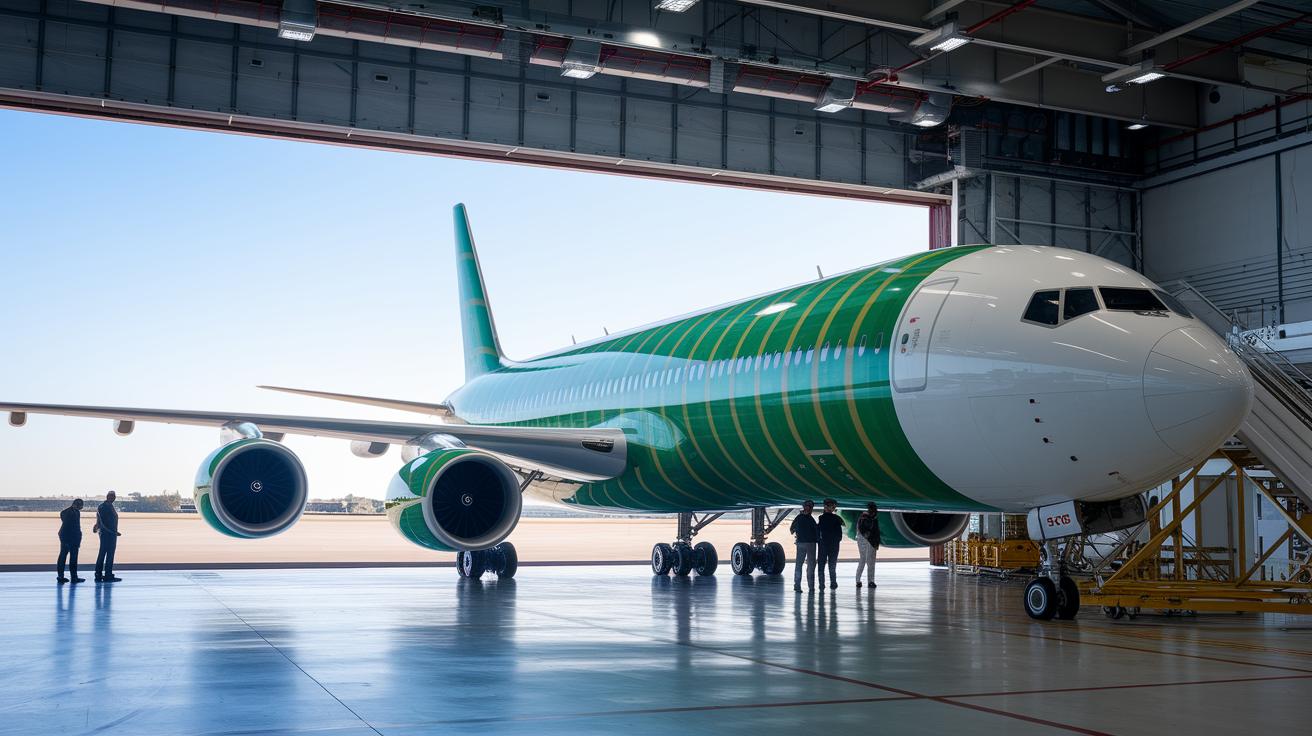
Bio-based polymer composites (plastics made from natural materials instead of oil) are transforming airplane manufacturing. Instead of using petroleum plastics, makers are now using greener, recyclable composites for key parts like fuselages and wings. These innovative materials not only replace traditional plastics but also lighten the aircraft and lower the energy needed for production. Recent pilot tests show that over 90% of composite scrap can be recovered through closed-loop recycling (a process that reuses waste to create new parts). Imagine a system where nearly every bit of leftover material is collected and turned back into useful components – it's a huge boost for efficiency and the environment.
Design-for-Disassembly and Closed-Loop Production
Design-for-disassembly (DfD, meaning parts are made to be easily separated) is changing how we handle aircraft at the end of their service. By building components with easy separation in mind, teardown time can drop by about 30%, which makes reusing parts much simpler. In tandem with DfD, closed-loop production recycles by-products back into the manufacturing process, trimming waste even further. Engineers use lifecycle carbon accounting tools (systems that track carbon emissions from start to finish) to pinpoint where energy savings can be improved and material waste reduced. Overall, these eco-design strategies are not just making aircraft greener; they’re paving the way for a sustainable production model that benefits both the industry and our planet.
Emerging Trends and Future Directions in Sustainable Aerospace Design Innovations
At CES 2026 in Las Vegas, you’ll catch a glimpse of the future with groundbreaking eco-friendly aircraft ideas and smart new materials. Labs like Delta’s Sustainable Skies Lab and Airbus UpNext are busy creating flight technology that produces no emissions. They combine creative engineering with nature-first design to boost efficiency and lower harmful gases. For example, one lab recently shared a model that uses computer simulations (advanced computer models that predict how things work) to fine-tune battery and fuel cell systems, hinting at a future where air travel is both powerful and green.
Studies suggest that by 2035, we might see hydrogen-powered regional planes taking to the skies. This is a huge step forward in next-generation engine research. Engineers are also looking at battery-powered systems that work hand-in-hand with hydrogen to help meet the need for carbon-neutral flying. Early tests show that these systems could save energy and perform reliably in everyday conditions. In fact, a recent study revealed that combining hydrogen fuel cells with high-capacity batteries can cut emissions while keeping planes running at top performance, which is great news for cleaner air travel.
The key to making these ideas a reality is collaboration and supportive policies. Big industry groups, backed by new eco-friendly regulations, are setting standards to encourage the move to zero-emission flight technology. Government bodies, research labs, and aerospace companies are teaming up to ensure that sustainable practices are built into every part of flight development. This teamwork shows that when creative thinking meets smart rules, we’re getting closer to a future where air travel is both safe for the environment and efficient for everyone.
Final Words
In the action, this piece highlighted sustainable aerospace design innovations working to lower carbon footprints. It showcased cutting-edge lightweight composites, refined propulsion solutions, and aerodynamic tweaks that lead to greener flights. Improved cockpit setups and smart recycling methods further reduce waste and energy use. Emerging trends suggest a future of zero-emission flight and exciting clean tech breakthroughs. Every thoughtful design step helps build a greener sky and a positive path forward for air travel.
FAQ
Frequently Asked Questions
What does the sustainable aerospace design innovations pdf include?
The sustainable aerospace design innovations pdf includes a detailed summary of eco-friendly technologies, advanced materials, and methods aimed at reducing emissions and weight while improving aircraft performance.
What are some sustainable aerospace design innovations examples?
The sustainable aerospace design innovations examples span lightweight composite structures, green propulsion systems, and circular economy practices that focus on cutting emissions and enhancing fuel efficiency.
What does Airbus commercial Aircraft refer to?
The Airbus commercial Aircraft lineup features a family of passenger jets engineered with modern technology, high efficiency, and eco-friendly materials to meet diverse market needs in air travel.
What are the Airbus UK locations and Airbus Defence and Space locations?
The Airbus UK and Defence and Space divisions operate across multiple sites, including regional offices and specialized facilities dedicated to commercial aviation and defense technologies in various strategic locations.
Who owns Airbus Company?
The Airbus Company is a European multinational owned jointly by government entities and private shareholders, reflecting international collaboration in developing innovative aviation solutions.
What is on the Airbus aircraft list?
The Airbus aircraft list includes models like the A320, A350, and A380, among others, showcasing a broad spectrum of designs that cater to regional, medium-haul, and long-haul flight requirements.
Who are the top 10 aircraft manufacturers?
The top 10 aircraft manufacturers are industry leaders known for their innovative designs and reliability, including names such as Boeing, Airbus, and other key companies that drive advancements in aviation technology.