
Have you ever pictured building airplanes like piecing together a giant puzzle? 3D printing is changing the game in aerospace. It speeds up making parts and leaves behind less waste. This cool method has already brought in billions of dollars, and experts say it will only grow. Big companies use special machines that heat and join tiny bits of metal (imagine melting together little sparks) to build parts that are tough but light. Because of this, engineers can create one solid piece instead of using lots of smaller ones. That means better performance and less fuel needed. In short, modern 3D printing is completely reshaping the world of airplane design.
How 3D Printing in Aerospace Design Delivers Innovation and Efficiency
3D printing is changing the game for aerospace engineers. This new way of making parts has already hit over $3 billion this year and might hit about $6.75 billion by 2026. Big companies like Boeing, Northrop Grumman, and Raytheon use these techniques daily, producing thousands of parts with machines like EOS powder bed fusion equipment (which melts and fuses tiny metal particles into a solid form). It really opens up a whole new world of design possibilities beyond the old, traditional methods.
Design for Additive Manufacturing, known as DfAM, lets engineers combine many parts into one unified piece. This not only cuts down on weight and boosts performance but also helps lower fuel use by reducing drag. Integrated CAD modeling (computer-aided design that includes simulation) makes it easier for engineers to perfect parts before they even hit the printer. If you’re interested in the basics, you might want to check out what is aerospace engineering.
Another great benefit of using 3D printing in aerospace is the huge boost in efficiency and material savings. These processes can cut raw material use by up to 90%, which lowers waste and brings down production costs. Imagine replacing several traditionally made parts with one single, smartly designed component that works just as well or even better. With the ability to quickly test new ideas and fine-tune parts for peak performance, 3D printing is helping to make aerospace manufacturing more sustainable and agile than ever before.
Advanced Metal Fabrication and Material Innovation for 3D Printing in Aerospace Design
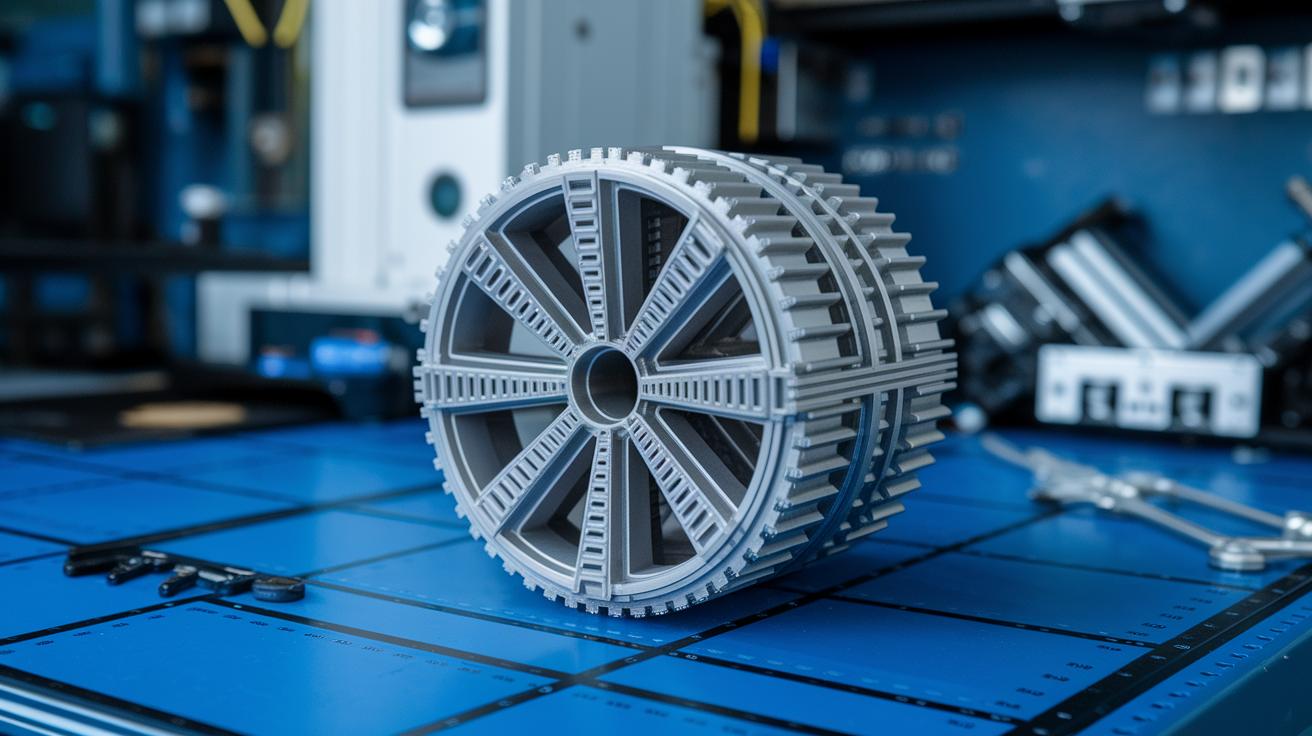
Metal 3D printing is changing aerospace design. It lets us work with strong metals like titanium, aluminum, stainless steel (a type of metal that resists rust), cobalt-chromium, and superalloys. These materials are key because they make parts that can handle extreme conditions. Engineers now use powder bed fusion techniques with EOS machines to craft structural and engine parts with detailed internal channels that old methods just couldn’t do.
By melting metal powders one layer at a time, we can create parts with lots of design freedom. Unlike regular CNC machining, this method uses only the metal it needs, cutting material waste by over 80%. This efficiency not only saves money but also protects the environment, a big win for programs like Boeing’s sustainable metal AM project. For example, when designing a new bracket, engineers can pack several functions into one piece, which means simpler assembly and less overall weight.
Titanium alloy processing also plays a big role in aerospace. It meets the tough performance standards needed for flight. Designers can quickly switch between different metals and techniques, trying out new structures while overcoming production limits. As more companies adopt these methods, parts become lighter and more efficient, eventually trimming fuel use and boosting mission success.
| Process | Typical Alloys | Advantages | Aerospace Applications |
|---|---|---|---|
| Powder Bed Fusion | Titanium, Aluminum | High precision, complex channels | Engine parts, structural components |
| Electron Beam Melting | Stainless Steel, Superalloys | Faster build, excellent strength | Brackets, turbine blades |
| Direct Energy Deposition | Cobalt-Chromium, Titanium | Component repairs, local build | Repair tasks, custom parts |
| Binder Jetting | Various alloys | Low waste, material efficiency | Prototype components, tooling |
Engineering Design and Simulation Techniques for 3D Printing in Aerospace Design
3D printing in aerospace design relies on smart engineering and simulation tools that let experts refine every detail before making a part. For example, finite element analysis (a way to see how parts handle forces) checks for issues like wear and heat stress. This method helps catch problems early and gives engineers confidence that each piece will work well under tough conditions.
Designers also use topological optimization to cut weight and cost. A cool example is GE’s LEAP engine nozzle, where they merged seven parts into one. This change brought down the weight and cost by 25%. Imagine turning a complicated collection of parts into a single, well-designed component. That’s the power of digital design.
Another key tool is computational fluid dynamics, which simulates how air flows around parts like ducts and wings. These simulations help make sure that the parts are shaped just right for smooth airflow. With virtual testing platforms, engineers can adjust and test their designs repeatedly. This process reduces the need for expensive physical prototypes.
Wind tunnel tests and space-environment simulations further check that the parts perform well in real-world conditions. By mixing digital design with hands-on testing, engineers ensure that every printed component can handle the stresses of flight. Combining techniques like finite element analysis, topological optimization, computational fluid dynamics, and virtual testing creates a system that speeds up design while boosting accuracy.
In short, this blend of advanced simulation tools and iterative design is at the heart of modern aerospace additive manufacturing. It helps make sure each part meets strict standards, all while cutting down production time and overall costs.
From Rapid Part Development to Production Scaling in 3D Printing for Aerospace Design
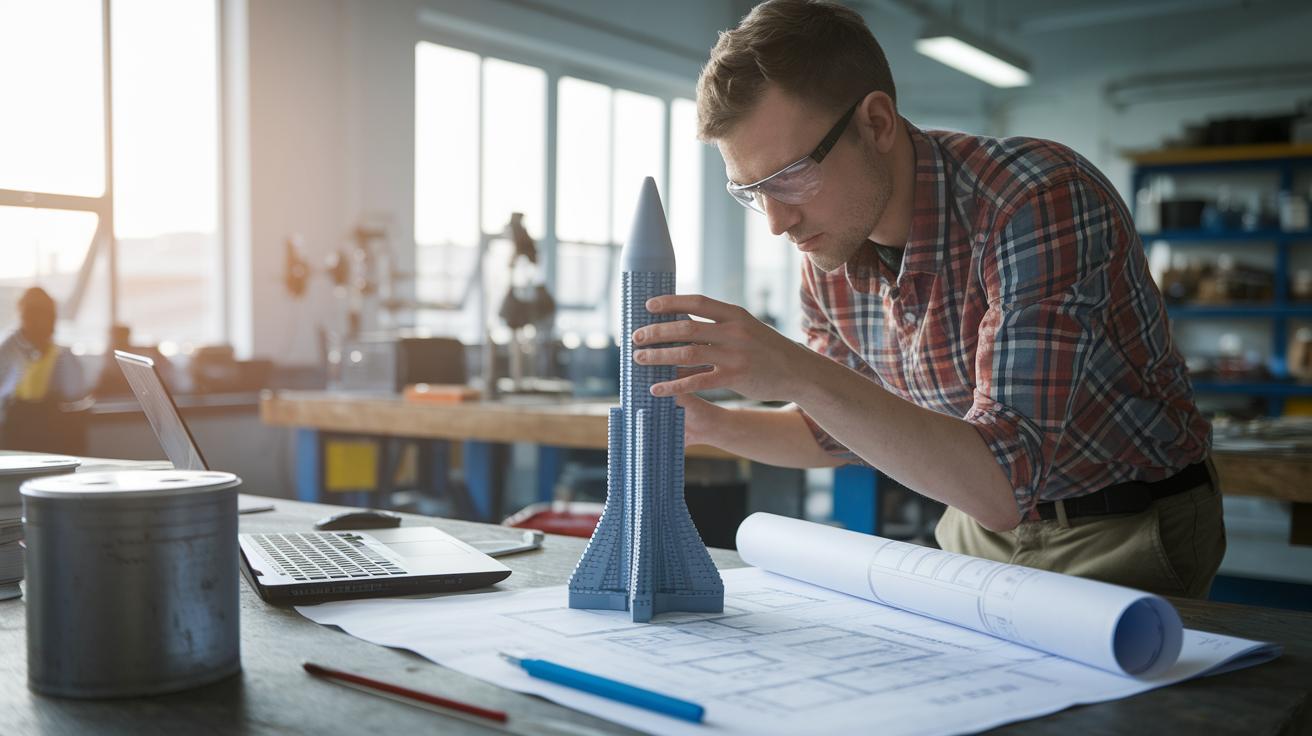
3D printing has really changed how we go from design ideas to real aerospace parts. Imagine moving a rocket engine or jet pack design from a computer drawing to a test-ready model in just days instead of weeks. Engineers mix smart simulation tools (think of these as digital experiments) with rapid prototyping to build parts that not only meet tough safety standards but also simplify the way they’re put together. For instance, the GE LEAP nozzle shows how merging seven different pieces into one can cut down on extra seams and save weight. It’s a clear example of how joining design and manufacturing makes the whole process smoother.
Boeing’s global EOS network is another neat case. This network lets parts be produced in far-off locations without all the usual heavy machinery, making it easier to create things like antennas and brackets right from the printer. This flexible workflow speeds up development and helps scale small prototypes into full production with ease.
- Cost savings
- Time reduction
- Custom tooling
- Design flexibility
- On-demand production
By combining detailed CAD modeling, careful simulation, and smart production networks, aerospace companies are transforming early designs into ready-to-fly parts. This approach allows for quick testing, merging smaller components into one, and turning creative ideas into tangible products. It’s all about getting from concept to real-world application swiftly so that new aerospace innovations can meet industry needs in no time.
Real-World Case Studies of 3D Printing in Aerospace Design
GE LEAP Engine Nozzle Consolidation
GE’s LEAP nozzle shows how 3D printing can really simplify design in aerospace. Engineers blended seven separate parts into one solid unit, cutting both weight and cost by 25%. This smart merging makes assembly easier and boosts fuel efficiency. Imagine turning a clunky, multi-part assembly into one elegant piece that saves time and resources. It’s design meeting efficiency in a very tangible way.
Boeing’s Distributed Powder Bed Fusion Network
Boeing is using a network of EOS powder bed fusion machines to print tens of thousands of structural components at different facilities. Powder bed fusion (a technique that builds parts layer by layer using tiny metal powders) lets them manufacture closer to where the parts are needed. This approach speeds up production and streamlines the supply chain while keeping the high quality needed for aerospace work.
Electroplated End-Use Antenna Systems
Electroplated antenna systems highlight how 3D printed parts can be made even tougher. After printing, these parts get a metallic coating through electroplating (a process that applies a thin, protective metal layer), which increases their durability and lifespan. This extra step adds strength so that the parts perform reliably in critical communication and sensor roles, even under challenging conditions.
3D Printed Wind Tunnel Test Models
Wind tunnel testing is crucial for making sure aerospace designs work as planned. 3D printed models are a big help here, allowing for fast iterations and quick aerodynamic tests. In these controlled environments, engineers can tweak designs on the fly, ensuring every part performs well before it’s used in actual flights. It’s a smart, efficient way to catch any issues early and improve overall performance.
Quality Assurance and Compliance in 3D Printing for Aerospace Design
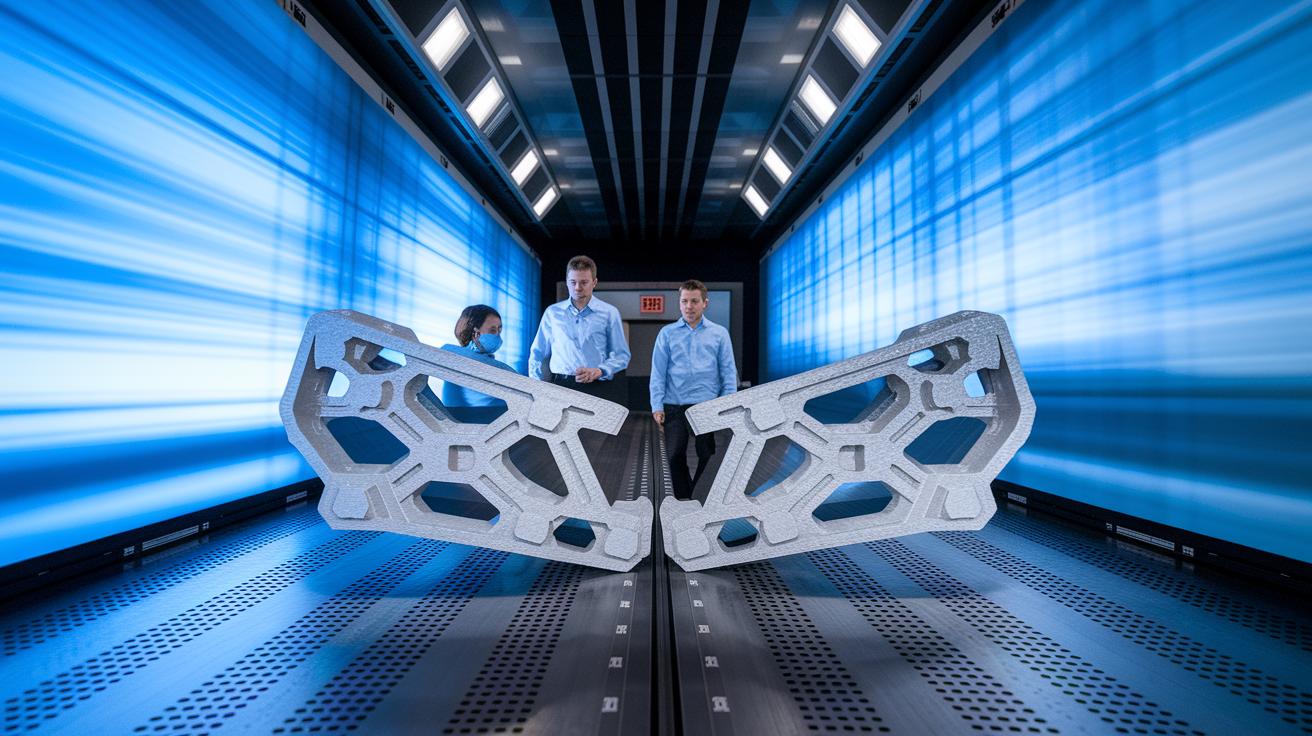
Printed parts go through some tough tests to make sure they can handle the harsh conditions out in space. Engineers set up tests that mimic the challenges of space and high-speed winds (like using wind tunnels) to see if these parts can take on extreme heat changes and strong forces. Think about a printed bracket that works in freezing cold and high-speed airflow, kind of like a racecar tire holding steady on a fast track.
This work depends on solid quality checks and design tests to catch any problems early. Companies push through regular certification steps and compliance checks to ensure every part meets strict aerospace standards. It’s pretty cool how experts come together at conferences and CAD training sessions to swap ideas and keep these standards high. All this sharing of tips helps make the whole printing process more efficient and even improves material quality.
Engineers and quality teams use careful testing methods at every step to check performance. By mixing systematic tests with trustworthy certification, manufacturers know their printed parts are safe and built to last. This careful approach means that every component, from tiny connectors to big structural pieces, plays its part in creating safe, high-performance aerospace vehicles.
Sustainability, Automation, and Future Trends in 3D Printing for Aerospace Design
Aerospace 3D printing is changing how we build parts and helping the industry take better care of our planet. Take Boeing’s approach as an example, it shows how companies can use smarter manufacturing techniques to use less raw material and cut down on harmful emissions. Additive manufacturing (a process that builds parts layer by layer) can reduce waste by up to 90%, which means less extra weight and lower fuel consumption. Imagine a way of making parts that uses just a fraction of the materials we normally need!
Automation is another big deal in this field. Factories now use automated printers and digital workflows that work like a well-oiled machine. By connecting digital information with physical production steps (a concept known as Industry 4.0), aerospace companies can quickly adjust production to meet demand. This means parts can be printed locally as needed, cutting down on extra energy use and even reducing emissions from transportation.
Looking to the future, automated digital systems are set to make manufacturing even more dynamic. By simplifying complex steps and reducing the chance for human error, engineers can push creative boundaries, designing parts with shapes that were once impossible. Picture it like assembling an intricate Lego model, each clear digital instruction builds something precision-made, reducing waste and energy needs along the way.
In truth, these advances bring together environmental responsibility and cutting-edge tech. By wrapping sustainable practices into automated, high-tech workflows, the future of aerospace 3D printing promises to boost efficiency while lightening its environmental impact.
Final Words
In the action of rapid innovation, we highlighted how 3D printing in aerospace design brings efficiency with integrated CAD modeling, advanced metal fabrication, and rigorous quality tests. Our discussion showed that 3D printing in aerospace design streamlines production, reduces material waste, and boosts sustainable practices across the board. Embracing 3D printing in aerospace design opens new doors for smarter manufacturing and inspires a brighter, greener future. These advances make science accessible and spark curiosity for improved everyday life.
FAQ
What does “3D printing in aerospace design pdf” refer to?
The “3D printing in aerospace design pdf” refers to a downloadable report that explains how additive manufacturing builds lighter, efficient parts for aerospace design.
What are examples of 3D printing in aerospace design?
The 3D printing in aerospace design examples include Boeing’s use of powder bed fusion to make thousands of parts and GE’s LEAP nozzle consolidation for reducing weight and cost.
Which companies lead in aerospace 3D printing?
The leading aerospace 3D printing companies include firms like Boeing, Northrop Grumman, and Raytheon, which utilize additive manufacturing techniques for producing complex structural components.
What is featured in a typical “3D printing in aerospace industry PPT”?
The “3D printing in aerospace industry PPT” typically highlights design flexibility, efficiency gains, material savings, and real-world examples of additive manufacturing in aircraft production.
How is aerospace 3D printing transforming manufacturing?
Aerospace 3D printing transforms manufacturing by combining multiple parts into one unit, reducing raw material use, and boosting performance through advanced design and simulation techniques.
What role does 3D printing play in the automotive industry?
The role of 3D printing in the automotive industry mirrors its impact in aerospace by speeding up prototyping and enabling custom tooling to produce lighter, more durable components.
How is 3D printing used for aircraft parts?
For aircraft parts, 3D printing creates complex structures like engine components with precise features that lower part count and raw material use while ensuring optimal performance.