Have you ever wondered if a small beam of light could change the way we heal? Medical lasers now offer a speedy and gentle way to repair tissues and ease pain without harsh side effects.
These advanced lasers work by boosting blood flow, sending water, oxygen, and nutrients right where your body needs them most. This simple yet effective treatment is helping people in many ways, from cosmetic fixes to big surgeries.
In this post, we explore how a focused beam of light is sparking new ideas in health care and bringing hope to patients everywhere.
Breakthrough Clinical Advances in Medical Laser Technology
Imagine a tool that helps your body heal faster and eases your pain without any extra fuss. The Summus Medical Laser works by using focused light to boost blood flow, delivering water, oxygen, and nutrients directly to the spot that needs care. In plain terms, it speeds up tissue repair while drawing excess fluids away from swollen areas, which lets you feel relief sooner. Did you know that many patients struggled with pain until their bodies got the extra boost they needed to heal naturally?
Each session with this laser is really quick, just a few minutes, and you don’t feel any pain during the treatment. It’s used in many areas, from cosmetic procedures and dental work to eye surgeries and even some cancer therapies. And the best part? It comes with no side effects or risk of dependency, making it a safer choice than some older pain management methods.
This breakthrough not only helps tissues repair themselves but also eases pain efficiently, sparking hope for countless patients. It’s a clear sign of how far medical optics has come. With all these perks, it's little wonder experts say the global market for laser skin treatments could top USD 6 billion by 2032.
| Treatment Benefit | Clinical Application |
|---|---|
| Accelerated Tissue Healing | Wound care, cosmetic procedures |
| Pain Relief | Chronic conditions, dental treatments |
| Inflammation Reduction | Muscular discomfort, eye surgery |
Overall, this innovative laser technology is making healthcare more accessible by simplifying treatment. It’s fast, effective, and beneficial across many medical fields. Isn’t it amazing how a little light can bring so much healing?
Tissue Ablation and Precision Cutting Advances in Medical Laser Technology
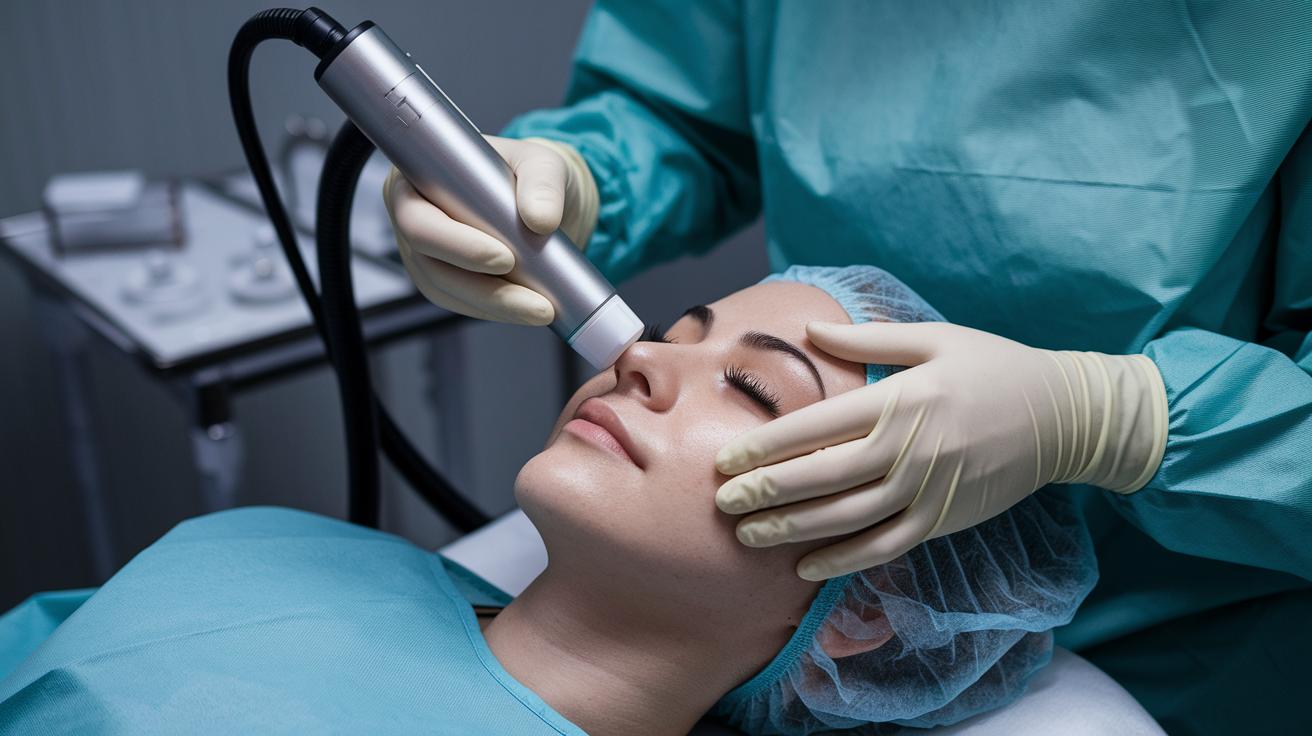
Fractional CO₂ and Er:YAG lasers are changing the game in surgery by letting doctors smooth skin with much shorter recovery times. These lasers carefully remove only the damaged layers while leaving healthy skin intact. By turning energy into a precise tool, surgeons can create smoother results and lower the risk of infection.
The combined KTP and Nd:YAG lasers push things even further. One session with this duo can make your skin smoother and speed up healing compared to older methods. It works by using finely tuned energy bursts that tackle imperfections with less discomfort and downtime.
A standout innovation is the use of optical coherence tomography, a light-based scanning tool that shows real-time depth details. Imagine having a live digital map guiding each laser burst so the surgeon knows exactly where to work. This technology helps ensure that every cut is even and exactly on target.
New energy delivery systems have also boosted the precision of these lasers. Next-generation optical scalpels can make incisions at the micrometer level (that's one-millionth of a meter), which means even the tiniest spots can be treated without harming nearby tissues. This careful approach keeps heat damage to a minimum and helps patients bounce back faster.
Overall, these laser-driven advances make the surgical process kinder to your body. The controlled removal of tissue lessens inflammation and speeds up recovery, giving patients a smoother experience after their procedures.
Digital Surgical Illumination and Imaging Advances in Medical Laser Technology
Modern lasers powered by AI come with a tool called optical coherence tomography (a method that takes really fine pictures of tissue). They capture high-quality images live, so surgeons have a clear, instant guide during a procedure. Imagine a surgeon following a live, detailed map of tissue layers, that’s the kind of help this technology gives.
Next, digital light control systems can change the laser's color (wavelength) and strength (power) in real time. They instantly react to any changes in the treatment area, which means the laser adjusts on the spot to keep things safe and accurate.
Some systems mix optical coherence tomography with fluorescence imaging (a technique that makes tissues glow) to offer a full view of the treatment zone. This combo lets doctors zero in on exactly where the light is needed. Plus, it works together with natural healing methods to boost tissue repair and help patients heal better.
All these new tools make it possible for surgeons to plan procedures that fit each patient perfectly. With live feedback, they can switch up treatment paths as needed, a big step toward safer and more precise care.
Minimally Invasive Radiant Procedures in Medical Laser Technology Advances
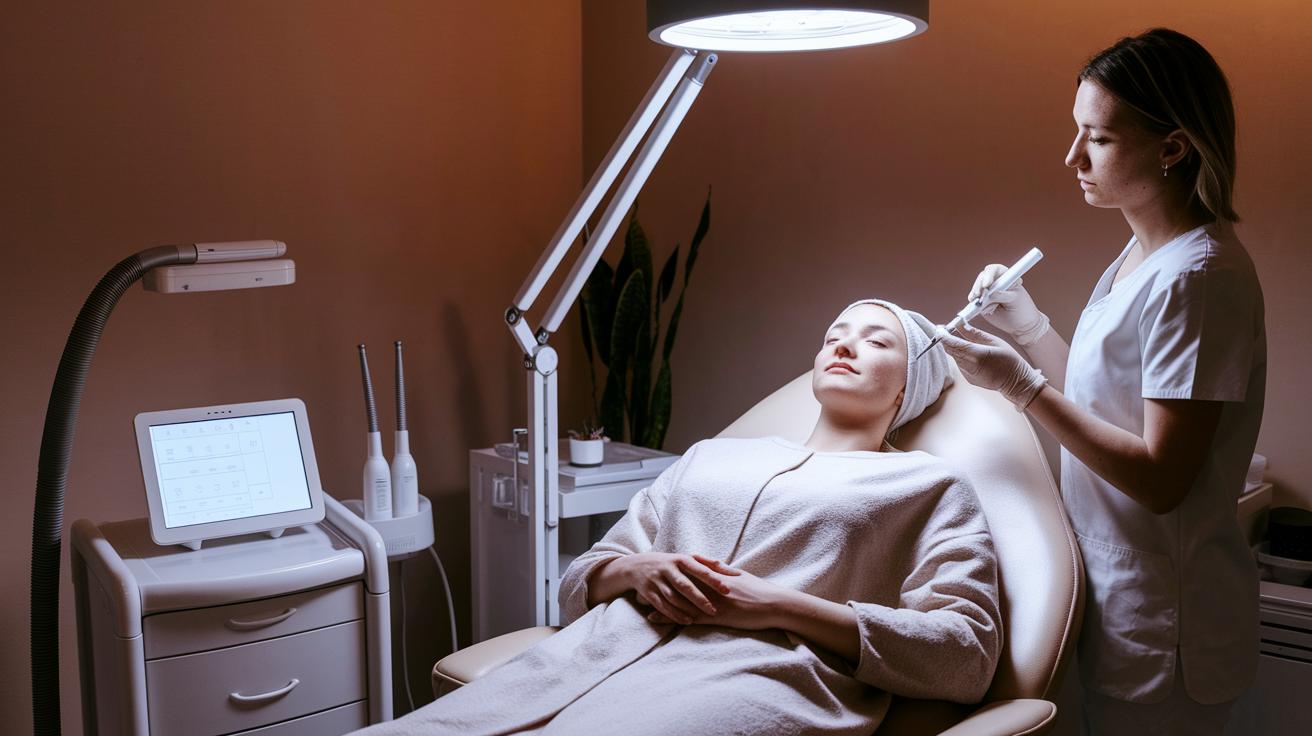
Minimally invasive radiant procedures are changing the game when it comes to boosting beauty and easing discomfort. These treatments use focused energy to help your skin repair and refresh naturally. One method uses radiofrequency microneedling along with laser light to spark collagen (the firming protein in your skin) production without needing cuts. Picture tiny needles giving your skin a little wake-up call while laser bursts smooth out your texture.
Then there’s truSculpt iD. It uses HIFEM (a special energy that both reduces fat and encourages muscle growth) to shape and tone your body, no long surgery or tough recovery needed. It’s like getting a mini body workout without the gym!
Another cool approach combines fractionated ablative lasers with ultrasound. This mix can lift and tighten the neck by targeting the spots that show signs of aging, all without open surgery. Similarly, the laser carbon peel works by applying a thin layer of carbon on your skin and then using low-energy laser pulses to clear away oil, dirt, and dead cells. The result is a smoother, refreshed look that gives you less downtime.
All of these light-based treatments do more than just enhance your appearance, they also minimize discomfort and help you get back to your busy life quickly. By mixing cutting-edge light therapies with smart, real-time adjustments, these procedures offer effective, low-risk ways to achieve a more youthful and vibrant look.
Future Photonic Therapy Research and Next-Generation Devices in Medical Laser Technology Advances
Scientists are now trying out new photostimulation methods that mix different light colors to help tissues repair themselves more precisely. They combine various shades to boost cell rebuilding while keeping the surrounding areas safe. Early lab work suggests these methods might soon be useful for healing wounds and soft tissue injuries.
New smart light-delivery systems let devices adjust energy doses on the fly. This means the laser can change its output to match exactly what a specific spot needs, cutting the risk of unwanted heat damage. Sensors and smart algorithms work together, ensuring the energy is just right, even if the tissue moves during the treatment.
Current clinical trials are testing these laser treatments for conditions such as cancer and arthritis. In these studies, the precise laser energy supports the body’s own healing process and makes treatments more comfortable for patients. Some gadgets even use augmented reality to give surgeons a live digital map that highlights key areas during a procedure.
Innovative energy-distribution models are being developed to spread the laser energy evenly across tissues. This balanced dosing could reduce side effects and lead to more predictable results over time, paving the way for further breakthroughs in health care with these bright, next-generation devices.
Final Words
In the action, we explored how laser platforms are powering precise cuts, clear imaging, and minimally invasive procedures. We looked at breakthrough techniques that boost tissue healing and accurate guidance in surgeries. These medical laser technology advances pave the way for smoother recovery and improved patient care. The exciting progress in this field encourages us to keep wondering and learning about how science makes our treatments safer and more effective.
FAQ
Q: Laser in dentistry pdf
The query about “Laser in dentistry pdf” refers to available documents explaining the use of laser treatments in dental care. Such PDFs often detail procedures, treatment benefits, and safety guidelines.
Q: Lasers in medicine and surgery
The question about “Lasers in medicine and surgery” discusses how laser technology is used across medical fields. These applications include precise tissue cutting, improved healing, and reduced patient recovery times.
Q: Lasers in Medical Science
The inquiry about “Lasers in Medical Science” covers a broad overview of laser technology in health care. It highlights how lasers improve treatment precision and support various clinical procedures.
Q: Lasers in surgery PDF
The reference to a “Lasers in surgery PDF” points to downloadable materials that explain laser surgical techniques. These resources illustrate how lasers facilitate precise incisions, minimize tissue damage, and boost recovery.
Q: Laser dental treatment for gum disease
The mention of laser dental treatment for gum disease discusses the use of laser technology to treat gum conditions. It shows that laser therapy can reduce inflammation and improve gum health with minimal discomfort.
Q: Types of lasers used in surgery
The question about types of lasers used in surgery indicates various laser systems, such as CO₂, Er:YAG, KTP, and Nd:YAG. Each type is chosen for its specific benefits in cutting, ablating, or imaging during procedures.
Q: Laser in dentistry ppt
The query about “Laser in dentistry ppt” refers to presentations that explain the role of lasers in dental treatments. These slides often review techniques, clinical benefits, and patient care improvements.
Q: Dental laser treatment side effects
The inquiry about dental laser treatment side effects addresses potential short-term reactions like mild discomfort, slight swelling, or sensitivity. Most side effects are temporary and manageable with proper care after treatment.