
Have you ever wondered what it’s like to chat with your doctor from the comfort of your home? Telemedicine (a way to see doctors online) makes it possible with clear video calls and simple scheduling.
This new way of getting care lets you connect with your doctor quickly and safely, even if you're far away. In the past, visiting a doctor often meant a long drive or waiting in a busy office.
Now, tech-powered consultations aren’t just convenient, they’re also helping to raise the quality of healthcare for everyone.
How Telemedicine Innovations are Revolutionizing Remote Healthcare Delivery
Telemedicine has really changed how patients and doctors connect, letting people get important medical care from home. It makes it easier for everyone to see a doctor using tools like Zoom, Doxy.me, and Amwell. These platforms help lower the chances of spreading viruses while letting doctors and patients talk using clear, high-definition video, easy scheduling, and even built-in payment systems.
Imagine this: before the pandemic, hardly anyone had seen a doctor from their living room, but today, millions trust online consultations completely. It’s not just about convenience; these breakthroughs make healthcare better overall. The system lets patients and doctors chat quickly and safely, so even those living far away or in areas with fewer services can get the help they need.
In this fast-changing world, new e-health tools are always getting better. With real-time data sharing (where doctors can see your health info as it happens), providers can keep an eye on patients and step in quickly when something’s off. Experts predict the global telemedicine market might hit almost $191.7 billion by 2025, showing that digital health isn’t just for science fiction, it’s a real part of our daily lives now, boosting care quality and easing the load on traditional clinics.
In short, telemedicine shows that getting healthcare remotely is not only possible but also smart and efficient. Embracing these new tools helps us build a future where technology and careful, data-driven choices work together to take care of communities everywhere.
Telemedicine Innovations in Action: Access TeleCare’s Expansion and Impact
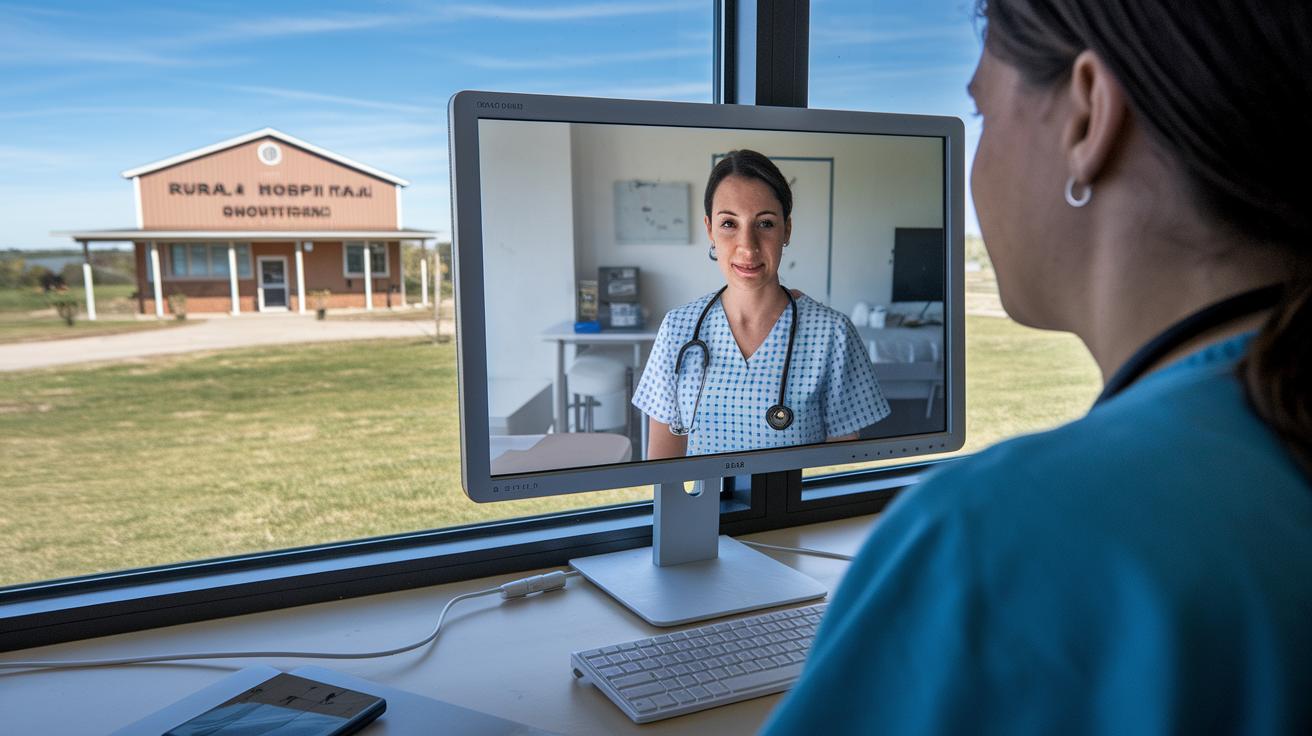
Access TeleCare started in 2004, when it helped just a few rural hospitals in Texas. Today, it’s grown to be the largest acute specialty telemedicine provider in the nation. They kicked off virtual Code Blue programs that mix in-person care with quick, online support from advanced practice providers (like nurse practitioners). In 2023, they wowed everyone by launching over 350 new telemedicine programs and steering more than 2.5 million virtual patient visits, all of which made a real impact on emergency care.
Their care now covers specialties like heart care, fighting infections, kidney treatments, and hormone-related issues. Dr. Jason Hallock, the chief clinical innovation officer, leads a team that blends hands-on expertise with smart data tracking to turn every digital encounter into clear improvements. It’s a mix of modern technology and classic care that’s really pushing the limits of remote medicine.
Stories like these show how online doctor visits can truly change how we get care. By expanding virtual consultations and combining trusted, in-person know-how with digital tools, Access TeleCare is setting a fresh standard in today’s fast-paced healthcare world.
Emerging Virtual Care Technologies in Telemedicine Innovations
Telemedicine platforms now mix clear video calls, safe messaging, and live data sharing into one smooth experience. Imagine picking up your phone and joining a consultation where every update shows up immediately, as if your doctor were right there with you. Think of it as stepping into the office virtually and getting real-time health updates without any delay. By combining mobile app features with cloud-powered information that syncs instantly, these systems keep things simple and avoid repeating old details.
New developments blend smart mobile apps with tools that alert care teams the moment one of your health stats changes. Features like appointment scheduling, handling co-pays, and sending e-prescriptions now work together perfectly to save time and keep everything up-to-date. This new way of working means that as soon as any data is refreshed, everyone on the healthcare team sees the same information. In truth, this approach cuts out extra explanations and shows how modern tech is reshaping remote care into a smooth, responsive system.
Remote Patient Monitoring Advancements in Telemedicine Innovations
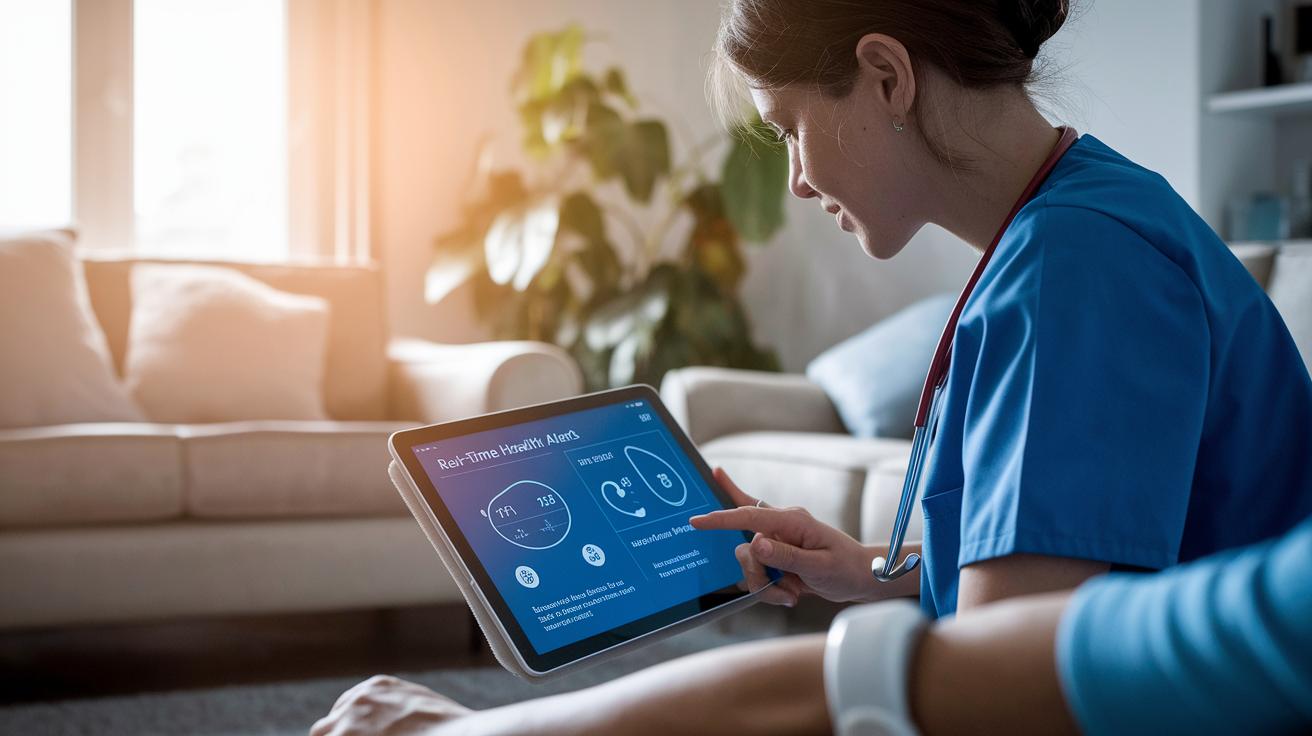
Special telemedicine tools like tele-ICU, tele-medication, and tele-imaging are helping patients get the care they need right from home. They use tiny sensor devices (small gadgets that continuously record health data) to track important signs such as heart rate and blood pressure without forcing patients to constantly visit a hospital. When these sensors notice a sudden change, smart data systems alert healthcare teams immediately so help can be on its way, imagine a nurse getting a real-time notification that a patient’s heart rate is spiking.
This progress is especially useful for people with long-term health conditions and those living far away from medical centers. By keeping a close eye on health markers all the time, doctors can adjust treatments before problems worsen. Plus, this technology connects patients and their doctors with timely and accurate information, ensuring that everyone gets the prompt care they deserve, wherever they may be.
Next-Generation Digital Diagnostics in Telemedicine Innovations
Imagine turning your home into a tiny lab. Advanced sensors and smart computer programs (AI-driven analytics, which means computers that learn and reason) now help doctors diagnose patients far away with more accuracy. Picture a device that checks your health right away and sends the results instantly to your doctor. It uses automated controls to spot problems early, so you can get the right care fast. Ever wondered what a digital system that scores your symptoms with clever algorithms looks like? It quickly flags conditions that need urgent attention.
Remote lab testing is now a smooth mix of on-the-spot devices and software that organizes all the data for you. In simple terms, everything from lab orders to e-prescriptions is handled electronically, cutting down on wait times for results and medicine changes. This system works like a well-organized line, where cases are sorted by smart scores that help doctors decide what to do next.
The rise in e-prescription services is a key piece of this puzzle. By streamlining lab orders and prescription management, doctors can focus on the more critical decisions. Every digital check-up and automated alert helps pave a faster and safer road from noticing symptoms to getting treated.
Immersive Telemedicine Innovations: Virtual Reality and Augmented Reality
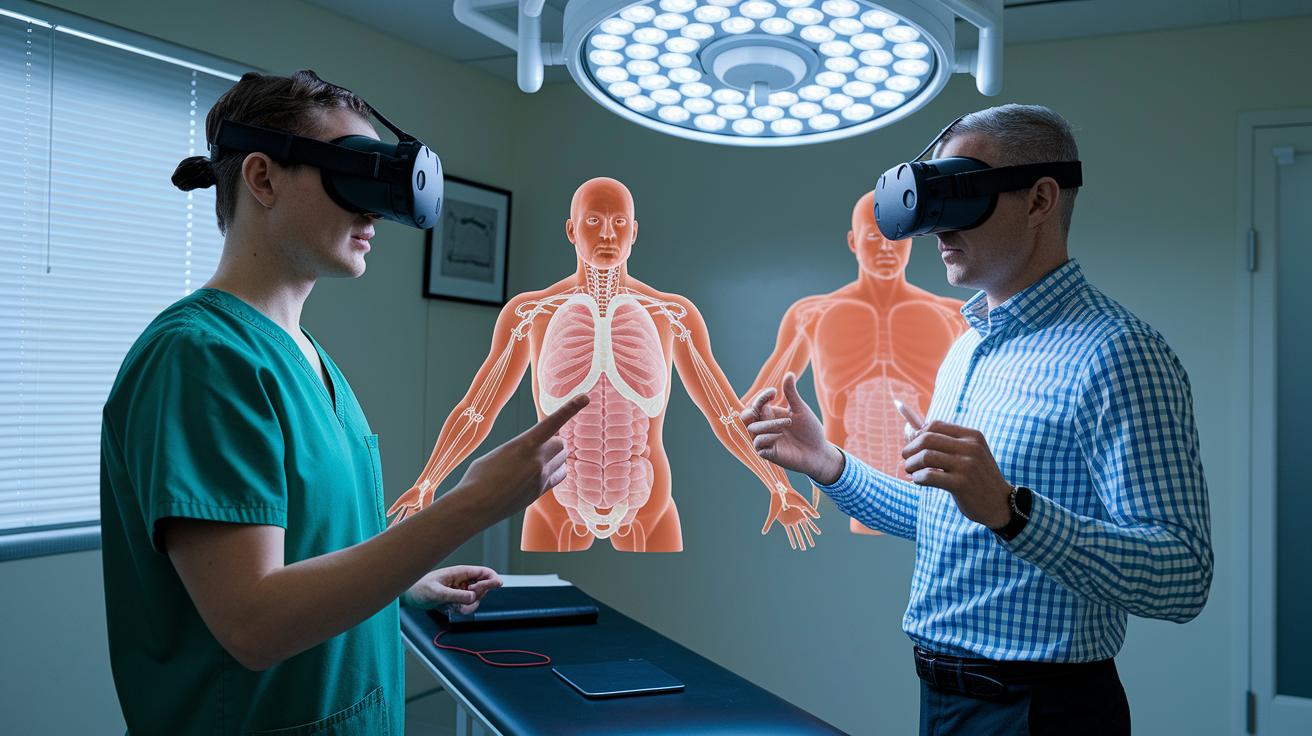
Virtual reality (VR) and augmented reality (AR) are changing the way we learn about our health and get treated. VR, which uses headsets to show a 3D world, and AR, which adds digital notes to your view of the real world, are making patient education more engaging. These tools help doctors explain health issues and plan treatments in ways that feel real and easy to understand.
Virtual Reality for Surgical Consultations
Imagine a surgeon preparing for an operation like walking through a virtual room built to look exactly like the real thing. VR allows doctors to meet online and plan surgeries together using clear 3D images of the patient’s body. This means they can review the details and feel more confident about the plan, just like practicing before the big game.
Augmented Reality in Patient Rehabilitation
AR changes physical therapy by giving real-time tips during exercises. It works by showing instructions and helpful feedback right on the screen as you move. This makes exercises feel more interactive and fun, and helps patients do their therapy correctly at home, which can lessen pain and boost movement.
These exciting new tools are more than just cool tech gadgets. They signal a future where online doctor visits and hands-on learning work together to make remote care smarter and more personal. With VR and AR becoming part of everyday medical practice, both patients and health professionals get better tools to improve care and feel confident in their health decisions.
Integration Strategies, Security, and Equity in Telemedicine Innovations
Telemedicine is growing fast, and while it makes healthcare better, it also brings some tricky challenges that need smart plans. One way we keep things running smoothly is by using set rules for sharing data, like HL7 FHIR (a kind of digital language that helps different health record systems talk to each other). This means hospitals can swap information quickly and correctly. Imagine two hospitals, far apart, sharing patient details in real time without any hassle. That’s the magic of these standards at work.
Keeping patient data safe is super important, too. We rely on techniques like end-to-end encryption (a secure lock on data from start to finish) and strong online security rules that prevent cyberattacks. When people know their health records are protected, they feel much more comfortable using digital healthcare services. Plus, updating guidelines is critical. Regulators have to adjust licenses and payment methods so doctors can operate across state lines, it’s like building one big, secure highway that connects every corner of our country for healthcare information.
It’s also key that everyone gets the same digital health benefits. This means boosting internet access (broadband) and extending services to places that usually miss out. Working closely with local communities and forming smart partnerships can help close these gaps. When clear integration plans, robust security, and fair access work together, they form the backbone of a trustworthy and effective remote healthcare system. Every detail, from how data is shared to the security measures in place, plays a vital role in expanding quality care for everyone.
Final Words
In the action, telemedicine innovations have redefined how remote care works. The article showcased how virtual consultations, remote monitoring, and immersive tech like VR are driving changes in patient care. It highlighted platforms that simplify appointment booking, secure data exchange, and smooth payment processes. Real-world examples show that telemedicine innovations are making healthcare more accessible and efficient. The future looks bright as these advancements continue to shape everyday health practices.
FAQ
Q: What are some telemedicine examples?
A: Telemedicine examples include video consultations, remote patient monitoring using sensors, and online tools for scheduling and billing. These methods let patients connect with doctors safely from their homes.
Q: What benefits do recent telehealth articles and research reveal?
A: Recent research and articles reveal that telehealth improves access to care, reduces the need for travel, and streamlines medical services. They show that remote consultations and monitoring enhance the overall patient experience.
Q: How does telemedicine impact healthcare?
A: Telemedicine impacts healthcare by expanding access to medical advice, reducing wait times, and allowing providers to use resources more efficiently. This approach helps bridge the gap between patients and care teams.
Q: What are the advantages and disadvantages of telemedicine?
A: Advantages of telemedicine include easy access to care and lowered infection risks, while drawbacks can involve technical issues and reduced in-person interaction. Overall, its benefits often outweigh its limits when supported by good technology.
Q: What are the emerging technologies in telemedicine?
A: Emerging technologies in telemedicine use AI, high-definition video, and secure mobile apps to help doctors diagnose and treat patients remotely. These advancements boost the accuracy and convenience of virtual care.
Q: Can telehealth be used for pneumonia care?
A: Telehealth for pneumonia allows doctors to perform initial evaluations and monitor symptoms remotely. While it supports early diagnosis and treatment advice, severe cases typically require an in-person examination.
Q: What are the three largest telemedicine companies in the US?
A: The three largest telemedicine companies in the US are commonly identified as Teladoc Health, Amwell, and MDLive. These firms provide extensive virtual consultation services across the nation.
Q: What are the latest trends in telehealth?
A: The latest trends in telehealth include integrated patient monitoring systems, advanced video consultation tools, and AI-enhanced diagnostics. These trends are making remote care more efficient and user-friendly.

