
Have you ever thought there might be a gentler way to ease chronic pain when the usual treatments just don’t do the trick? New advances in neuromodulation (a way to change nerve signals using smart technology) offer an exciting alternative.
These techniques send careful signals right to the nerves where pain starts. They give fresh hope to anyone stuck using old, less effective methods. Instead of leaning on strong medications or dangerous surgeries, this approach helps manage pain in a more natural, safe way.
Breakthrough Neuromodulation Overview in Novel Pain Management Strategies
Today, neuromodulation is changing how we handle chronic pain. Many people find that medicines, physical therapy, or even surgery just don’t work well enough, and sometimes they end up with extreme measures like nerve amputations.
Back in 1967, a neurosurgeon put in the first neuromodulation device. That small breakthrough started a wave of new treatments known as neural therapy. Instead of using a one-size-fits-all approach, this method sends focused electrical or chemical signals directly to the nerves that cause pain. Picture it like having a tiny pain-calming helper working quietly inside you.
Early research shows that starting this treatment sooner can mean fewer doctor visits, less time in the emergency room, shorter hospital stays, and even a reduced need for extra surgeries or opioid painkillers. It’s a promising option for those who haven’t found relief with traditional methods, offering a novel way to manage pain that other treatments simply can’t match.
Safety is a top priority, so doctors usually run a trial for a few days to figure out the best settings while keeping risks like bleeding, infection, or blood clots very low. Recent work with advanced brain stimulation techniques (using gentle electrical pulses to influence the brain) adds even more support to this innovative approach.
Neuromodulation Device Types Transforming Pain Management
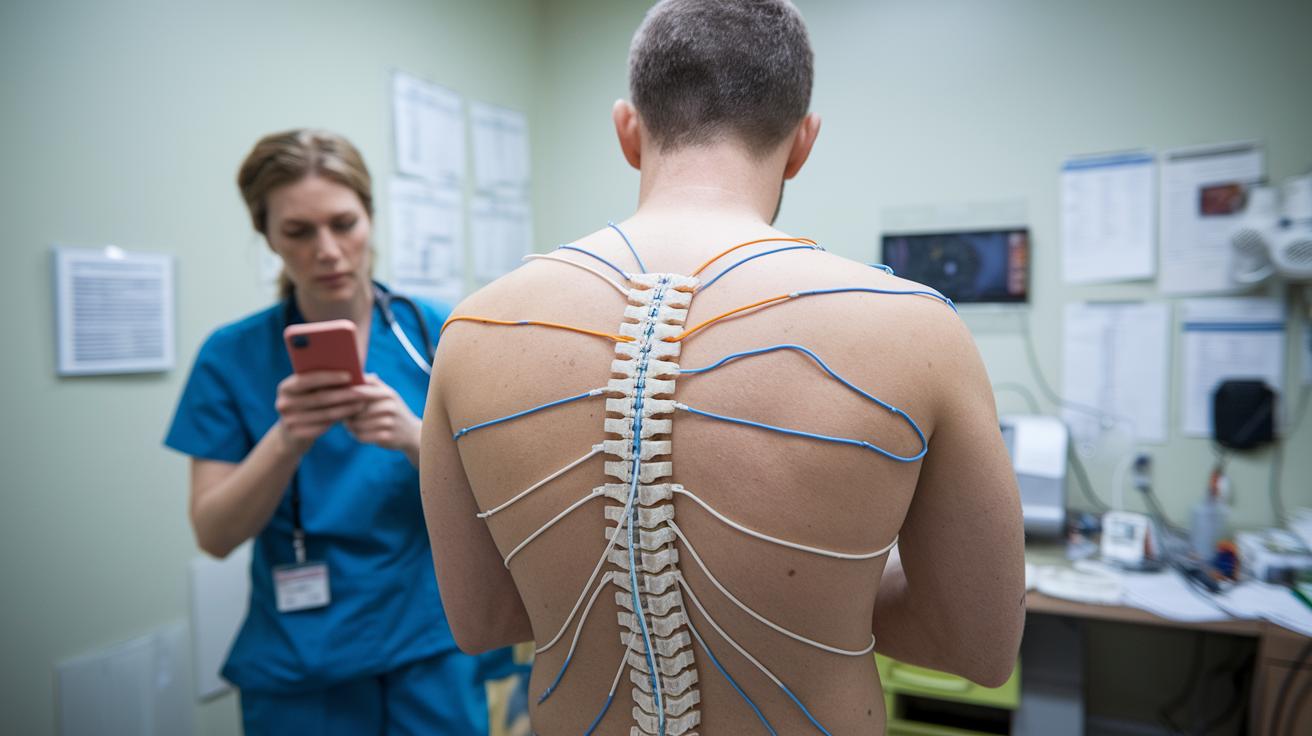
Today, new devices give people fresh ways to ease long-lasting pain. These treatments use smart electrical signals, careful electrode placement (tiny metal patches that send signals), and digital tools to target pain signals well. Usually, patients try out these devices for 3 to 7 days to figure out which setup works best for lasting relief. It’s exciting to see how technology can offer a relief plan that fits each person just right.
Spinal Cord Stimulators
Spinal cord stimulators work by calming pain signals along the spine. Imagine your body getting gentle pulses that turn down pain, kind of like lowering the volume on a noisy radio. Doctors often run trial sessions with these devices to be sure they help before suggesting a long-term implant.
Peripheral Nerve Stimulators
Peripheral nerve stimulators focus on the areas where pain first starts. These devices use electric signals to soothe the nerves right where they feel pain. Over a few days of trying the treatment, patients can tell if their discomfort is easing, which makes this option a strong choice for managing pain in a specific spot.
Dorsal Root Ganglion Stimulation
Dorsal root ganglion stimulation zooms in on one spot that's causing pain. Think of it like turning a knob to lower the pain level just in that area. This focused method can work when other treatments don’t quite hit the mark and gives patients a chance for relief where they need it most.
Non-Invasive Brain Stimulation Techniques
Non-invasive brain stimulation, including methods like transcranial magnetic stimulation (TMS) and transcranial direct current stimulation (tDCS), changes the way the brain processes pain without any surgery. These techniques adjust brain activity in key pain areas using digital tools with great accuracy. Short trial sessions help figure out how each person responds, opening up a non-surgical path to pain relief.
Clinical Trials and Outcomes for Neuromodulation Pain Management
Since 2015, many studies have shown that using neuromodulation early on helps lower the use of healthcare services and reduces opioid use (opioids are strong pain medications). Patients using these therapies reported about 50–70% less pain even after a year. One trial even showed that patients enjoyed a 60% drop in pain while also needing much less opioid medication. This means that starting neuromodulation sooner might cut down on emergency room visits and major surgeries.
Recent trends suggest that combining regenerative therapies (treatments using your body’s own cells, like PRP, which is a concentrated part of your blood, or stem cells, which are the building blocks of your body) with neuromodulation can work wonders. This mix not only boosts overall quality of life but also tackles tough pain by using new clinical discoveries. There are accounts from several case studies where patients got steady pain relief, which helped lower hospital visits and other medical expenses. Current trials are now checking how these devices work long-term and how well they fit into treatments that look after both the body and overall health.
Researchers are also getting better at these methods through trial stimulation sessions and long-term monitoring. All the recent data strongly hints that putting neuromodulation to early use could change how we normally handle pain. It offers a lasting alternative for many who haven’t found relief with typical treatments.
| Trial Focus | Study Design | Key Findings |
|---|---|---|
| Early Modulation Impact | Randomized Controlled Trial | 50-70% pain reduction and decreased opioid use |
| Integrative Regenerative Model | Multidisciplinary Cohort Study | Improved mobility with fewer healthcare visits |
| Long-Term Device Performance | Longitudinal Study (12 months) | Sustained pain relief and enhanced quality of life |
Comparing Neuromodulation Strategies and Traditional Pain Management
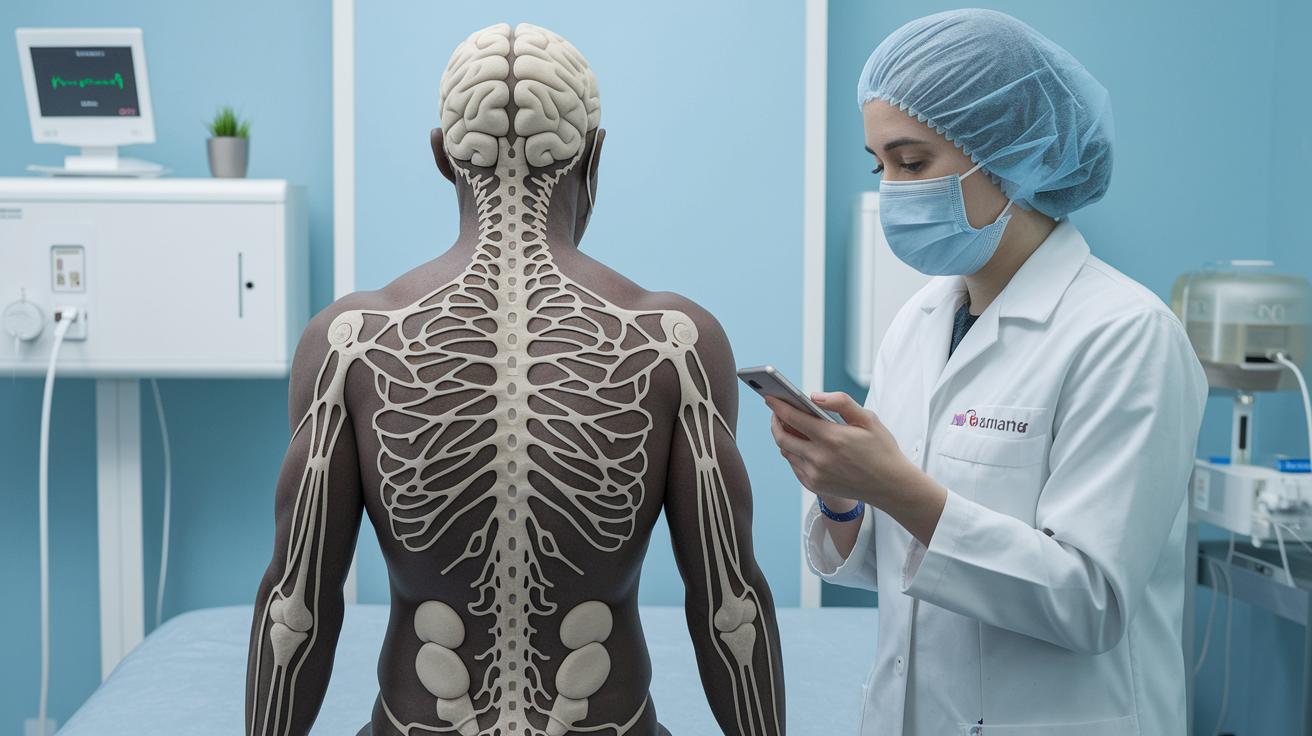
Traditional pain treatments like opioids, NSAIDs, physical therapy, and surgery usually work on the whole body. This can sometimes lead to problems like tolerance, addiction, or unwanted side effects. Think of it like fixing one problem only to end up with new ones in other parts of the body. It can feel a bit like patching a hole in a tire when there might be more wear and tear elsewhere.
Neuromodulation takes a different approach. Instead of affecting the whole system, it focuses on the exact signals that cause pain. This means it uses small electrical or chemical cues to adjust the pain signals coming from the nerves. In simple terms, it’s like using a remote control to lower the pain exactly where it hurts instead of dimming the lights in an entire house. This precision usually helps reduce side effects and can lower the need for emergency visits or extra surgeries.
Recent studies show that starting neuromodulation treatments earlier might help cut down on overall medical spending. Fewer emergency trips and less need for invasive procedures add up over time. For many people who haven’t seen much relief from standard treatments, this method offers a promising new way to manage chronic pain. Isn’t it interesting how a more targeted approach can really make a difference?
Patient Selection and Safety in Neuromodulation Pain Management
Choosing the right person for neuromodulation starts with a careful look at what might be causing their pain, their past treatments, and any other health issues they have. Doctors use different tools like pain surveys, scans (such as MRI and CT), and nerve exams to make sure the pain comes from a specific place. In fact, many patients are surprised to learn that these advanced tests can pinpoint the exact origin of their pain.
Besides checking the body, doctors also do quick mental health assessments to see if stress, mood, or anxiety might affect the results. They review previous treatments that didn’t work and study how patients responded to standard therapies to figure out the best plan.
Doctors stick to the latest guidelines that combine what patients say with actual test findings. This approach helps ensure that the people chosen for neuromodulation are the ones most likely to improve. Recent research shows that patients with a well-defined pain source and a history of not responding to usual treatments often do better with neuromodulation.
| Assessment Method | Purpose |
|---|---|
| Pain Questionnaires | Gauge the intensity and history of pain |
| Imaging Tests | Identify the physical source of pain |
| Psychological Evaluations | Assess mental factors influencing pain perception |
Future Directions in Neuromodulation-based Pain Management Innovations
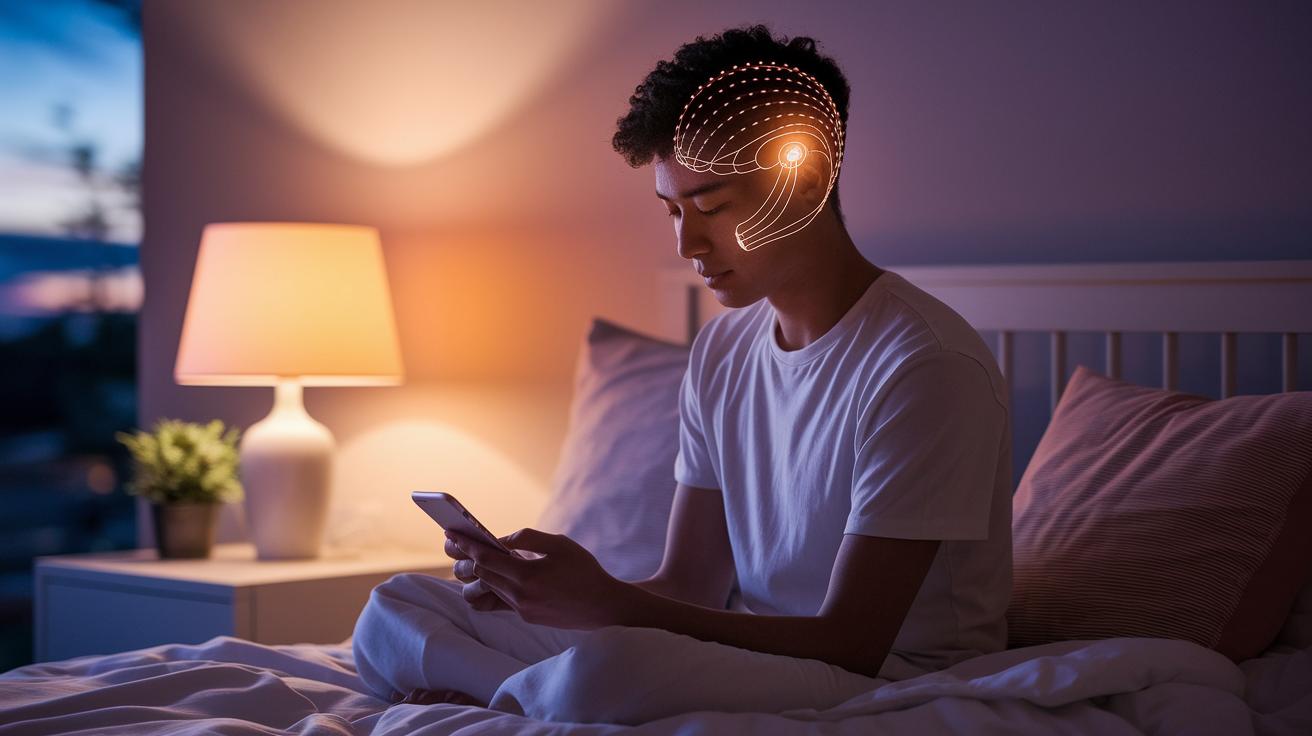
Researchers are busy creating smart systems that adjust treatments based on your body’s signals. These closed-loop devices watch for tiny changes in nerve activity (small electric messages) and tweak their output on the fly, kind of like how your smartphone updates its software.
At the same time, artificial intelligence is stepping in to make treatments even more personal. Imagine a device that not only sends electrical pulses but also learns from your unique responses. It listens to your body’s feedback like a friendly chat, then fine-tunes its settings just for you. This new approach also mixes in therapies like PRP (platelet-rich plasma) and stem cell treatments, giving a more complete path to relief.
Digital devices are getting a big upgrade too. New designs feature parts you can swap or adjust, which means treatments can be tailored to your needs more accurately than ever. With these smart gadgets monitoring you all the time, doctors can make quick tweaks for long-lasting relief.
Think of it this way: a future neuromodulation device might automatically update its settings just like your phone does. That simple idea captures the promise of customizable, real-time pain management that could change lives.
Final Words
In the action, we explored cutting-edge neuromodulation devices and compared these methods to traditional pain management. We touched on clinical trials, safety steps, and patient selection, all while showing how neuromodulation can offer a safer, targeted approach. The blog captured real-life evidence from early studies and discussed upcoming innovations in this field.
This discussion highlights novel pain management strategies: breakthrough neuromodulation techniques, offering promising alternatives for those seeking improved relief and everyday ease.
FAQ
What is breakthrough neuromodulation and how does it help manage chronic pain?
Breakthrough neuromodulation uses targeted electrical or chemical signals to ease chronic pain in patients who have found little relief from medications or surgery, potentially reducing hospital visits and risky procedures.
What types of neuromodulation devices are currently used and how do they work?
Various devices including spinal cord stimulators, peripheral nerve stimulators, dorsal root ganglion stimulators, and non-invasive brain stimulation tools work by altering pain signals along nerves or directly in the brain to relieve discomfort.
What clinical evidence supports the use of neuromodulation in pain management?
Clinical trials report that neuromodulation can reduce pain by 50–70% over a year, improve mobility, and lower opioid use, ultimately decreasing emergency visits and the need for additional invasive treatments.
How does neuromodulation compare to traditional treatments like medication or surgery?
Neuromodulation targets specific nerve signals rather than affecting the whole body, offering a more localized approach that minimizes risks often associated with long-term medication use and invasive surgeries.
What determines if a patient is a good candidate for neuromodulation therapy?
Patient selection is based on the type of pain, previous treatment failures, and overall health. Trial stimulations help assess if the therapy provides effective relief before a permanent device is implanted.
What are the future directions and technological advances in neuromodulation pain management?
Future innovations aim to create systems that adjust stimulation in real time using biosignal analytics and artificial intelligence, paving the way for personalized, adaptive therapies that improve long-term pain control.