
Have you ever wondered if new technology can make space trips safer and more fun? Well, exciting plans are taking shape that could soon bring us back to the Moon and make journeys past Earth much smoother.
Scientists and engineers are reworking crew capsules (the parts of your spacecraft where people sit) and using advanced tools to help guide every flight. These smart gadgets and redesigned spaceships are changing how we travel to space, making it safer and more affordable.
In this post, we're breaking down how these fresh ideas not only cut costs but also boost safety. Stick with us as we explore what these changes in space travel could mean for all of us. Isn't it amazing to think about where we might go next?
Modern Space Travel Developments
NASA is getting ready to return to the Moon with its Artemis program. They plan to land on the lunar surface by 2024, and this time, the mission will include the first woman and the next man to walk on the Moon. Imagine the thrill of that historic moment, where a new kind of moonwalk could change how we see our closest neighbor in space. These bold plans build on classic space missions while using today’s cutting-edge technology.
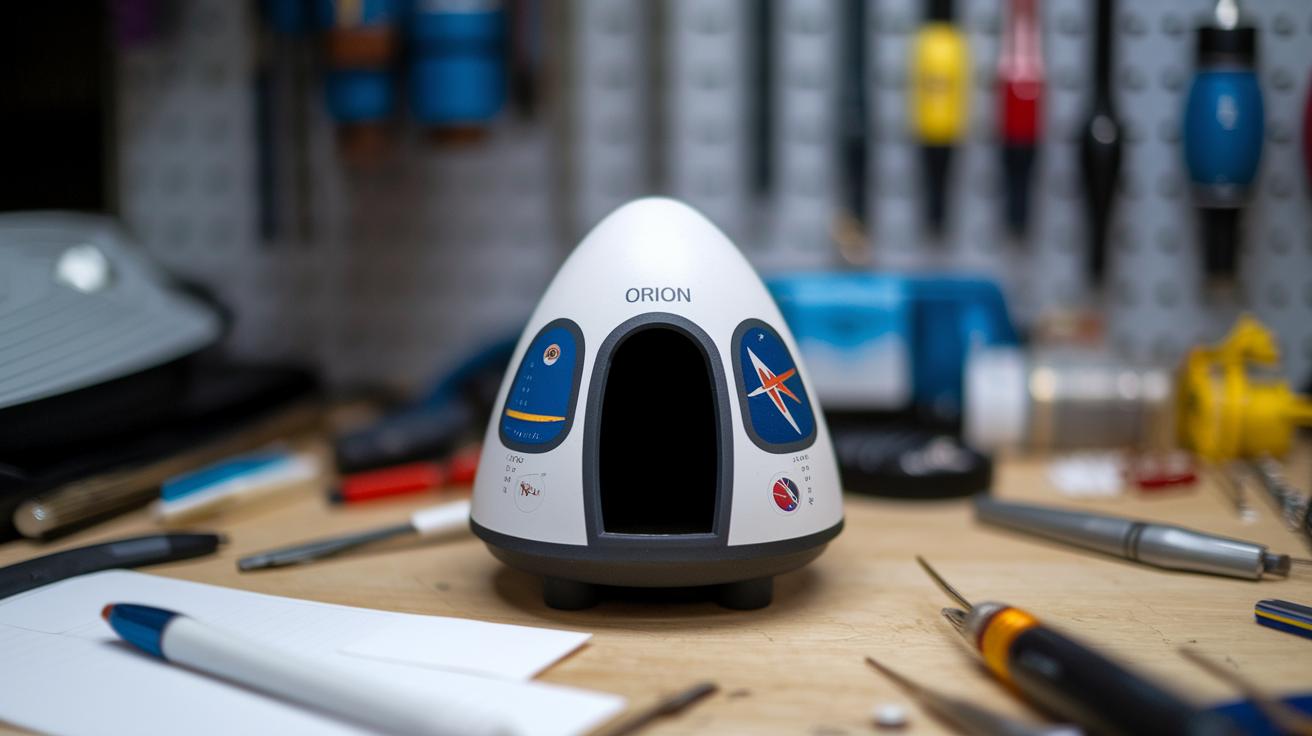
Right now, work on the Orion capsule is well underway. This new spacecraft shows how much care is given to keeping astronauts safe. It’s built with extra safety measures and can hold four people comfortably, a nod to the design of older capsules used in past space journeys. It also uses advanced avionics (fancy electronic systems that help with navigation) to make sure the trip beyond Earth is as safe as possible.
Working together is a key part of these efforts. Through NASA’s Commercial Crew Program, partners like SpaceX, Boeing, and other leaders in the field join forces to lower costs and make regular space flights a reality. Big names such as Blue Origin, Virgin Galactic, and United Launch Alliance add their unique skills and technology, making this group of projects even stronger.
And here’s something exciting: the James Webb Space Telescope has discovered a huge black hole, playfully nicknamed “BiRD” (announced on November 25). This finding not only adds a thrilling chapter to our journey in space but also sparks more ideas and progress in space travel technology.
Historical Milestones in Space Travel
From the very start, government and private teams joined forces to explore space in ways people hadn’t imagined. Back in the 1960s, NASA partnered with private companies on projects like Mercury, Gemini, and Apollo. These early missions laid the groundwork for future space adventures. Did you know that during the Apollo program, engineers made incredible technology with limited supplies, a feat that still amazes us today?
The spirit of those early days can be felt in designs like the Orion capsule. Its look and robust build draw on lessons from Mercury, Gemini, Apollo, and Soyuz, ensuring safety and reliability for new space travelers.
NASA’s Space Shuttle, which operated from 1981 until 2011, also shows how technology has built on past successes. Its service in Earth’s orbit was a major leap forward and still influences how we plan modern missions.
Historic lunar missions, especially Apollo, continue to spark the imagination of new generations. Their bold achievements honor the pioneers of space and keep fueling our dreams as we explore the vast universe.
Commercial Space Travel Companies
Blue Origin is working hard with its New Shepard suborbital vehicle to make space travel possible for regular folks and researchers. Have you ever dreamed of soaring above the clouds and catching a glimpse of Earth’s curve? This ride lets you do just that, taking you past the edge of space for a quick, awe-inspiring adventure. Blue Origin keeps refining its flight plans, inching space travel closer to everyday life.
Virgin Galactic is another key player, offering its SpaceShipTwo for commercial trips that let you feel like an astronaut. Onboard, you’ll experience true weightlessness as zero gravity gently lifts you without a care in the world. The design is all about comfort, making sure your space journey is smooth and memorable for anyone who’s ever looked up at the stars in wonder.
United Launch Alliance brings us the Vulcan rocket, a true multitasker that transports both commercial satellites and government payloads. Its flexible setup helps meet the growing need for space-based services like secure communications. Plus, through NASA’s Commercial Crew Program, companies such as SpaceX with its Crew Dragon and Boeing with its Starliner are joining the mission. These partnerships blend proven government methods with private innovation, lowering costs and broadening access to space.
| Company | Offering |
|---|---|
| Blue Origin’s New Shepard | Carries private citizens and researchers |
| Virgin Galactic’s SpaceShipTwo | Provides private suborbital astronaut experiences |
| United Launch Alliance’s Vulcan | Transports commercial and government payloads |
When private companies and government programs work together, our journey to space becomes more exciting and within reach. This teamwork is shifting how we explore and benefit from the wonders of space.
Innovations in Space Travel Technology
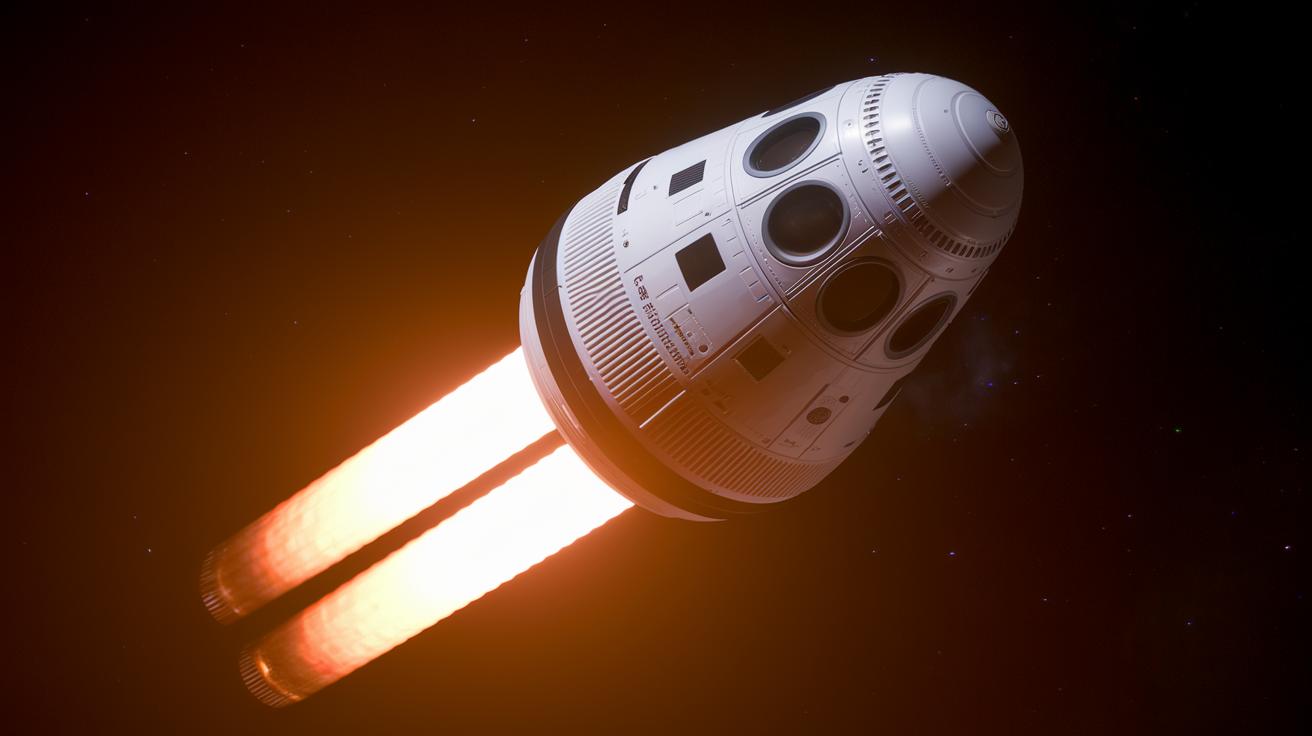
The Orion capsule is sparking buzz thanks to its smart heat shield and next-level avionics (electronic systems that help steer the spacecraft) built for long journeys into deep space. Engineers are testing new ways to speed up spacecraft travel while keeping them safe. Imagine watching a spacecraft smoothly glide through space, its modern heat shield protecting it from extreme heat as it comes back into a planet’s atmosphere.
Europe is reaching for the stars as well. The Ariane 6 rocket recently sent the Sentinel-1D satellite into orbit to watch over Earth. This launch is a big step that shows new rockets are not just about going fast but also about being reliable. European teams are also working on reusable rockets that can fly again by the early 2030s. Picture a rocket landing safely back on Earth after its mission, ready to take off once more. This is a clear sign that space travel is becoming more cost-effective and sustainable.
NASA’s X-59 quiet supersonic jet has just finished its first test flight, a neat advance in high-speed travel that cuts down on noise. This new quiet technology might change how we think about supersonic travel, offering passengers a smooth and almost silent ride. Instead of the loud roar of regular jets, imagine zipping through the sky in near silence. All of these innovations in propulsion, reusable systems, and safety show that our technology is steadily lifting us into a new era of space exploration.
Lunar and Martian Space Travel Projections
The Artemis program is setting the stage for a future in which the Moon isn’t just a destination, it becomes a busy hub for refuel and resupply. Astronauts will soon be able to use the Moon as a base where they create oxygen and rocket fuel from the loose surface material (regolith). This clever fuel-in-place idea could make deep space missions a lot more efficient and open new paths for long trips.
Researchers are also sketching out plans for human missions to Mars, with timelines reaching into the late 2030s. These journeys rely on fresh breakthroughs in technology and steady funding. Can you picture stepping onto Mars and feeling its rugged crunch under your boots? This dream has sparked excitement among scientists and space fans alike. The lessons learned from our lunar bases will be key in prepping crews for the longer venture to the Red Planet.
Meanwhile, talks about exploring Venus are gathering steam, with NASA, ESA, and JAXA joining forces. Planned missions in the late 2020s to early 2030s aim to study Venus’ thick atmosphere and searing temperatures. Although these missions are thrilling, they hinge on tight budgets and smooth international teamwork, balancing big dreams with practical steps.
Each of these projects, exploring the Moon, Mars, and even Venus, paints a bold picture of our growing journey into space. The techniques honed on the Moon might just be the blueprint for all our future interplanetary adventures, opening up a new chapter in space travel.
Human Space Travel Research in Microgravity
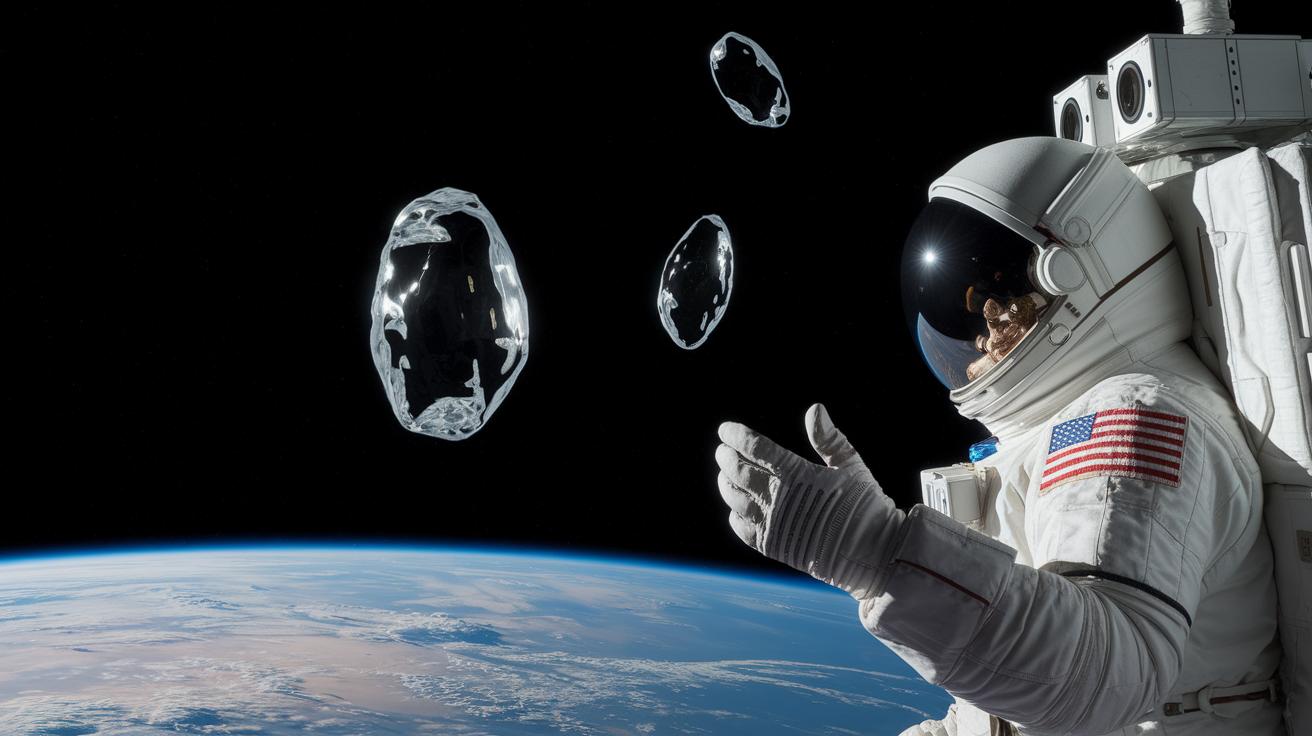
Exploring space where gravity is weak is teaching us exciting new things about living beyond Earth. On the International Space Station, scientists run experiments in biology, fluid physics, and materials science to see how these things behave in a micro-gravity setting. For instance, they watch how fluids mix without Earth's pull, noticing that liquids can form surprising shapes. This research might even change the way we think about water and fuel systems down on Earth.
At the Tiangong station, the crew even held the first space BBQ using a specially designed oven. Imagine food sizzling as it drifts through zero gravity! This fun event isn’t just about a cool cookout – it also shows how improvements in life-support systems and crew comfort make long space missions more feasible. It’s a great reminder that everyday activities can be rethought for life in space.
Plus, there’s a live 24/7 4K streaming service that gives us stunning views of our planet and even real-time aurora forecasts. Seeing Earth’s weather and the shimmering lights of the auroras makes science feel closer and inspires wonder in all of us.
Safety and Regulations for Space Travel
Space travel has tough rules to help keep every journey safe. For example, Latvia became the 60th country to sign on to the Artemis Accords. These accords are like a shared playbook for nations working together in space. They include clear guidelines on peaceful exploration, using space resources, and helping each other in emergencies. Imagine a sports team agreeing on safety steps before a big game, that’s what these rules do for astronauts out there.
NASA’s Commercial Crew Program really focuses on safety too. Private spacecraft, such as the Crew Dragon, must pass a bunch of strict tests before they can launch. These tests don’t just check boxes; they make sure every launch meets high safety standards. Picture a dedicated engineer who carefully inspects every bolt and wire before a major test run. This close-checking work helps reduce risks when rockets soar into the sky.
This mix of international agreements and careful safety checks makes space travel not only thrilling but also safe for everyone involved.
Future Space Travel Tourism and Habitats
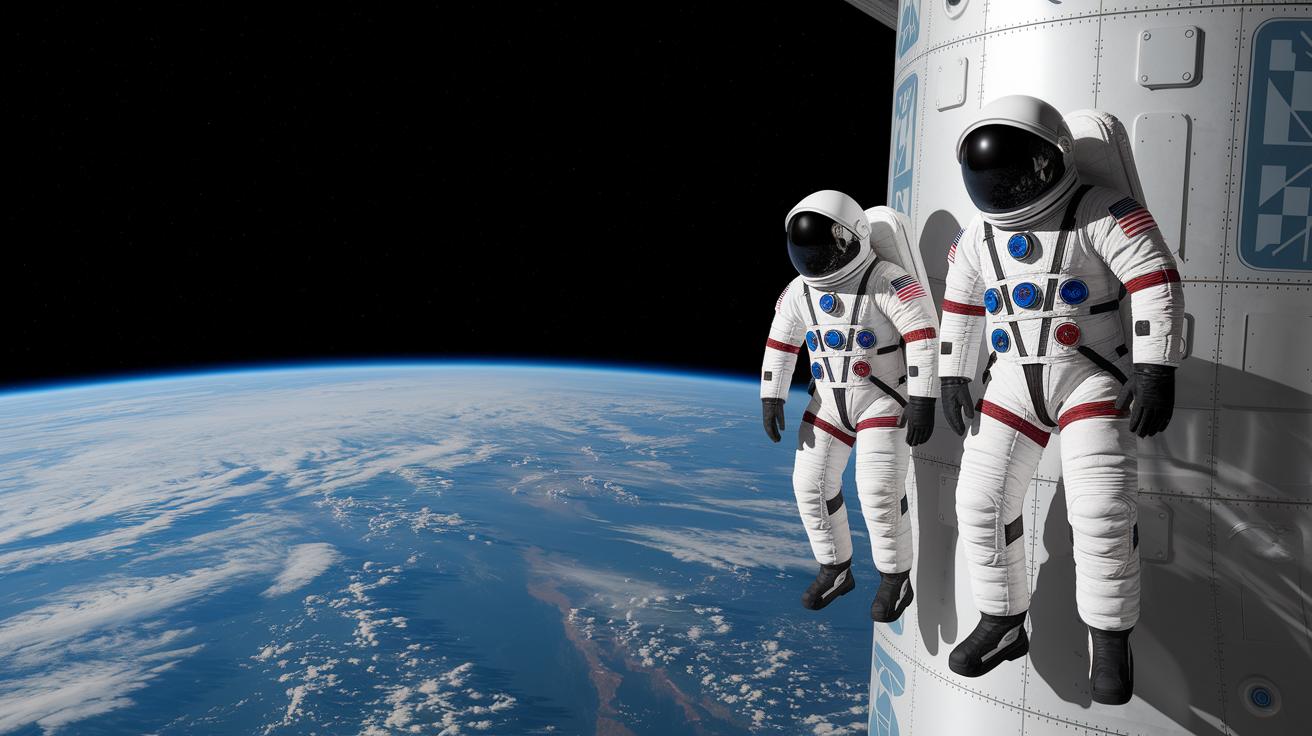
NASA is working together with private companies to make space vacations and hotels a real possibility. In the early 2020s, some firms are even planning short trips just above Earth, and soon we might see longer trips that let you orbit the planet. Imagine booking a two-week stay in a space hotel, where you can enjoy stunning, all-around views of our blue planet.
These bold ideas are driving new designs for living in space. Engineers are testing everything from lightweight, inflatable modules meant for low Earth orbit to lunar outposts built with materials found on the Moon. Smart building techniques and sturdy, yet light materials are key to making these space habitats both practical and affordable.
Scientists are also working hard to ensure that space travelers can float in zero gravity and enjoy breathtaking views safely. With technology improving every day, space travel is shifting from top-secret government missions to thrilling, everyday adventures. Simple, modular designs that can change and grow over time are slowly turning the dream of space tourism into reality.
International Collaborations in Space Travel
Agencies around the world are teaming up to take space travel to new heights. The International Space Station is a great example. It was built by NASA, Roscosmos, ESA, JAXA, and CSA, working together like good friends. Up there in space, scientists mix ideas, run experiments, and learn from one another while they float above our planet.
On the International Space Station, you really notice how different cultures and ways to do science come together to help us understand life beyond Earth. And this spirit of teamwork is just getting started. For example, the Artemis Accords now have 60 nations from six continents working together with shared lunar goals. These accords help everyone follow the same rules and make sure lunar missions are clear and honest.
The teamwork goes even further with projects aimed at understanding other planets. Planned missions to Venus by NASA, ESA, and JAXA show how sharing money and ideas can lead to new discoveries. These joint missions not only pool resources but also build trust among space agencies worldwide, making space travel even more exciting.
- ISS partnership of multiple agencies
- Artemis Accords bringing nations together for shared lunar goals
- Joint Venus missions through multinational cooperation
Final Words
In the action, we saw how modern space travel has shifted gears with lunar missions, new capsule designs, and private firm milestones. The post took us from historical projects to current tech advances and international ties that make deep space projects possible. It connected government missions with private sector breakthroughs, highlighting how all these aspects come together to shape our understanding of the cosmos. Reading these updates leaves us excited about what's ahead in space travel and how everyday life benefits from these scientific strides.
FAQ
What is space travel tourism?
The concept of space travel tourism means trips for civilians to experience space. Commercial providers plan short suborbital flights that give adventurers a unique view of Earth and space.
What will space travel in the future look like?
The idea behind future space travel includes more routine flights, lower costs, and regular missions in orbit and beyond as commercial partnerships with government agencies expand access.
What is a space travel toy?
The term space travel toy refers to models or playsets that mimic spacecraft and rockets, sparking curiosity and inspiring learning about space exploration for enthusiasts of all ages.
What are space travel earbuds?
The phrase space travel earbuds can describe specially designed earphones that meet the challenges of the space environment, combining innovative design with high-quality audio performance.
What is the cost of space travel?
The cost of space travel typically ranges from hundreds of thousands to millions of dollars, depending on the mission type and provider, with commercial trips having premium pricing structures.
What is a space travel drawing?
A space travel drawing depicts spacecraft and cosmic scenes, capturing the excitement and wonder of space exploration through creative and expressive art.
What is a space travel agency?
The concept of a space travel agency involves organizing trips beyond Earth, helping clients navigate available missions and handling the logistics of commercial space journeys.
What does space travel Katy Perry refer to?
Space travel Katy Perry likely alludes to a creative or promotional project linking the pop star’s influence with themes of space, blending music and cosmic adventure.
Is one hour in space equal to seven years on Earth?
The idea that one hour in space equals seven years on Earth is a myth. While physics causes slight time differences due to speed and gravity, the effect is very minimal.
Why are those two astronauts stuck in space?
The situation where astronauts appear stuck in space usually stems from technical delays or safety protocols, with mission control working carefully to resolve issues and facilitate a safe return.
What is space travel called?
The term space travel is often called spaceflight, referring to any journey beyond Earth using rockets or other spacecraft for exploration, research, or tourism.