
Have you ever wondered if a worldwide promise could help cool our planet? The Paris Climate Agreement brings countries together to lower pollution (harmful gases that warm our earth) and keep our world cooler.
This promise was signed by nations that contribute a lot to global pollution, and it sets out a clear plan for cleaner growth while putting our climate first. It even makes us think twice about how we power our everyday lives. Stick around as we dive into how this agreement sparks new hope for our Earth’s future.
Paris Climate Agreement: Climate Hope
The Paris Climate Agreement is a worldwide promise where countries come together to fight climate change by cutting down on harmful gases (like carbon dioxide) that warm our planet. It was adopted at COP21 in December 2015 and officially took effect on November 4, 2016, when 55 nations, responsible for 55% of global emissions, signed on. Essentially, this treaty lays out a simple plan for nations to work together, keeping our planet cooler while encouraging growth that doesn’t harm the Earth.
The big goal here is to stop the global temperature from rising more than 2°C above pre-industrial times, with a strong push to keep it under 1.5°C. This target shows just how important it is to reduce emissions from burning fossil fuels (like coal and oil) and other industrial activities. If you’re curious about the link between these emissions and the weather we experience every day, check out What is climate change (https://buzzyandclever.com?p=). Even a tiny uptick in temperature can lead to much stronger heatwaves and storms.
This pact brings together 195 parties, with each country submitting its own Nationally Determined Contribution (NDC), in other words, a plan on how to cut emissions and adapt to our changing climate. These plans are meant to improve over time as countries step up their efforts. With a shared set of goals and expectations, the agreement offers a clear roadmap for all to work together in reducing emissions and facing climate change head-on.
Countries sign up for this treaty knowing that quick action today can help build a more stable and optimistic climate for tomorrow. In its own way, the agreement shines as a beacon of hope, uniting nations to create a resilient and sustainable future.
Historical Context of the Paris Climate Agreement
Many of the ideas behind the current climate treaty started decades ago. In 1992, world leaders gathered under the UNFCCC (United Nations Framework Convention on Climate Change, which is a plan for countries to work on climate issues together) to chat about future teamwork. Soon after, in 1997, the Kyoto Protocol came along. This was a big deal because it set specific goals, but only for richer countries, showing the world a new way of thinking about climate change as a global challenge.
Then, in December 2015, at the COP21 meeting in Paris, diplomats and experts got together to shape a far more inclusive agreement. Unlike earlier efforts, this new treaty invited every country to join in, no matter how rich or poor they were. The Paris Agreement was built to be flexible so that each nation could create its own plan to cut down on harmful emissions (bad gases that warm our planet).
When 55 countries, accounting for 55% of global emissions, ultimately agreed to the plan, it officially started on November 4, 2016. This important moment marked a new chapter in how countries work together to make our planet cooler and more stable.
Core Goals and Emission Targets in the Paris Climate Agreement
We all know that the Paris Agreement sets clear temperature limits and national commitments (NDCs, or nationally determined contributions). But right now, there’s a growing challenge. Many nations are finding it hard to match short-term political cycles with long-term climate plans. For example, if a country takes its time updating its plan, local communities might not be ready when sudden climate shocks hit. I recently came across a study that showed even a small delay of 0.2°C in changing policies can push weather extremes to become more severe.
Nations are also changing the game. Emerging economies are stepping up by developing new green technologies and calling for more flexible tools for financing and technology sharing. This shift is not only changing priorities within countries but is also reshaping global cooperation.
Besides that, the fast-changing nature of the Agreement means we need flexible approaches instead of one set-in-stone plan. Policy makers are now leaning toward adaptable solutions that work for different political and local situations. Imagine a small tweak in local transport rules sparking a series of energy reforms across an entire region. It’s a great reminder of how one change can create a wave of new possibilities.
- Countries struggle to balance short-term political cycles with their long-term environmental promises.
- Shifting roles and innovative strategies are now key as nations adapt to new economic and technological realities.
- Flexible and adaptive planning is essential for hitting future climate targets.
Mechanisms and Legal Foundations of the Paris Climate Agreement

The Paris Climate Agreement is built on a strong system that makes countries report and review their progress. At its core is the Transparency Framework (a set of clear rules) that asks every nation to check its greenhouse gas levels every two years and send in progress reports. It’s a bit like a routine doctor’s check-up, showing us if a country is keeping its promises and providing a solid record to look back on.
Every five years, the agreement calls for a Global Stocktake, a big review of how all the countries are doing together. Think of it like a classroom report card where all the students’ grades are added up to see the overall performance. This global check helps countries see how well they’re hitting shared targets and where they might need to do more, just like a team coming together to review projects and plan for the next term.
New countries can join the Paris Agreement if they meet clear rules. Their promises kick in 30 days after they officially agree, so they can quickly start contributing to the global fight against climate change. And if a country later decides it wants out, it has to wait three years before leaving. This waiting period is like a trial run, giving nations time to really think about the effects of their decision, without any extra cost.
All these legal and procedural tools form the backbone of the agreement’s accountability. They create a steady system for checking, adjusting, and reporting each nation’s efforts, which in turn builds the global teamwork needed to tackle climate challenges. This approach keeps the treaty strong over time and continues to support our shared commitment to protecting our planet.
Country Participation and Status Under the Paris Climate Agreement
By 2025, 195 UN member states will have joined the Paris Climate Agreement. Almost every country is working together to cut down on harmful greenhouse gases. Only Iran, Libya, and Yemen have not fully become part of the treaty. Their decision not to join shows some of the ongoing political and economic challenges when trying to create a worldwide deal.
Take the United States, for example. In 2020, the U.S. decided to leave the agreement, which worried both climate experts and global leaders. Then in 2021, the U.S. came back, showing that political changes can really shift a country’s commitment to this global pact. It goes to show that nations can change their minds based on their national policies.
Every country signing on must send in its own Nationally Determined Contribution (NDC), which lays out their plans to reduce emissions. They also have to give regular progress reports through something called the Transparency Framework (a system for checking progress), which makes sure everyone stays on track.
- This system makes it clear what each country needs to do
- It builds trust by keeping an eye on whether countries are following through on their promises
This organized method helps the agreement stay flexible and ready to respond to the world's growing needs.
Implementation Progress and Global Impact of the Paris Climate Agreement
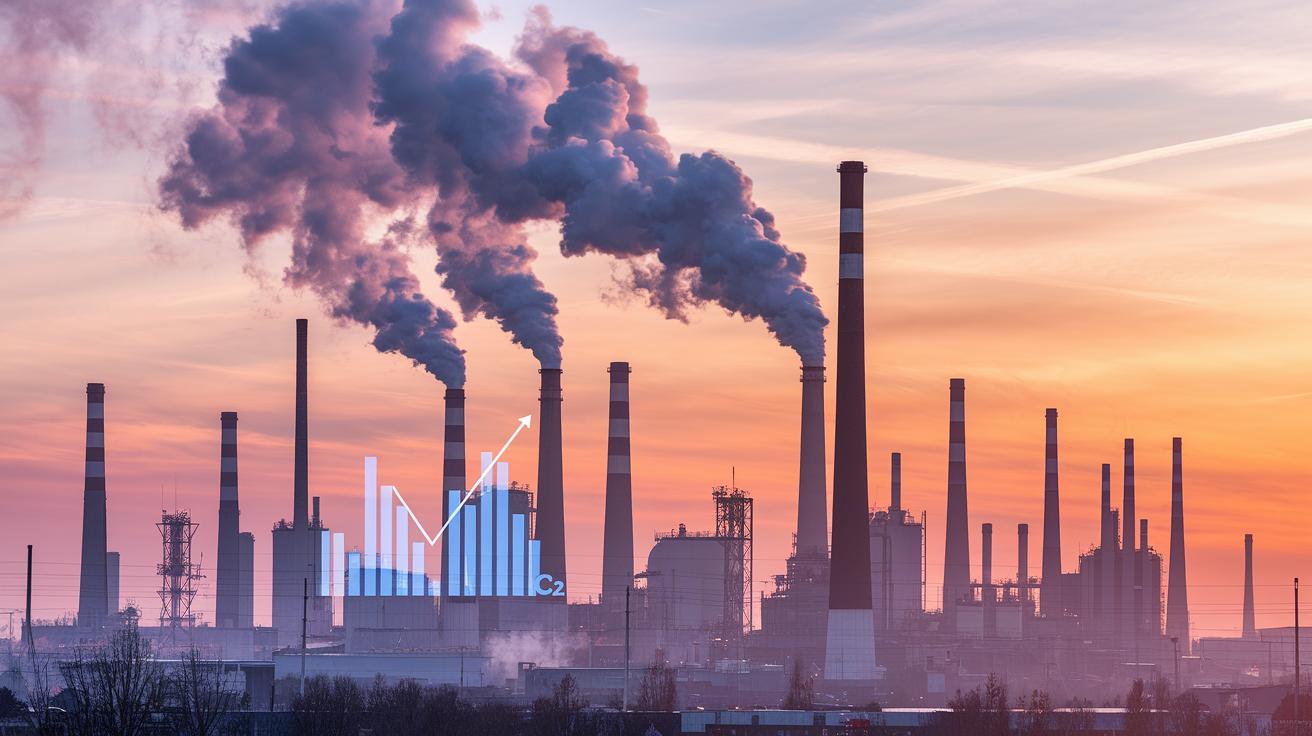
Since the Paris Agreement came into play, many countries have revisited their promises to cut emissions by adding targets for net-zero emissions by mid-century. Big economies have shifted their long-term plans to curb greenhouse gases, but current promises still suggest that global temperatures could rise more than 1.5°C by 2030. There’s a clear gap between what’s been promised on paper and what we actually need to do.
The numbers tell an urgent story. Carbon dioxide has jumped 40% since 1750, nitrous oxide by 20%, and methane levels have surged by 150% (methane is a potent gas that traps heat). Even with steps in the right direction, the total emissions keep climbing, showing that stronger national actions are needed to meet our climate goals.
Around the world, local projects are stepping up to fight the effects of climate change. For instance, the Great Green Wall project in the Sahel is restoring ecosystems and boosting local resilience against extreme weather. By helping communities improve farming and water management, projects like this show that local actions can work hand in hand with national policies for a better future.
- Updated plans make net-zero targets clearer
- Real-world data exposes the gap between promises and results
- Local projects highlight how community efforts can drive big changes
Progress is happening, yet the challenges remain huge. Countries are trying out innovative strategies and fresh plans, but the rising emissions remind us that meeting our promises requires constant effort. Every step made by national climate action bridges the gap a bit more, paving the way for a cooler, healthier future. And those local wins keep fueling our hope and drive to cut emissions and adapt quickly to our changing world.
Challenges and Future Outlook for the Paris Climate Agreement
Many critics say that our current national plans, known as NDCs (nationally determined contributions), may not be enough. They point out that these plans cover only about half of the emission cuts needed to keep global warming below 2°C. And if we want to stick to a tighter 1.5°C goal, the challenge becomes even tougher. Without stronger measures, we might not see the kind of reduction in harmful gases that we need.
Enforcing these plans is another tricky issue. Instead of having strict legal punishments, the agreement depends on clear reporting and the pressure countries put on each other to do better. While this method does encourage accountability, it also gives some nations a chance to fall short without facing real consequences.
Looking ahead, big meetings like COP26 in Glasgow will play a key role in shaping our global fight against climate change. These gatherings are expected to boost our ambitions, bring more funds together, and improve the strategies for reducing emissions. If you’re curious about more ideas on how to tackle climate change, you can explore additional resources here (https://buzzyandclever.com?p=).
- Critics highlight a gap between current emission targets and what’s needed.
- Enforcement leans on transparency and mutual encouragement rather than strict penalties.
- Upcoming global summits are set to push for stronger and more practical climate strategies.
Final Words
In the action, we explored what is the paris climate agreement and its role in shaping global steps to keep our planet cool. We saw how it evolved from early efforts, examined the goals, and looked at how countries work together. The discussion showed real-life progress alongside ongoing challenges. Every step is a chance to learn more and push for a cleaner future. It’s amazing to see science and policy come together to help our world thrive.
FAQ
What is the Paris Agreement PDF?
The Paris Agreement PDF is a digital document containing the treaty’s full text, detailing its goals, guidelines, and commitments for reducing greenhouse gas emissions on a global scale.
How many countries signed the Paris Agreement?
The Paris Agreement has been ratified by 195 UN member states, with most nations signing on, though Iran, Libya, and Yemen have not fully joined.
What is the Paris climate agreement in simple terms?
The Paris Agreement is a global plan where countries set their own targets to reduce harmful emissions, aiming to keep warming well below 2°C and working towards a 1.5°C limit.
What is the Paris climate agreement PDF?
The Paris climate agreement PDF refers to a downloadable file that presents the comprehensive treaty text, which outlines how countries should curb emissions and support climate resilience.
Can you provide a summary of the Paris Agreement?
The Paris Agreement is a pact where countries pledge to lower greenhouse gas emissions, meet national targets, report progress regularly, and review collective efforts every five years.
Who signed the Paris Agreement?
Nearly every UN nation has signed the Paris Agreement, with 195 countries ratifying it; only a few, like Iran, Libya, and Yemen, have not joined yet.
How does the Paris Agreement work?
The Agreement works by having countries create and share their own plans to reduce emissions, report their progress regularly, and participate in a five-year global review process to boost climate actions.
Which countries did not sign the Paris Agreement?
Only a few countries have not joined the Paris Agreement, specifically Iran, Libya, and Yemen, while nearly all other UN members are active participants.
What are the 5 main points of the Paris Agreement?
The five main points include keeping warming below 2°C, aiming for 1.5°C, requiring national plans for emission cuts (NDCs), establishing a transparency framework for reporting, and setting a global review every five years.
Is the US currently in the Paris Agreement?
The US is active in the Paris Agreement; after leaving in 2020, it rejoined in 2021 and has reaffirmed its commitment to working with other nations on climate action.