
Have you ever pictured your home turning into a lab floating high above Earth? China’s space station mixes snug living spaces with top-notch science in orbit. This small marvel shows off clever design that makes a big splash around the world, turning old ideas about space travel on their head.
Its parts fit together like a smooth-running machine, proving that smart design matters more than size. In this article, we dive into how this orbital outpost is changing the way we look at space research and teamwork on a global stage.
Chinese Space Station Essentials: Purpose, Structure, and Capabilities
China’s space station is a high-tech space lab that helps astronauts live and work in orbit while scientists explore everything from medicine to environmental science. It was finished on November 5, 2022, when the Mengtian module (a special building block) was added permanently. Imagine a place where the cozy feel of a small home meets the excitement of breakthrough science.
The station is built with three main parts, known as modules. The heart of the station, Tianhe-1, is a long module measuring 18.1 meters and weighing about 22 metric tons (a metric ton is a unit of weight). Its interior feels a bit like a villa and supports long missions for both crewed spacecraft and resupply trips. Two other lab modules work alongside Tianhe-1, creating a strong and flexible design that can adjust for many types of research and space operations.
This space station is designed for both military and civilian uses and includes advanced satellite communications (systems that send and receive signals over long distances). One neat fact is that while the International Space Station weighs about 400–450 tons, China’s station comes in at just 80–90 tons, only roughly 20% of the ISS’s mass. This compact yet powerful design shows China’s big achievements in space and their commitment to building a versatile research hub in orbit.
Key features of the station include a dependable platform for scientific experiments as well as a strategic tool for space exploration and international teamwork. Imagine stepping into a space lab that redefines what comfort and functionality mean in orbit, this blend of innovation and ease is truly exciting.
Development History of China’s Orbital Space Station Program
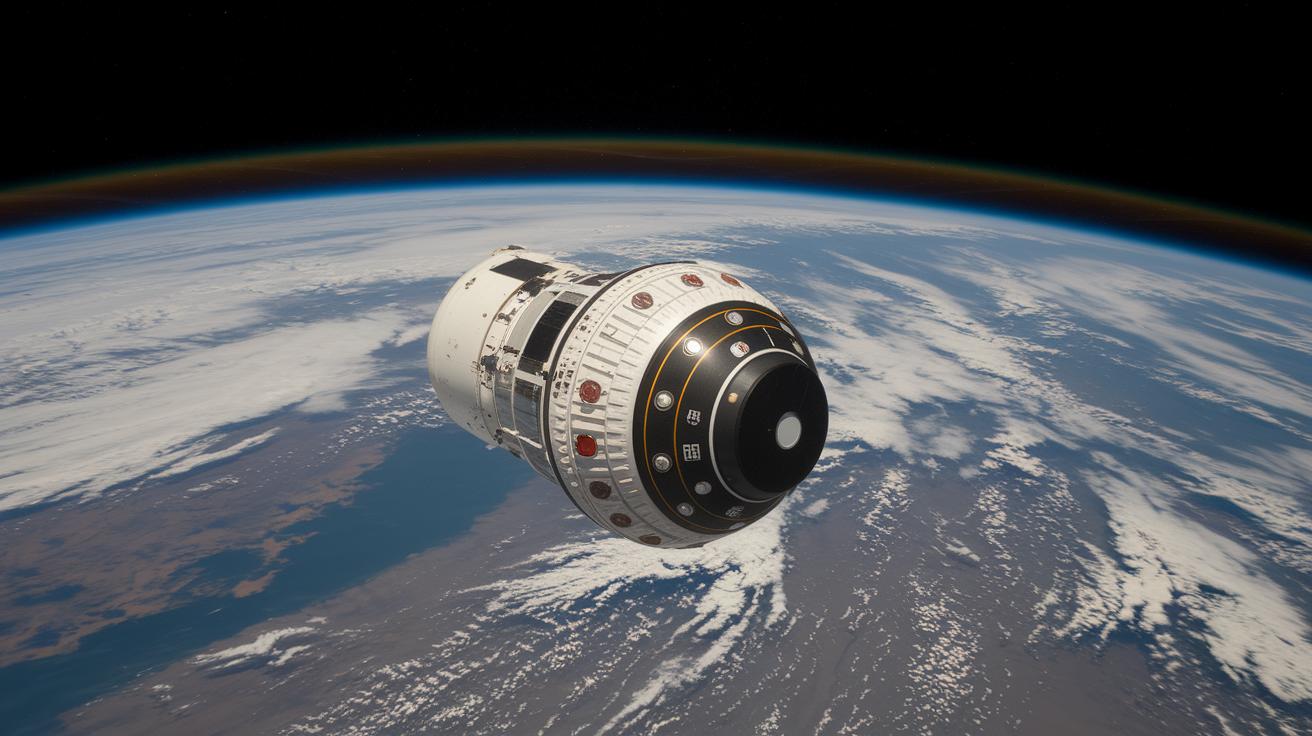
Back in 1992, Project 921 got the go-ahead, sparking an exciting plan to build a national space station. Imagine the excitement – one bold decision set a series of milestones in motion, laying the foundation for many impressive achievements in China’s space journey.
Then in October 2003, a pivotal event unfolded with the launch of Shenzhou-5. Lt. Col. Yang Liwei was on board as the spacecraft circled the Earth 14 times over 21.5 hours. This amazing flight not only showed off solid engineering skills but also boosted the country’s belief in human spaceflight.
By 2011, the launch of the Tiangong-1 pathfinder lab made it clear that China was serious about studying space up close (pathfinder lab means an initial test space lab). A few years later, towards the end of 2016, the Tiangong-2 mission teamed up with the Shenzhou-11 crewed flight that lasted 30 days to prove that people could live in space for extended periods.
In July 2019, Tiangong-2 was carefully brought down from orbit to clear the way for a newer, more advanced space station. Throughout these efforts, funding was key – with RMB 20 billion support given from 1992 to 2005 and another RMB 15 billion from 2005 to 2011. By 2016, manned spaceflight took up about one-third of the overall space budget, highlighting its growing importance.
Architecture and Modules of the Chinese Space Station
China’s space station is built with three main modules that work together like parts of a well-oiled machine in space. The heart of the station is the core module, Tianhe-1, which stretches 18.1 meters long and weighs 22 metric tons. This module is the backbone of the station, keeping life support and research running smoothly. It is built much stronger, almost three times the weight capacity, than the earlier Tiangong-1 and Tiangong-2 test labs. Tianhe-1 finally launched in April 2021 after delays from a 2017 Long March 5 rocket mishap, marking a major step in setting up a modern space platform.
Next to Tianhe-1 are two lab modules named Wentian and Mengtian. These labs are designed to be flexible so that each one can meet different scientific and technical needs. They provide extra space for experiments and are essential when crewed spacecraft visit. Their design also makes it simple for Shenzhou crew vehicles and Tianzhou cargo spacecraft to dock. For example, the Tianzhou-2 cargo spacecraft, which lifted off in May 2021 on a Long March 7 rocket, delivered about 6.5 metric tons of essential cargo (including things like propellant that helps the station stay alive) to Tianhe-1.
This clever design shows how every module has a clear role in building up a strong in-space infrastructure. By making sure each part is versatile and connected, China has created a space station that weighs roughly 20% of the International Space Station yet still has plenty of space for long-term scientific missions.
Crew Missions and Life Support Systems on the Chinese Space Station
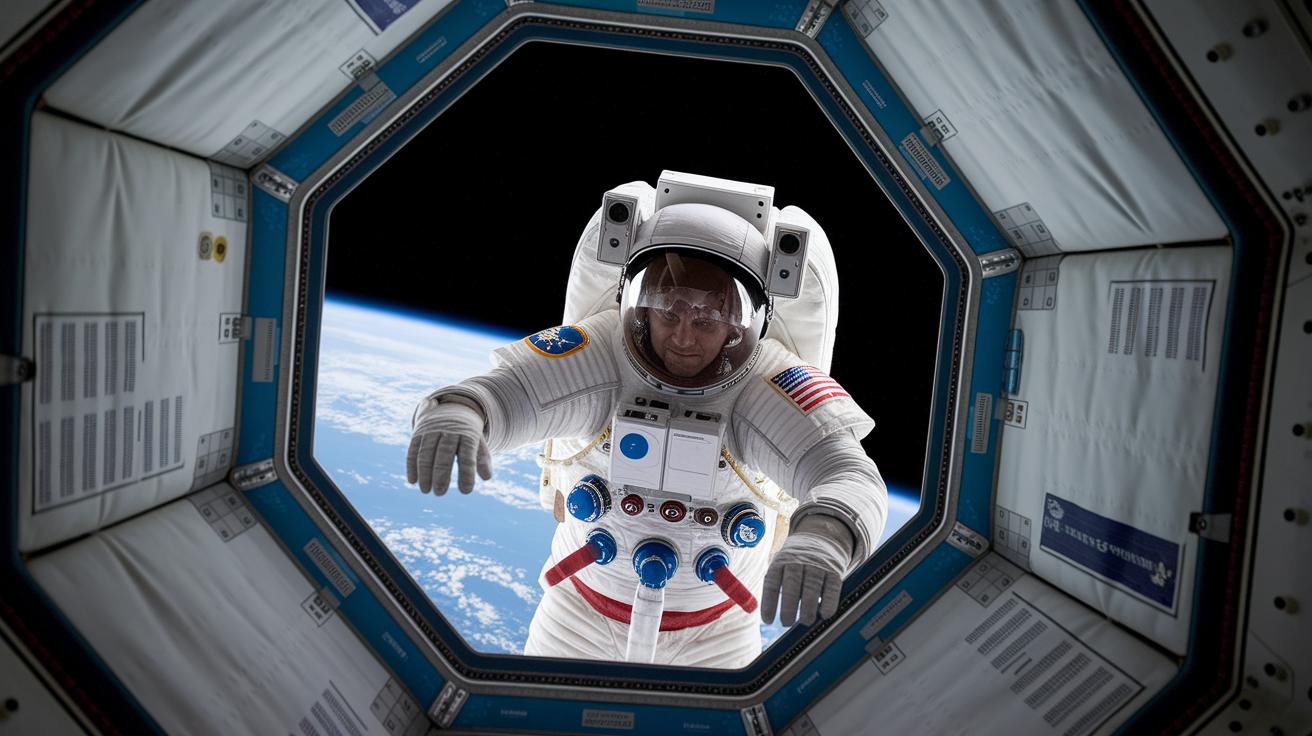
The station now boasts state-of-the-art life support that does much more than merely meet basic needs. Advanced air management systems recycle oxygen and scrub away carbon dioxide (the gas we exhale) to keep the environment balanced and home-like. Imagine a tiny sensor in space, always on the lookout for even the smallest change in air quality, ensuring the cabin stays safe and comfortable.
Other improvements include a water recycling system that cleans and reclaims used water, smart temperature controls that adjust the heat just right, and a design that makes the living area feel warm and inviting. Picture yourself enjoying a meal in zero gravity while the cabin maintains a steady pressure and perfect temperature.
| System | Innovation |
|---|---|
| Air Purification | Recycles oxygen and removes carbon dioxide |
| Water Recycling | Cleans used water into fresh, drinkable water |
| Thermal Control | Keeps temperatures steady and comfortable |
These life support upgrades create a secure setting that helps crew members live aboard for longer missions. Integrated sensors automatically adjust environmental controls to keep conditions ideal. With sustainable systems for both water and air, the cabin remains a safe, welcoming space in the vastness of space.
Docking, Cargo Resupply, and On-Orbit Operations of the Chinese Space Station
China’s space station has a cutting-edge docking system that uses laser sensors, inertial measurement units (IMUs, devices that track motion) and smart computer algorithms to line up perfectly in space. This system handles tricky challenges like tiny shifts from microgravity and small misalignments. It works a bit like a robot’s gentle handshake, imagine a spacecraft carefully moving into place as if it were dancing to precise digital signals.
The docking process starts with a broad, coarse approach using wide-field sensors and then moves to a fine, detailed alignment using high-accuracy instruments. These steps are built to meet strict international safety and efficiency standards while quickly adapting to any changes. The onboard software keeps a constant watch on motion, adjusting the spacecraft’s course in real time, almost like having an expert co-pilot at your side.
| Feature | Chinese System | International Standard |
|---|---|---|
| Sensors | Laser, IMU, multi-mode cameras | Optical, radar |
| Algorithm Adaptability | Real-time corrections using machine learning | Pre-programmed guidance routines |
| Operational Focus | Adaptive precision and efficiency in on-orbit resupply | Standard safety protocols |
These smart improvements lower risks during automated docking and make cargo transfers and on-orbit operations run more smoothly.
Scientific Research and Experiments Aboard the Chinese Space Station
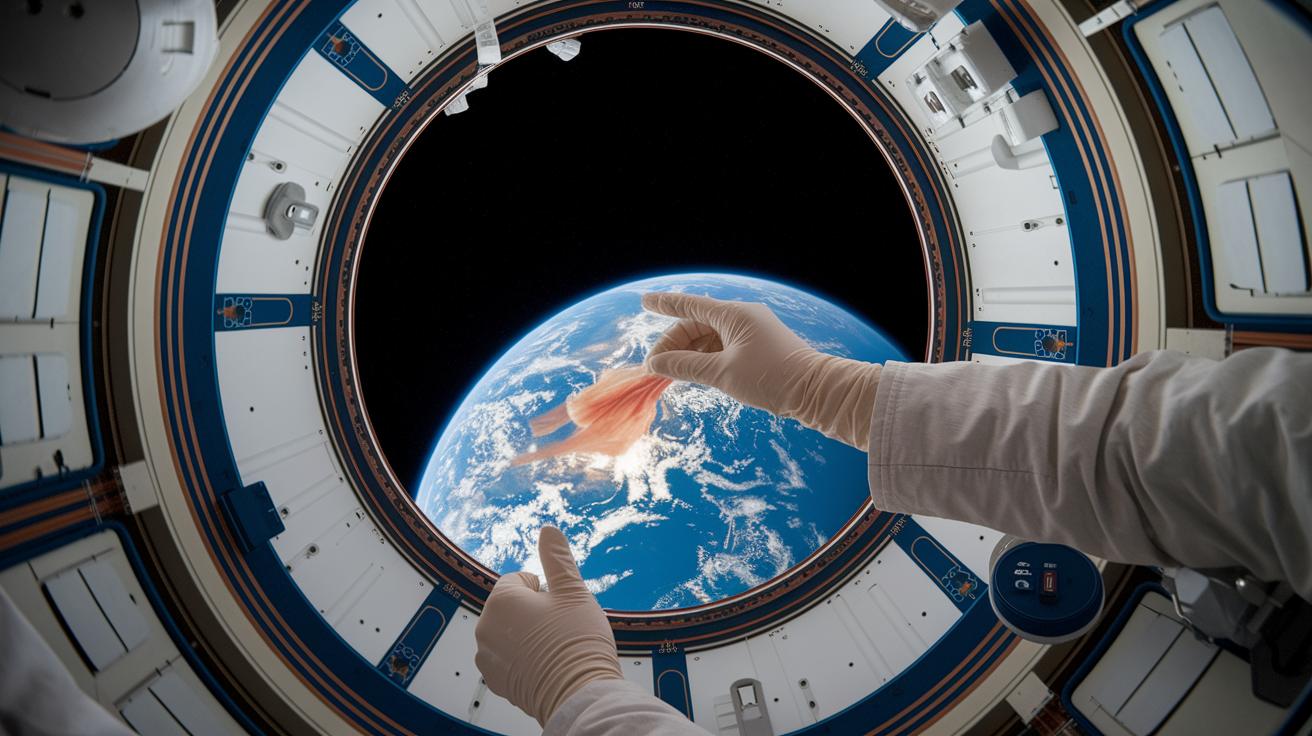
This space station’s lab modules create a high-tech place for experiments that look at medicine, environmental science, and technology. The lab is much bigger than earlier ones like Tiangong-1 and Tiangong-2, so scientists can study how things behave differently in microgravity (almost no weight). For example, they test biomedical ideas in near-weightless settings to see how cells react. It’s a bit like watching how a plant grows in a zero-gravity greenhouse.
Inside these labs, researchers study how living things change when they’re in space. Picture a lab where tissues grow in unexpected ways, giving us clues about how life can adjust to different conditions. This work is super important since it helps us understand what long-term space travel might be like and might even help with ways to treat diseases here on Earth. Imagine learning that some tiny organisms actually do better in microgravity, it makes you wonder how life might evolve on other planets!
China also invites scientists from all UN member countries to join in on these projects. Working together with groups like the European Space Agency means a lot more minds tackling big questions. This global team-up not only makes the research broader but also builds bridges between different fields of science. In truth, the space station is a unique laboratory in orbit that lets people from around the world explore the limits of our scientific understanding.
Chinese Space Station: Bold Structure and Global Role
The US Wolf Amendment pushed China to change its approach to working with other nations. Instead of sticking with the usual Western partners, Beijing now teams up with a wide mix of UN member countries.
This shift means that Tiangong has turned into a space hub where scientists from around the world can share ideas and work on research projects together. Think of it like an open-door lab in orbit where everyone brings something unique to the table without being tied to traditional Western alliances.
Today, space partnerships are not just about science, they’re also a way to reach further global influence. With its sleek design and renewed purpose, Tiangong shows how China is reshaping its role in international research, even while dealing with limits set by US policies.
Future Prospects and International Cooperation for the Chinese Space Station
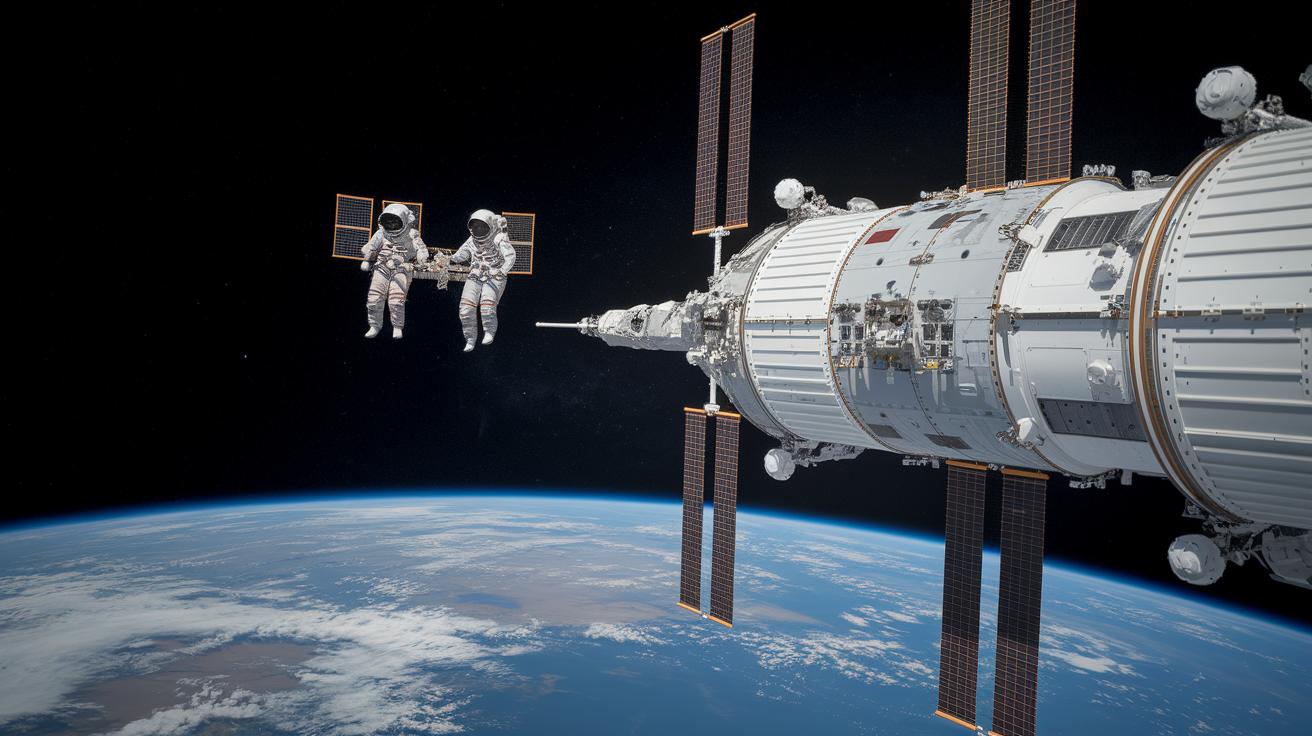
China's space station is getting ready for some exciting changes. It invites scientists from every UN member country to run experiments, turning the station into a lively spot for research and new ideas about living in space. Even the European Space Agency is eyeing a collaboration, opening up opportunities for countries to join forces in ways that could change how we explore space together.
After 2022, plans call for new modules that will boost the station’s research abilities. These additions aim to support next-generation space projects and long-term scientific dreams. They’re also designed to keep people working in orbit even after the International Space Station stops its service. Imagine a space lab where imaginative experiments blend with a homely feel, this mix of advanced science and comfort shows just how determined China is to lead in space exploration.
These upgrades promise a strong base for international teamwork and signal an exciting road ahead in space research.
Final Words
In the action, we've witnessed how the chinese space station evolved into a modern hub for research and crew support. The blog traced its development, detailed the design of its modules, and explained the crew missions and automated resupply operations in orbit. Small in scale compared to the ISS, its structure still packs a punch in scientific discovery and international collaboration. Every step of the way shows progress that makes space research more accessible and inspiring for everyone. It's an exciting time to stay updated on scientific breakthroughs.
FAQ
Frequently Asked Questions
How many space stations are there and how many Chinese space stations exist?
The phrase “space stations” often refers to major operational modules. Currently, China operates one space station built with three modules, while the ISS remains the other key international station.
What is inside the Chinese space station?
The Chinese space station has a comfortable, villa-like interior with advanced living areas designed for long-duration missions, accommodating both scientific research and crew daily life.
What does bacteria research aboard the Chinese space station involve?
Bacteria research on the Chinese space station helps scientists study how microorganisms behave in low gravity, which is key for understanding health and long-term effects during space missions.
How does the Tiangong space station compare to the ISS in size and capacity?
The Tiangong station is about 20% of the ISS’s mass and comprises three modules, while the ISS includes 16 modules and supports a larger crew with expanded research capabilities.
How many crew members can the Chinese space station support?
The Chinese space station is designed to support up to three crew members at a time, with regular crew rotations using Shenzhou spacecraft for sustained human presence.
How can I track the Chinese space station?
Several apps offer real-time tracking of the Chinese space station, showing its orbit and status details much like tools available for watching the International Space Station.
Why did China choose to build its own space station instead of joining the ISS?
China built its own station to pursue independent research and national space capabilities, partly due to policy restrictions that limit its participation in the ISS program.
Why isn’t China allowed on the ISS?
China isn’t allowed on the ISS because of legislative policies that restrict cooperation, emphasizing national security concerns and technology sharing limitations between nations.