
Ever wondered if our daily weather might start surprising us in new ways? Climate change is shaking things up for our planet, making nature follow some unexpected twists. When temperatures rise, planting seasons move around, and storms can catch us off guard.
But there’s a silver lining. Communities and scientists alike are piecing together clever ways to adapt and protect our world. Today, we’ll explore how these warmer days are shifting our natural balance and why there’s a promising side to a changing climate.
Key Environmental Consequences of Climate Change
Climate change means our planet’s weather is shifting in ways we haven’t seen before. It happens when extra greenhouse gases in the air trap heat, causing what we call global warming, this is just a slow rise in the average temperature of our Earth. Imagine if the familiar weather suddenly turned unpredictable, with surprise heavy rains and long dry spells, all because of extra CO₂ in our atmosphere.
Rising temperatures throw off nature’s clock. Plants don’t grow when they’re supposed to, and animals sometimes miss their usual migration times. Picture a farmer who once knew exactly when to plant his crops, now, unexpected warm spells can really upset his schedule. This mix-up disrupts the balance that ecosystems have relied on for years.
Changes in rainfall make things even trickier. When heavy rainstorms follow long dry periods, the land and water struggles to keep up. These unpredictable wet and dry spells can alter habitats, making it hard for plants and animals to do well in their natural homes. Reliable water sources become a thing of the past, leaving both communities and local wildlife forced to adapt quickly.
- Sea level rise from melting ice sheets
- Loss of biodiversity in terrestrial and marine ecosystems
- Intensified heatwaves and heat-related stress
- Increased frequency of extreme weather events
- Ocean acidification from rising CO₂
Recent research shows that even a small bump in temperature can lead to serious changes. Each degree Celsius of warming (that’s about 1.8°F) can mean more erratic weather, thrown-off growing seasons, and fewer animals in an area. These shifts trigger a chain reaction, reshaping habitats, stressing food chains, and pushing both people and nature to adjust in a rapidly changing world.
Sea Level Rise and Polar Ice Loss under Warming Trends
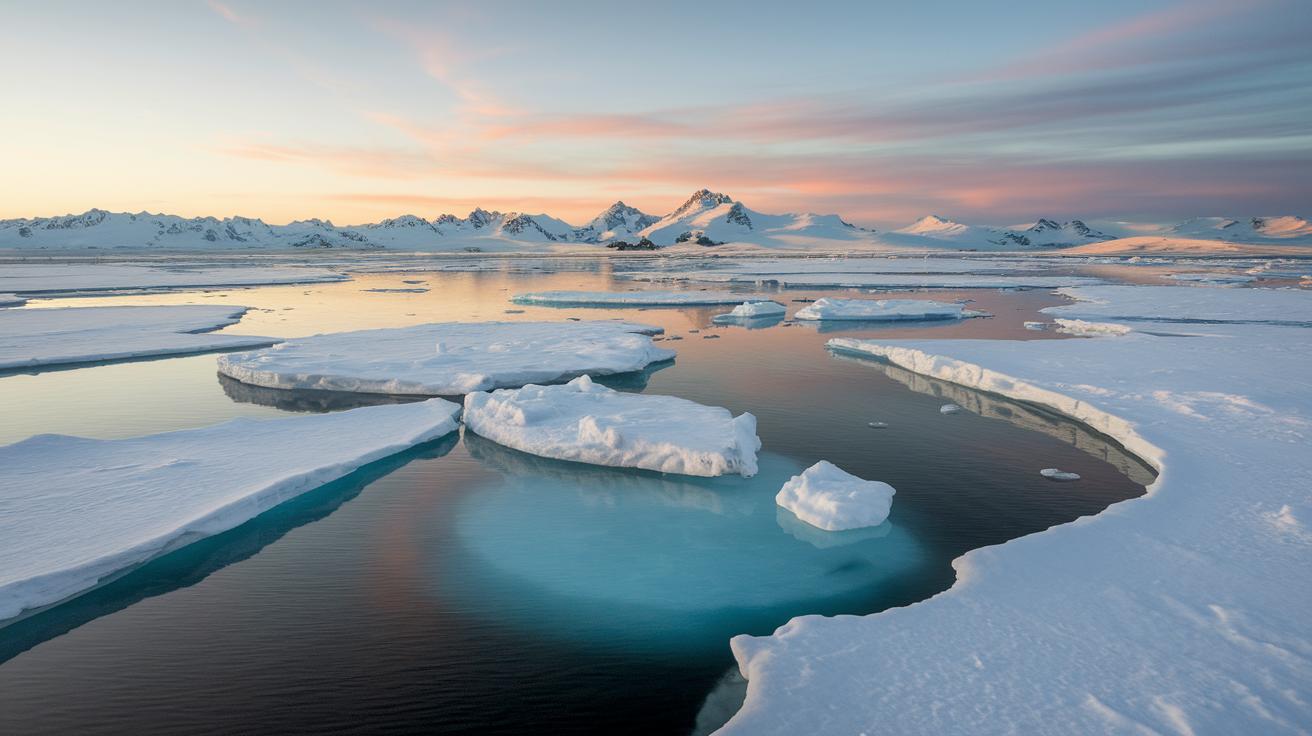
Polar amplification is a fancy way of saying that the poles warm up faster than other parts of our planet. In the Arctic, temperatures are rising twice as fast as elsewhere, which means the ice melts very quickly. Imagine leaving your freezer door open on a hot day, the ice just doesn’t stick around for long.
Ice sheets are breaking up and glaciers all over the world are getting smaller. Since 1961, scientists have noticed that glaciers have lost about 9 percent of their ice mass. If we keep pumping out gases that warm the Earth, sea levels might rise by nearly 6.6 feet by the end of this century. That extra water slowly swallows up land, much like how a tiny leak can eventually water down a whole garden. Even small changes in temperature can upset whole natural systems.
Coastal towns are starting to face more flooding and worn-away shorelines. With more ocean water, even ordinary storms can push extra water onto lands that aren’t ready for it. This puts pressure on local buildings and roads, forcing communities to quickly find new ways to protect themselves.
Intensified Weather Events and Climate Extremes
Our changing climate is making the weather feel a lot more wild and unpredictable. Shifts in both temperature and moisture mean we face longer dry spells and heavier, more intense rains when they arrive. For example, the Western U.S. has been in a 22-year megadrought, the driest stretch in at least 1,200 years, while other areas battle conditions that fuel wildfires, with California’s burned area increasing by 500 percent between 1972 and 2018. Even a small bump in temperature, like 1 °C (a bit warmer than usual), can push rainfall intensity up by about 7 percent. This shows just how sensitive and complex our weather systems really are.
| Event | Trend | Key Data |
|---|---|---|
| Drought | Longer and more severe | 22-year megadrought in the U.S. West |
| Wildfire | More frequent and intense | 500% increase in California burned area |
| Hurricanes | Stronger storms | 7% more extreme rainfall per °C increase |
| Flooding | Wider floodplains | 45% expansion by 2100 |
These shifts do more than just change our weather, they also put serious pressure on both people and wildlife. Flooding can damage homes and critical infrastructure, while severe heatwaves and wildfires pose real health risks. In many regions, these intensifying events are forcing communities to adapt quickly as the natural balance shifts around us.
Climate Change Impact on Ecosystems and Biodiversity

Our oceans are changing faster than ever. Heat waves in the ocean (bursts of unusually warm water) now happen about 33% more often, making life tough for tiny creatures like plankton and even some larger mammals. This quick change in temperature throws off how marine species feed and breed, leaving the entire habitat struggling to find balance.
Many sea creatures are now changing how and when they move. Imagine fish setting off earlier than usual or taking completely new routes, almost like they're chasing cooler currents. These shifts can upset long-standing food chains and put extra pressure on marine life, even for species known for bouncing back.
On land, the challenges are similar. Unpredictable weather weakens the soil, so plants can’t gather all the nutrients they need to thrive. Local animals face added stress from sudden pest outbreaks and invasive species moving in where native plants once reigned. It’s a bit like a well-tended garden suddenly overrun by wild weeds that choke out the old growth.
These changes set off a chain reaction. When one part of the food web struggles, the shock waves move through all connected species, leaving whole ecosystems to fight hard for survival.
Soil, Freshwater, and Agricultural Stress Under Changing Climate
Climate change is shaking up our water, soil, and farms. Changes in rain patterns and longer dry spells mean less water and softer soil that can’t support crops like before. Think of a garden that suddenly loses its richest soil and needed water, this is the everyday challenge for many places.
Declining Freshwater Resources
Across many regions, rivers and streams aren’t flowing as steadily as they did in the past. Underground water sources (aquifers) are slowly running out because there isn’t enough rain to refill them. Picture a small pond that shrinks with every dry spell until it barely holds any water for local folks. In dry areas, people have to compete more for every precious drop of drinking water. Some communities that once enjoyed plenty of river water now find that each drop is incredibly valuable during a long drought.
Soil Nutrient Loss and Crop Yields
When rain patterns change, the soil loses some of its strength. Without regular moisture, the soil’s organic matter (the healthy stuff in soil) fades away, much like a kitchen running low on its key ingredients. On farms, this loss makes crops grow weakly and lowers the harvest of important grains. Farmers now face shifting growing seasons and unexpected shortfalls that shake up food supplies. Studies show that some regions suffer from repeated crop failures and reservoirs that are slowly drying up. In these rural areas, where weather is already unpredictable, traditional farming methods are finding it harder to keep up with the growing need for food.
Human Health and Socioeconomic Risks from Environmental Changes

Heat, heavy air pollution, and wildfires are making us sick. With temperatures climbing higher, people who are already at risk find themselves battling heat exhaustion and dehydration more often. Breathing in smoky or smog-filled air can make asthma worse and put extra stress on the heart. For example, the World Health Organization warns that by 2050, extra heat, poor nutrition, malaria (a disease caused by mosquitoes), and diarrhea could claim 250,000 lives each year. Imagine a community where every scorching day doesn't just bring discomfort but poses serious health risks, this is the reality many face today.
Rising global temperatures are also starting to hurt our economy. Experts reckon that, by 2100, the U.S. might lose up to $500 billion every year because of climate-related problems. Picture a busy marketplace suddenly thrown into chaos after storm damage or local businesses struggling with repair costs after violent weather. Industries like farming and transportation are at growing risk as extreme weather wears down our infrastructure. This kind of economic strain means communities often end up with even fewer resources, hitting both our wallets and our well-being hard.
Extreme weather and long-term shifts in climate are also forcing more people to move. In places like Sub-Saharan Africa, South Asia, and Latin America, more than 140 million people might have to leave their homes by 2050. This forced migration shakes up lives and puts new social pressures on the areas that end up taking them in, imagine a small town suddenly having to welcome a huge number of new neighbors with unique needs.
Adaptation and Resilience Strategies for Environmental Protection
We can lower harmful emissions and get ready for the changes already on the way. Mitigation is about slowing the rise of greenhouse gases by choosing clean energy and cutting back on waste. At the same time, adaptation means updating buildings, farms, and daily routines so we can live with a warmer climate. Both approaches work together, one stops more damage, while the other keeps our communities safe. Imagine a town that boosts its bus system to reduce car pollution while also strengthening its buildings to handle heavy rains.
Smart policies help make these changes real. Leaders at all levels are creating new rules that promote green practices, support local projects, and drive economic growth. For example, switching to renewable energy and reducing methane (a strong greenhouse gas) are measures that protect both our environment and our communities as the climate changes.
Nature also shows us a way forward. Restoring wetlands, planting local forests, and keeping open spaces natural all help absorb extra carbon and refresh local ecosystems. At the same time, upgrading infrastructure with better drainage and protected coastlines helps towns deal with tougher weather events. Recent rules now back these efforts by setting practical limits on emissions and guiding the shift to cleaner transportation.
When communities come together and share ideas, they spark action that benefits everyone. Working side by side across cities and regions sets a hopeful example for global progress.
Final Words
In the action, this article explored how shifts in temperature and weather patterns challenge natural cycles and human lives. We covered how rising seas, shrinking ice, and erratic storms affect ecosystems, impacting everything from food supply to public health.
The discussion also touched on adaptation strategies and community responses. These insights help us understand the effects of climate change on the environment, leaving us with hope for a smarter, collective approach to preserving our planet.
FAQ
Q: What are the negative effects of climate change on the environment?
A: The negative effects of climate change on the environment include rising sea levels, loss of species, increased heatwaves, more extreme storms, and changes in ocean chemistry that disrupt natural systems.
Q: How does climate change affect both humans and the environment?
A: The effects of climate change affect both humans and the environment by altering weather patterns, reducing food and water availability, worsening health issues from heat and pollution, and impacting economies through costly weather disasters.
Q: What are some common lists of climate change effects, like 5, 7, 9, or 10 effects?
A: The common effects include sea level rise, loss of biodiversity, intensified heatwaves, increased extreme weather events, and ocean acidification, along with impacts on agriculture, public health, economic stability, and freshwater resources.
Q: What causes climate change?
A: The causes of climate change are primarily linked to greenhouse gas emissions from burning fossil fuels, deforestation, and various industrial activities that trap heat, warming the planet over time.
Q: What might happen if we don’t stop climate change by 2050?
A: If we don’t stop climate change by 2050, we could face major disruptions such as significant sea level rise, more frequent and intense extreme weather events, severe impacts on ecosystems, and increased risks to human health and livelihoods.