
Are we putting our planet in danger by leaning too much on fossil fuels? Every day, when we use energy from oil, coal, or gas, it releases carbon pollution (a harmful gas) that warms up our world. This extra heat makes weather patterns change and nature behave in new ways.
Recent information shows that levels of CO2 (a type of carbon gas) are higher than ever, proving that our actions are changing Earth. Communities everywhere are now asking for brave new steps to fix this problem. And really, our fight against climate change isn’t only about saving nature, it’s about making sure our future is safe and healthy for everyone.
Understanding the Climate Crisis: Defining the Emergency and Scientific Evidence
Burning fossil fuels like coal, oil, and natural gas gives off carbon pollution (tiny bits of carbon that warm the air) that heats up our planet. This warming, which we often call global warming, sets off a chain reaction that changes our weather and the way our environment works. If you’re curious to learn more, take a look at what climate change is (https://buzzyandclever.com?p=180).
The numbers tell an honest story. As we use more fossil fuels, our planet gets warmer. That warming leads to strange weather and shifts in nature. Scientists have shown again and again that these changes come straight from our human actions.
• Global warming means our Earth’s surface steadily gets hotter because of gases that trap heat.
• Climate change covers a wider range of issues like shifting weather, sudden storms, and changes in natural habitats.
• Think of global warming as the spark and climate change as the spreading fire that affects both nature and the way we live.
A recent report, the 2022 State of the Global Climate, drives this point home. It shows that the amount of CO₂ in our atmosphere has climbed to over 419 parts per million, and the planet is now about 1.1°C warmer than before the Industrial Age. These numbers clearly remind us that carbon emissions from our everyday life are changing our world. Scientists continue to add more proof every day, and it tells us that the time to act is now.
Root Causes of the Climate Crisis: Fossil Fuels, Deforestation, and Industrial Pollution
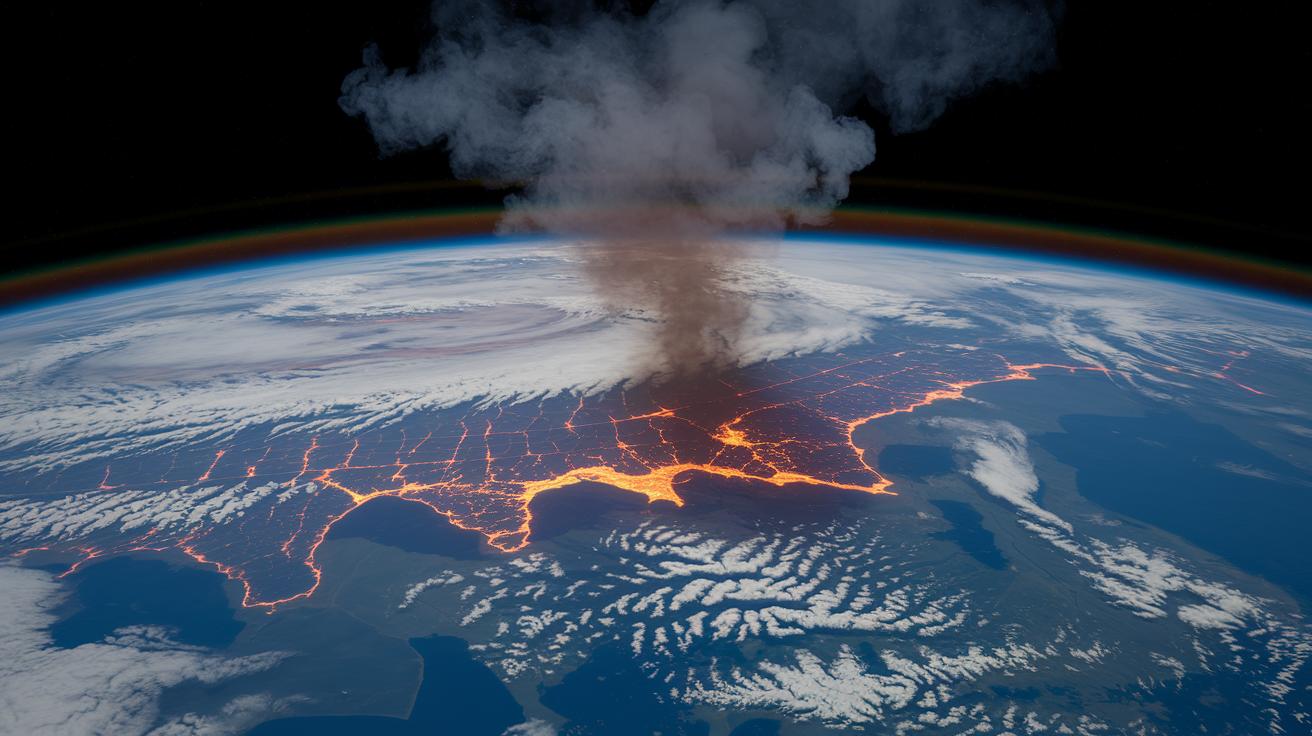
Burning fossil fuels like coal, oil, and natural gas produces nearly 75% of the heat-trapping gases warming our planet. These gases act like a cozy blanket over Earth, but the energy we rely on comes with a steep cost, fuels that power our lives also boost temperatures and upset our climate.
Some of the biggest polluters have spent billions to cast doubt about what’s really causing the climate to change. They push stories that hide the clear link between their emissions and rising temperatures. This confusion distracts us from the solutions we need and slows down the move toward cleaner energy.
Changes in land use also add to the problem. Cutting down forests, especially in tropical areas, takes away nature’s way of soaking up carbon, releasing about 2.4 gigatons of CO₂ every year. Farming adds even more warming gases to the mix. Together, these shifts in how we use our land disturb the natural balance of our climate system.
Impacts of the Climate Crisis: Extreme Events, Ecosystems, and Human Health
Rising temperatures cause wild weather events that shake our communities and alter our natural surroundings. Recent records show that six of the ten warmest years ever have been in our recent past. Heatwaves feel stronger and storms hit harder. In coastal areas, where 680 million people live, the rising ocean (about 4.5 inches since 1993) brings more frequent floods. Even coral reefs, those brilliant underwater gardens, are suffering, with two out of every three reefs losing their color from bleaching. Communities also face tougher days with water shortages.
| Category | Key Effects | Projected Trends |
|---|---|---|
| Heatwaves | More frequent and intense heat | Worsening over time |
| Sea Level Rise | Increased coastal floods and erosion | Steady rise each year |
| Water Stress | Freshwater shortages affecting billions | More severe in vulnerable regions |
| Health Risks | Growing spread of diseases like malaria and dengue | More people affected over time |
Communities and ecosystems face bigger challenges as our environment shifts. Beyond the visible damage, interrupted water supplies, rising heat, and the spread of illnesses add risks to both our health and nature. People living near coasts or on low-lying land must handle both immediate dangers and plan for the long haul. Rising temperatures are testing our emergency systems and putting our natural balance in danger, a balance that we all count on every day.
Policy Responses to the Climate Crisis: International Accords and National Strategies
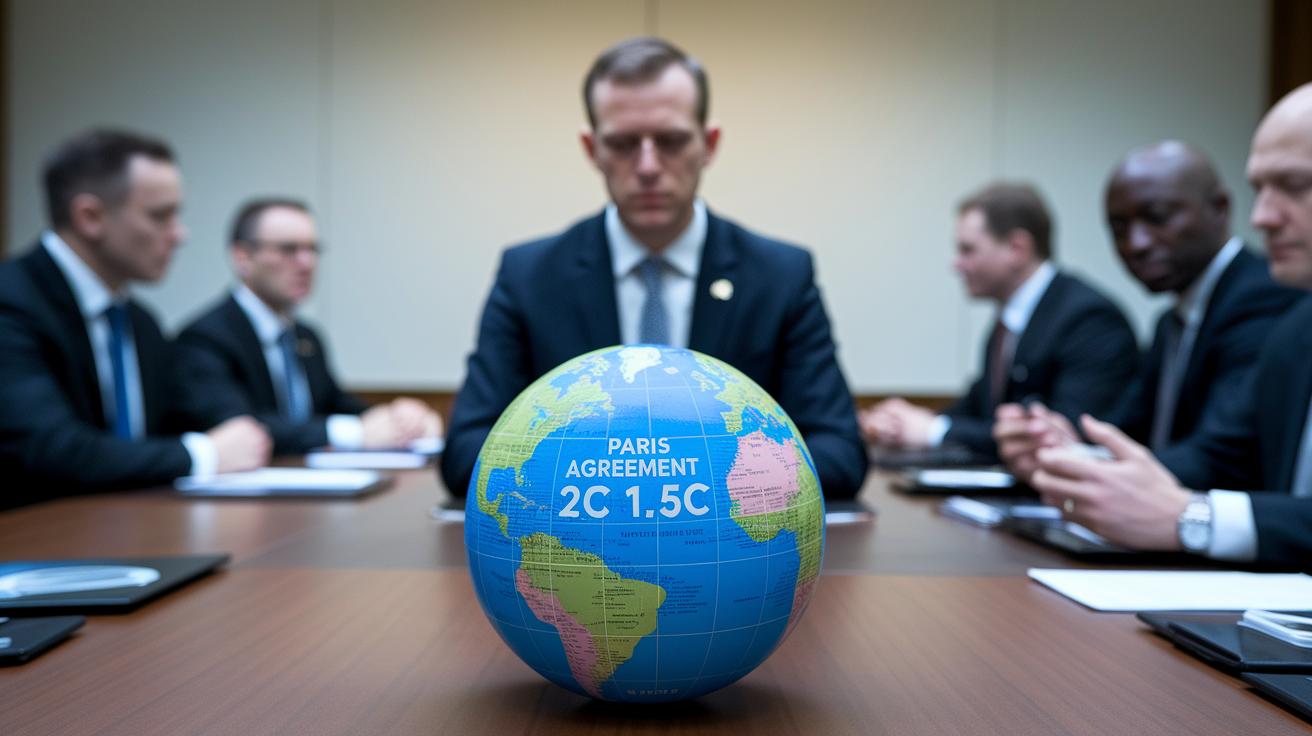
Around the world, governments are coming together under global agreements to tackle climate change. A big example is the Paris Agreement. This deal aims to keep warming under 2 °C, with an even bolder goal of reaching 1.5 °C. Nearly 190 nations have shared their plans, called Nationally Determined Contributions (local blueprints for cutting emissions and building resilience). If you’re curious, you can check out more details about the Paris climate agreement here (https://buzzyandclever.com?p=340). Together, these efforts set a strong base for global action, paving the way for specific national strategies.
But even with all these promises, gaps in following through still exist. More than 120 countries have vowed to hit net-zero emissions by mid-century, and many have turned to measures like carbon pricing (a fee on pollution) via systems such as ETS and other tax schemes. Yet, current commitments may only limit warming to about 2.7 °C by 2100, showing us that some plans fall short. This tells us that even though rules are in place, how strictly they're enforced, and the level of ambition behind them, varies a lot. Clearly, there’s a big need for better coordination and stronger legal measures.
Fixing and boosting these legal tools is a crucial step forward. For example, initiatives like the loss and damage fund started at COP27 provide much-needed support to vulnerable nations during climate shifts. Many experts argue that we need clearer regulations and more consistent enforcement to turn promises into real-world changes. These proactive reforms show us that international agreements and national strategies must grow and evolve together to meet the challenges of our changing climate.
Mitigation Strategies for the Climate Crisis: Clean Energy, Efficiency, and Low-Carbon Technology
More communities and companies are switching to clean energy from sources like solar panels and wind turbines. Since 2010, the power we get from these renewable sources has tripled and now makes up about 40% of all our electricity. Picture a neighborhood dotted with shiny panels and spinning turbines that quietly power homes, schools, and businesses while cutting down on harmful pollutants. It shows that smart investments in renewable energy help us run our lives without hurting our planet.
Improving efficiency is another big step in reducing waste. By upgrading old buildings with better insulation and more modern heating systems, we can cut energy use by roughly 30%. Think of a school that saves a lot on energy just by making a few small changes. These simple actions not only lower bills but also lead to cleaner air. It’s a practical reminder that everyday improvements make a real difference in fighting climate change.
New low-carbon technologies are also adding fresh tools to our toolkit. For example, electric vehicle sales jumped by 60% in 2022, which helped reduce the carbon dioxide from transport by about 2 billion tons. Innovations like green hydrogen, an eco-friendly fuel, and systems that pull carbon from the air are promising steps toward reducing emissions. These breakthroughs are steadily transforming how we power our lives and transport our goods, paving the way for a future that’s much kinder to our environment.
Adaptation and Preparedness for the Climate Crisis: Building Resilience
When we talk about adaptation, we're really saying we need to get ready for our changing weather. Many communities now use early warning systems (tools that notice bad weather early) which have helped save about 200,000 lives since 2006. These systems spot harsh weather and alert people quickly so everyone has a bit of extra time to act. They work hand in hand with smart emergency plans (carefully thought-out plans for disasters) to make communities stronger and ready to face threats.
At the local level, practical defenses are coming to life. Urban green spaces like parks and wetlands help lower flood risks by almost half, offering a natural shield against heavy rains. Over 100 cities have put heat action plans in place, which have reduced heat-related deaths by up to 25%. In coastal areas, structures like sea walls protect roughly 1 million people from rising tides and storm surges. These actions show how getting prepared can protect both people and their homes.
Planning the best way forward is the key to lasting strength. Climate-smart agriculture (farming practices that adjust to weather changes) can boost crop yields by about 20% during drought, easing food worries. Communities are also investing in modern emergency plans and sturdy, flexible infrastructure to handle sudden changes. All these efforts come together to lessen the impact of storms, floods, and heatwaves while supporting local businesses and families. By regularly updating these strategies, communities become better at handling future climate challenges and secure a safer, long-term future.
Civil Society and Grassroots Action in the Climate Crisis
Big movements show that when we come together, our voices can really change the climate debate. In 2022, for example, more than 10 million young people joined Fridays for Future around the globe, proving that calling for action can light a spark of change. Divestment campaigns have moved about $14 trillion in assets away from companies that pollute our air and water. And citizen assemblies in 25 countries are chipping away at old laws by using the strength of community to steer new policies. It’s a clear sign that groups outside of traditional government paths can question old ways and work toward a fairer environment.
Right in our neighborhoods, grassroots campaigns and civil society groups are making a big difference too. Over 3,000 NGOs are busy with projects that help communities adapt to climate change and lower pollution, while more than 500 communities led by Indigenous people are getting strong support. Through local organizing and youth-driven efforts, these groups tackle environmental justice head-on, turning ideas into real projects at community meetings and on neighborhood streets. As these movements grow, they weave together networks of advocacy that push for fair and practical changes that benefit both people and the planet.
Pathways to a Sustainable Future Beyond the Climate Crisis
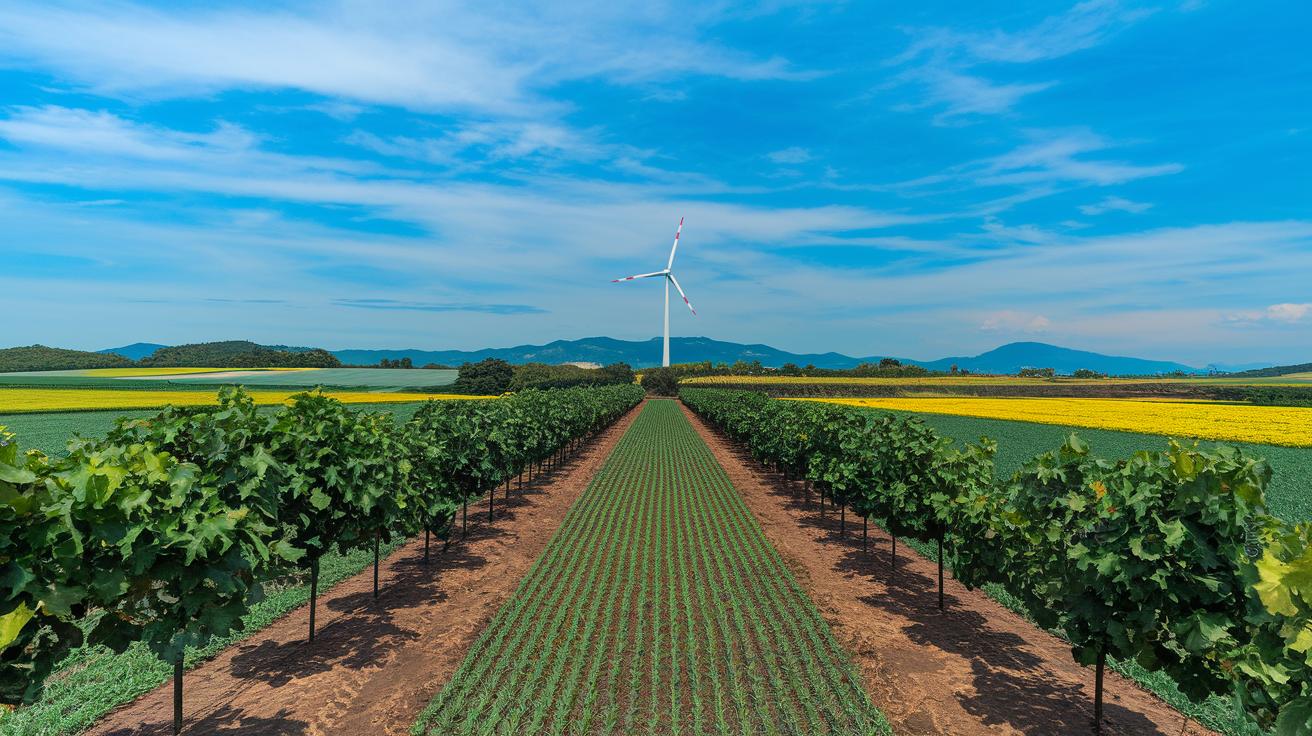
Nature is showing us a way forward with clever strategies and fresh ideas. Projects like the UN Decade on Ecosystem Restoration aim to revive one billion hectares of land by 2030, giving nature a chance to bounce back and help us trap carbon naturally. Circular economy ideas, where we reuse and recycle, can reduce our need for new materials by about 28%. This means less waste and a smaller impact on our planet. Even our farms are changing, with sustainable methods on roughly 12% of the world’s cropland, including agroforestry that mixes trees with crops, there’s more food and more carbon could be kept in the soil. Cities, too, are getting a green boost. Imagine urban areas where green cover increases by around 15%, better air quality and cooler streets become a welcome reality.
Communities are also planning in a way that works with nature to reduce carbon. Urban planning today is all about mixing in parks, rooftop gardens, and tree-lined streets to create neighborhoods that feel alive and support a healing environment. These smart changes are part of bigger plans that boost local economies and help communities take charge of their natural resources. As both cities and rural areas adopt these methods, they build the foundation for strong, low-carbon communities that care for both people and nature. This approach lights the way toward a cleaner, fairer future for everyone.
Final Words
In the action, this article took us through the science behind the climate crisis. It showed how burning fossil fuels and human actions warm our planet while also explaining key differences between rising temperatures and wider impacts on nature.
We looked at the causes, effects, and hopeful solutions, from policy shifts to community-driven efforts. This clear view of evidence and smart strategies leaves us feeling optimistic about tackling the climate crisis with collective, everyday efforts.
FAQ
What is the current climate crisis and what is the climate crisis?
The current climate crisis means rapid changes in our environment due to human activities like burning fossil fuels and deforestation. This term stresses the urgent danger to communities and ecosystems worldwide.
What are the three major causes of the climate crisis?
The three major causes are fossil fuel combustion, deforestation, and industrial pollution. Each of these activities releases greenhouse gases that quickly warm our planet.
What is the difference between climate change and climate crisis?
The difference is that climate change describes a gradual shift in Earth’s temperature, while the climate crisis highlights immediate, dangerous impacts and risks from our warming planet.
What is the Climate Crisis font?
The Climate Crisis font refers to a typeface used in climate activism materials. It aims to deliver a clear and striking visual message that resonates with the urgency of the issue.
What are some climate crisis examples?
Climate crisis examples include shrinking glaciers, stronger heatwaves, and rising sea levels harming coastal areas. These real-world impacts show how swiftly our climate is changing.
Is there a climate crisis movie, series, or book available?
A climate crisis movie, series, or book offers visual or written insights into environmental changes. They document evidence, impact communities, and inspire viewers to support actions against global warming.
What is meant by climate crisis 2025?
Climate crisis 2025 refers to projections indicating that if greenhouse gas emissions continue unchecked, significant worsening of climate impacts could occur by the year 2025, urging immediate policy change.
Where can I find a climate crisis PDF and news?
Climate crisis PDFs and news include detailed reports and regular updates from credible sources. They provide accessible, evidence-based information on global warming and its growing threats.

