
Have you ever wondered how airplanes keep you safe or how spacecraft run so smoothly? At NASA Glenn Research Center, scientists take complex ideas and turn them into real technology that powers every plane and rocket today.
They improve engines and boost communication between systems, which means flying and space travel are safer and more reliable. It’s like they’re fine-tuning a giant machine to make sure it works just right, every single time.
This amazing research shows us that even the most advanced science can have a big impact on our everyday lives. What might seem like distant, abstract ideas actually helps shape how we move around and explore our world.
Our article dives into these practical breakthroughs and explains how they’re not only changing travel but also paving the way for our future.
nasa glenn research center: Bold Stellar Impact
NASA Glenn Research Center is a hub for developing key technologies in air and space travel. The center works on everything from propulsion systems to communication networks, which means that almost every airplane and spacecraft you see today uses innovations from their labs. It's like a national space workshop where cutting-edge science meets practical use.
The technologies coming out of this center help power modern aircraft and guide spacecraft safely through the skies and beyond. Their work has led to smarter engines and more reliable communication systems, making travel safer and more efficient. They even open their doors to the public at the Great Lakes Science Center, where complex ideas in space technology become fun and understandable for everyone. Have you ever wondered how science gets closer to your everyday life?
At its heart, NASA Glenn turns advanced research into real improvements for flight. Their work touches every part of aviation, from boosting safety and performance to reaching new frontiers in space exploration. The center's breakthroughs make a big difference in our world, turning innovative ideas into benefits for all of us.
NASA Glenn Research Center: Historical Timeline and Milestones

NASA Glenn Research Center has come a long way. Over the years, its work in science and technology has been nothing short of amazing.
It started in 1941 in Cleveland as part of NACA. This move set a strong stage for air and space exploration, thanks to its location near the Municipal Airport, now known as Cleveland-Hopkins International Airport.
During World War II, its earlier version, the Aircraft Engine Research Laboratory, took on big challenges. They solved key engine-cooling problems for the B-29 Super Fortress and ran important tests on fuels and icing to make flights safer.
In 1944, the center made a big leap by finishing the Altitude Wind Tunnel. This cutting-edge tunnel helped in testing the first jet engines, marking a major breakthrough.
As its work grew to include more advanced propulsion studies, the lab was renamed the Flight Propulsion Research Laboratory in 1947. Then, in 1948, it was re-dedicated as the Lewis Flight Propulsion Laboratory to honor George Lewis. This change highlighted its deep dive into supersonic aerodynamics, which became crucial during the 1950s.
Below is a brief timeline that shows these key moments and the ongoing growth of this top science center in Ohio:
| Year | Development | Impact |
|---|---|---|
| 1941 | Established as a NACA lab at the Municipal Airport | Laid the groundwork for modern aerospace research |
| 1944 | Completed the Altitude Wind Tunnel | Provided advanced testing for early jet engines |
| WWII | Aircraft Engine Research Laboratory solved engine-cooling issues | Supported critical military aviation performance |
| 1947 | Renamed Flight Propulsion Research Laboratory | Reflected an expanded focus on flight propulsion innovations |
| 1948 | Rededicated as Lewis Flight Propulsion Laboratory | Honored George Lewis and fueled breakthrough supersonic studies |
Core Research Areas at NASA Glenn Research Center
At NASA Glenn Research Center, our air and space propulsion studies help push what flight can really do. Researchers here work on turbojets, turbofans, and even next-generation rocket engines. They fine-tune engine parts and test new ideas to create more efficient thrust and better performance. Every experiment, whether it’s a small tweak or a complete rethinking of how an engine works, takes us one step closer to safer, faster travel for airplanes and spacecraft.
A key tool in our research is the unique Altitude Wind Tunnel, which we use alongside industry leaders like General Electric and Westinghouse. Scientists run tests in this tunnel to see how engine components behave under extreme conditions. They study everything from the burning of aviation fuels to ways to stop engines from icing up. This work helps us understand how turbojet engines can handle supersonic airflow (air moving faster than sound) even when conditions get rough.
Our research doesn’t stop at propulsion. We also explore advanced communication and power systems, including power beaming (sending energy without wires) and deep-space telemetry (sending data over huge distances). We study fuel cells, solar arrays, and energy storage to find new ways to power space missions. By combining breakthroughs in engine technology with smart tests in flight dynamics and energy systems, we are paving the way for practical innovations in modern aerospace technology.
Visitor Experience and Public Engagement at NASA Glenn Research Center
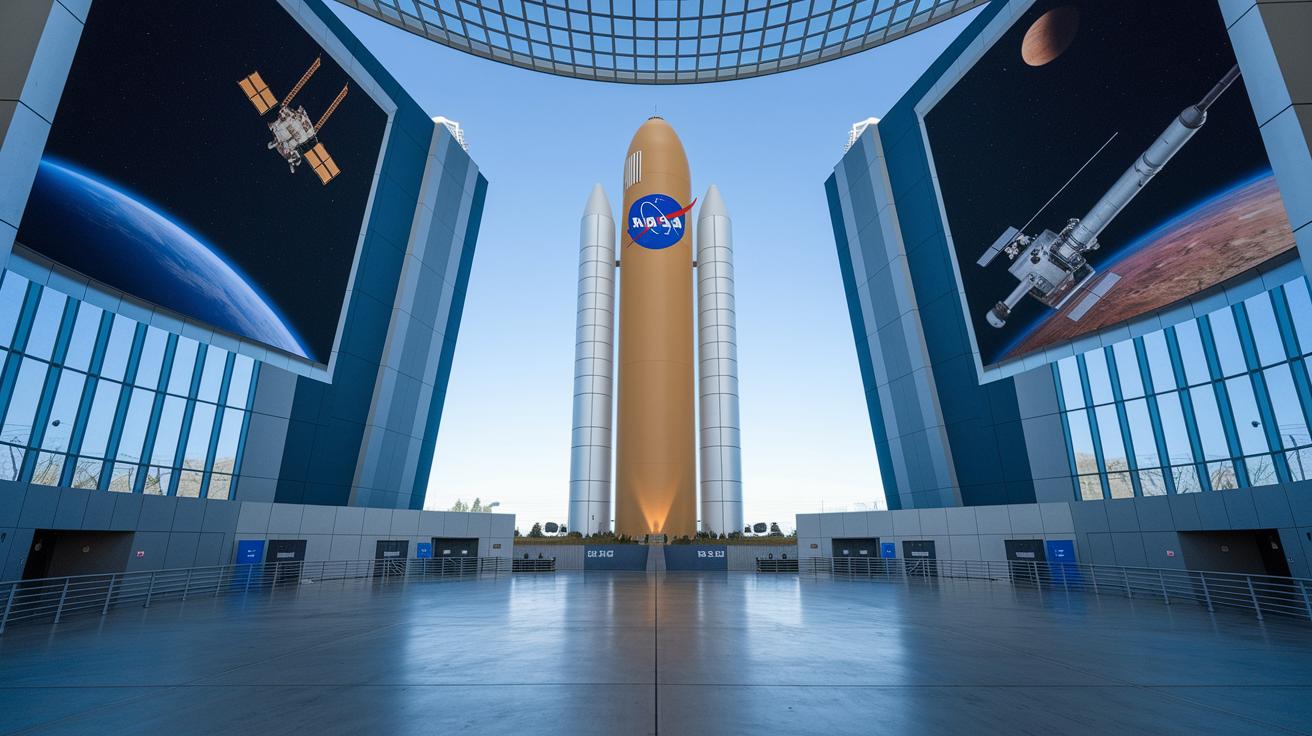
Inside the Great Lakes Science Center in Cleveland, Ohio, you'll find the NASA Glenn Research Center Visitor Center. With a friendly, accessible entrance that includes a ramp and clean restrooms, this special spot welcomes everyone. It's one of only 11 NASA centers across the country where science and history meet in a cool way.
Step into a world where interactive displays make learning about space fun and engaging. Here, you can actually explore how aerospace technology works through hands-on experiences and lively stories. Ever wondered what life is like on the International Space Station? Or how our journey to space has unfolded over the years? The center lets you dive right in.
Here are some of the exhibits you can check out:
| Exhibit Name | Description |
|---|---|
| Living In Space Gallery | Learn about daily life on the ISS and see tests like the Mars airbag experiments |
| Apollo Command Module | See the module from Skylab 3, which logged 26.5 million miles through space |
| Explore Gallery | Discover the evolution of human spaceflight with easy-to-understand displays |
| Discover Gallery | View a real moon rock and check out photos from John Glenn’s Friendship 7 mission |
| NASA Glenn Visitor Center App | Experience 360° panoramas and simulated experiments that bring the ISS to life |
All these interactive programs are meant to spark your curiosity and make space technology feel approachable. Whether you're planning an educational family outing or you're a space buff wanting a closer look at historic spacecraft, the center offers a fun, hands-on experience that connects you directly with the pioneering work done at NASA Glenn.
Collaborative Projects and Partnerships at NASA Glenn Research Center
At NASA Glenn Research Center, we team up with trusted names like General Electric and Westinghouse Electric. We began by working together on early jet engine tests in our Altitude Wind Tunnel. By checking engine performance and testing fuel efficiency side by side, these partnerships helped spark the development of advanced propulsion systems and built a strong base for U.S. space research. Overall, our joint efforts have played a key role in sharpening important aerospace technologies.
We also join forces with universities to push our research in propulsion, power systems, and communications. Projects with colleges bring in new ideas and useful technical skills that turn complex theories into everyday solutions. This friendly and practical approach not only boosts the quality of our research but also gives up-and-coming engineers a great chance to learn and grow.
Working with international space partners further widens our research reach by adding global insights to our experiments and studies. When government, industry, and academic experts come together, we make real progress in aerospace science. Curious about how these team-ups make a difference? Check out this link for more on the benefits of scientific collaboration: Role of Scientific Collaboration in Breakthrough Research.
Career Paths and Educational Programs at NASA Glenn Research Center
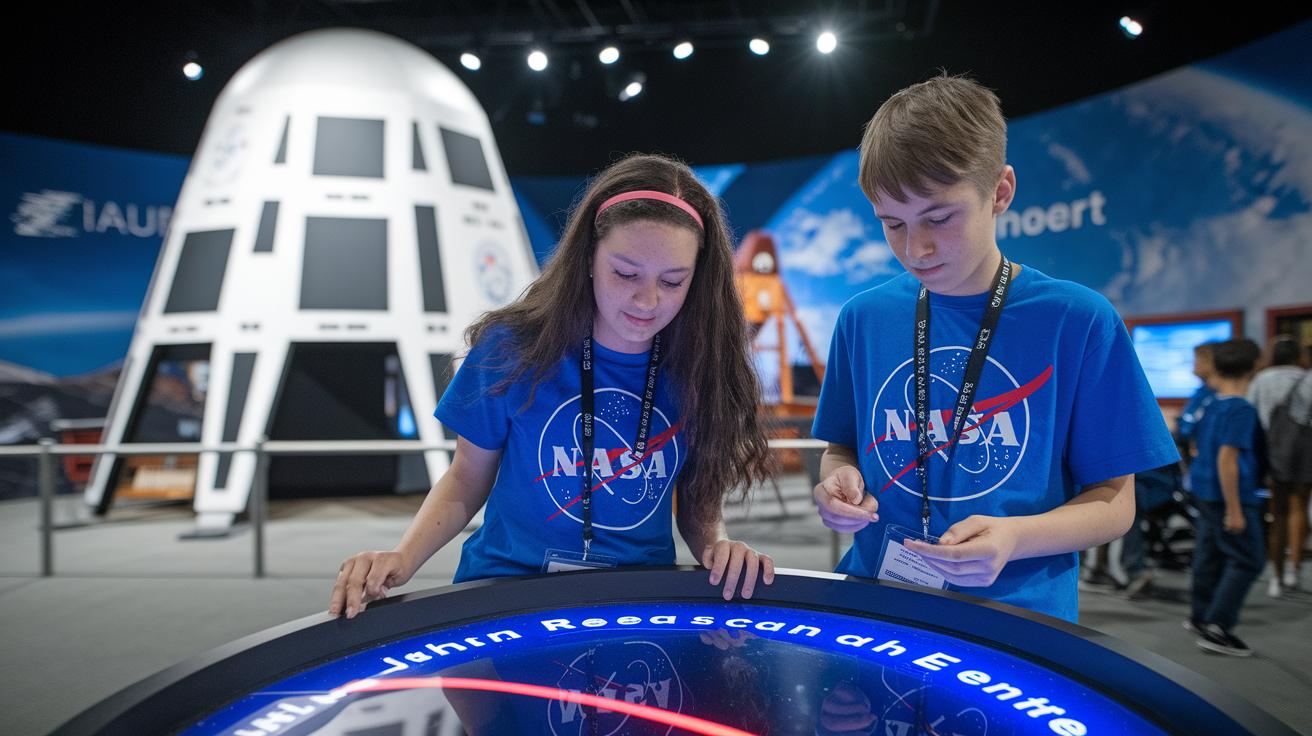
NASA Glenn Research Center welcomes all young minds eager to explore science. At its visitor center, schools, families, and groups can check out fun, interactive exhibits that break down space technology into simple ideas. It’s a place where curiosity about the cosmos blooms and where a spark for a future in scientific discoveries is often ignited.
The center also offers seasonal internships and summer programs specially aimed at high school and college students. These programs let students roll up their sleeves and dive into hands-on work in aerospace engineering (the science of designing aircraft and spacecraft). Working alongside experienced engineers, students get a real peek into tackling the challenges of flight and engine design. It’s an exciting mix of learning and doing that makes science feel alive.
Early careers are well supported at NASA Glenn through internships and cooperative education opportunities. These programs help bridge the gap between classroom lessons and real-world applications. If you’re curious about more job or internship details, you can check out NASA careers (https://buzzyandclever.com?p=238). This friendly environment champions future innovators, guiding them from everyday learning to the very forefront of aerospace research.
Location and Visitor Information for NASA Glenn Research Center
You'll find the NASA Glenn Research Center inside the Great Lakes Science Center in downtown Cleveland, just a short trip from Cleveland-Hopkins International Airport. The center makes things easy for everyone with a ramp-accessible entrance, on-site restrooms, and clear, straightforward signs that help you get around.
The visitor center keeps the same hours as the science center, which makes planning your visit a breeze. And if you're coming with a group, just give them a call ahead of time to book a tour. This way, you can all enjoy a smooth and hassle-free visit.
Final Words
In the action of exploring nasa glenn research center’s rich role in modern science, the post took you from its early engine tests to today’s advanced space technology and lively visitor programs. We looked at how the center’s research in propulsion, communications, and power systems informs aviation and space exploration. The story reminds us that science is for everyone, sparking ideas and connections that brighten our everyday lives. Keep your curiosity active and enjoy the wonders of science!
FAQ
Nasa glenn research center phone number
The phone number for NASA Glenn Research Center is usually listed on NASA’s official website. Checking the center’s directory online will provide the most accurate and current contact information.
Nasa glenn research center jobs
The inquiry about jobs at NASA Glenn Research Center refers to multiple career opportunities including research roles, internships, and apprenticeships. Check NASA’s careers page for detailed listings.
NASA Glenn Research Center tours 2025
Questioning about tours in 2025 suggests planned public events. Future tour dates and booking details are typically announced on the Great Lakes Science Center website, where the visitor center information is hosted.
NASA Glenn Research Center Internship
The internship query covers opportunities to gain hands-on experience in aerospace research. Interns work on projects related to propulsion, power systems, and communications while receiving mentorship from experienced professionals.
NASA Glenn Research Center directory
Asking about the directory indicates interest in a listing of contacts and departments. The official NASA website provides a comprehensive directory with up-to-date contact details and office information.
NASA Glenn Research Center Cleveland, Ohio
This question highlights the center’s location. NASA Glenn Research Center is situated in Cleveland, Ohio, integrated into the Great Lakes Science Center for public engagement and educational exhibits.
NASA Glenn Visitor Center
The visitor center inquiry points to a public space offering interactive exhibits and displays. It gives visitors a chance to explore real space technologies and learn about aviation and space research firsthand.
NASA Glenn Research Center Sandusky
The mention of Sandusky appears to be a mix-up. NASA Glenn Research Center is located in Cleveland, Ohio, and there are no main facilities known by that name in Sandusky. Always refer to official sources for location details.
Can you visit the NASA Glenn Research Center?
This question confirms that the public can visit. Visitors can experience interactive exhibits and guided tours at the NASA Glenn Visitor Center, located within the Great Lakes Science Center in Cleveland.
What happens at NASA Glenn Research Center?
Asking what happens at the center highlights its role in cutting-edge aerospace research. At NASA Glenn Research Center, scientists develop advanced propulsion, communications, and power systems that support modern aviation and space exploration.
How many people work at NASA Glenn Research Center?
This query about staffing refers to the large team behind the research. The center employs many scientists, engineers, and support staff; for exact numbers, the latest official NASA reports or news releases are the best sources.
How much does it cost to visit Glenn Research Center?
Inquiring about visit costs generally relates to the admission fees for the Great Lakes Science Center, which houses the visitor center. Pricing varies by age group and special events, so checking the center’s website will give current details.