
Have you ever thought about stopping arthritis pain right at its source? Researchers are exploring ways to help your body regrow its cushion (cartilage, the smooth layer at the ends of bones). They’re using live cells, custom-made supports, small genetic tweaks (tiny changes to your DNA), and even precise robots to do the job. Imagine a treatment that fixes the damaged spot instead of just covering up the pain. These new methods aim to rebuild cartilage so you can move more easily and feel less discomfort, giving new hope to those with arthritis.
Comprehensive overview of breakthrough cartilage regeneration techniques for arthritis treatment
Arthritis can bring on serious pain and stiffness because our natural cushion between the bones, cartilage, doesn't heal well on its own. When this cushion wears down, everyday movements become hard and painful. Instead of fixing the root issue, traditional treatments tend to focus on hiding the pain or replacing the joint entirely.
Recently, researchers have started focusing on ways to regrow cartilage directly. They’re excited about a new biomaterial that’s kind of like a goo, which may help kick-start the growth of fresh cartilage. This approach could change arthritis treatment by addressing the damage at its core, restoring the cushioning effect that so many people need.
- Stem cell therapies: These treatments use live cells that can turn into cartilage cells to help rebuild tissue.
- Bioengineered scaffolds: These are specially designed structures made from biodegradable materials that give new tissue a chance to form.
- Gene therapy: This method uses small changes in our genes (the instructions for our body) to boost the production of cartilage cells.
- Robotics-assisted delivery: Advanced robotic tools can precisely place healing agents right where they're needed, minimizing discomfort.
Each of these strategies offers a hopeful alternative to temporary fixes. By combining techniques like cell-based healing, supportive scaffolds, targeted genetic tweaks, and precise robotic applications, new treatments aim to rebuild joint tissue and bring back natural movement. Even though cartilage is tricky to heal because it has few cells and not much blood flow, these promising ideas not only look to ease pain but also to rebuild that important cushioning, paving the way for a better quality of life for people with arthritis.
Pioneering articular tissue renewal strategies through stem cell therapies

Mesenchymal stem cells (MSCs) hold great promise for renewing joint tissue. They can turn into chondrocytes (cells that help create cartilage) and produce the support structure needed for healthy cartilage repair. Research shows that when patients receive their own MSC injections guided by ultrasound, their cartilage can thicken by about 1.5 mm on MRI scans after six months. This cell-based treatment is looking very promising for easing arthritis pain.
| MSC Source | Advantages | Clinical Findings |
|---|---|---|
| Bone marrow | Well understood with established methods | Consistent cell health and good repair outcomes |
| Adipose tissue | Easier to obtain with minimal discomfort | Noticeable pain relief and better cartilage repair |
| Umbilical cord | Collected without invasive procedures; very potent cells | Early research shows strong repair potential |
Studies suggest that between 60 and 80 percent of patients notice at least a 30 percent drop in pain, along with improved joint movement. Similar encouraging results have been found in other research, such as studies on stem cell therapy for spinal cord injuries. It’s exciting to see how this approach is pushing the limits of regenerative healing.
There are still some hurdles to overcome. For example, drawing bone marrow can be a bit uncomfortable and the yield can vary. Plus, fine-tuning the quality and growth of cells from fat tissue and umbilical cords takes more work. Researchers are busy improving these methods to one day make this innovative therapy a regular part of medical treatment.
Advanced joint surface restoration solutions using bioengineered scaffolds
Bioengineered scaffolds are like clever helpers that repair damaged joint surfaces by recreating the natural setting of cartilage. They serve as a temporary guide for new tissue growth in areas where cartilage has worn away. By copying the structure of cartilage (the supportive network around cells), these scaffolds offer a welcoming spot for healing while slowly releasing growth factors like TGF-β (a protein that helps tissue grow) over about 4 to 8 weeks.
Modern materials are a big reason why these methods work so well. Hydrogel scaffolds, for example, provide a soft base that feels a lot like natural cartilage. In animal studies, 3D-printed scaffolds made from PLGA and PCL (both biodegradable plastics) have been combined with chondrocytes (cells that build cartilage) and have delivered impressive results, sometimes achieving as much as 70% new cartilage in rabbit models. These scaffolds are designed to slowly break down over 8 to 12 weeks, letting the new tissue take over without any sudden changes. It’s a bit like watching an old painting slowly regain its lost brilliance.
Early safety checks also look promising. Tests show that the body’s inflammatory response stays very low, a rate of 5% or less, suggesting that these systems are well tolerated in the initial studies.
Novel chondrocyte stimulation methods: gene therapy and molecular activation
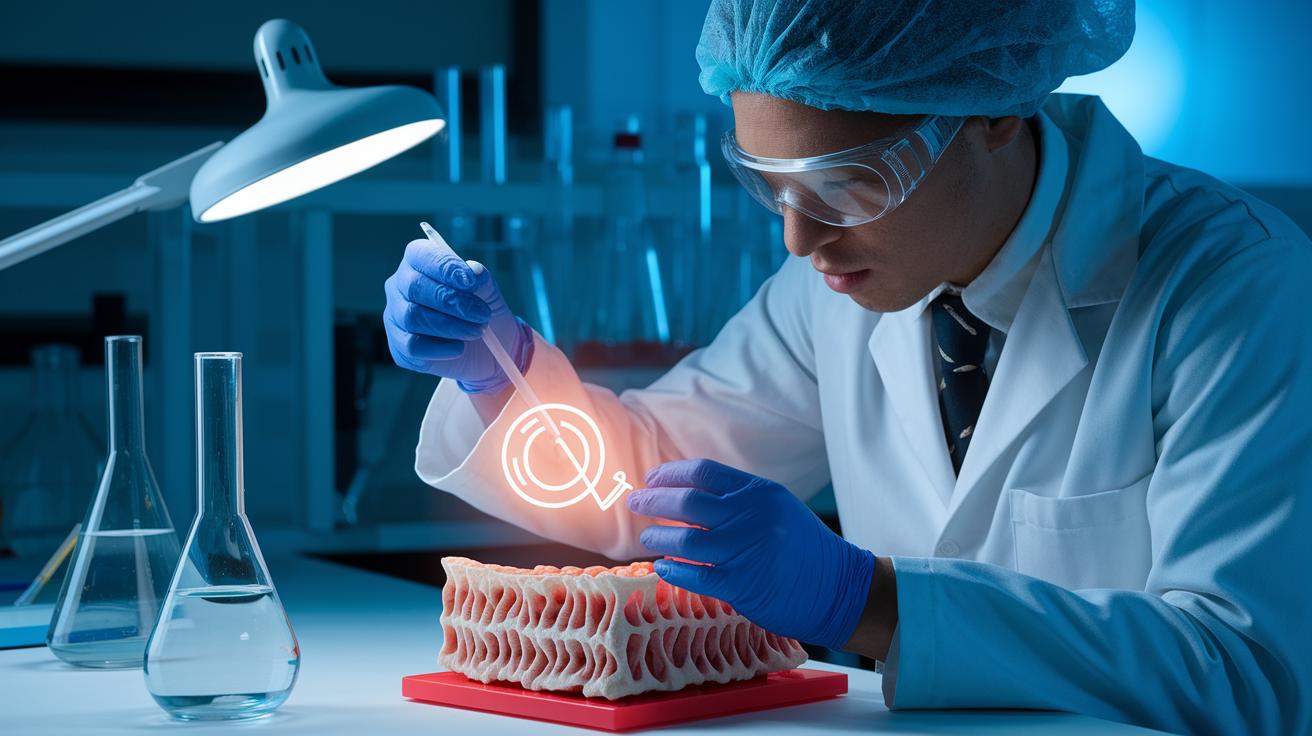
AAV vectors (special delivery tools) have shown great promise in fixing damaged cartilage by carrying the SOX9 gene. In animal studies, this method boosted the cartilage matrix by 45% in 12 weeks. Imagine it like a tiny messenger delivering clear repair instructions right where they're needed. These gene therapy vectors work in a targeted and smooth way to jump-start the repair cells.
Using CRISPR to activate the TGF-β pathway has also sparked a 40% increase in chondrocyte (cartilage cell) growth in lab tests. It’s like giving the cells an extra boost to help rebuild cartilage. Additionally, new delivery systems that use nanoparticles (ultra-small particles) gradually release BMP-7 and IGF-1 over a week, keeping the cells healthy for a longer time. These methods get down to the cell level to repair tissue in ways old treatments can’t, offering a fresh and precise path to restoring joints.
That said, even the best techniques need careful handling. There are still concerns like off-target editing (changes happening where they shouldn’t) and immune reactions. Balancing how well these methods work with how safe they are is crucial as we look for reliable ways to fix cartilage.
Clinical innovations in tissue bioengineering: trial data and patient outcomes
Early trials hint that improvements in joint health seen with mesenchymal stem cell therapies (special cells that help repair tissues) are promising. These tests share new details, especially when comparing results to a placebo and checking how well patients tolerate the treatment.
- In studies with placebos, patients given MSC treatment experienced about a 50% increase in cartilage volume compared to those treated with hyaluronic acid. Imagine a repair boost so strong that it noticeably thickens the cushioning in your joints.
- Around 10% of participants reported mild knee swelling, which went away within three days.
- Remember, MSC treatments are still under FDA review, and full approval hasn’t been granted yet.
Researchers are now focused on perfecting these treatment methods and verifying long-term safety. They’re also weaving these new findings into the bigger picture of using regenerative cell therapy to relieve arthritis.
Modern cartilage revival approaches integrating imaging and robotics
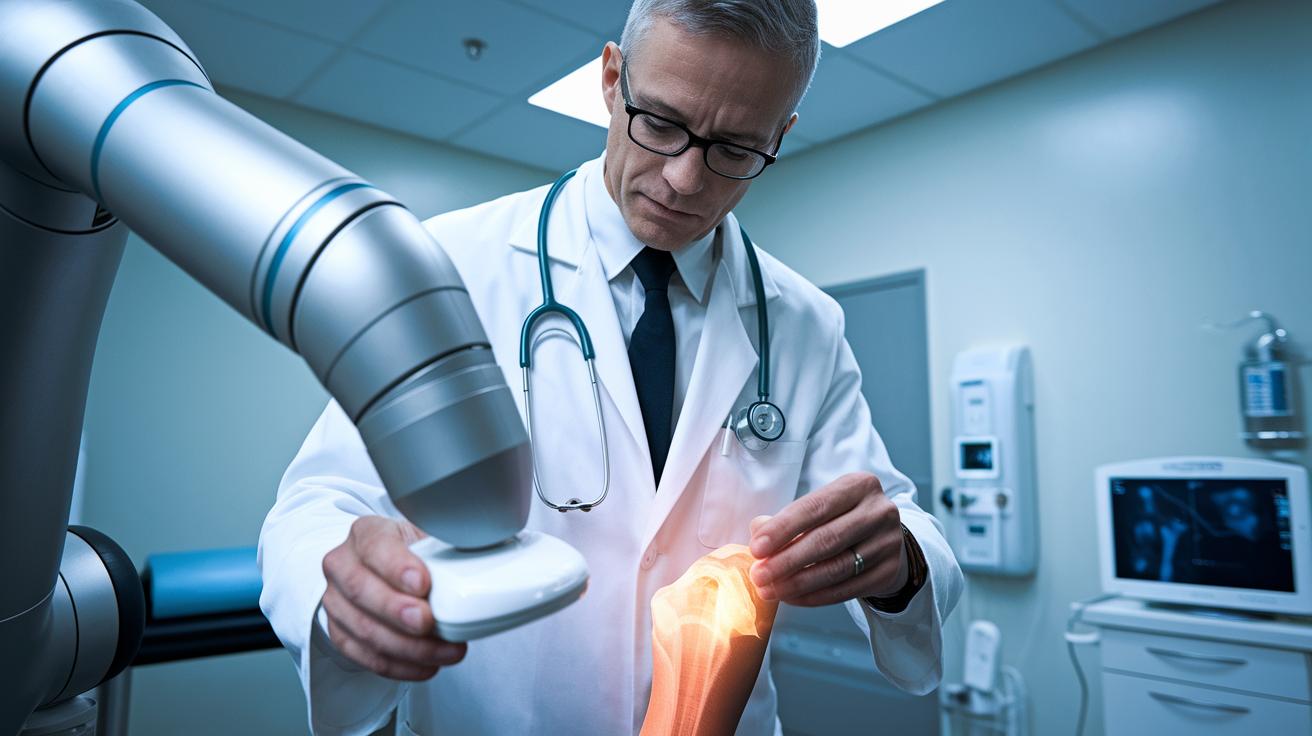
Doctors are teaming up smart imaging with robotic help to improve how cartilage repair treatments are done. They use scans like MRI, CT, and ultrasound (which uses sound waves to create detailed pictures) to see cartilage details as small as a few millimeters. This mix of technology lets medical teams spot even the tiniest shifts in a joint, helping them plan treatments with real precision.
The clear images act like a guide, making sure that healing agents go exactly where they're needed. It’s almost like having a detailed map during a tricky journey.
- Imaging scans track changes in cartilage thickness with clear precision.
- Robotic systems, like the Stryker Mako, help place scaffolds and deliver injections with an accuracy of about half a millimeter.
- AI analysis of the scans boosts targeting by roughly 20%, cutting down on injections that miss their mark.
By blending these tools, treatment procedures become not only more accurate but also quicker. Some clinical teams have even seen procedure times drop by a quarter. This means patients spend less time under treatment while enjoying a more reliable cartilage repair process.
Future prospects in customized regenerative protocols for arthritis accessibility
Scientists are exploring new ways to deliver healing treatments for arthritis. They are testing affordable chip systems that slowly release healing proteins (substances that encourage tissue repair) alongside joint repair injections and exercise plans made just for you. This approach is set up to give a steady flow of healing over several months, while personalized exercises help strengthen your joints and make them more flexible. In truth, this method could offer arthritis patients an easier and more effective path to long-term joint repair.
More research is needed to see if the new cartilage lasts over time, studies of at least two years are on the horizon. Meanwhile, efforts are underway to make these treatments cost about 30% less per patient. This progress will help bring these personalized bio-regeneration methods into everyday medical practice so more people can benefit.
Final Words
In the action, this article walked through breakthrough cartilage regeneration techniques for arthritis treatment, from new biomaterials to innovative stem cell therapies. We also explored cutting‐edge repair of worn joint tissue and modern cartilage revival approaches that promise to improve patient outcomes.
The discussion highlighted key clinical trial insights and future directions for personalized and cost-effective solutions. The science is moving fast, and the possibilities for transforming arthritis care feel brighter than ever.
FAQ
How can knee cartilage be regenerated naturally?
The regeneration of knee cartilage naturally involves staying active,
managing weight, and following an anti-inflammatory diet, along with exploring
emerging therapies that support the body’s slow natural repair due to limited blood supply.
What options exist for regenerative arthritis treatment and cartilage repair?
Regenerative arthritis treatments often include stem cell therapies,
gene-based methods, and bioengineered scaffolds to improve joint cushioning,
ease pain, and restore functionality by addressing the underlying tissue wear.
What supplements can help rebuild cartilage?
Some supplements, such as glucosamine and chondroitin, support cartilage health
by providing essential nutrients and reducing inflammation, which may help improve
joint comfort when paired with other treatments.
How do injection therapies, medicines, and gels work in cartilage regeneration?
Injection therapies, specialized medicines, and gels use bioactive compounds or
biomaterials to stimulate cartilage cell growth and repair joint surfaces,
offering a non-surgical path to improving cartilage health.
Does regenerative therapy effectively treat arthritis and repair cartilage?
Regenerative therapy works by promoting the repair of damaged cartilage and reducing
arthritis symptoms, with many patients reporting decreased pain and better joint
mobility after receiving such treatments.
What advances are expected for arthritis treatment in 2025?
The breakthrough in arthritis treatment for 2025 is likely to feature cost-effective
regenerative protocols that combine advanced imaging, robotics, and controlled release
systems to enhance cartilage repair and joint function.
What is considered the best treatment for cartilage regeneration in osteoarthritis?
The best treatment for cartilage regeneration in osteoarthritis may involve a combination
of MSC injections, bioengineered scaffolds, and gene activation techniques that work
together to restore the cushioning effect of healthy cartilage.