
Ever wonder if something as unexpected as poop could actually fix your gut? Researchers have discovered a unique treatment that swaps out bad bacteria for good ones. This method, called fecal microbiota transplantation (a fancy name for a stool transplant), has cured up to 90% of tough C. difficile infections (a bug that causes serious stomach problems) in one study.
It’s pretty amazing to think that this unusual approach might end a cycle of recurring illness for so many people. Instead of relying on endless antibiotics, patients may finally find lasting relief. Have you ever been curious about how a simple swap in bacteria could change the game for gut health? This breakthrough might just be the innovative twist we need to tackle stubborn infections.
Clinical validation of breakthrough fecal microbiota transplantation as a curative approach for recurrent C. difficile infections
Recent studies show that a treatment called fecal microbiota transplantation (FMT, a process that restores healthy gut bacteria) is changing lives for people with repeated C. diff infections. One study in Gastroenterology reported cure rates between 80% and 90%, which gives new hope to those stuck in the cycle of illness. Since about one in three C. diff cases can come back, this approach is a big deal in stopping the cycle of infection.
Researchers ran the trial by taking carefully screened donor stool and transferring it into patients’ colons. This method not only worked but also proved to be safe. Some patients needed more than one treatment, which shows that fixing an imbalanced gut can take a few tries. Fun fact: early on, FMT was tried on patients with very few other options, and the high cure rates lit the way for this new gut-healing method.
The trial’s strong results leave little doubt that FMT works well. Patients saw faster relief from symptoms like watery diarrhea and stomach cramps. Doctors can now use FMT instead of multiple rounds of antibiotics that sometimes only offer short-term help.
All in all, the evidence makes it clear that breakthrough FMT is an effective, safe, and life-changing option for tackling recurrent C. diff infections. It represents a major step forward in keeping our guts healthy and giving hope to many who suffer from these tough infections.
Procedure and protocol design in breakthrough fecal microbiota transplantation for gut restoration
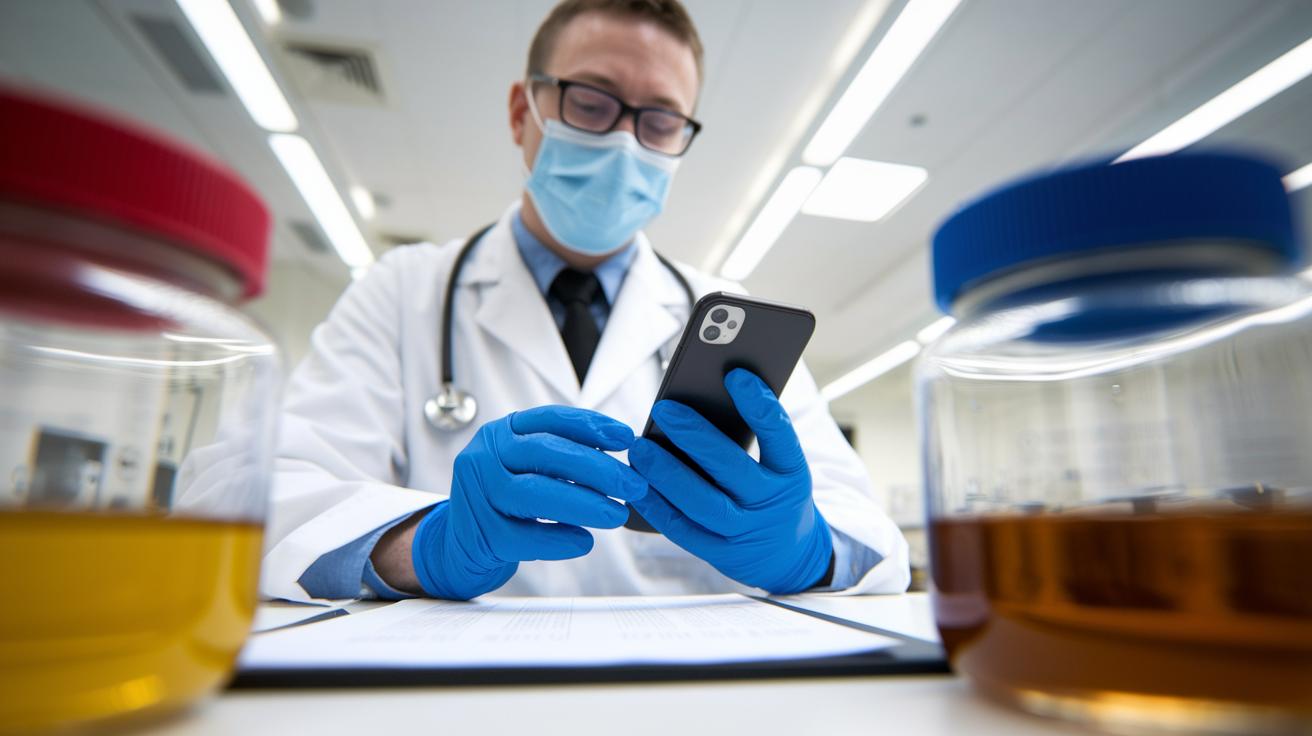
Fecal microbiota transplantation starts by carefully choosing healthy donors and screening them to ensure safety. Think of it like starting a recipe, you only want the best ingredients. Once the donor stool is collected and confirmed safe, it's mixed with a special solution that keeps the good bacteria alive.
The treatment is most often given through a colonoscopy. This method puts the donor material right into the colon, so the helpful bacteria go exactly where they’re needed. Patients might feel a bit of bloating, gas, or a low-grade fever during the process, but these effects are short-lived and much lighter than the illness being treated.
Sometimes, more than one session is needed to fully rebalance the gut. The number of treatments depends on how well the patient responds and how the overall gut health improves.
| Step | Description |
|---|---|
| Donor Screening | Checking that the stool is safe and free from harmful germs. |
| Preparation | Mixing the stool with a preserving solution to keep the bacteria healthy. |
| Colonoscopy Delivery | Placing the donor material directly into the colon for targeted treatment. |
This approach offers a consistent way to restore the gut microbiome, setting a new standard in gastrointestinal care.
Safety profile of breakthrough fecal microbiota transplantation in recurrent C. difficile infections
In one clinical trial, a single FMT treatment helped patients with multiple recurrences achieve lasting improvement. FMT (fecal microbiota transplantation, which is a process of transferring stool from a healthy person to a sick one) has shown strong safety results in important studies.
In one major Gastroenterology trial, patients only noticed a few mild and short-lasting effects like feeling bloated, having extra gas, or a slight fever. These small side effects are temporary and are far outweighed by the benefits.
This summary builds on earlier sections that explain how FMT can cut down on the need for antibiotics and carries only a very low risk of serious complications.
Efficacy outcomes and clinical results of breakthrough fecal microbiota transplantation for recurrent C. difficile infections

Studies show that one FMT infusion can cure about 80 to 90 percent of patients, often easing symptoms like watery diarrhea and cramps very quickly. Over time, by one year more than 75 percent of patients still feel better, proving these benefits stick.
Many patients say their overall comfort and quality of life get a big boost after treatment. They often share that, just days later, their gut feels much calmer and the nagging discomfort starts to fade, meaning they need fewer extra treatments.
| Metric | Outcome |
|---|---|
| Cure Rate | 80-90% |
| Symptom Relief | Quick easing of diarrhea and cramps |
| Long-Term Remission | Over 75% showing continued improvement at 12 months |
| Patient-Reported Outcomes | Enhanced gut comfort and quality of life |
| Cost-Effectiveness | Fewer need for extra treatments |
Integration of breakthrough fecal microbiota transplantation into standard clinical care for recurrent C. difficile infections
Recent guidelines from top gastroenterology and infectious disease experts now back fecal microbiota transplantation (FMT, a treatment that uses healthy bacteria from donor stool to restore gut balance) for patients with repeated C. difficile infections. This new approach moves away from using just antibiotics, which can sometimes make the infection harder to treat. Many patients who were trapped in endless cycles of infection now enjoy a reset for their gut health with FMT.
Hospitals and care centers are including FMT in their treatment plans as a key part of structured care. This method reduces the need for more antibiotics, which can lead to tougher, resistant infections. Instead, FMT offers a focused way to rebuild the natural balance of the gut, helping patients recover and breaking the cycle of recurring illness.
Doctors have noticed that using FMT has led to shorter hospital stays and lower healthcare costs. Medical teams say that patients feel better, faster, compared to traditional antibiotic treatments. As these treatment protocols continue to improve, FMT is set to become a mainstay in modern care for gut infections.
Cross-disciplinary insights on breakthrough fecal microbiota transplantation and medical innovation

A new study is shining a light on a treatment called fecal microbiota transplantation (FMT, which uses healthy bacteria to help balance your gut) while also celebrating cool strides in areas like fixing aortic valves and improving spinal cord injury scans. Researchers are mixing ideas from different fields to bring fresh ways of looking at health through microbial care.
Experts aren’t just focused on gut health. They’re also testing advanced genetic tests to check for heart risks. This reminds us that staying healthy means checking things from all angles. Meanwhile, efforts to boost how doctors and patients talk to each other and to keep lung problems at bay for babies born too soon add even more new ideas to our healthcare mix.
New ideas like FMT show just how keen scientists are to refresh our intestinal microbiome (the community of tiny organisms in our gut). They’re teaming up these treatments with other tech breakthroughs in medicine to build care that feels more connected and patient-focused. By blending evidence from many different specialties, they hope to pave the way for a future where treatment and care can reach new levels for everyone.
Final Words
In the action, we saw clinical studies confirming an 80–90% cure rate with a careful FMT method. The process, from donor screening to colon infusion, brings fast symptom relief with only mild effects. Adopting this approach in clinical care reduces reliance on antibiotics and showcases a safe alternative for managing infections. It’s inspiring to witness cross-disciplinary insights shaping patient care. The breakthrough fecal microbiota transplantation for recurrent C. difficile infections offers a promising and refreshing path forward in science and medicine.
FAQ
What is VOWST?
The term VOWST refers to a fecal transplant product that uses pills to deliver healthy microbiota into the gut, helping treat recurring Clostridioides difficile infections.
How much does Vowst C diff cost?
The inquiry about Vowst C diff cost focuses on the expense associated with using a microbial restoration treatment. Pricing varies by provider and insurance coverage.
How does VOWST fecal transplant work?
The query regarding VOWST fecal transplant explains that it transfers screened donor stool via pill form to restore balance in the gut, helping overcome recurring C. difficile infection.
What is REBYOTA?
The discussion about REBYOTA highlights another microbial restoration option used to treat recurring C. difficile infections by reintroducing healthy bacteria into the gut.
How is REBYOTA used for C diff treatment?
The inquiry about REBYOTA C diff explains that it delivers donor microbiota into the patient’s system to help reestablish a balanced gut environment, reducing infection recurrence.
What are fecal transplant pills in VOWST?
The query on fecal transplant pills in VOWST details the use of capsule-based microbiota delivery, offering a less invasive way to restore gut bacteria and treat recurrent C. difficile infections.
What do discussions on Vowst C Diff Reddit reveal?
The search for Vowst C Diff Reddit shows that users share personal experiences, treatment outcomes, and advice on managing recurring C. difficile infections using fecal transplant therapies.
How do Vowst and traditional fecal transplants compare?
The inquiry on Vowst vs fecal transplant compares the pill-based delivery of VOWST with traditional colonoscopy methods, noting similar safety and effectiveness in restoring a balanced gut microbiome.