Ever wonder if your car can spot danger before you do? Newer cars now come with advanced driver assistance systems (ADAS, which means they use cameras and sensors to watch the road) that keep an eye out for sudden obstacles.
These systems alert you quickly so you can drive with a bit more peace of mind. They even check if you’re paying attention, showing how built-in safety tech can make every trip a little safer.
ADAS Technology and On-Road Safety
ADAS is one of the biggest improvements in modern vehicle safety. Today, most new cars come with built-in systems that keep an eye on the road, nearby vehicles, and even pedestrians. Using a mix of cameras and sensors, ADAS spots hazards quickly and lets the driver know before things get dangerous.
The system also works with Driver Monitoring Systems, which watch how the driver behaves to ensure that everyone, inside and outside the car, is safe. Artificial intelligence (smart computer programs that learn from data) helps process all this information in real time so the system can respond fast when road conditions change.
Advanced algorithms (detailed step-by-step instructions for solving problems) take input from many sensors to alert drivers about sudden obstacles or strange movements by other vehicles. For example, if another car drifts into a lane unexpectedly, the system quickly warns the driver. This helps drivers react faster and handle the situation more safely.
Overall, this technology not only reduces the risk of accidents but also improves the driving experience by keeping everyone more aware of what's happening on the road. Every drive gets the benefit of constant safety checks, making each trip feel safer and more confident.
ADAS Technology Components: Sensors and Software
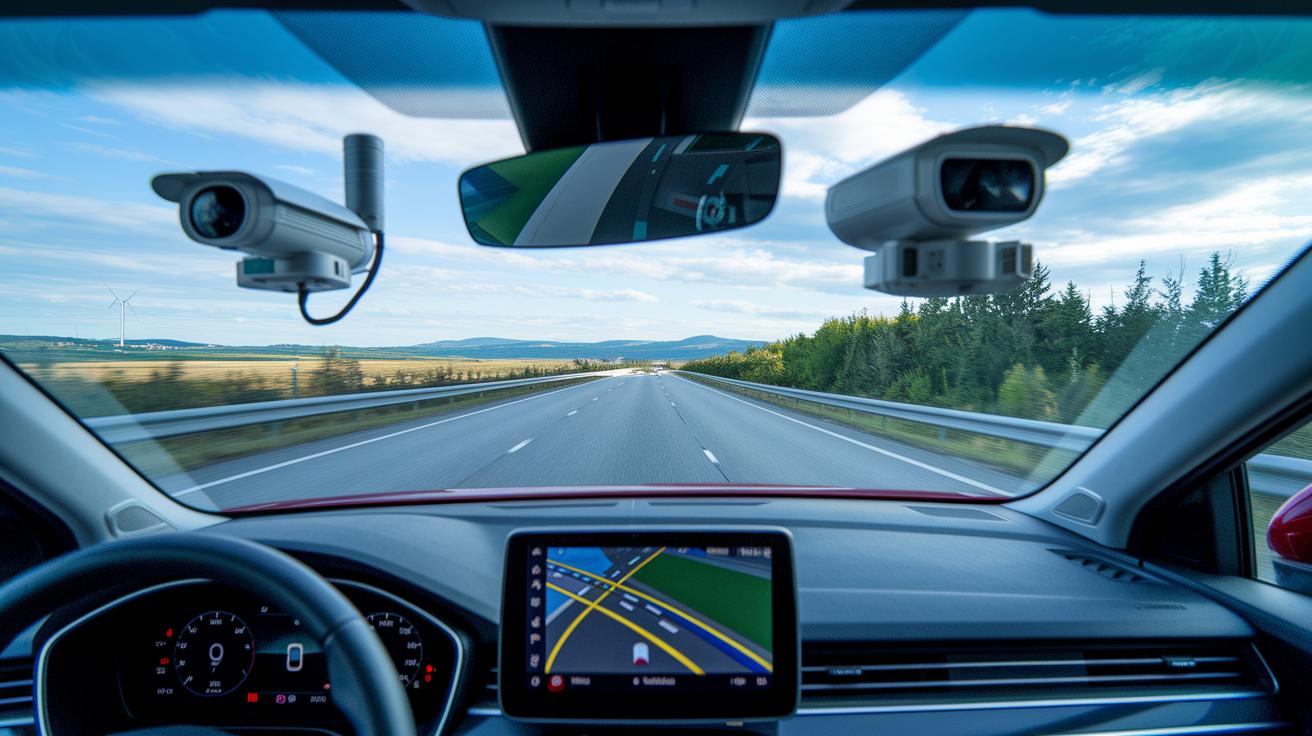
The ADAS system uses different kinds of sensors like cameras, radar modules, ultrasonic sensors, and lidar. They all work side-by-side to show a clear view of what’s around the car by taking pictures, measuring distances, and spotting obstacles. Smart computer programs even turn a single camera view into a 3D picture, helping the system quickly notice any dangers.
Modern cars mix solid hardware with smart software. High-resolution cameras powered by Mobileye EyeQ chips give crisp images with wide angles of up to 120°. When these images join forces with radar and lidar data, cars can make fast decisions on changing roads to keep everyone safe.
Cameras and imaging sensors
Cameras grab clear images up to 1920×1080 pixels and record between 30 to 60 frames per second. Their wide views, reaching up to 120°, cover a lot of ground. Thanks to the EyeQ chips, these sensors can detect objects accurately even in busy scenes.
Radar detection modules
Radar modules work on frequency bands between 76 and 81 GHz. They pick up vehicles and obstacles from as far as 250 meters away. This helps in spotting blind spots and cross-traffic early so drivers can avoid potential hazards.
Ultrasonic sensors
Ultrasonic sensors cover short distances from 0 to 5 meters. They are perfect for parking aids and close-range obstacle detection, making it easier for drivers to maneuver in tight or crowded areas.
Lidar and fusion software
Lidar units create detailed 3D maps with a measurement accuracy of about ±2 cm. With the help of fusion software that mixes data from cameras and radars, the system builds a complete picture of its environment.
| Component Type | Function | Range | Software Module |
|---|---|---|---|
| Cameras & Imaging | High-res object detection | 120° field view | EyeQ chip integration |
| Radar | Obstacle and blind-spot monitoring | Up to 250 m | Radar processing software |
| Ultrasonic Sensors | Parking assist and proximity alerts | 0–5 m | Short-range signal algorithms |
| Lidar & Fusion | 3D mapping and sensor fusion | ±2 cm accuracy | Fusion processing module |
ADAS technology Empowers Safer Driving Experiences
Today’s cars come with helpful systems that make driving safer and smoother. They use up-to-the-minute sensor data and clever computer routines to warn you about dangers and even take over if necessary. By combining cameras, radars (devices that use radio waves to locate objects), and other sensors, ADAS keeps an eye on the road and steps in to help stop accidents.
- Forward Collision Warning lets you know when something suddenly appears ahead, giving you extra time to react.
- Automatic Emergency Braking taps the brakes if it sees that you aren’t acting fast enough to avoid a crash.
- Lane Keeping Assist gently guides the steering back if your car drifts out of its lane without a signal.
- Adaptive Cruise Control uses sensor input all the time to maintain a safe gap from the car in front, even when you drive at high speeds.
- Backup Camera shows you what’s behind the car when you reverse, making it easier to avoid obstacles.
- Anti-lock Braking Systems stop the wheels from locking during sudden stops, so you can still steer safely.
Each of these features uses advanced tech built on many years of research. They combine precise measurements with smart responses that work in everyday driving. With these tools, drivers get timely warnings and sometimes even corrective actions to help reduce accidents. On every drive, these systems quietly work together to keep not only drivers but also passengers and pedestrians safe.
ADAS Technology Evolution and Cutting-Edge Trends
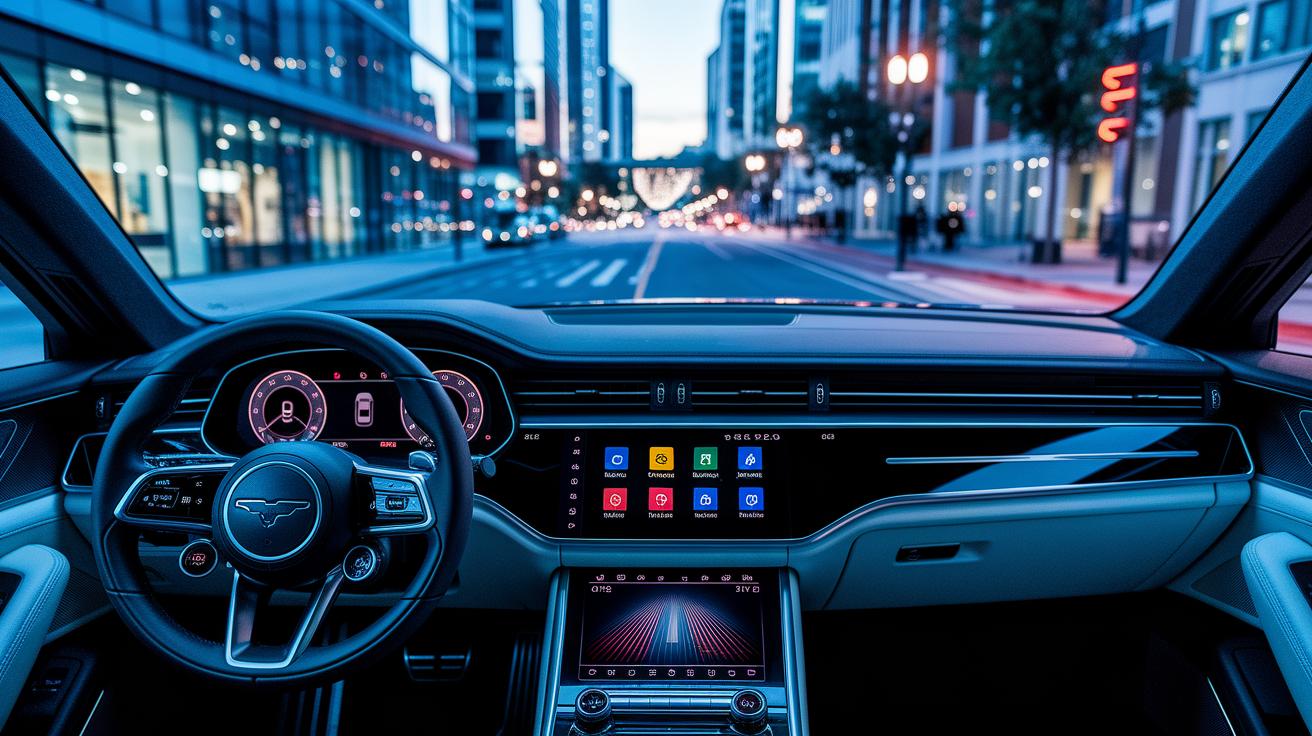
ADAS has come a long way in just a few years. Early on, cars used simple cruise control to keep a steady speed. But over the past 25 years, we’ve seen a major shift to smart, AI-powered safety features. Back in the late 1990s, Mobileye introduced a big breakthrough by using computer vision (technology that lets a camera create 3D images) to improve driving safety. Imagine a time when your car’s only automated task was keeping a steady pace, now it can even alert you if a pedestrian might cross your path.
Today, machine learning (a way for computers to learn and predict outcomes) helps cars do more than just see; they start to understand their surroundings. For example, these systems can tell when someone might step off the curb. It’s a bit like having a seasoned driver in your car who can sense potential hazards well before they become a problem.
The latest systems-on-chip, like the new EyeQ series, pack enough power to handle data from many sensors at once. They blend inputs from radar, lidar (laser technology that maps the environment), and cameras to give the car a clear, unified picture of what’s happening around it. This means that when something unexpected occurs, the car can react with precision.
Additionally, car makers and tech companies are teaming up more than ever. These partnerships are speeding up the process of getting advanced safety features onto our roads, ensuring that modern vehicles are safer and smarter with every new development.
Regulatory Standards and Market Trends for ADAS Technology
Governments and safety rules play a big role in the smart features we see in modern cars. For example, the European Union now requires every new car from 2022 to have Automatic Emergency Braking (a system that helps stop the car quickly to prevent crashes) as set by UNECE Regulation 152. This rule makes sure car makers install systems that can act fast when danger is near.
In the United States, studies show that more than 85% of new passenger cars include at least one ADAS feature (advanced driver assistance system, which helps keep you safe on the road). This blend of government rules and consumer wishes is making driving safer. More drivers expect features that watch the road, spot obstacles, and alert them if something isn’t right.
Around the world, the use of these safety features isn’t the same everywhere. In regions like Asia and South America, different rules and road conditions mean cars have varying levels of automation. Car manufacturers tailor their designs to meet local needs while still delivering strong performance. As safety rules get tougher and local requirements change, we can expect ADAS features to become even more common, making roads safer for everyone.
ADAS technology Empowers Safer Driving Experiences
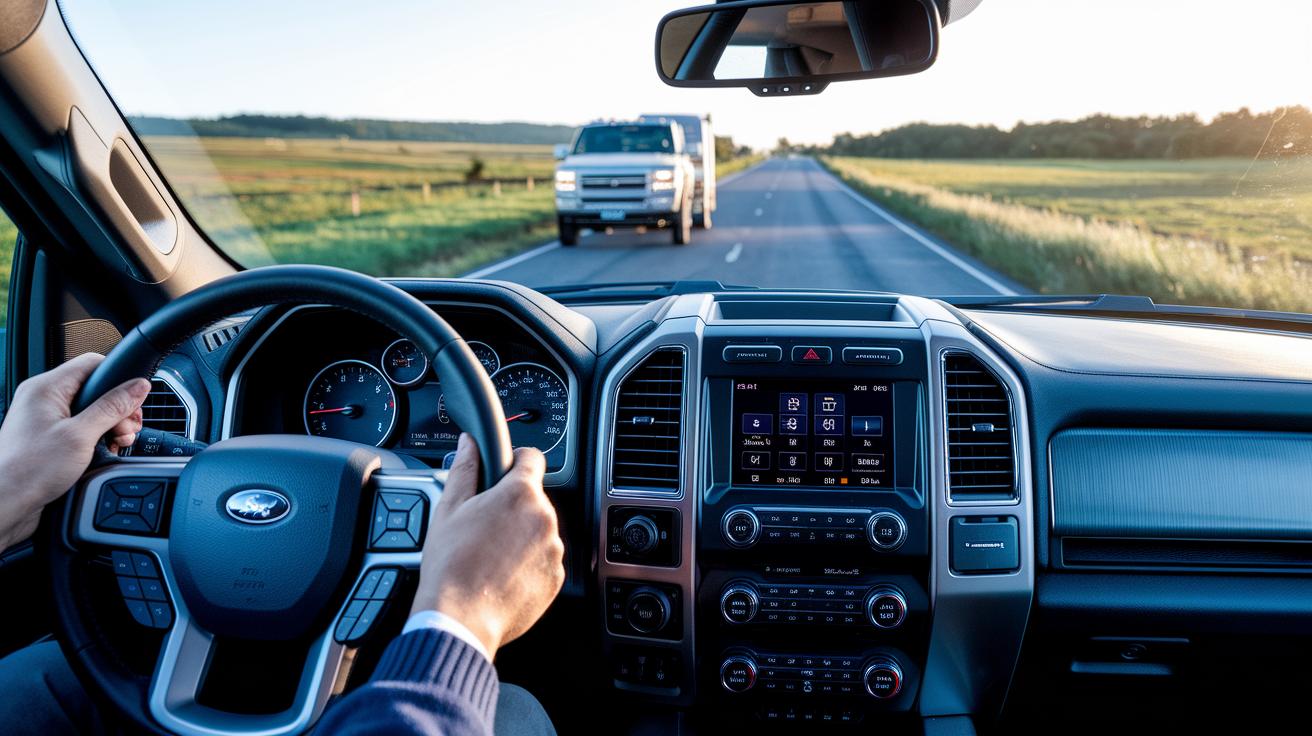
Modern vehicles are becoming a lot safer because of ADAS, a technology that helps prevent accidents. Car makers are now fitting advanced safety systems into everything from family cars and commercial trucks to older models that need a boost. These smart systems aren’t just cookie-cutter features; they’re made to suit each vehicle’s needs. For example, many SUVs now include a special trailer mode that smartly adjusts braking and stability when you’re towing heavy loads. And off-road vehicles? They often use sensors that let the car handle steep slopes and rough terrain using features like hill-descent assist and terrain-adaptive cruise control.
Fleet operators are also noticing big wins when ADAS teams up with Driver Monitoring Systems. Real-world tests show that commercial fleets can cut collision rates by as much as 30% when these systems work together. This extra layer of awareness helps drivers spot dangers early on busy roads and challenging work sites. Plus, partnerships with leading suppliers have sparked the creation of retrofit kits, which means older vehicles can be upgraded with many ADAS features without needing a full rebuild.
| ADAS Feature | Description | ||||||||||||
|---|---|---|---|---|---|---|---|---|---|---|---|---|---|
| Trailer-aware Mode in SUVs | Smart adjustments to braking and stability when towing | ||||||||||||
| Off-road Enhancements | Features like hill-descent assist and terrain-adaptive cruise for rugged settings | ||||||||||||
| Fleet Safety | Combining ADAS with driver
Challenges and Future Directions in ADAS TechnologySensor calibration mistakes (when sensors need adjusting) and false alerts (when they mistakenly detect obstacles) during bad weather are still big challenges. Even though the technology works well on sunny days, rain, fog, or snow can confuse the sensors. This can lead to alerts that don’t match reality or systems not working as they should, which slows down the push toward full self-driving. Another hurdle is the high cost of using many sensors together. Because these multi-sensor setups are expensive, cheaper car models often leave some sensors out. This means advanced ADAS features aren’t available in every vehicle. To reach higher levels of self-driving, known as Level 3 and Level 4, the systems must work reliably no matter the driving condition. That’s why engineers and researchers are investigating how weather and other conditions impact sensor performance. They’re also searching for cost-effective ways to build tougher, more dependable systems.
Calibration and Maintenance Best Practices for ADAS Technology
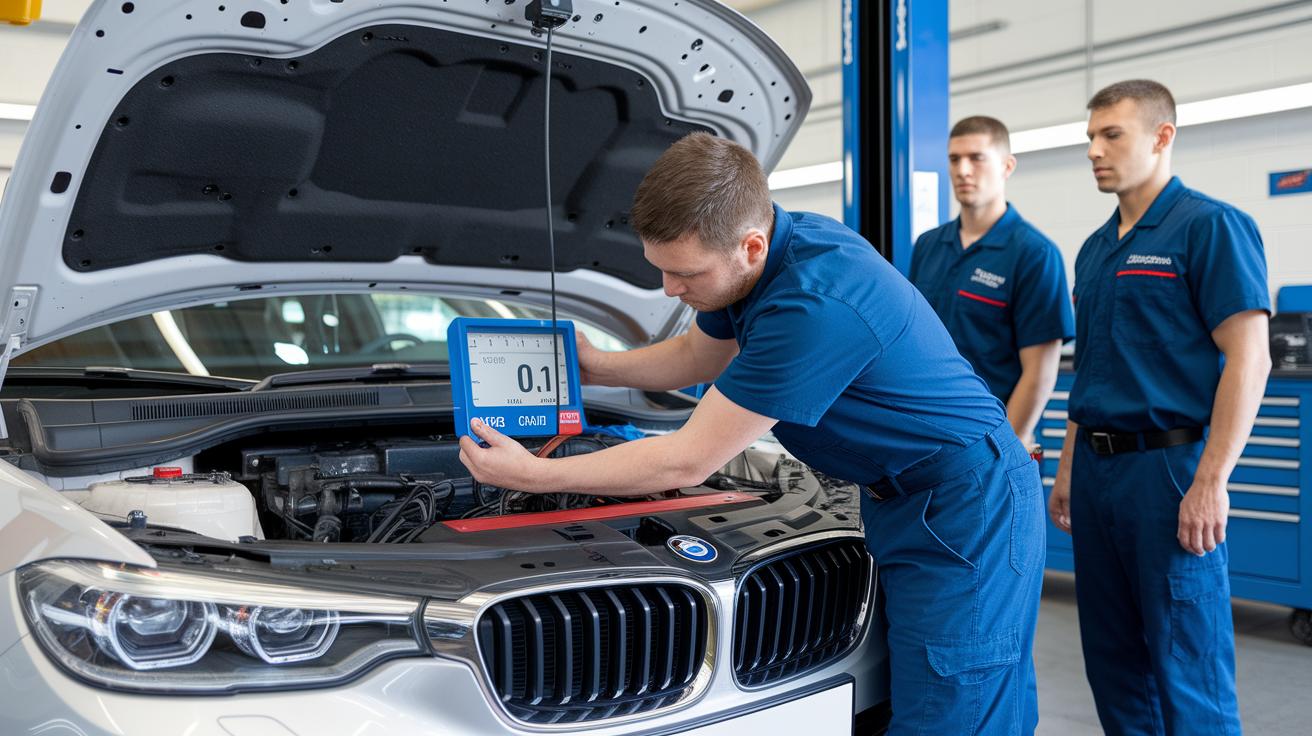
Keeping ADAS sensors and modules working well takes a careful setup and regular checkups. For example, making sure the front cameras are aligned within 0.1° might seem small, but it really makes a big difference for the lane-keeping feature. Over time, little parts like sensor mounts can wear out or shift. Regular inspections help catch these issues early before they become bigger problems. Sometimes, a firmware update sent over the air can fix radar and lidar detection errors. This means the system stays sharp even after repairs or lots of use. After any repair work, a quick road test, especially checking the emergency brakes, ensures the system is ready for real-world driving. This extra care helps avoid unexpected behavior from smart features when you need them most. Following a clear step-by-step routine can make maintenance simple and effective:
These simple steps help keep ADAS features reliable so that every trip uses the system to its fullest. This creates a safer ride for both drivers and passengers. Final WordsIn the action, the post showed how ADAS technology improves safety by using clever sensors and smart software. We explored its main roles, from monitoring the road with cameras to alerting drivers and even applying brakes when needed. The content also covered real-world examples, industry changes, and tips for keeping systems in top shape. All the advances help make driving a bit safer and our roads a little more reliable. Stay positive and excited about what’s next in vehicle safety. FAQWhat exactly is ADAS technology?ADAS, short for Advanced Driver Assistance Systems, is a key vehicle technology that uses sensors and cameras to monitor roads and alert drivers, helping improve overall safety while driving. What does ADAS do?ADAS improves driver safety by detecting potential hazards with cameras and sensors, alerting drivers to issues like sudden stops or lane departures, and occasionally intervening to help avoid accidents. What are some common ADAS features?Common ADAS features include forward collision warnings, automatic emergency braking, lane keeping assistance, and adaptive cruise control—all designed to support safe driving on busy roads. How does ADAS work?ADAS works by gathering real-time data from cameras, radars, and ultrasonic sensors, which is then processed by AI algorithms to alert drivers or take corrective actions when a hazard is detected. What is ADAS Level 2 and how does it compare to other levels?ADAS Level 2 systems offer partial automation by controlling steering, acceleration, and braking while the driver remains engaged. Other levels range from basic alerts to more advanced automated driving functions. Which car has the highest ADAS level?Some luxury models, like advanced offerings from brands such as Tesla and GM, currently provide the highest ADAS levels by integrating multiple sensor systems for enhanced driver assistance. Does my car have ADAS?Many new vehicles come standard with ADAS features. To confirm if your car is equipped with these systems, review your vehicle manual or check with your manufacturer. What are the disadvantages of ADAS?ADAS can sometimes produce sensor calibration issues or false alerts, especially in poor weather. Additionally, they may struggle in uncommon driving conditions, which means drivers must still stay alert.  Categories:Hot right now:Company:Follow on:We participate in marketing programs, our content is not influenced by any commissions. To find out more, please visit our Term and Conditions page. |